 Popular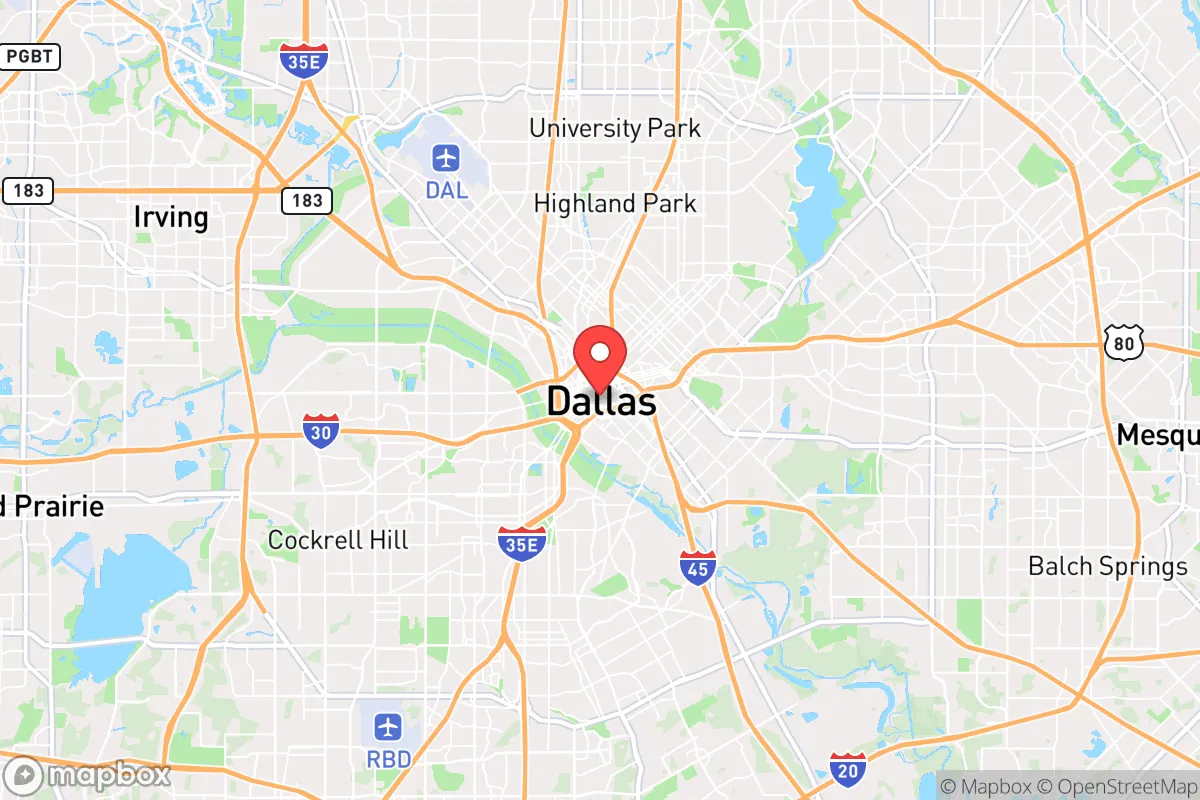
Photo by Ryan Duffy on Unsplash
Find The Best Places To Live
in Dallas
PRO TIP! You can paste a Zillow or Redfin link to get info on that property.
What It's Like Living in Dallas, TX
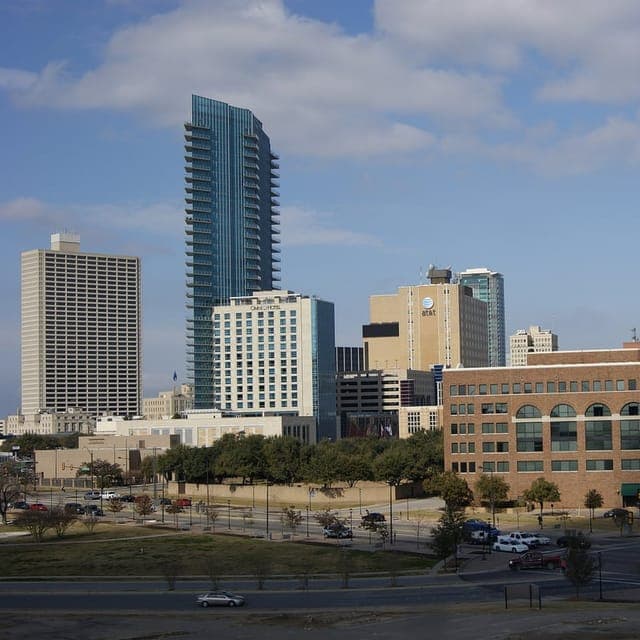
Dallas has a reputation for being all business—glass towers, suits, and sky-high ambition—but the city that gave us the Texas State Fair and the original Neiman Marcus knows how to let its hair down, too. Living here means navigating a place that’s simultaneously polished and unpretentious, where you can grab a brisket taco at a gas station one night and catch a Broadway show at the Winspear Opera House the next. It’s a sprawling, car-dependent metro that rewards people who bring their own hustle and don’t mind a little heat.
The Daily Grind: Traffic, Weather, and Weekend Rhythms
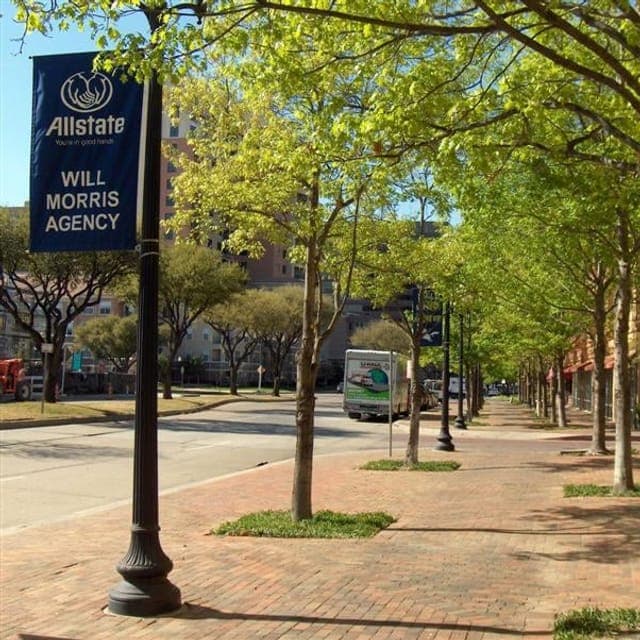
Your average commute clocks in at just under 26 minutes—better than Houston or Atlanta, but still enough to make you appreciate a good podcast. Most people live in the suburbs (Plano, Frisco, Richardson) and drive into the city for work, though neighborhoods like Uptown, Oak Lawn, and Bishop Arts are drawing more young professionals who want to walk to happy hour. The weather is the real conversation starter: summers are brutal (100°F for weeks on end), winters are mild but occasionally ice-pocalyptic, and spring brings tornado warnings that everyone treats with practiced nonchalance. Weekends revolve around patio brunch culture, hitting the Katy Trail for a run, or spending Saturday at the Dallas Farmers Market. The median age here is 33.4, meaning the city skews young and transient—plenty of people in their first job out of college, but also families who’ve settled into the school districts of Highland Park or Lake Highlands.
Who Fits In—and Who Doesn’t
Dallas works best for people who are career-focused and don’t mind a little competition. The median household income is $67,760, but that number hides a wide gap: you’ll find six-figure finance and tech workers in Uptown alongside service-industry folks in Oak Cliff. About 37.4% of adults hold a bachelor’s degree or higher, so it’s an educated crowd, but not as relentlessly credential-obsessed as Austin or D.C. The city tends to attract people who are ambitious but also value a social life—the kind of person who works late but still shows up for a Mavs game or a friend’s housewarming. Families often gravitate toward the northern suburbs for the schools, while singles and empty-nesters enjoy the walkability of Knox-Henderson or the cultural energy of Deep Ellum. If you’re looking for a slow-paced, nature-heavy lifestyle, this probably isn’t your spot. If you want a place where your career can accelerate and you can eat well doing it, Dallas delivers.
Sports, Festivals, and the Things That Bring People Together
Sports are the city’s secular religion. The Dallas Cowboys dominate the conversation even when they’re losing, and the Texas Rangers (in nearby Arlington) draw huge crowds. But the real local passion is for high school football—Friday nights in Allen or Southlake are a community-wide event. The Dallas Mavericks and Stars have dedicated followings, and college sports (especially Texas and Texas A&M) split loyalties. Beyond athletics, the State Fair of Texas (September–October) is a three-week spectacle of fried food, auto shows, and the iconic Big Tex. Music venues like the House of Blues and Granada Theater keep the calendar full, and the Dallas Arts District offers world-class museums and performances. For outdoor types, White Rock Lake is the go-to for running, kayaking, and picnicking—though the city’s park system is more functional than spectacular. The food scene is genuinely excellent, from upscale steak houses (Pappas Bros.) to the legendary Pecan Lodge brisket in Deep Ellum.
Pros and Cons of Living Here
What locals love:
- Economic opportunity—a strong job market in finance, tech, healthcare, and logistics, with no state income tax.
- Diverse food and culture—the best Tex-Mex, barbecue, and Vietnamese (hello, Garland’s Banc Nghia) you’ll find anywhere.
- Central location—easy weekend trips to Austin, Houston, or the Hill Country.
What frustrates them:
- Traffic—I-35 and the Mixmaster are notorious bottlenecks that only get worse.
- Violent crime—the rate of 576.5 per 100,000 is higher than the national average, though it’s concentrated in certain areas and has been trending down.
- Cost of living creep—at 114 (14% above the U.S. average), housing is getting pricier. The median home value is $295,300, which is still affordable compared to coastal cities but rising fast.
- Summer heat—it’s not just hot; it’s relentless. Air conditioning is non-negotiable.
Dallas is a city of trade-offs. You get career momentum and a vibrant social scene, but you trade walkability and moderate weather. It’s a place where people come to make something of themselves, and they tend to stay because the lifestyle—flaws and all—grows on you. If you can handle the traffic and the heat, you’ll find a city that’s friendlier than its glass-and-steel exterior suggests.

Similar major cities to Dallas
* Values derived from national, state, county, city and local statistics and may differ in a specific area. Last updated: 2026-09-23T21:08:41.000Z
Narrative content on this page is AI-generated and may contain mistakes. Verify any details that matter before acting on them.
ReloMaps may earn a commission from affiliate links at no extra cost to you.

