Quality of Life in Duncanville, TX
Above-average quality of iife. The area offers a reasonable cost of living, decent mobility, and a mix of neighborhood amenities.
What does Quality of Life tell us?
Quality of Life blends cost of living, nearby amenities, socioeconomic signals, and neighborhood character. City-level scores represent the whole municipality; individual neighborhoods can differ.
What does this tell us?
Quality of Life blends cost of living, nearby amenities, socioeconomic signals, and neighborhood character. City-level scores represent the whole municipality; individual neighborhoods can differ.
Cost of Living
15% above national average
The Real Cost of Living in Duncanville, TX for 2026
| Tier | Individual | Family (4) |
|---|---|---|
| Survival | $47k | $88k |
| Comfortable | $68k | $100k |
| Luxury | $97k+ | $150k+ |
| Elite (Top 5%) | $129k+ | $200k+ |
71%
The Area Signal
A metric tracking the socioeconomic signals of the area.


Hobbies
Explore the areaGroceries
1 within 10 miles
Gas
0 within 10 miles
Hospital
3 within 20 miles
Airport
DFW — Dallas Fort Worth International
Post Office
USPS — Dallas, TX
Critical Amenities
Quality-of-Life Analysis
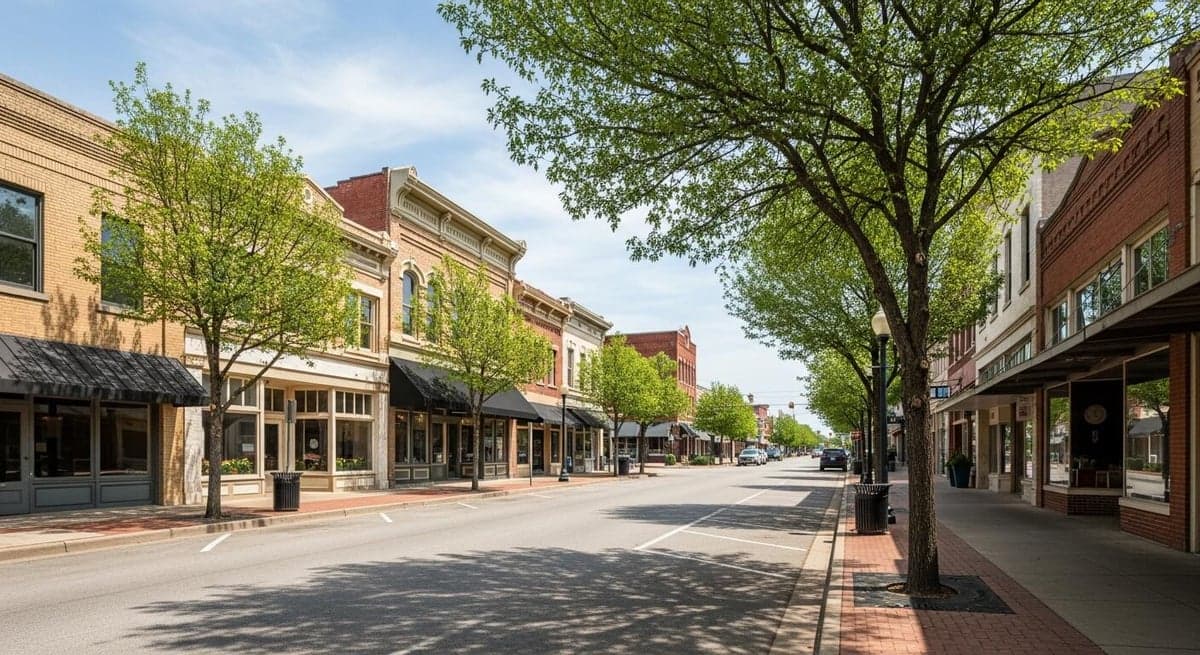
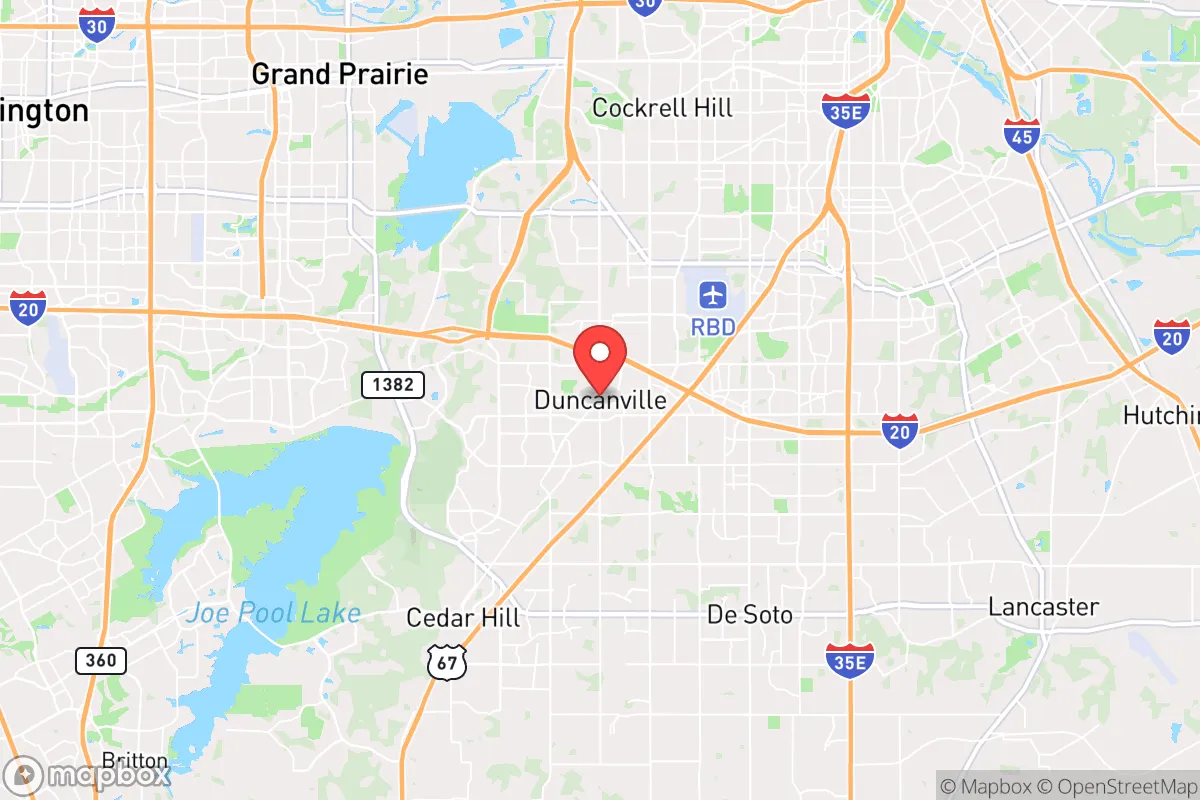
Duncanville, Texas, presents a middle-to-upper-middle-class quality of life anchored by a cost of living index of 115 (15% above the U.S. average), reflecting its position as a stable, family-oriented suburb within the Dallas-Fort Worth metroplex. The city attracts a mix of long-established homeowners, young families seeking more space than central Dallas offers, and professionals who work in the broader DFW job market. With a median home value of $239,200 and a median rent of $1,562, Duncanville sits in a practical sweet spot: more affordable than nearby Highland Park or University Park, but pricier than more distant exurbs like Lancaster or Cedar Hill.
Cost of living, housing, and affordability compared to Dallas and surrounding suburbs
Duncanville’s housing market is the primary driver of its above-average cost of living. The median home value of $239,200 is roughly 10-15% below the Dallas-Fort Worth metro average, making it one of the more attainable suburbs for buyers within a 15-minute drive of downtown Dallas. Renters face a median of $1,562 per month, which undercuts the DFW average of roughly $1,700 but still represents a significant monthly outlay for a three-bedroom home. Property taxes in Duncanville are typical for Texas at about 2.5-2.7% of assessed value, meaning a $239,200 home carries an annual tax bill near $6,200. For comparison, a similar home in nearby DeSoto might cost $10,000 less, while one in Cockrell Hill could be $20,000 cheaper but with a longer commute. The average commute time of 25.2 minutes is slightly below the DFW average of 28 minutes, a practical advantage for workers commuting to downtown Dallas or the Stemmons Corridor employment centers.
Schools, parks, and the daily rhythm of life in Duncanville
Daily life in Duncanville centers on the Duncanville Independent School District, which serves roughly 12,000 students and includes Duncanville High School (rated B+ by Niche) and several elementary schools with above-average test scores. The city maintains over 20 parks, with Armstrong Park and the Duncanville Recreation Center serving as hubs for youth sports, walking trails, and community events like the annual Duncanville Fall Festival. Retail amenities cluster along the I-20 and U.S. 67 corridors, with the Duncanville Town Center offering grocery, dining, and big-box shopping that reduces the need to drive into Dallas for errands. The city’s residential streets are predominantly single-family homes on quarter-acre lots, creating a quiet, suburban rhythm where weekend yard work and school sports dominate. Crime rates in Duncanville are moderate: property crime runs about 15% higher than the national average, but violent crime is roughly in line with similarly sized Texas suburbs, and the city’s police department maintains a visible presence through neighborhood patrols.
Duncanville works best for buyers and renters who want a solid, middle-market suburb with a reasonable commute to Dallas, good public schools, and a cost of living that doesn’t require a six-figure income. Families with school-age children will find the district and park system adequate, while singles and couples without kids may prefer the nightlife and walkability of Oak Cliff or Bishop Arts. Retirees on fixed incomes should note the property tax burden, but the city’s proximity to Methodist Charlton Medical Center and Baylor Scott & White clinics offers reliable healthcare access. Overall, Duncanville delivers a predictable, low-drama suburban experience at a price point that remains competitive within the DFW market.

Crime in Duncanville, TX
Generally safer than 58% of comparable U.S. locations.
Violent CrimeViolent Crime Analysis
Property CrimeProperty Crime Analysis
Crime Analysis
Duncanville, Texas, reports a violent crime rate of 257.3 per 100,000 residents and a property crime rate of 2,020.2 per 100,000. While these figures place the city below the national average for violent offenses, the property crime rate is elevated compared to many suburban communities in the Dallas-Fort Worth metroplex. The overall safety picture is mixed, with residents enjoying relatively low risks of violent victimization but facing heightened exposure to theft and burglary, a pattern common in suburbs adjacent to major urban centers.
Crime in context
Duncanville’s violent crime rate of 257.3 per 100,000 is roughly 30% lower than the national average of approximately 380 per 100,000 and significantly below the Texas state average of about 447 per 100,000. However, its property crime rate of 2,020.2 per 100,000 exceeds both the national average (1,954) and the Texas average (1,863). This disparity reflects a broader regional trend: suburbs in the Dallas-Fort Worth area often experience property crime rates inflated by their proximity to larger cities, where organized retail theft rings and vehicle burglary networks operate. The city’s location along Interstate 20 and its accessibility from major highways contribute to transient criminal activity, particularly in commercial corridors.
What residents experience
For Duncanville residents, the most common safety concerns involve property crimes such as vehicle break-ins, package theft, and residential burglary. The city’s police department has responded with targeted patrols in high-theft zones and a neighborhood watch program that covers roughly 40% of residential areas. Violent crime is less frequent but not absent; incidents tend to concentrate in specific apartment complexes and near late-night retail establishments. Duncanville operates under the jurisdiction of Dallas County’s criminal justice system, which has seen progressive district attorneys and judges in recent years. Critics argue that policies emphasizing diversion programs and reduced cash bail have led to repeat offenders cycling through the system more quickly, potentially increasing property crime recidivism. This ideological approach, while intended to reduce incarceration, has drawn concern from residents who feel it prioritizes offender rehabilitation over public safety and victim restitution.
Neighborhood-level variation
Safety conditions vary noticeably across Duncanville. The southwestern quadrant, dominated by single-family homes and newer subdivisions, reports the lowest crime rates, with violent incidents nearly absent. The northeastern section, closer to the Dallas city line and containing older apartment complexes and commercial strips, sees the majority of property crime and occasional violent offenses. Areas near the Duncanville Town Center and along Camp Wisdom Road experience higher foot traffic and associated theft, while the gated communities off Wheatland Road offer a markedly safer environment. Prospective residents should examine block-level crime maps and consider that proximity to major thoroughfares, while convenient, correlates with elevated property crime risk.
* Values derived from national, state, county, city and local statistics and may differ in a specific area. Last updated: 2026-04-14T23:33:05.000Z
Narrative content on this page is AI-generated and may contain mistakes. Verify any details that matter before acting on them.
ReloMaps may earn a commission from affiliate links at no extra cost to you.

