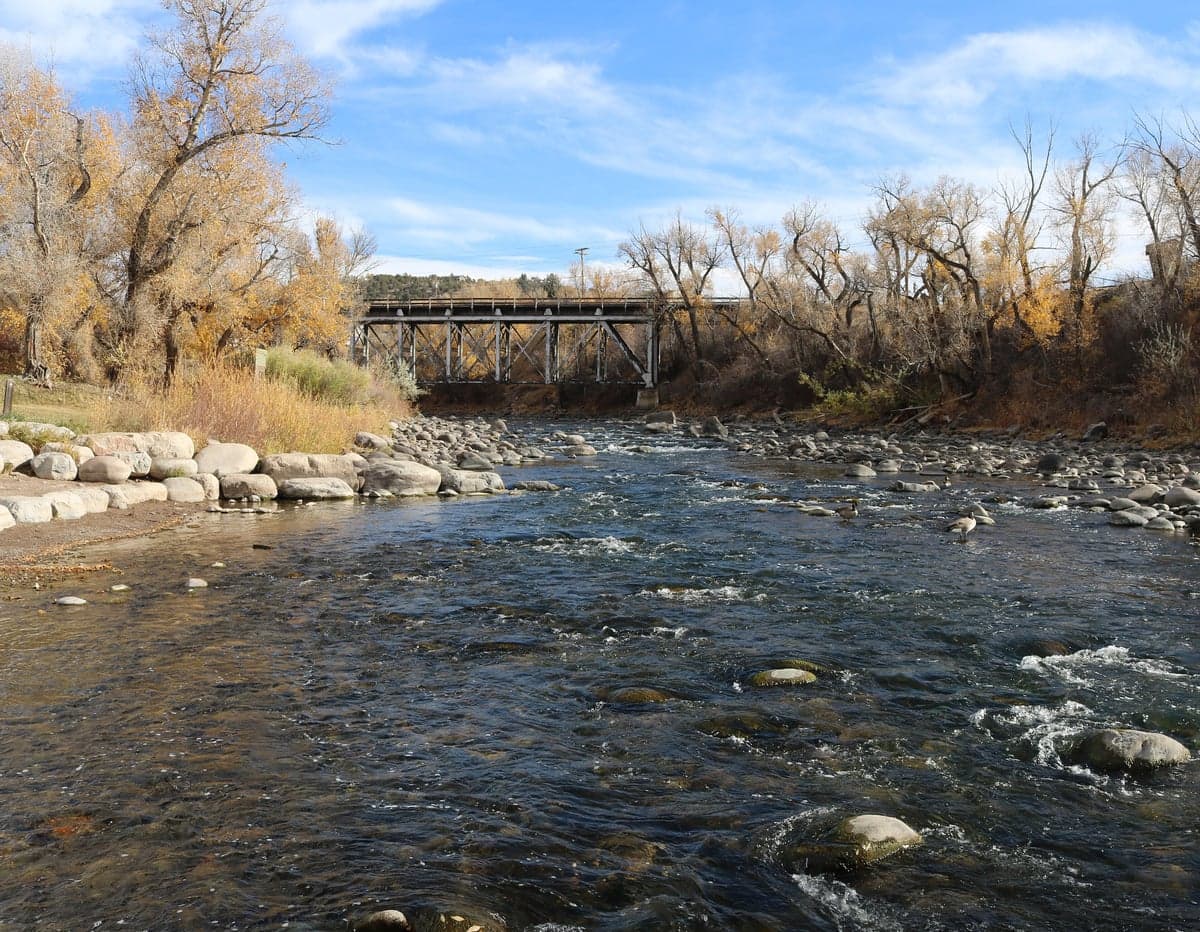
Photo: Wikipedia
Political ClimatePolitical Climate in Eagle, CO
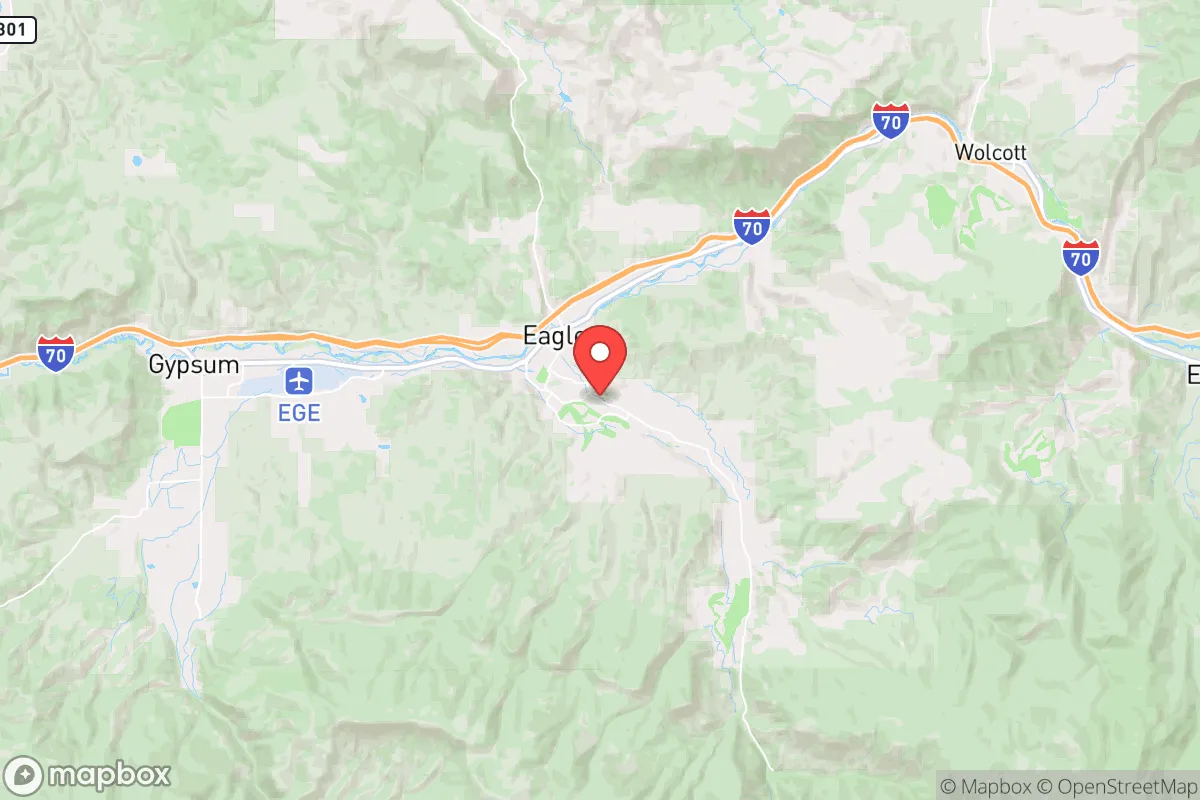
District shown is the primary district for this city’s centroid. Cities may span multiple districts.
Local Political AnalysisPolitical Analysis of Eagle, CO
Eagle, Colorado, leans heavily to the left, with a Cook Partisan Voting Index of D+20, making it one of the most progressive pockets in the state. That’s a stark contrast to the surrounding state’s overall D+6 rating, and it’s a shift that’s happened fast over the last decade. If you’ve been around here as long as I have, you remember when Eagle was a quieter, more independent-minded mountain town—now, it’s feeling more like a satellite of Boulder or Denver every year, with policies that can rub a conservative the wrong way.
How it compares
To put it bluntly, Eagle is an outlier. While Colorado as a whole has drifted left—going from a swing state to solidly blue in presidential races—Eagle has sprinted ahead. The D+20 PVI means it votes about 14 points more Democratic than the state average. For context, nearby towns like Gypsum and Dotsero still lean more moderate, but they’re getting squeezed by the same wave. Drive 30 minutes west to Rifle or Silt, and you’ll find a more balanced, even conservative-leaning electorate—places where folks still value local control and aren’t keen on government telling them how to live. Eagle, though? It’s become a hub for out-of-state transplants and second-home owners who bring big-city politics with them. The county commission and town council here have pushed through zoning changes, environmental mandates, and tax hikes that feel like overreach to anyone who remembers when the valley was about ranching and skiing, not social engineering.
What this means for residents
For a conservative living in Eagle, daily life can feel like swimming upstream. You’ll see more “Black Lives Matter” signs than “Don’t Tread on Me” flags, and local government tends to prioritize progressive pet projects—like bike lanes and affordable housing mandates—over keeping taxes low or protecting property rights. The school board has leaned into critical race theory-adjacent curriculum, and there’s a growing push for stricter gun ordinances, even though Colorado already has some of the tightest laws in the West. Property taxes have crept up to fund these initiatives, and while the scenery is unbeatable, the political climate can make you feel like your voice doesn’t matter. If you value personal freedoms—like choosing your own healthcare, homeschooling without interference, or keeping your firearms—Eagle’s trajectory is concerning. The long-term trend suggests more regulation, not less, as the progressive majority tightens its grip.
On the cultural side, Eagle has lost some of its old Western character. The annual rodeo still draws a crowd, but the town’s identity is shifting toward a more urban, activist vibe. You’ll find fewer folks who hunt or fish for food and more who lecture about carbon footprints. Policy-wise, the biggest red flag is the push for “climate action plans” that could restrict building, energy use, and even how you heat your home. For now, if you want a conservative-friendly haven, you’re better off looking at Rifle or Carbondale’s outskirts, where the government stays out of your business. Eagle’s a beautiful place to live, but the political climate is a warning sign for anyone who values liberty over the latest progressive fad.

State Political ClimatePolitical Climate in Colorado
State Political AnalysisPolitical Environment in the State
Colorado has shifted from a quintessential purple state to a solidly blue one over the past two decades, now carrying a Cook PVI of D+6. The dominant coalition is a mix of Denver-metro progressives, suburban swing voters who have moved left, and a growing population of out-of-state transplants, particularly from California and the Northeast. This transformation has been rapid: as recently as 2004, the state voted for George W. Bush, but by 2020, Joe Biden won it by over 13 points. For a conservative considering relocation, the state’s trajectory is a cautionary tale of how fast a libertarian-leaning Western state can become a laboratory for progressive policy.
Urban vs. rural divide
The political map of Colorado is a stark study in contrasts. The Denver-Boulder-Aurora corridor is the engine of Democratic dominance, with Boulder County routinely delivering 75-80% of its vote to Democrats. Denver itself is a deep-blue city where progressive policies on homelessness, zoning, and policing are enacted with little opposition. The suburbs that once leaned purple—places like Jefferson County (Golden, Lakewood) and Arapahoe County (Centennial, Aurora)—have flipped decisively blue since 2016, driven by college-educated transplants and younger voters. Meanwhile, the rural Eastern Plains and Western Slope remain deeply red. El Paso County (Colorado Springs) is the conservative stronghold, home to Focus on the Family and a massive military presence, but its influence is diluted by the Front Range population boom. Weld County (Greeley) and Mesa County (Grand Junction) are reliably Republican, but they lack the population to counterbalance Denver. The divide is so sharp that some rural counties have floated secession movements, like the 2013 "51st state" proposal for northern Colorado, though nothing came of it.
Policy environment
Colorado’s policy environment has shifted hard left over the past decade. The state has a flat income tax rate of 4.4% (reduced from 4.63% by a 2020 ballot measure), but property taxes are relatively low compared to the national average. However, the regulatory burden is heavy: the state has some of the strictest environmental regulations in the West, including a 2024 law requiring all new buildings to be "electric-ready" and phasing out natural gas hookups in new construction. Education policy is dominated by the teachers’ union, with per-pupil spending among the highest in the nation, yet test scores remain middling. School choice exists via charter schools, but they face constant political pressure. Healthcare is heavily regulated, with a state-run reinsurance program that has stabilized premiums but limited insurer competition. Election laws are among the most progressive: Colorado was the first state to implement all-mail voting, automatic voter registration, and same-day registration. While convenient, these policies have raised concerns about ballot security among conservatives, especially after the 2020 election saw high turnout but also reports of ballot harvesting and signature verification issues.
Trajectory & freedom
Colorado is becoming less free by nearly any measure of personal liberty. The most glaring example is gun rights: in 2013, after the Aurora theater shooting, the state passed universal background checks and a ban on magazines over 15 rounds. In 2024, the legislature passed a ban on "assault weapons" (defined broadly) and raised the purchase age to 21, despite a state constitutional provision protecting the right to bear arms. These laws are being challenged in court, but they represent a clear trend. On parental rights, Colorado passed a 2023 law allowing minors to receive gender-affirming care without parental consent, and the state has become a "sanctuary" for out-of-state families seeking such care. Medical autonomy took a hit with the 2024 passage of a law requiring COVID-19 vaccine mandates for healthcare workers, with no religious exemption. Property rights are under pressure from a 2023 "land use" reform that effectively ended single-family zoning in most cities, allowing duplexes and triplexes in any neighborhood. Taxation remains moderate, but a 2024 ballot measure to raise the corporate tax rate narrowly failed. For a conservative, the trend is unmistakable: the state government is increasingly comfortable overriding local control and individual choice in the name of progressive goals.
Civil unrest & political movements
Colorado has seen its share of political flashpoints. The 2020 protests in Denver were among the most intense in the country, with the "Autonomous Zone" in Capitol Hill lasting several days and resulting in property damage and a controversial police response. The state’s sanctuary policies—Denver and Boulder County refuse to cooperate with ICE detainers—have made it a magnet for illegal immigration, straining resources in cities like Aurora, where a 2024 surge in Venezuelan migrants overwhelmed shelters and schools. On the right, the "Colorado Project" and local GOP groups have organized around election integrity, but they remain a minority voice. The 2022 recall of two Democratic state senators over a gun control bill failed, showing the limits of grassroots conservative power. The most visible movement is the "Colorado Springs model" of conservative governance, where the city has resisted many state mandates, but it’s an island in a blue sea. Immigration politics are particularly heated: the 2024 "sanctuary state" bill, which would have barred all state cooperation with federal immigration enforcement, failed by one vote, but the issue remains a live grenade.
Projection
Over the next 5-10 years, Colorado will likely become more progressive. The demographic trends are clear: the Front Range is growing faster than the rest of the state, and the new arrivals are overwhelmingly young, college-educated, and left-leaning. The rural counties are losing population, meaning their political influence will continue to wane. The state’s housing crisis—driven by strict land-use regulations and high demand—will likely push more people into the suburbs, further diluting conservative strongholds. The 2026 gubernatorial race is expected to be a Democratic hold, and the state legislature will likely pass a public option for healthcare, a wealth tax, and further gun restrictions. The only wildcard is a potential backlash: if the state’s progressive policies lead to a noticeable decline in quality of life—rising crime in Denver, failing schools, or a housing market that prices out the middle class—some voters might shift right. But for now, the trajectory is one-party rule. Someone moving in now should expect to live in a state where their vote for president or Senate will be irrelevant, and where local elections are the only real battleground.
Bottom line for a new resident: If you’re a conservative moving to Colorado, you’re moving to a state where your political views will be in the minority, and where state policy will increasingly conflict with your values on guns, education, and parental rights. Your best bet is to settle in a conservative enclave like Colorado Springs, Grand Junction, or the rural counties east of I-25, where local government can still offer some buffer. But even there, state preemption is a growing threat. Colorado is a beautiful state with a strong economy, but its political climate is hostile to conservatism, and it’s only getting worse. Come for the mountains, but be prepared to fight for your freedoms at the ballot box and in the courts.
* Values derived from national, state, county, city and local statistics and may differ in a specific area. Last updated: 2026-05-16T10:10:00.000Z
Narrative content on this page is AI-generated and may contain mistakes. Verify any details that matter before acting on them.
ReloMaps may earn a commission from affiliate links at no extra cost to you.

