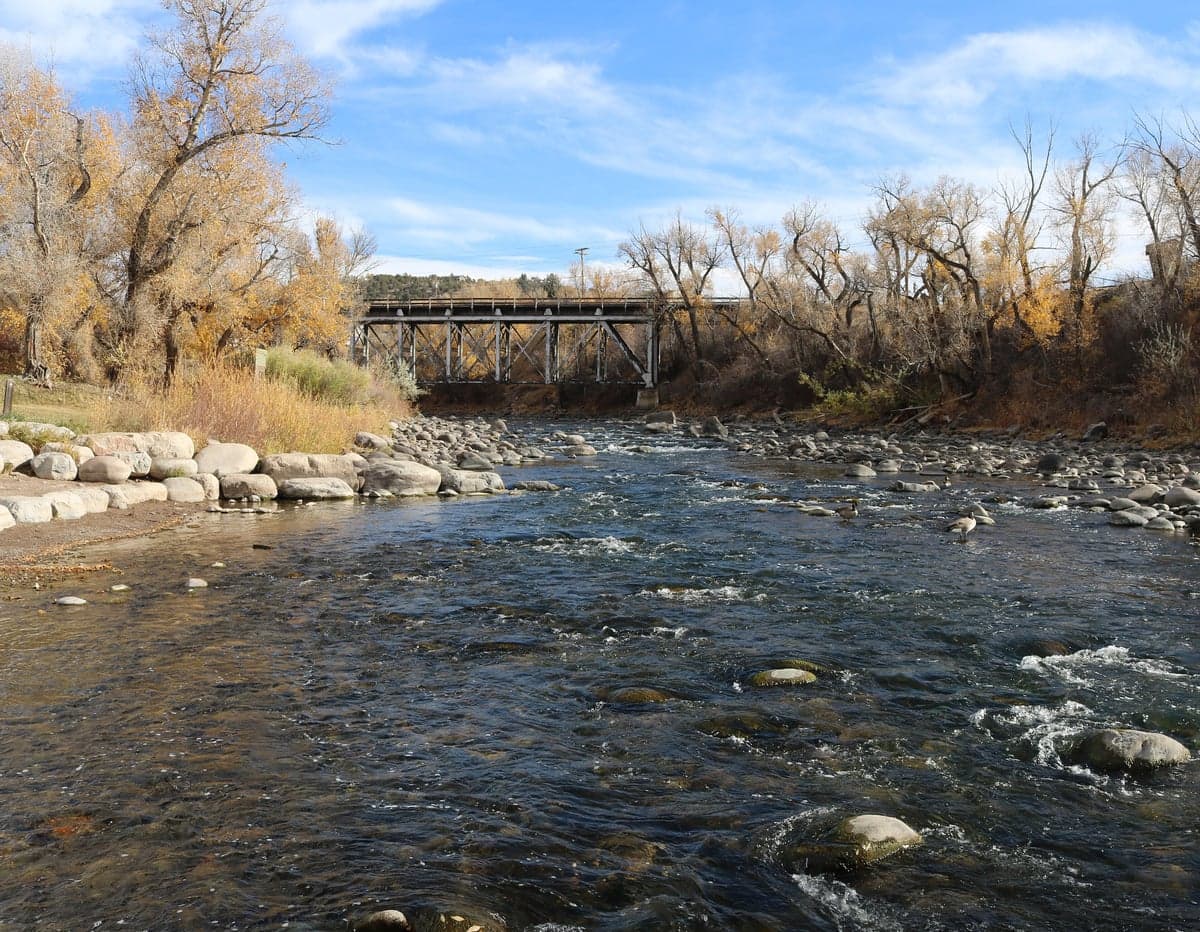
Photo: Wikipedia
Quality of Life in Eagle, CO
A high quality of life with strong walkability, manageable living costs, healthy neighborhood signals, and solid amenity access.
What does Quality of Life tell us?
Quality of Life blends cost of living, nearby amenities, socioeconomic signals, and neighborhood character. City-level scores represent the whole municipality; individual neighborhoods can differ.
What does this tell us?
Quality of Life blends cost of living, nearby amenities, socioeconomic signals, and neighborhood character. City-level scores represent the whole municipality; individual neighborhoods can differ.
Cost of Living
86% above national average
The Real Cost of Living in Eagle, CO for 2026
| Tier | Individual | Family (4) |
|---|---|---|
| Survival | $27k | $51k |
| Comfortable | $100k | $147k |
| Luxury | $146k+ | $227k+ |
| Elite (Top 5%) | $172k+ | $267k+ |
71%
The Area Signal
A metric tracking the socioeconomic signals of the area.
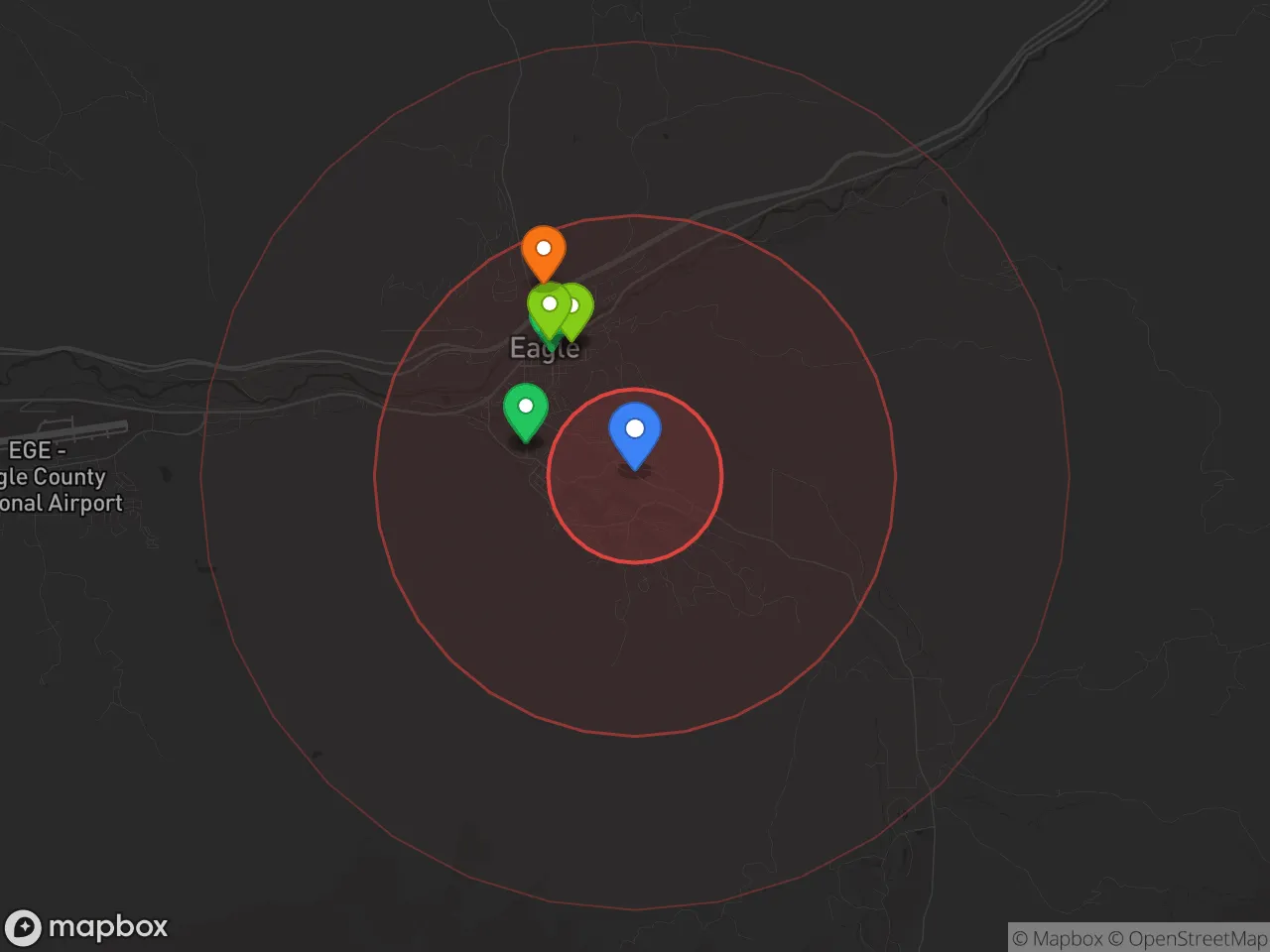
Hobbies
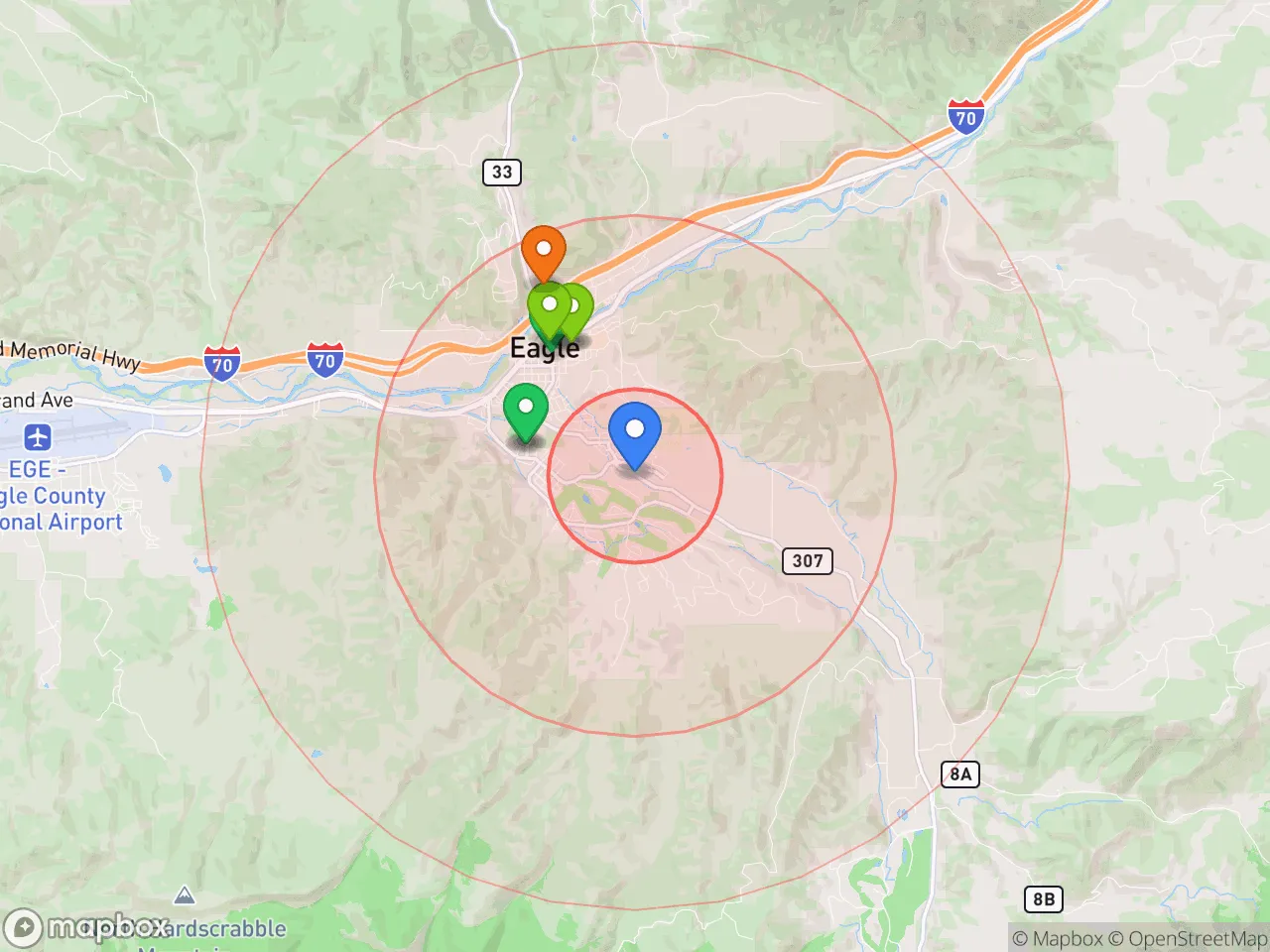
Explore the areaGroceries
2 within 10 miles
Gas
5 within 10 miles
Hospital
2 within 20 miles
Airport
DEN — Denver International
Post Office
USPS — Eagle, CO
Critical Amenities
Quality-of-Life Analysis
Eagle, Colorado, is an affluent mountain town where the median home value of $693,600 and a cost-of-living index of 186 (nearly double the U.S. average) reflect a community built around outdoor recreation, second-home ownership, and a workforce that largely commutes from more affordable neighboring towns. The population skews toward professionals in healthcare, construction, and hospitality, along with remote workers and retirees drawn to the Eagle River Valley’s blend of small-town feel and proximity to world-class skiing in Vail and Beaver Creek. Despite the high price tag, Eagle offers a quieter, less tourist-choked alternative to its glitzier neighbors, attracting those who prioritize access to nature over nightlife.
Cost of living, housing, and how Eagle compares to nearby towns
Eagle’s cost-of-living index of 186 is driven overwhelmingly by housing. The median home value of $693,600 is roughly 30% lower than in Vail (where the median exceeds $1 million) but still more than double the national median. Renters fare somewhat better: the median rent of $1,706 is about 20% below Vail’s average and comparable to Gypsum’s, though it still consumes a large share of local wages. The average commute of 22.6 minutes is notably short for the region—many workers live in Eagle and drive to jobs in Edwards or Avon, avoiding the hour-long commutes common among those priced out of Aspen or Summit County. Groceries and utilities also run 15–20% above national averages, but residents offset costs through lower property taxes (Colorado’s residential assessment rate is relatively low) and the absence of a state sales tax on most essentials. For buyers, the trade-off is clear: Eagle offers a foothold in the Vail Valley at a price point that, while steep, remains accessible compared to resort-core towns.
What daily life is like for families: schools, amenities, and community rhythm
Daily life in Eagle revolves around the Eagle River, the town’s paved trail network, and a compact downtown anchored by the Eagle County Fairgrounds and the Eagle Public Library. The Eagle County School District consistently ranks among Colorado’s top 20%, with Eagle Valley High School offering strong STEM and outdoor-education programs. Families fill weekends with soccer games at the Eagle Sports Complex, summer rafting on the Colorado River, and winter trips to the nearby Beaver Creek ski area (20 minutes away). The town’s restaurant scene is modest but solid—locals frequent the Eagle Diner for breakfast and the Gore Range Brewery for post-hike beers—while grocery shopping is split between City Market and the seasonal Eagle Farmers Market. Commute times are short enough that parents can shuttle kids to after-school activities without the gridlock seen in Denver’s suburbs. The rhythm is slower than in Vail or Breckenridge: Eagle lacks a major nightlife district, but its community calendar—from the Eagle County Fair in July to the Eagle Winter Wonderland parade—keeps residents engaged year-round.
Eagle is best suited for families, remote workers, and outdoor enthusiasts who value space, quiet, and direct access to the Rockies over urban amenities or a bustling social scene. The high cost of living filters out those on a tight budget, but for buyers and renters who can afford the premium, Eagle delivers a rare combination of short commutes, strong schools, and year-round recreation without the crowds of resort towns. Professionals in healthcare, construction, and education will find the most stable local job market, while retirees and second-home owners appreciate the town’s slower pace and proximity to Eagle County Regional Airport for easy travel. Anyone seeking a vibrant nightlife or a diverse food scene should look elsewhere—Eagle’s appeal is rooted in its outdoors, its community, and its relative affordability within one of Colorado’s priciest valleys.

Crime in Eagle, CO
Lower crime rates than 94% of comparable U.S. locations.
Violent CrimeViolent Crime Analysis
Property CrimeProperty Crime Analysis
Crime Analysis
Eagle, Colorado, reports a violent crime rate of 68.4 incidents per 100,000 residents and a property crime rate of 684.1 per 100,000, placing it well below national averages for both categories. While these figures suggest a relatively safe environment compared to many U.S. communities, the town's location within the broader Eagle County—part of the I-70 mountain corridor and within commuting distance of the Denver metro area—introduces specific public safety considerations. The local justice system's ideological leanings, particularly in a state where progressive district attorneys have been elected in several jurisdictions, warrant close attention from potential residents.
Crime in context
Eagle's violent crime rate of 68.4 per 100K is roughly 80% lower than the national average of approximately 380 per 100K, and its property crime rate of 684.1 per 100K is about 60% below the U.S. median. These numbers are comparable to other small mountain towns in Colorado, such as Glenwood Springs (violent crime ~120 per 100K) and Steamboat Springs (~90 per 100K). However, the county's proximity to larger population centers like Denver (violent crime ~700 per 100K) means that transient crime—including vehicle thefts and burglaries tied to interstate travel—can spike seasonally. The presence of progressive judicial policies in Colorado's 5th Judicial District, which covers Eagle County, has been a point of contention. Critics argue that lenient sentencing guidelines and diversion programs for property offenders, while intended to reduce recidivism, have resulted in repeat offenders cycling through the system more quickly, undermining deterrence and public confidence in the justice system.
What residents experience
Daily life in Eagle is marked by low rates of violent confrontations, with the most common incidents being theft from vehicles, bicycle theft, and occasional vandalism during peak tourist seasons. The town's police department maintains a visible presence, and neighborhood watch programs are active in subdivisions like Eagle Ranch and Brush Creek. However, residents report frustration with the handling of property crimes: a 2024 survey by the Eagle County Sheriff's Office indicated that only 35% of property crime victims felt the justice system adequately addressed their case, citing plea deals and reduced charges. This perception aligns with broader concerns about progressive prosecution policies that prioritize treatment over incarceration for non-violent offenders, a stance that can leave victims feeling marginalized. For families and retirees, the low violent crime rate is reassuring, but the property crime clearance rate—around 15% for thefts—means prevention through locked doors, security cameras, and community vigilance remains essential.
Neighborhood-level variation in Eagle is modest but notable. The downtown core and areas near the Eagle County Regional Airport see slightly higher property crime rates, while newer subdivisions like Eagle Ranch and the gated communities along the Eagle River report near-zero violent crime and lower theft rates. The town's overall safety profile is strong, but the ideological orientation of the local judiciary—which has been described as sympathetic to offenders' rehabilitation over punitive measures—creates a dynamic where property crime offenders may face minimal consequences, potentially emboldening repeat offenses. Prospective residents should weigh these factors, particularly if they prioritize a justice system that emphasizes accountability and victim restitution.
* Values derived from national, state, county, city and local statistics and may differ in a specific area. Last updated: 2026-05-16T10:10:00.000Z
Narrative content on this page is AI-generated and may contain mistakes. Verify any details that matter before acting on them.
ReloMaps may earn a commission from affiliate links at no extra cost to you.

