Photo: Wikipedia
Political ClimatePolitical Climate in Fishers, IN
District shown is the primary district for this city’s centroid. Cities may span multiple districts.
Local Political AnalysisPolitical Analysis of Fishers, IN
Fishers, Indiana, has long been a solidly conservative stronghold, and while the area still leans right with a Cook PVI of R+8, you can feel the political winds starting to shift in ways that make a lot of us longtime residents uneasy. It used to be that you could count on your neighbors to value personal responsibility, low taxes, and the freedom to live your life without the government breathing down your neck. Now, there’s a growing undercurrent of progressive influence creeping in, especially as the city has boomed with new transplants from places like Chicago and the coasts. The local elections and school board races are getting tighter, and that’s a red flag for anyone who values limited government and individual liberties.
How it compares
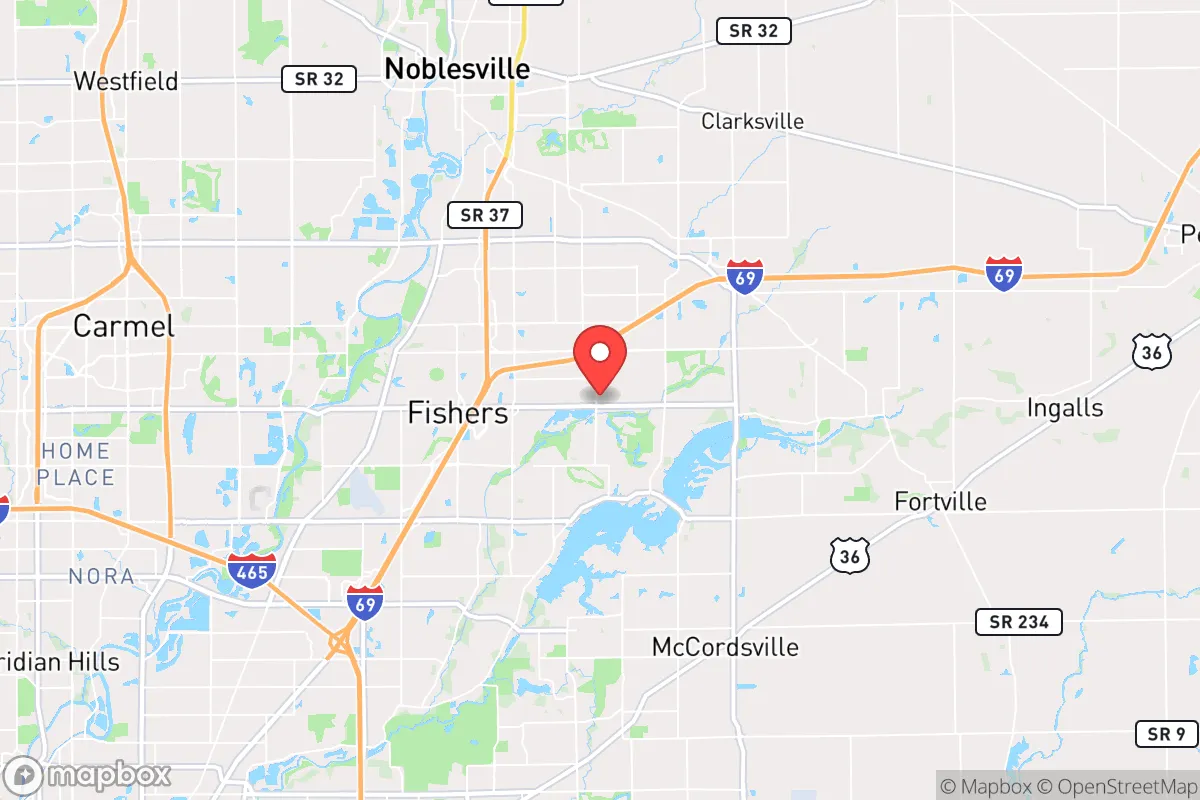
Compared to its neighbors, Fishers is still a relative beacon of conservative values, but the contrast is getting sharper. Drive ten minutes south to Indianapolis, and you’re in a deep blue urban hub where taxes are higher and the city council is pushing policies that feel like government overreach—think mask mandates that lasted forever and zoning rules that tell you what you can do with your own property. Head north to Noblesville, and you’ll find a more reliably red community that hasn’t seen the same influx of out-of-state newcomers. Westfield and Carmel are interesting comparisons: Carmel has a similar R+8 lean, but its city leadership has flirted with more progressive planning and spending, which rubs a lot of us the wrong way. Fishers still holds the line better than most, but the pressure is mounting, and you can see it in the way local officials are starting to talk about “equity” initiatives and climate action plans—code words for more bureaucracy and less personal freedom.
What this means for residents
For folks who’ve been here a while, the biggest concern is that the government is slowly chipping away at the things that made Fishers great. Property taxes have crept up as the city spends more on bike lanes, roundabouts, and “community engagement” programs that feel like a solution in search of a problem. The school system, once a model of academic excellence without political meddling, is now seeing debates over curriculum and parental rights that would have been unthinkable a decade ago. If you value the freedom to make your own choices—whether that’s about your kids’ education, your business, or your property—you need to pay close attention to who’s running for local office. The long-term trajectory depends on whether the conservative base can hold the line against the progressive wave that’s washing over so many other suburbs. If the trend continues, Fishers could start looking more like a mini-Indianapolis within a generation, and that’s a future most of us don’t want.
Culturally, Fishers still feels like a place where you can raise a family without the government getting in the way, but the cracks are showing. The city’s push for more density and transit-oriented development feels like a top-down agenda that ignores what residents actually want—space, privacy, and the right to live without constant regulation. There’s also a growing tension around Second Amendment rights, with some local leaders hinting at support for red flag laws that could strip due process. For now, the conservative majority on the city council keeps the worst of it at bay, but every election cycle brings new challenges. If you’re thinking of moving here, know that Fishers is still a good place for freedom-minded folks, but it’s not the sleepy, hands-off suburb it was twenty years ago. Keep your eyes on the school board and the city council races—that’s where the real fight for your rights is happening.

State Political ClimatePolitical Climate in Indiana
State Political AnalysisPolitical Environment in the State
Indiana has been a reliably Republican state for decades, with the GOP holding a firm grip on the governor’s mansion, both chambers of the state legislature, and the majority of federal seats. The state voted for Donald Trump by 16 points in 2024, a slight tightening from the 18-point margin in 2020, but still a solid red wall. Over the last 20 years, the state has shifted rightward on cultural and economic issues, even as the Indianapolis metro area has become a blue-leaning island. For a conservative relocating here, the state offers a familiar political landscape, but the growing influence of suburban progressives in places like Carmel and Fishers is something to watch.
Urban vs. rural divide
The political map of Indiana is a classic story of red countryside versus blue cities. The Indianapolis metro area, including Marion County and its affluent suburbs like Carmel, Fishers, and Zionsville, has trended Democratic over the past decade. In 2024, Marion County voted for Kamala Harris by roughly 20 points, while the surrounding suburban counties like Hamilton and Hendricks remained Republican but with shrinking margins. Meanwhile, the rest of the state is deeply red. Fort Wayne (Allen County) is a Republican stronghold, and Evansville (Vanderburgh County) leans red but is competitive. The rural counties in the southern part of the state, like Dubois, Gibson, and Warrick, are reliably conservative, often voting 70% or more for the GOP. The northwest corner, around Gary and Lake County, is a Democratic bastion driven by union and minority voters, but it’s an outlier. The real story is the suburban shift: places like Noblesville and Greenwood are still red, but the margins are tightening as young professionals and remote workers move in from bluer states.
Policy environment
Indiana’s policy environment is broadly conservative, with a low-tax, low-regulation posture that appeals to business and families. The state has a flat income tax rate of 3.05% (down from 3.23% in 2023), with a planned phase-down to 2.9% by 2027. Property taxes are relatively low, capped at 1% of assessed value for owner-occupied homes. There is no estate tax, and the corporate tax rate is a flat 4.9%. On education, Indiana has a robust school choice program, including the Choice Scholarship voucher system, which allows families to use state funds for private or religious schools. The state also has a strong parental rights law (HB 1608, passed in 2022), which requires schools to notify parents of any curriculum changes involving human sexuality. On healthcare, Indiana expanded Medicaid under the Healthy Indiana Plan, but it’s a conservative version with work requirements for able-bodied adults. Election laws are strict: voter ID is required, and the state has purged inactive voters from rolls. There is no early voting by mail without an excuse, though early in-person voting is available. Overall, the policy environment is friendly to conservative priorities, but the state’s reliance on property taxes for schools means local levies can vary widely.
Trajectory & freedom
Indiana has been moving in a direction that expands personal freedom in several key areas, but there are concerning trends. On gun rights, the state passed constitutional carry (HB 1296) in 2022, allowing permitless carry of handguns for adults 18 and older. This was a major win for Second Amendment advocates. On parental rights, the state has been proactive, with laws like the aforementioned HB 1608 and a ban on gender transition procedures for minors (HEA 1577, passed in 2023). However, there are red flags. The state’s COVID-era emergency powers were controversial, with Governor Eric Holcomb’s extended emergency orders in 2020-2021 drawing criticism from conservatives who saw them as overreach. The legislature has since passed laws limiting the governor’s emergency powers (SB 305, 2021), but the memory lingers. On medical freedom, Indiana has not passed a broad medical autonomy law, and vaccine mandates for healthcare workers were allowed to stand in some private hospitals. Property rights are generally strong, with no statewide rent control and limited zoning restrictions outside of Indianapolis. The trajectory is mostly positive for conservatives, but the state’s growing reliance on federal funding and the influence of corporate interests in the statehouse are subtle threats to local control.
Civil unrest & political movements
Indiana has seen its share of political flashpoints, but they are less intense than in coastal states. The 2020 Black Lives Matter protests in Indianapolis were large and occasionally violent, leading to property damage and a controversial police response. The city’s Democratic leadership has since pushed for police reform, including a civilian review board, which has been a source of tension with the GOP-controlled legislature. On the right, the state has a strong grassroots conservative movement, with groups like the Indiana Family Institute and the Hoosier Freedom Coalition active in school board races and local elections. Immigration politics are relatively quiet, as Indiana is not a border state and has a small foreign-born population (about 5%). There are no sanctuary cities, and the state has passed laws requiring local law enforcement to cooperate with ICE (SB 590, 2011). Election integrity has been a topic of debate, with the 2020 election seeing Trump’s narrow loss in Indiana (he still won by 16 points) leading to some local activism around voting machines and audits, but no major controversies. The most visible flashpoint for a new resident would be the culture war in suburban school boards, where debates over library books, curriculum, and transgender policies are common in places like Hamilton County and Johnson County.
Projection
Over the next 5-10 years, Indiana is likely to remain a Republican-leaning state, but the margins will continue to tighten in suburban areas. The in-migration from blue states, particularly to the Indianapolis suburbs and college towns like Bloomington and West Lafayette, will slowly shift the political center. The state’s growing tech and life sciences sectors, anchored by companies like Eli Lilly and Salesforce, are attracting a younger, more diverse workforce that tends to vote Democratic. However, the rural and exurban areas are not shrinking as fast as in some Midwest states, and the GOP’s control of redistricting will keep the legislature red for the foreseeable future. The biggest wildcard is the state’s abortion policy: Indiana passed a near-total abortion ban in 2022 (SB 1), which is currently tied up in court. If the ban is upheld, it could solidify the state’s conservative identity but also drive away some moderate suburbanites. For a conservative moving in now, expect a state that remains friendly to your values for at least another decade, but with a growing progressive presence in the cities that will require vigilance in local elections.
For a new resident, the bottom line is that Indiana offers a solidly conservative policy environment with low taxes, strong gun rights, and school choice, but the political climate is not static. The urban-rural divide is widening, and the suburbs are becoming battlegrounds. If you’re moving to a rural county like Dubois or Gibson, you’ll find a deeply red community. If you’re settling in Carmel or Fishers, expect a more mixed environment where local school board and city council races matter. The state’s trajectory is mostly positive for conservatives, but the cultural drift in the metro areas is something to keep an eye on. Overall, Indiana is a safe bet for a family or individual seeking a low-cost, high-freedom lifestyle, but it’s not immune to the national trends that are reshaping American politics.
* Values derived from national, state, county, city and local statistics and may differ in a specific area. Last updated: 2026-04-22T10:27:21.000Z
Narrative content on this page is AI-generated and may contain mistakes. Verify any details that matter before acting on them.
ReloMaps may earn a commission from affiliate links at no extra cost to you.

