 Popular
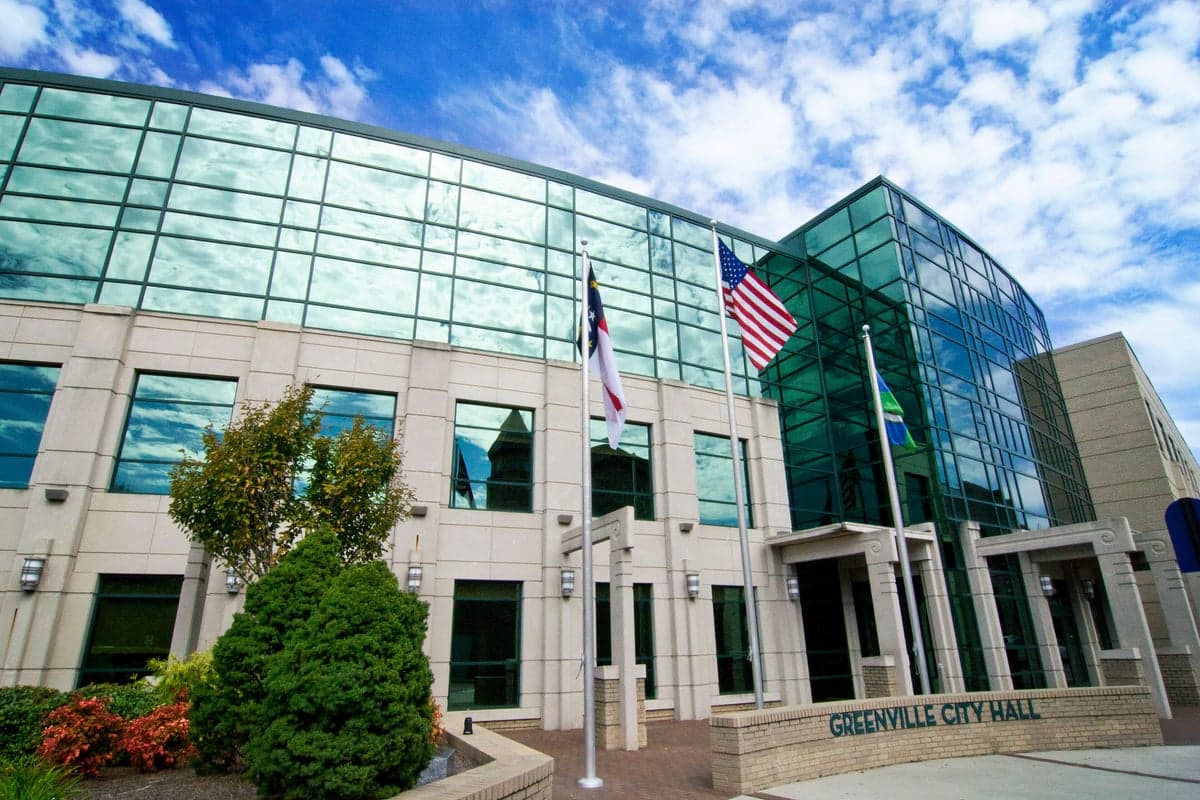
Photo: Wikipedia
Quality of Life in Greenville, NC
A high quality of life with strong walkability, manageable living costs, healthy neighborhood signals, and solid amenity access.
What does Quality of Life tell us?
Quality of Life blends cost of living, nearby amenities, socioeconomic signals, and neighborhood character. City-level scores represent the whole municipality; individual neighborhoods can differ.
What does this tell us?
Quality of Life blends cost of living, nearby amenities, socioeconomic signals, and neighborhood character. City-level scores represent the whole municipality; individual neighborhoods can differ.
Cost of Living
19% below national average
The Real Cost of Living in Greenville, NC for 2026
| Tier | Individual | Family (4) |
|---|---|---|
| Survival | $16k | $29k |
| Comfortable | $41k | $61k |
| Luxury | $91k+ | $142k+ |
| Elite (Top 5%) | $127k+ | $198k+ |
83%
The Area Signal
A metric tracking the socioeconomic signals of the area.
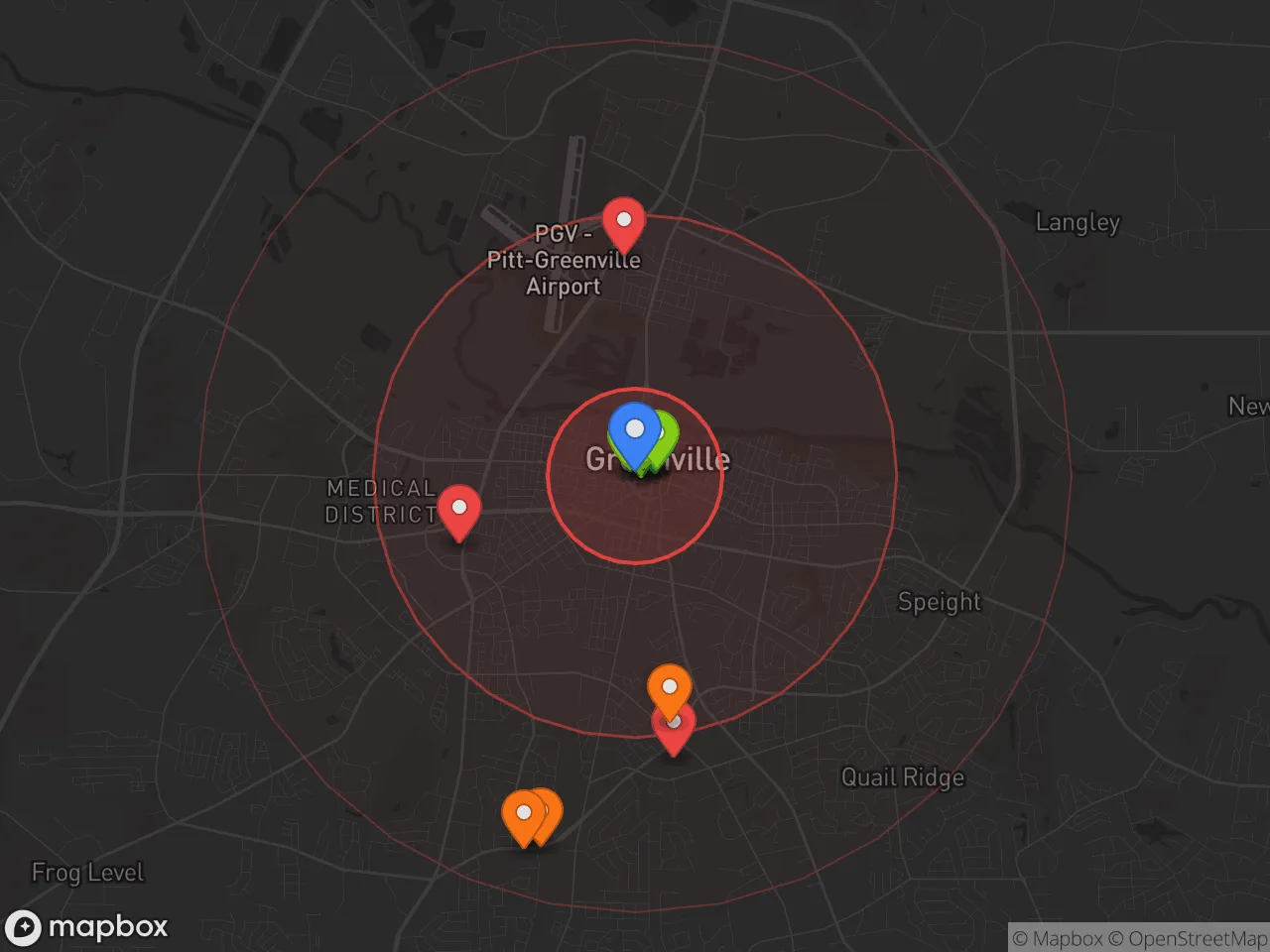
Hobbies
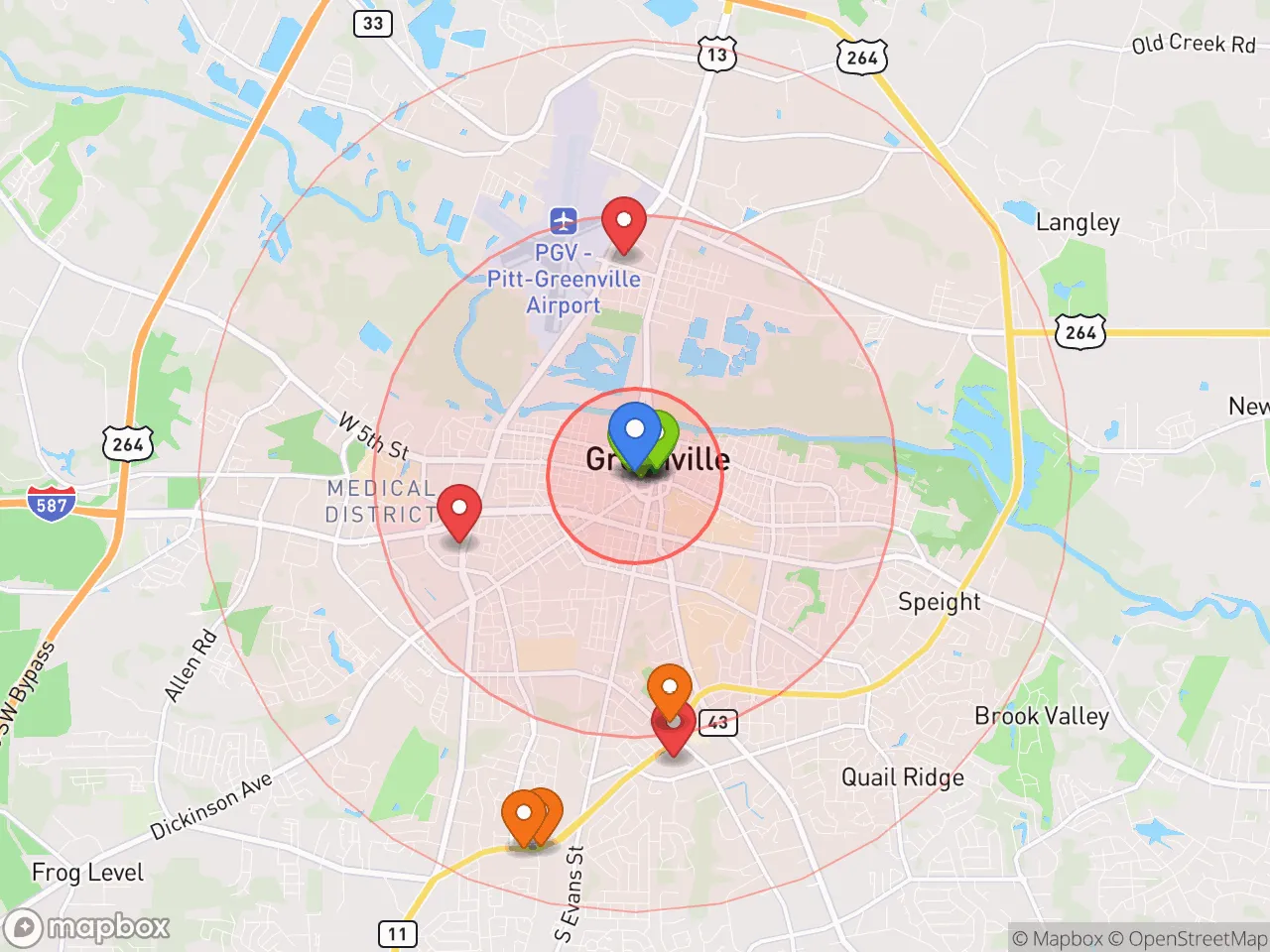
Explore the areaGroceries
7 within 10 miles
Gas
20 within 10 miles
Hospital
5 within 20 miles
Airport
RDU — Raleigh–Durham International
Post Office
USPS — Greenville, NC
Critical Amenities
Quality-of-Life Analysis
Greenville, North Carolina, offers a notably affordable quality of life that attracts a mix of university-affiliated professionals, healthcare workers, and young families, though its overall affluence is modest compared to the state’s Research Triangle hubs. With a cost of living index of 81—well below the U.S. average of 100—the city provides a lower financial barrier to entry than nearby Raleigh or Wilmington, making it a practical choice for those seeking a slower pace without sacrificing urban amenities. The population skews younger and more transient due to East Carolina University (ECU), but a stable core of long-term residents and medical staff at Vidant Medical Center anchors the community.
Cost of living and housing affordability compared to nearby cities
Greenville’s housing market is a standout draw, with a median home value of $213,100 and a median rent of $983—both significantly cheaper than the national medians and roughly 40-50% lower than comparable homes in Raleigh or Charlotte. For context, a typical three-bedroom rental in Greenville runs about $1,200, while the same unit in Raleigh would exceed $1,800. The average commute of just over 18 minutes is among the shortest in eastern North Carolina, reducing transportation costs and freeing up time for daily errands or family activities. While property taxes in Pitt County are moderate (around 0.75% of assessed value), buyers should note that home values have risen about 15% since 2020, though they remain well below the state average. Renters face a tight market near ECU, but overall, Greenville’s affordability allows many households to live comfortably on a single income—a rarity in larger metro areas.
Daily life, schools, and local amenities for families and professionals
Daily life in Greenville revolves around a compact downtown core, the ECU campus, and the sprawling Vidant Medical Center complex, which together employ over 13,000 people. The Pitt County Schools system serves roughly 22,000 students, with standout magnet programs at South Greenville Elementary and J.H. Rose High School offering advanced coursework, though overall district ratings hover near the state average. For recreation, the 8-mile Greenville Greenway system connects neighborhoods to the Tar River, while the Town Common park hosts seasonal concerts and farmers’ markets. Dining leans heavily toward Southern comfort food and chain restaurants, but a growing craft beer scene—anchored by Pitt Street Brewing Company—adds variety. The rhythm of life is distinctly tied to the academic calendar: summers are quieter, while fall brings a surge of activity from ECU football games and cultural events at the Wright Auditorium. Healthcare access is excellent, with Vidant Medical Center serving as a Level I trauma center and the region’s largest employer.
Greenville is best suited for those who prioritize affordability and a balanced, car-dependent lifestyle over high-end shopping or nightlife. Young professionals in healthcare or education will find ample job opportunities and a reasonable cost of living, while families can access decent schools and safe neighborhoods like Brook Valley or Greenville Country Club Estates. Retirees on fixed incomes may also thrive here, given the low housing costs and proximity to ECU’s lifelong learning programs. However, those seeking a vibrant urban scene or top-tier public schools should look toward Raleigh or Chapel Hill. For anyone willing to trade some polish for practicality, Greenville delivers a solid, affordable foundation for daily life in eastern North Carolina.

Crime in Greenville, NC
Higher crime rates than 61% of comparable U.S. locations.
Violent CrimeViolent Crime Analysis
Property CrimeProperty Crime Analysis
Crime Analysis
Greenville, North Carolina, reports a violent crime rate of 442.8 per 100,000 residents and a property crime rate of 2,358.3 per 100,000, figures that place it above both state and national averages for similar-sized cities. While not the most dangerous city in the state, these numbers indicate a community where residents face elevated risks compared to the broader Pitt County region and the U.S. as a whole. The city’s safety profile is shaped by a combination of socioeconomic factors, policing strategies, and the local justice system’s approach to prosecution and sentencing.
Crime in context
Greenville’s violent crime rate of 442.8 per 100,000 is roughly 25% higher than the national average of about 380 per 100,000 and significantly above North Carolina’s state average of approximately 350 per 100,000. Property crime in Greenville, at 2,358.3 per 100,000, also exceeds the national benchmark of roughly 1,950 per 100,000. These statistics place Greenville in a tier with other mid-sized Eastern North Carolina cities like Rocky Mount and Goldsboro, which face similar challenges. A key concern for readers is the influence of the local judicial environment: Pitt County’s district attorney and judges, operating within a state that has seen progressive reforms to sentencing and bail policies, may contribute to higher recidivism rates. Progressive prosecutorial policies, which prioritize diversion and reduced incarceration for non-violent offenders, can lead to more criminals remaining on the street, undermining public safety and victim justice. This ideological tilt is a negative factor for those considering relocation, as it can erode deterrence and increase the likelihood of repeat offenses.
What residents experience
Residents report that property crime—particularly theft from vehicles, burglary, and larceny—is the most common safety concern in daily life. The presence of East Carolina University (ECU) introduces a transient student population that can be a target for theft, especially near campus and in off-campus housing areas. Violent crime, while less frequent, is concentrated in specific corridors and often linked to disputes or drug-related activity. Neighborhood-level variation is stark: areas west of Memorial Drive and around the downtown core tend to see higher crime densities, while suburban neighborhoods like those near Arlington Boulevard or south of Greenville Boulevard report lower incident rates. Gated communities and newer developments in the southwest quadrant offer a relative buffer, but no area is immune to the broader trends. The combination of elevated crime rates and a justice system that may not prioritize aggressive prosecution should give potential residents pause, particularly families and retirees seeking a low-crime environment.
* Values derived from national, state, county, city and local statistics and may differ in a specific area. Last updated: 2026-04-21T15:14:21.000Z
Narrative content on this page is AI-generated and may contain mistakes. Verify any details that matter before acting on them.
ReloMaps may earn a commission from affiliate links at no extra cost to you.

