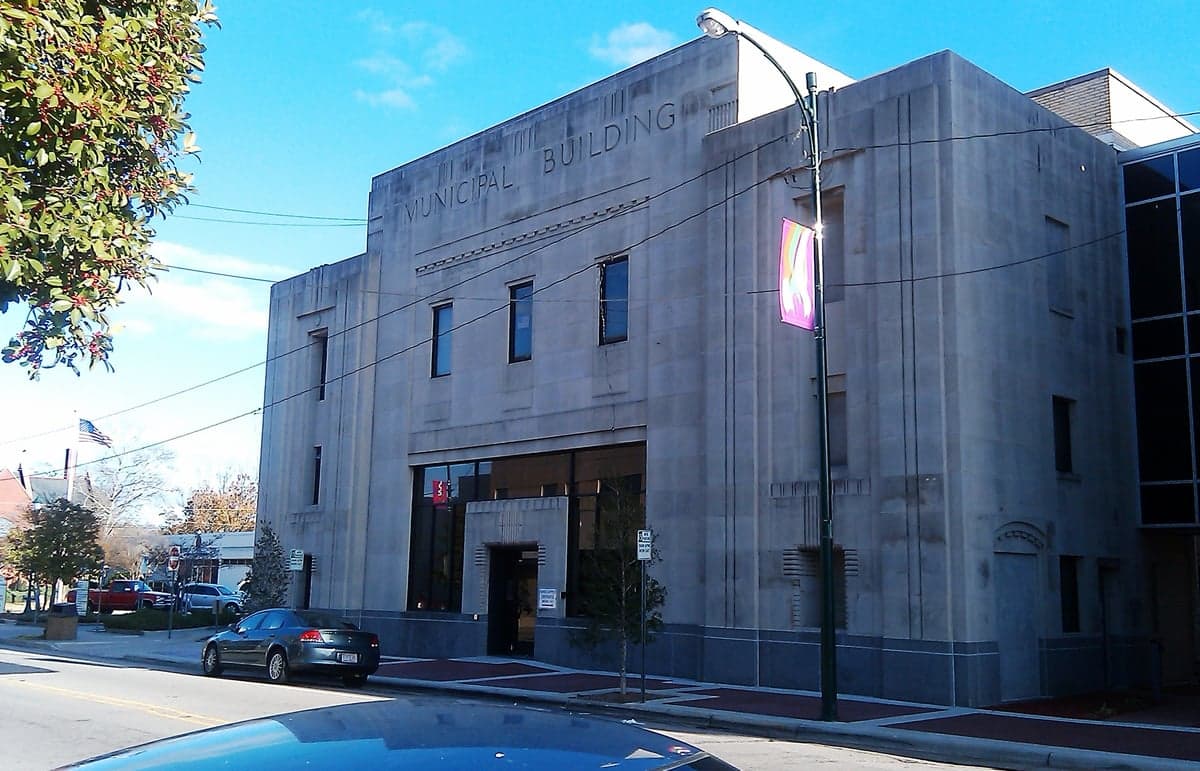
Photo: Wikipedia
Find The Best Places To Live
in Wilson
PRO TIP! You can paste a Zillow or Redfin link to get info on that property.
What It's Like Living in Wilson, NC
Wilson feels like a place where people know their neighbors and the pace of life slows down just enough to notice. It’s a small city of about 47,740 people in eastern North Carolina, with a working-class backbone and a quiet pride in its tobacco and farming roots. If you’re looking for a low-cost, low-hype place to raise a family or start a career without the sprawl of the Triangle, Wilson has a lot to offer — but it also comes with trade-offs that are worth knowing before you pack the truck.
Daily Rhythm and Who Fits In
Most days in Wilson start early. People commute an average of 21 minutes to work — short enough that you’re not burning gas or patience, but long enough that many residents work outside the city itself. The biggest employers are Bridgestone Metalpha (firestone hose plant), Wilson Medical Center, and the local school system. You’ll find a mix of warehouse workers, nurses, teachers, and small business owners. The median household income sits at $47,294, which goes a long way here because the cost of living is 25% below the national average. A median home value of $192,000 means a decent three-bedroom house is within reach for a lot of people who’d be priced out of Raleigh or Charlotte.
The kind of person who fits in Wilson is someone who values stability over flash. It’s not a place for nightlife seekers or people who need constant cultural stimulation. It works best for families, early-career professionals who want to build equity fast, and retirees who want a quiet, affordable base. The median age is 39.1, which tilts a bit older than the national average — you’ll see a lot of established households and fewer young singles than in a college town.
Sports, Weekends, and What People Actually Do
High school sports are the main event here. Fike High School and Hunt High School draw big crowds on Friday nights in the fall — think packed bleachers, booster club cookouts, and a genuine sense of community pride. There’s no pro or major college team in town, but East Carolina University in Greenville (about 45 minutes away) gives residents a nearby Division I option for football and basketball. On weekends, you’ll see families at Lake Wilson Park or the Wilson Botanical Gardens, which is a surprisingly well-kept spot for a quiet walk. The Whirligig Park downtown is the city’s most distinctive landmark — a collection of giant, colorful wind sculptures that spin in the breeze. It’s quirky, free, and hosts the North Carolina Whirligig Festival every November, which draws a few thousand people for live music, craft vendors, and food trucks.
For eating out, locals gravitate toward Parker’s Barbecue (a whole-hog Eastern NC institution) and Bill’s Hot Dogs for a cheap, no-frills lunch. Brewmasters is the go-to for craft beer and a casual hangout. If you want a nicer dinner, Farmacy does farm-to-table in a converted pharmacy building downtown. There’s a small but active arts scene — the Edna Boykin Cultural Center hosts plays and concerts, and the Wilson Symphony Orchestra puts on a few shows a year. It’s not Nashville or Durham, but it’s enough to keep a normal person entertained.
Pros and Cons of Living Here
- Pro: Affordability. A cost of living index of 75 means your paycheck stretches further than in almost any metro area. You can buy a home here on a single average salary.
- Pro: Commute. The average drive time is 21 minutes — you’re not stuck in traffic, and you can get to the grocery store or your kid’s school in five minutes.
- Pro: Community feel. People look out for each other. It’s the kind of place where your neighbor will bring over a casserole if you’re sick.
- Con: Crime. The violent crime rate is 477.3 per 100,000 residents — about 30% higher than the national average. Property crime is also a concern in certain parts of town, especially around the older neighborhoods near downtown.
- Con: Limited job diversity. If you’re not in healthcare, manufacturing, or education, you’ll likely need to commute to Raleigh (45 minutes west) or Greenville for work.
- Con: Entertainment ceiling. There’s no major concert venue, no pro sports, and not much for nightlife. You’ll drive to the Triangle for big events or date nights that go beyond a brewery.
Weather, Schools, and What Frustrates Locals
Summers in Wilson are hot and humid — think 90-degree days from June through August, with thunderstorms that pop up in the afternoon. Winters are mild, with occasional snow flurries that shut the town down for a day. Hurricane season (June through November) brings the occasional storm threat, but Wilson is far enough inland that it usually gets heavy rain and wind rather than catastrophic damage. The school system — Wilson County Schools — is a mixed bag. Some elementary schools are well-regarded, but the district overall struggles with funding and test scores compared to Wake County. Many families with means opt for private options like Greenfield School or Wilson Christian Academy. Schools are a common dinner-table frustration among longtime residents, especially parents who feel the system doesn’t get enough state support.
One cultural quirk: Wilson takes its tobacco heritage seriously. The old tobacco warehouses downtown have been repurposed into lofts and event spaces, and the Wilson Tobs (a collegiate summer baseball team) play at Fleming Stadium — a throwback ballpark that’s been around since 1939. It’s not fancy, but a Tobs game on a July evening with a hot dog and a beer is about as Wilson as it gets. Traffic is almost never a real problem — the worst you’ll face is a few minutes of congestion on Ward Boulevard during rush hour. For the right person, Wilson is a place where you can actually own a home, know your mailman, and not feel like you’re missing out. For someone who wants more options, more energy, or more career paths, it’ll feel too small. That’s the honest trade-off.

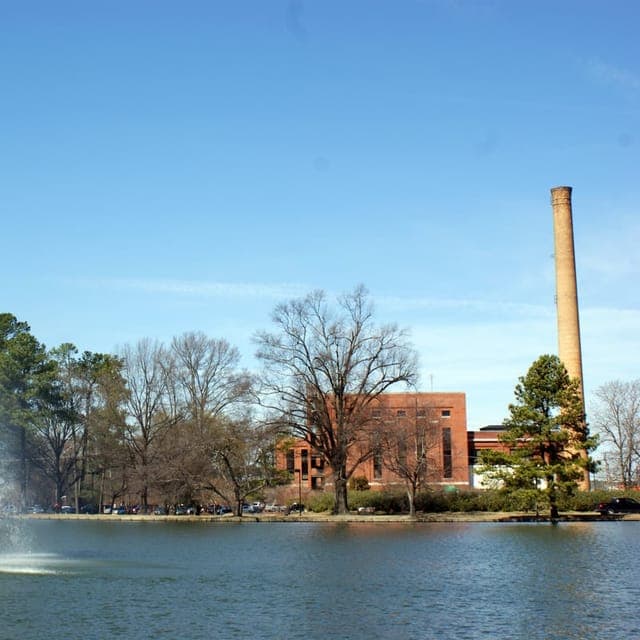
Similar towns to Wilson
* Values derived from national, state, county, city and local statistics and may differ in a specific area. Last updated: 2026-04-21T16:55:12.000Z
Narrative content on this page is AI-generated and may contain mistakes. Verify any details that matter before acting on them.
ReloMaps may earn a commission from affiliate links at no extra cost to you.

