 Popular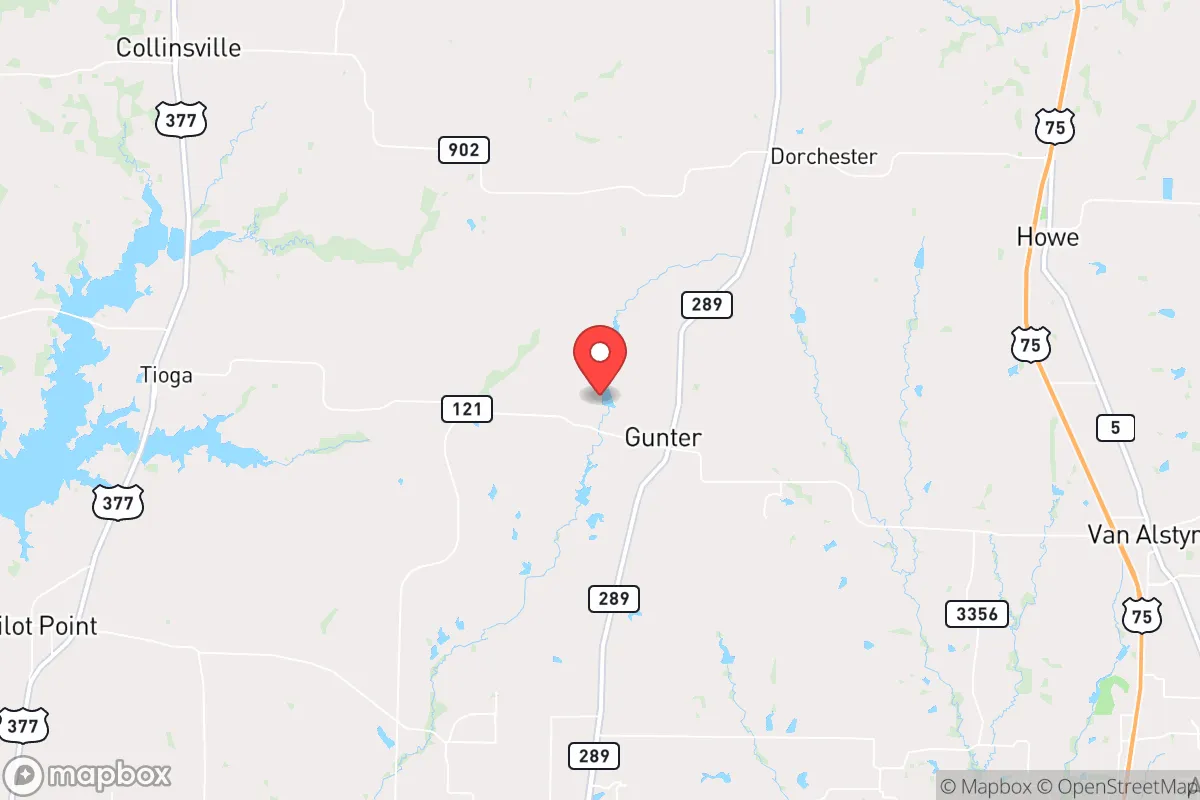
Political ClimatePolitical Climate in Gunter, TX
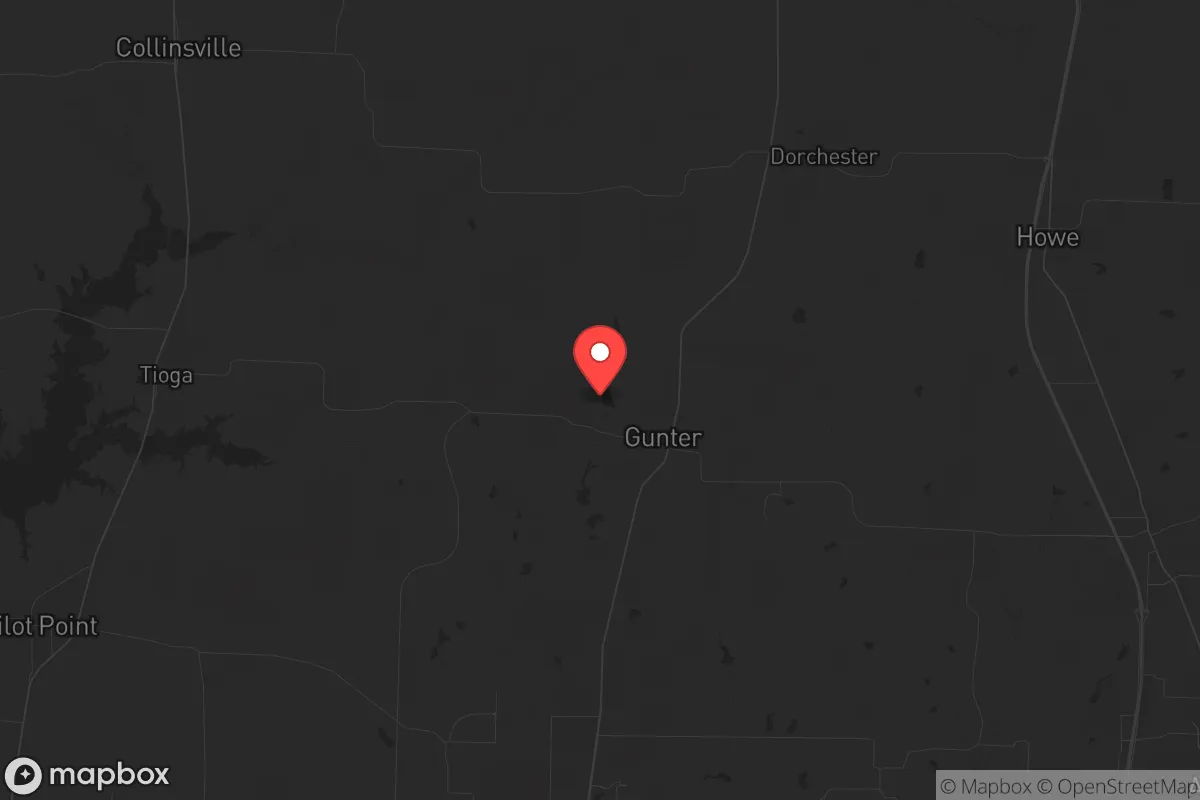
District shown is the primary district for this city’s centroid. Cities may span multiple districts.
Local Political AnalysisPolitical Analysis of Gunter, TX
Gunter, Texas, is about as solidly conservative as it gets, with a Cook PVI of R+16 that puts it deep in the red zone. That’s not just a number—it reflects a community where folks have long valued personal responsibility, limited government, and the freedom to live without a bunch of bureaucratic nonsense. The trajectory here has been steady, but I’ve seen a subtle shift over the last decade or so. More families are moving in from the Dallas-Frisco corridor, and while most of them are conservative too, you can feel the pressure of suburban growth creeping in. The local elections and school board races are still dominated by folks who believe in keeping government out of your backyard and your wallet, but you’ve got to keep an eye on it—because once progressive ideas get a foothold, they spread fast.
How it compares
When you stack Gunter against the rest of Texas, the difference is stark. The state as a whole has a Cook PVI of R+4, which is still conservative but a lot more purple than what you’ll find here. That R+4 reflects the influence of big cities like Houston, Dallas, and Austin, where progressive policies on taxes, zoning, and personal freedoms have taken hold. Gunter, by contrast, is a world apart. Drive 20 minutes south to McKinney or 30 minutes to Frisco, and you’ll see places that are still red but starting to flirt with blue-leaning policies—like higher property taxes and more regulations on everything from short-term rentals to what you can do on your own land. Up here in Gunter, we’re closer to the rural mindset of places like Van Alstyne or Whitesboro, where the attitude is “leave me alone and let me live my life.” The contrast is real, and it’s why a lot of folks are moving this way—to get away from the overreach they see creeping into the suburbs.
What this means for residents
For someone living in Gunter, the political climate means you’ve got a lot of breathing room. There’s no city council trying to tell you what kind of fence you can have or how many chickens you can keep. The local government is lean, and the tax burden is lighter than what you’d find in Collin County’s more developed towns. But here’s the thing—you can’t take it for granted. As more people pour in, there’s always a risk that the old-school values get diluted. I’ve seen it happen in other small towns where newcomers bring big-city ideas about “equity” or “sustainability” that sound nice but end up as mandates that restrict your property rights or jack up your taxes. The school board is a battleground for this—so far, it’s held the line on curriculum and parental rights, but you’ve got to stay involved. If you value personal freedom and don’t want the government meddling in your life, Gunter is still a stronghold, but it’s one that requires vigilance.
Culturally, Gunter holds onto a lot of the old Texas traditions—church potlucks, Friday night football, and neighbors who actually know your name. There’s no HOA telling you what color to paint your house, and the local sheriff’s office is more about community than enforcement. The policy distinctions are clear: lower taxes, fewer regulations, and a general distrust of any government program that promises to “help” by taking more control. If you’re looking for a place where you can raise a family without the state breathing down your neck, this is it. But keep your ears open—because the winds of change are blowing, and it’s up to the people who live here to make sure Gunter stays Gunter.

State Political ClimatePolitical Climate in Texas
State Political AnalysisPolitical Environment in the State
Texas has been a reliably red state for decades, with a Cook Partisan Voting Index of R+4, but the political landscape is more nuanced than a simple label suggests. The dominant coalition remains conservative, driven by rural and exurban voters, but the 10-20 year trajectory shows a slow but steady shift toward competitiveness, especially in the fast-growing suburbs around Houston, Dallas, San Antonio, and Austin. The state GOP still holds every statewide office and both legislative chambers, but the margin of victory in presidential races has narrowed from double digits in 2012 to single digits in 2020 and 2024, signaling that the old solid-red foundation is cracking in places like Collin County and Fort Bend County.
Urban vs. rural divide
The political map of Texas is a tale of two landscapes. The major metros—Houston, Dallas-Fort Worth, San Antonio, and especially Austin—are increasingly blue or purple, with Democratic strongholds in the urban cores and inner suburbs. Austin is the most liberal city in the state, a deep blue island surrounded by red counties. El Paso, far west, is reliably Democratic thanks to its heavily Hispanic population and union history. Meanwhile, rural and small-town Texas remains deeply conservative: Lubbock, Midland, Tyler, and Waco vote Republican by massive margins. The Rio Grande Valley, once a Democratic bastion, has been trending red in recent cycles, with counties like Starr and Hidalgo flipping to Trump in 2020 and 2024. The real battleground is the outer ring of suburbs—places like Round Rock, Georgetown, and Frisco—where educated, affluent newcomers from blue states are slowly shifting the partisan balance. A new resident moving to Texas needs to understand that your vote matters a lot more in Williamson County than it does in Loving County.
Policy environment
Texas offers a policy environment that generally aligns with conservative values, but it comes with trade-offs. There is no state income tax, a major draw, but property taxes are among the highest in the nation to compensate. The regulatory posture is business-friendly, with minimal red tape and a right-to-work law that keeps unions weak. Education policy has been a flashpoint: the state has expanded charter schools and is pushing school choice vouchers, though rural Republicans have blocked full passage. The Texas Heartbeat Act (SB 8) effectively banned abortion after six weeks in 2021, and a trigger law now bans it entirely with narrow exceptions. Healthcare remains a gap—Texas has not expanded Medicaid, leaving many low-income adults uninsured. Election laws tightened with SB 1 in 2021, restricting drop boxes, limiting drive-thru voting, and adding ID requirements for mail ballots. For a conservative-leaning family, the policy environment is largely favorable, but the high property tax burden and lack of Medicaid expansion can be practical concerns.
Trajectory & freedom
On balance, Texas has been expanding personal freedom in several key areas over the last five years, but there are worrying signs of government overreach. Permitless carry (HB 1927) passed in 2021, allowing most adults to carry a handgun without a license—a clear win for gun rights. Parental rights in education were strengthened by HB 900, which requires schools to rate library books for "sexually explicit" content and obtain parental consent for access. The state also banned critical race theory in public schools and restricted how teachers can discuss race and gender. On medical autonomy, Texas banned gender transition procedures for minors (SB 14) and restricted abortion entirely. Property rights remain strong, though eminent domain battles with pipeline companies still occur. The concerning side: property taxes keep rising, and the state's heavy reliance on local property taxes means government can still take a big bite out of your income indirectly. Also, some local governments in blue cities have imposed mask mandates or vaccine requirements that conflict with state law, creating a patchwork of freedom depending on where you live. Overall, Texas is moving in a freer direction on guns, education, and medical consent, but watch out for local overreach in Austin and Houston.
Civil unrest & political movements
Texas has seen its share of political flashpoints. The 2020 Black Lives Matter protests in Austin, Dallas, and Houston were large and sometimes violent, leading to property damage and a lasting sense of insecurity in some downtown areas. On the right, the Texas GOP has become more activist, with the 2022 party platform calling for secession and a referendum on leaving the Union—rhetoric that remains fringe but loud. Immigration politics dominate the border region: Governor Abbott launched Operation Lone Star, deploying state troopers and National Guard to the border, and began busing migrants to sanctuary cities like New York and Chicago. El Paso and the Rio Grande Valley have been ground zero for these tensions, with local officials often clashing with state directives. Election integrity remains a hot topic; the 2020 audit in Harris County and ongoing lawsuits over voting procedures keep the issue alive. A new resident will notice the heavy law enforcement presence along the border and the constant political ads about immigration and crime. The state is not in civil war, but the cultural divide is real and visible in everything from school board meetings to highway billboards.
Projection
Over the next 5-10 years, Texas will likely remain under Republican control, but the margins will continue to tighten. Demographic shifts are the key driver: the Hispanic population is growing and trending more conservative in the Valley, but in-migration from California, New York, and Illinois is bringing progressive voters to the suburbs of Dallas, Houston, and Austin. The state's fast-growing cities will become more Democratic, while rural areas will stay deeply red. This means statewide races could become competitive again—think 2018-level close. The state legislature will likely pass more conservative bills on school choice, border security, and election integrity, but with narrower majorities. Property tax reform will remain a perennial issue, and the state may finally have to address Medicaid expansion if federal pressure increases. For a conservative-leaning family moving in now, expect a decade of continued culture wars, but also a strong economy and low taxes. The key is to choose your county wisely—rural and exurban areas will remain safe havens for traditional values, while the inner suburbs will become more purple and contentious.
Bottom line for a new resident: Texas still offers a favorable environment for those who value limited government, low taxes, and personal freedom, but it's not a monolith. Your experience will vary dramatically depending on whether you settle in Lubbock, Round Rock, or Austin. Pay attention to local elections, especially school boards and county commissions, because that's where the real battles over freedom and overreach are happening. Texas is still a great place to raise a family and build a business, but the political climate is shifting, and the days of taking the state's conservatism for granted are over.
* Values derived from national, state, county, city and local statistics and may differ in a specific area. Last updated: 2026-05-11T17:42:34.000Z
Narrative content on this page is AI-generated and may contain mistakes. Verify any details that matter before acting on them.
ReloMaps may earn a commission from affiliate links at no extra cost to you.

