Photo: Wikipedia
Strategic Assessment of Kauai County
Workable tactical position. Some exposure to population density or targets, but generally defensible in a crisis.
What does the Strategic Assessment tell us?
Our Strategic Assessment grades tactical survivability of an area. Major population centers, military targets, fallout zones, natural disasters, and border exposure all drive risk — lower exposure means a more defensible position in a crisis.
This is heavily inspired by Joel Skousen's Strategic Relocation book. Highly recommended you checkout the book ($)What does this tell us?
Our Strategic Assessment grades tactical survivability of an area. Major population centers, military targets, fallout zones, natural disasters, and border exposure all drive risk — lower exposure means a more defensible position in a crisis.
This is heavily inspired by Joel Skousen's Strategic Relocation book. Highly recommended you checkout the book ($)Strategic Pillars

Key Distances
Strategic Assessment Analysis
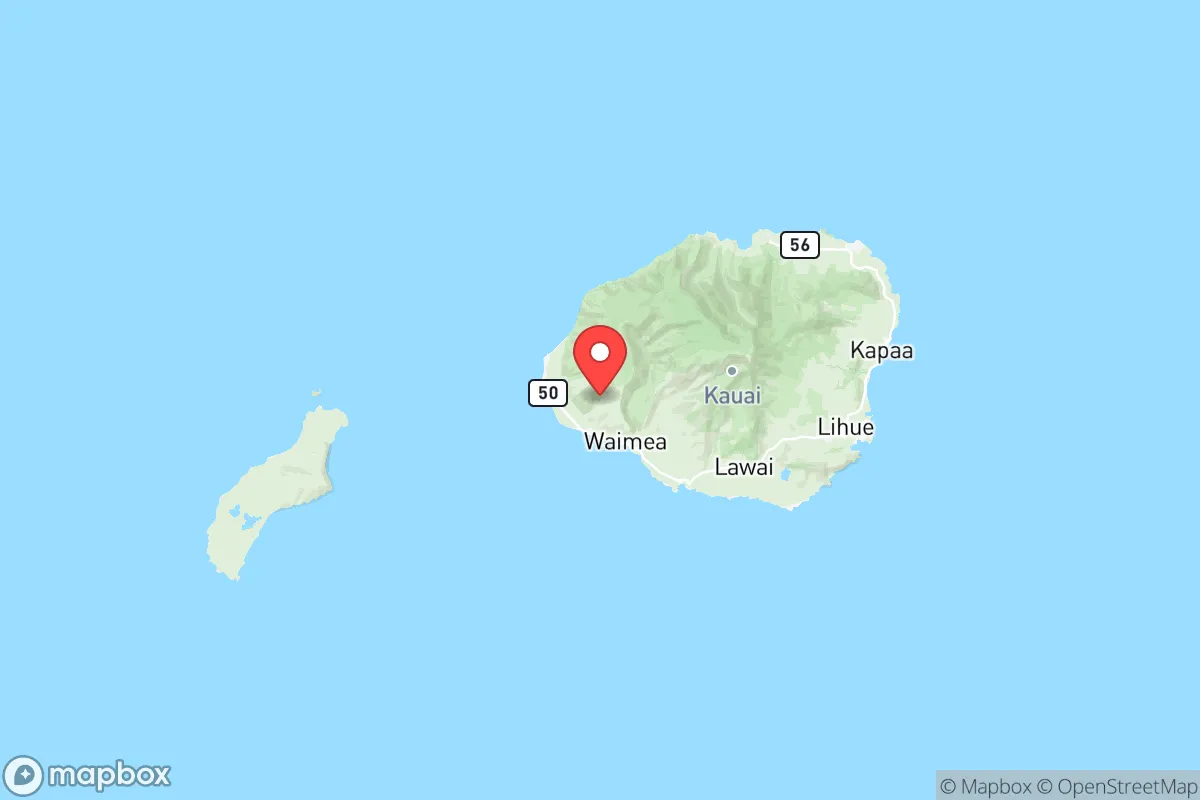
Kauai County offers a rare combination of geographic isolation and natural resilience that makes it a compelling option for those prioritizing strategic relocation. As the northernmost major island in the Hawaiian chain, Kauai sits roughly 100 miles from Oahu and over 2,500 miles from the U.S. mainland, placing it far outside the immediate fallout zones of any mainland conflict or industrial catastrophe. The county's single main town, Lihue, anchors a population of around 73,000, while smaller communities like Hanalei, Kapaa, and Waimea dot the coastline, each offering distinct advantages in terms of defensibility and resource access.
Geographic isolation and natural defensive advantages of Kauai County
Kauai's position in the central Pacific acts as a natural buffer against the cascading effects of a mainland collapse or mass casualty event. There are no land borders, no contiguous highways leading to crisis zones, and no major interstate traffic corridors funneling displaced populations onto the island. The only points of entry are Lihue Airport and the small harbors at Nawiliwili and Port Allen, all of which are easy to monitor and control in a crisis. The island's rugged interior, dominated by the Mount Waialeale massif and Kokee State Park, provides high-ground refuges with limited access routes, making it possible to secure a defensible position if needed. For a relocator with a prepper mindset, these natural chokepoints represent a significant strategic advantage over any mainland location.
Risks and exposure factors: what to watch for in a crisis scenario
No location is without vulnerabilities, and Kauai has several that a strategic relocator must weigh carefully. The most significant is the Pacific Missile Range Facility at Barking Sands on the island's western side. This is a major U.S. Navy installation involved in missile tracking and space operations, which in a conflict scenario could become a high-value target. While Kauai lacks the refinery corridors and nuclear plants found on the mainland, its dependence on imported fuel and supplies means any disruption to shipping lanes — whether from military action, natural disaster, or geopolitical instability — would hit the island hard within weeks. Additionally, the island's position in the Pacific places it in the path of tsunami waves generated by subduction zone earthquakes along the Aleutian or Japan trenches, though warning systems and evacuation routes are well established. For the conservative-minded relocator, the risk profile here is dominated not by proximity to urban unrest or industrial fallout, but by exposure to military targeting and supply chain fragility.
Practical resilience: food, water, energy, and defensibility for daily life
For a single individual or family looking to build a sustainable off-grid existence, Kauai offers a mixed picture. Water security is excellent — Mount Waialeale receives over 450 inches of rainfall annually, making it one of the wettest spots on earth, and many rural properties rely on rainwater catchment systems. The county also has abundant surface water in streams and rivers, though access rights can be complex. Food resilience is moderate but improvable. The island has a strong agricultural tradition — taro, sweet potatoes, tropical fruits, and fish are all available — but the local food system currently supplies only a fraction of what the population consumes. A relocator with land and gardening skills could achieve meaningful self-sufficiency, particularly in the wetter northern areas around Hanalei or the drier western side near Waimea where soils are fertile. Energy remains the weak link. Kauai's grid is largely powered by imported petroleum and a small amount of solar and hydro, but a determined household can install off-grid photovoltaic systems with battery storage — the sun is consistent enough to make this viable. Community integration is the wild card. Kauai's population is tight-knit, and outsiders who arrive with a prepper attitude rather than a cooperative one may find themselves isolated. The most defensible posture here is one of quiet self-sufficiency combined with good neighbor relations.
The overall strategic picture for Kauai County is one of high reward balanced against significant logistical risk. Its isolation from mainland unrest, natural water abundance, and limited entry points make it one of the few U.S. locations where a determined relocator could genuinely weather a long-term disruption. But that same isolation creates a hard dependency on supplies and fuel that cannot be fully mitigated without substantial capital and land. For the conservative-minded individual or family with the resources to buy acreage, install solar, develop a catchment system, and establish a food garden, Kauai represents a serious option. It is not a retreat for those looking to ride out a short-term crisis — it is a long-term reclamation project that requires planning, capital, and a willingness to adapt to island life on its own terms.

* Values derived from national, state, county, city and local statistics and may differ in a specific area. Last updated: 2026-06-03T05:30:38.000Z
Narrative content on this page is AI-generated and may contain mistakes. Verify any details that matter before acting on them.
ReloMaps may earn a commission from affiliate links at no extra cost to you.

