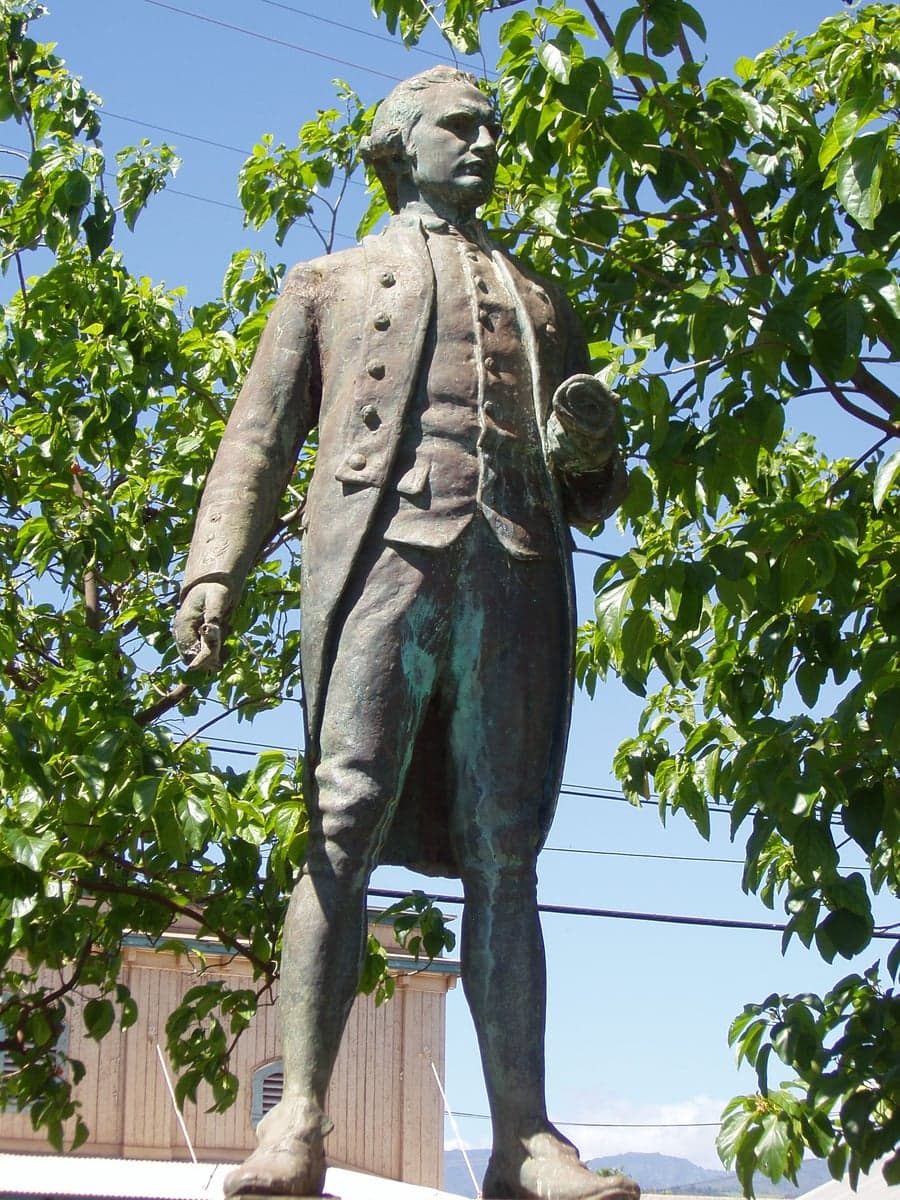
Photo: Wikipedia
Quality of Life in Kauai County
A livable area that tracks near national norms for affordability, walkability, and neighborhood health.
What does Quality of Life tell us?
Quality of Life measures an area by evaluating factors like cost of living, nearby amenities, country club access, airport proximity, socioeconomic signals and neighborhood character. For large states, this is a general average — quality of life can vary dramatically between metro areas, suburbs, and rural communities within the same state.
What does this tell us?
Quality of Life measures an area by evaluating factors like cost of living, nearby amenities, country club access, airport proximity, socioeconomic signals and neighborhood character. For large states, this is a general average — quality of life can vary dramatically between metro areas, suburbs, and rural communities within the same state.
Cost of Living
109% above national average
57%
The Real Cost of Living in Kauai County for 2026
| Tier | Individual | Family (4) |
|---|---|---|
| Survival | $29k | $54k |
| Comfortable | $112k | $164k |
| Luxury | $164k+ | $254k+ |
| Elite (Top 5%) | $192k+ | $298k+ |
Quality-of-Life Analysis
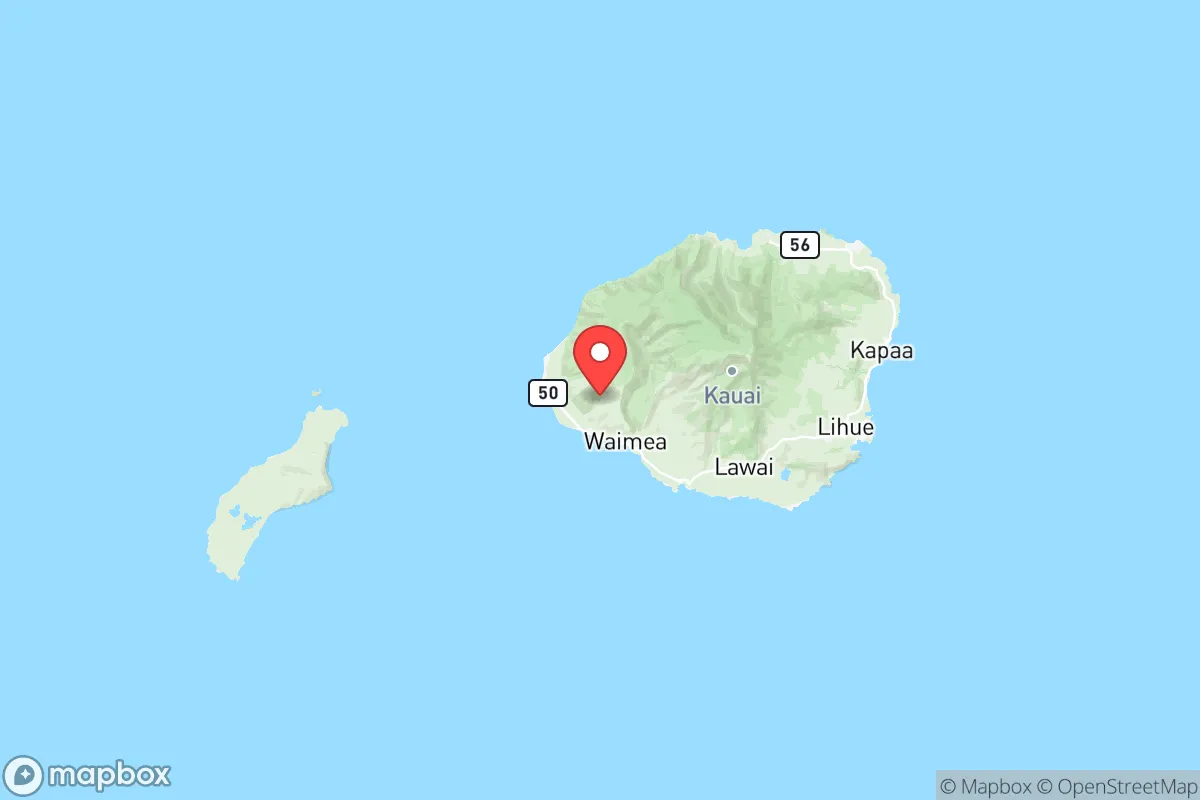
Kauai County, encompassing the entire Garden Isle, offers a quality-of-life spectrum that ranges from the modest commercial hub of Lihue to the rural, off-grid communities of the North Shore and the agricultural heartland of the west side. The county's character is defined by a deep connection to the land and ocean, drawing residents who prioritize natural beauty and a slower pace over urban convenience. People are typically drawn to specific parts of the island based on their tolerance for isolation, access to jobs, and budget, with the county's overall cost of living index at 209—more than double the U.S. average.
Largest town(s) & population centers
The primary population and commercial center is Lihue, the county seat, which anchors daily life for most working residents. Lihue is home to the island's main airport (LIH), the largest shopping center (Kukui Grove), and the majority of government and healthcare services. Daily life here is more car-dependent and suburban in feel than elsewhere on the island, with a median commute of just under 22 minutes. The adjacent town of Kapaa, on the east side, is the island's most densely populated residential area, offering a mix of local eateries, surf shops, and a more walkable stretch along the Kapaa Bike Path. Both towns provide the widest range of rental options, with the county's median rent at $1,810, though finding a unit under that figure is increasingly difficult.
Smaller towns & rural pockets
Beyond the east-side corridor, Kauai's character shifts dramatically. Hanalei, on the North Shore, is a picturesque, flood-prone town known for its taro fields and dramatic mountain backdrop, attracting a mix of wealthy second-home owners and long-time surfers. Further north, Haena is one of the most remote communities in the state, accessible only beyond the end of the paved road and requiring a reservation to enter via the Kuhio Highway. On the west side, Waimea and Kekaha are historic plantation towns with a more local, working-class feel, offering lower home prices but fewer services. The interior of the island, including areas like Kilauea and Anahola, consists of scattered homesteads and agricultural subdivisions where residents often rely on rainwater catchment and solar power.
Cost & lifestyle range
The cost of living varies significantly across the county, though nowhere is cheap. The median home value countywide is $817,900, but this figure masks a wide spread. At the high end, North Shore properties in Hanalei and Princeville routinely exceed $1.5 million, with many oceanfront lots selling for several million. At the lower end, the west side towns of Waimea and Kekaha offer the most affordable single-family homes, often in the $500,000–$700,000 range, though these areas are hotter and drier, with fewer dining and entertainment options. Renters face a tight market: a one-bedroom in Kapaa or Lihue typically runs $1,600–$2,200, while a similar unit in Hanalei can exceed $3,000. The lifestyle trade-off is clear: east-side residents gain convenience and shorter commutes, while North Shore and west-side residents trade access for space, privacy, and raw natural surroundings.
Kauai County is best suited for those who can afford its premium on isolation and natural beauty. Remote workers with mainland salaries, retirees with significant savings, and locals who have inherited family land are the groups most likely to thrive here. The island offers little in the way of nightlife or career advancement outside of tourism, healthcare, and government, but for those who value daily access to uncrowded beaches, hiking trails, and a tight-knit community, the trade-offs are worth the cost.

Crime in Kauai County
Generally safer than 62% of comparable U.S. locations.
Violent CrimeViolent Crime Analysis
Property CrimeProperty Crime Analysis
Crime Analysis
Kauai County, the Garden Isle, reports a violent crime rate of 215 incidents per 100,000 residents and a property crime rate of 1,680 per 100,000. While these figures place Kauai in the middle range for Hawaii counties, the island’s small-town character means that crime patterns are heavily influenced by a handful of tourist-heavy corridors and, notably, by the progressive judicial philosophy in the state’s courts. Visitors and residents alike should understand how local prosecutorial and sentencing policies affect safety, especially in areas like Lihue, Kapaa, and Hanalei.
Crime in context
Kauai’s violent crime rate of 215 per 100K is roughly 60% higher than the national median for rural counties, though still below the Hawaii statewide average of about 250 per 100K. Property crime at 1,680 per 100K is significantly elevated—nearly double the national property crime rate for similar-sized jurisdictions. Much of this gap is tied to Hawaii’s lenient criminal justice reforms. The state’s judiciary, including Kauai’s Fifth Circuit Court based in Lihue, has shifted toward a progressive “restorative justice” framework that emphasizes diversion and reduced sentencing for non-violent property offenders. In practical terms, this means repeat theft and drug-related burglary suspects are frequently released on low bail or sent to treatment programs instead of jail, which directly emboldens property crime cycles in tourist zones. By contrast, neighboring Maui County (which retains more conservative sentencing norms in its Wailuku courthouse) posts lower property crime rates relative to its visitor volume.
What residents experience
Daily life on Kauai is shaped by the island’s dual reality: quiet residential neighborhoods interspersed with concentrated crime nodes. Lihue, the county seat and site of the main district court, sees the highest volume of both reported thefts and drug-related arrests. The Kapaa town corridor along Kuhio Highway is a hotspot for vehicle break-ins and package theft, especially near the popular Coconut Marketplace shopping center. Conversely, the north shore communities of Hanalei and Princeville enjoy significantly lower incident rates, partly due to higher property values and smaller transient populations—but even there, unlocked rental cottages are frequent targets when visitors leave windows open. The west-side town of Waimea, historically quieter, has seen a uptick in petty crime linked to the island’s growing homeless population, many of whom cycle through the court system without facing meaningful detention. Residents often report that calling police about a stolen kayak or shed burglary results in a report number but no follow-up arrest because the same suspects are back on the street within days.
Neighborhood-level variation
Within Kauai’s 620 square miles, safety varies sharply by location and by the responsiveness of local law enforcement. The Lihue Judicial District, which handles most felony filings, operates under what critics describe as a “catch-and-release” approach for property criminals. Defendants charged with third-degree theft (under $750) are routinely offered deferred pleas; even repeat offenders for vehicle theft face minimal jail time. This creates a stark contrast with the Hanapepe and Eleele precincts on the south shore, where the police department’s proactive community patrols have kept burglary rates roughly 30% below the county average. Meanwhile, the resort enclave of Poipu has invested in private security and gated access, which deters many opportunistic thieves but does not eliminate incidents. For those considering relocation, the safest residential choices are generally the rural upcountry areas like Kilauea and Wainiha—but even there, progressivism in the countywide court system means no neighborhood is fully insulated from the effects of soft-on-crime policies. Anyone moving to Kauai should budget for security cameras, locking vehicle gates, and comprehensive property insurance, as the judicial environment provides little deterrent for determined offenders.
* Values derived from national, state, county, city and local statistics and may differ in a specific area. Last updated: 2026-06-03T05:30:38.000Z
Narrative content on this page is AI-generated and may contain mistakes. Verify any details that matter before acting on them.
ReloMaps may earn a commission from affiliate links at no extra cost to you.

