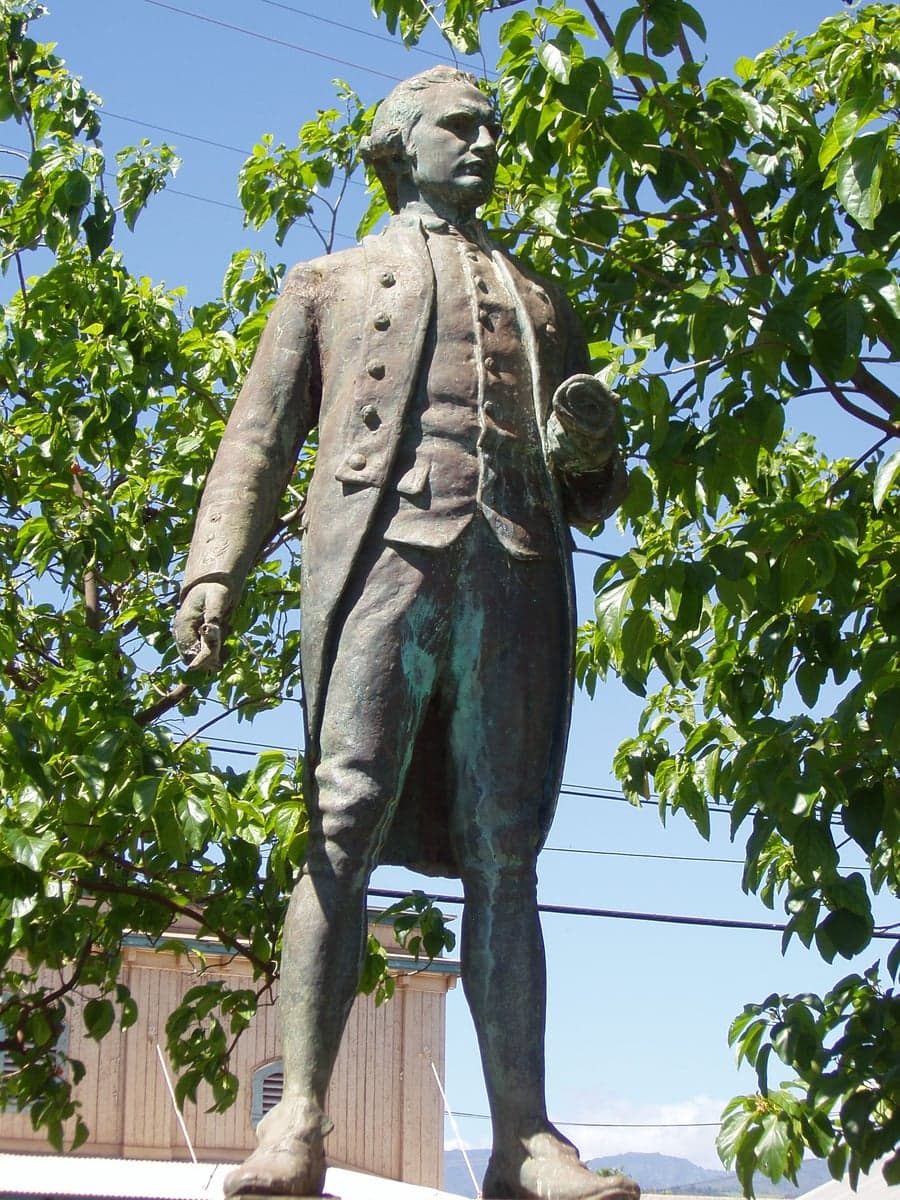
Photo: Wikipedia
Political ClimatePolitical Climate in Kauai County
Showing district-level results — no local-only data available.
Local Political AnalysisPolitical Analysis of Kauai County
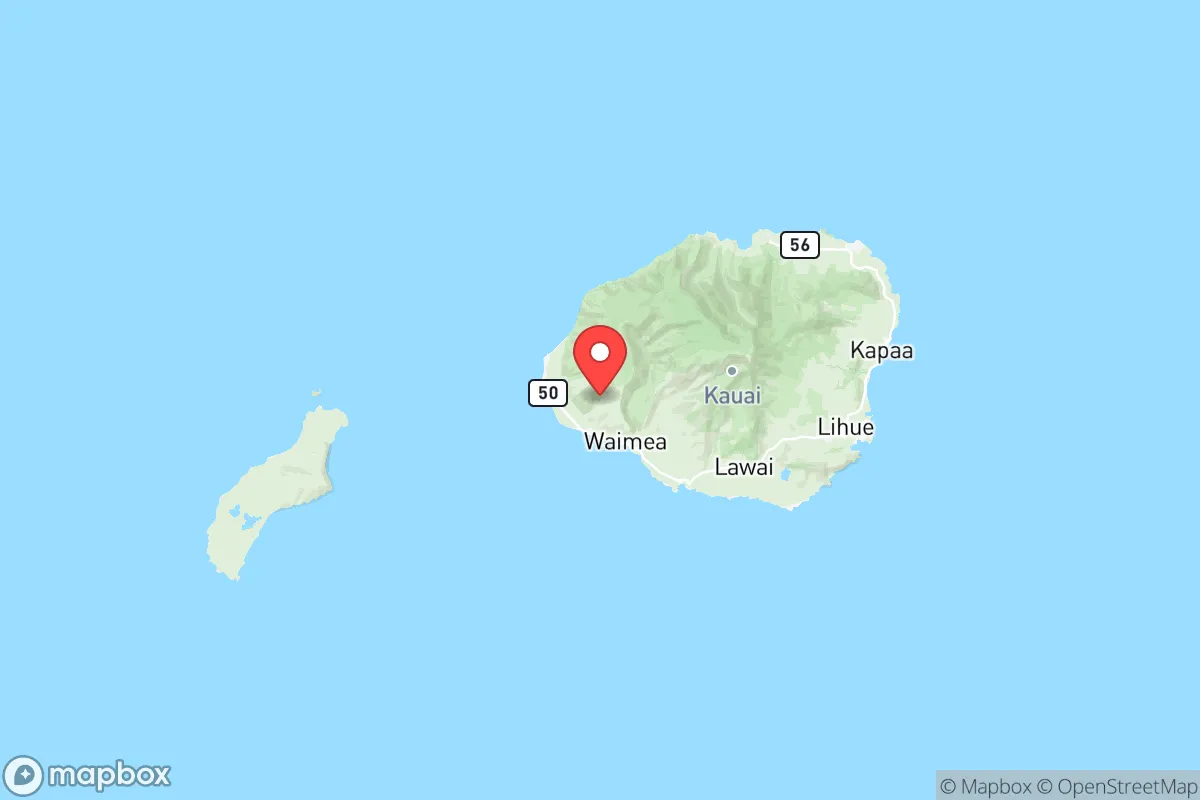
Kauai County leans left overall with a Cook PVI of D+12, meaning it typically votes 12 points more Democratic than the national average, but don't let that number fool you—this island has real conservative pockets if you know where to look. The North Shore towns like Hanalei and Princeville are deep blue, driven by transplants from California and wealthy second-home owners who push environmental regulations and land-use restrictions. Head west, though, and places like Waimea and Kekaha tell a different story—working-class communities built around agriculture and the military that tend to vote Republican or at least split tickets. The swing precincts are in the central corridor, especially around Lihue and Kapaa, where local families and government employees make the race competitive in lower-turnout elections.
How it compares
Compared to the rest of Hawaii, Kauai’s D+12 PVI actually makes it slightly more conservative than Oahu’s urban core, which runs closer to D+18 or D+20 in some Honolulu districts. The state’s overall PVI is unknown in the latest data, but statewide elections here are dominated by the Democratic machine that controls everything from water permits to school curriculum. Kauai, however, has a stronger independent streak—we’ve got a higher share of gun owners per capita than any other island, and there’s real pushback against the state’s top-down housing mandates and renewable energy deadlines. The contrast is sharpest in local county council races, where candidates from the Westside can win on platforms of fiscal restraint and property rights, something you’d never see in Honolulu proper.
What this means for residents
If you’re thinking of moving here, the practical effect of this political climate hits your wallet and your freedoms directly. The county’s progressive majority has steadily tightened rules on short-term vacation rentals, which can strangle your ability to earn income from your property—even if you’ve owned it for decades. Property taxes are creeping up not because of local demand, but because the state keeps forcing counties to fund unfunded mandates like universal pre-K and climate adaptation plans. On the flip side, Kauai still has fewer traffic enforcement cameras and less restrictive zoning than Oahu, so there’s breathing room if you’re willing to get involved in local politics. The real threat is the long-term trend: every year, more mainland transplants flood into Kapaa and Koloa, shifting the electorate further left and making it harder to stop the next round of beach access closures or pesticide bans that hurt farmers.
The cultural distinction that keeps Kauai from tipping fully into progressive lockstep is the strong presence of the military community—Pacific Missile Range Facility near Kekaha employs hundreds of conservative-leaning families—and the lingering influence of plantation-era family values that still prioritize individual responsibility over government solutions. Locals here remember when county council meetings were about fixing potholes, not debating gender ideology in elementary schools. That’s changing, but slower than in the rest of the state. For now, if you want a place where you can still own a hunting rifle without a state registry and push back against a bike lane that eats up your street parking, the Westside and rural parts of Kauai offer that option. Just don’t expect it to last another decade unless enough of us show up to vote.

State Political ClimatePolitical Climate in Hawaii
State Political AnalysisPolitical Environment in the State
Hawaii has been a one-party Democratic state for decades, but don’t let the blue veneer fool you—the political climate here is more complicated than the mainland’s red-blue map suggests. The state leans heavily Democratic at the federal level, with both U.S. Senate seats and all four House seats held by Democrats, and the state legislature has supermajorities in both chambers. However, the real story is the growing tension between the progressive urban core of Honolulu and the more conservative, rural outer islands, a divide that has widened significantly over the past 10-20 years as cost-of-living pressures and government overreach have pushed many locals to question the status quo.
Urban vs. rural divide
The political map of Hawaii is essentially a tale of two worlds. Honolulu on Oahu is the engine of Democratic power—home to the state government, the University of Hawaii, and a dense, diverse population that reliably votes blue by 30-40 point margins. The city’s politics are driven by public-sector unions, environmental activists, and a progressive base that supports high taxes, strict land-use regulations, and expansive social programs. In contrast, the Neighbor Islands—Hawaii Island (the Big Island), Maui, and Kauai—are far more politically mixed. The Big Island’s rural districts, like Puna and Hilo, have a libertarian streak, with a strong homesteading and off-grid movement that resists government intrusion. Kauai’s North Shore leans progressive, but the island’s agricultural west side, around Waimea, votes more conservatively. Maui’s Upcountry, around Kula and Makawao, is a notable conservative pocket, with a ranching and farming culture that feels increasingly alienated from Honolulu’s policies. The 2022 gubernatorial election saw Republican candidate Duke Aiona win 33% of the vote statewide, but he carried 45% on the Big Island and 40% on Kauai, highlighting the urban-rural split.
Policy environment
Hawaii’s policy environment is a mixed bag for conservatives, with some bright spots but a lot of red tape. The state’s tax burden is among the highest in the nation—income taxes top out at 11%, property taxes are moderate, but the general excise tax (GET) of 4% on nearly everything, including services, hits everyone hard. There is no statewide property tax on owner-occupied homes, but counties levy their own rates, and Honolulu’s are steep. Regulatory overreach is a major concern: the state’s land-use commission controls zoning across all islands, making it nearly impossible to build new housing or businesses without years of permitting. Education policy is dominated by a single statewide school district, the Hawaii Department of Education, which is notoriously bureaucratic and underperforming—only about 50% of students are proficient in reading and math. School choice is limited, though charter schools and private options exist. Election laws are relatively secure: Hawaii has universal mail-in voting, but voter ID is not required, which raises integrity concerns among conservatives. The state also has some of the strictest gun laws in the country, including a 14-day waiting period and a ban on assault weapons, which many locals see as an infringement on Second Amendment rights.
Trajectory & freedom
Over the past decade, Hawaii has moved decisively toward less personal freedom, particularly in the areas of property rights, gun rights, and medical autonomy. The 2021 passage of Act 1, which legalized recreational marijuana, was a rare libertarian win, but it was overshadowed by the state’s aggressive COVID-19 response, which included some of the nation’s longest lockdowns, a mandatory 14-day quarantine for travelers, and a vaccine passport system that effectively barred unvaccinated visitors from restaurants and gyms. Gun rights have been steadily eroded: in 2022, the legislature passed a law requiring a permit to purchase any firearm, and in 2023, they banned the open carry of firearms in most public places, even for permit holders. Parental rights are under threat: the state’s Department of Education has implemented policies that allow students to change their gender identity on school records without parental consent, and a 2023 law expanded access to gender-affirming care for minors, overriding parental authority. Property rights are also constrained: the state’s rent control laws, passed in 2022, cap annual rent increases at 5% plus inflation, which has discouraged new housing construction and exacerbated the affordability crisis. The trajectory is clear: more government control, less individual liberty.
Civil unrest & political movements
Hawaii has a history of civil unrest, but it’s often framed through an indigenous rights lens rather than a traditional left-right divide. The Thirty Meter Telescope (TMT) protests on Mauna Kea from 2015-2019 were a major flashpoint, with Native Hawaiian activists and their allies blocking construction, leading to hundreds of arrests and a statewide debate over land rights and scientific progress. More recently, the 2023 Lahaina wildfires on Maui sparked protests over the government’s response, with residents accusing officials of negligence and a lack of transparency. Sanctuary policies are a growing issue: Hawaii is a sanctuary state, with a 2019 law prohibiting state and local law enforcement from cooperating with federal immigration authorities, which has led to tensions with the Trump administration. Election integrity concerns have been relatively muted, but the 2020 election saw a surge in mail-in ballots, and some conservative groups have raised questions about signature verification and ballot harvesting. Secessionist rhetoric is present but fringe, with groups like the Hawaiian Kingdom movement advocating for independence, though they have little political power. The most visible political movements are the progressive grassroots organizations like the Hawaii Alliance for Progressive Action, which push for higher taxes and stricter environmental regulations, and the conservative Hawaii Republican Party, which is small but vocal, particularly on the Big Island and Kauai.
Projection
Over the next 5-10 years, Hawaii is likely to become more progressive and more restrictive, driven by demographic trends and in-migration patterns. The state’s population is aging and declining—it lost about 10,000 residents between 2020 and 2023—and those leaving are disproportionately middle-class families and conservatives, who are fleeing the high cost of living and government overreach. Those moving in are often wealthy retirees from California and the Pacific Northwest, who bring progressive voting habits and support for higher taxes and stricter regulations. The Democratic supermajority is unlikely to be challenged, as the state’s single-district system and lack of competitive races discourage Republican investment. Expect more gun control, more rent control, and more environmental restrictions, including a likely ban on short-term vacation rentals statewide. The affordability crisis will worsen, as the state’s land-use policies and high taxes continue to suppress housing supply. For a conservative moving in now, the next decade will feel like a slow-motion squeeze: more government in your life, less freedom to make your own choices, and a political culture that increasingly views traditional values as suspect.
Bottom line for a new resident: If you’re considering a move to Hawaii, understand that you are moving to a state where the government is deeply involved in your daily life—from what you can build on your property to how you can defend your family. The natural beauty and aloha spirit are real, but the political climate is increasingly hostile to conservative values. If you value personal freedom, low taxes, and limited government, you’ll find yourself swimming against a strong current. The best bet for a conservative is to look at the rural areas of the Big Island or Kauai, where the libertarian streak is strongest, but even there, the long-term trend is toward more state control. Come for the beaches, but be prepared for the bureaucracy.
* Values derived from national, state, county, city and local statistics and may differ in a specific area. Last updated: 2026-06-03T05:30:38.000Z
Narrative content on this page is AI-generated and may contain mistakes. Verify any details that matter before acting on them.
ReloMaps may earn a commission from affiliate links at no extra cost to you.

