Photo: Wikipedia
Political ClimatePolitical Climate in Herndon, VA
District shown is the primary district for this city’s centroid. Cities may span multiple districts.
Local Political AnalysisPolitical Analysis of Herndon, VA
Herndon, Virginia, leans heavily Democratic, with a Cook PVI of D+18, meaning the town votes about 18 points more Democratic than the national average. That’s a stark shift from even a decade ago, when the area was more of a purple patch—you’d see a mix of signs for both parties in yards, and folks at the local coffee shop could have a civil debate over taxes or zoning. Now, it’s a solid blue stronghold, and the trajectory feels like it’s accelerating leftward, especially with the influx of tech workers and federal contractors who tend to favor progressive policies. If you’re a conservative, you might feel like you’re watching the town’s character get reshaped by a one-party mindset, where dissent on things like school curriculum or housing mandates gets brushed aside as outdated.
How it compares
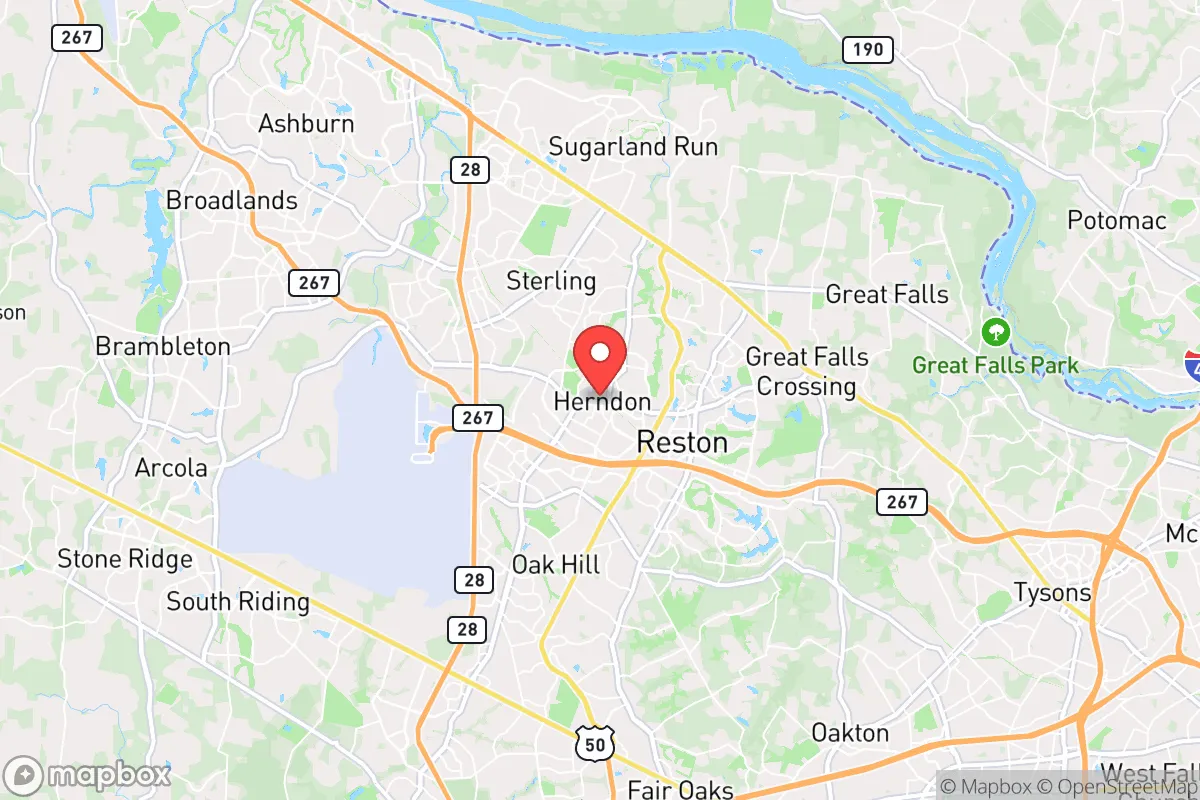
Herndon sits in Fairfax County, which is one of the most Democratic-leaning counties in Virginia, but it’s not the whole story. Drive 15 minutes west to Reston, and you’ll find a similar vibe—D+20 or so—with its planned community ethos and heavy emphasis on transit-oriented development. But head south to Centreville or Chantilly, and you’ll hit more of a mix, with pockets of conservative voters who push back on county-level tax hikes and school policies. The real contrast is Leesburg, about 20 miles northwest in Loudoun County, which still has a Republican-leaning board of supervisors and a more skeptical view of the regional housing mandates that Herndon’s leaders have embraced. In Herndon, you’re in the heart of the blue bubble, where local elections often go uncontested by Republicans, and the town council’s agenda tends to mirror the county’s progressive playbook—think higher density zoning, bike lanes over parking, and diversity initiatives that sometimes feel like they prioritize ideology over practical concerns.
What this means for residents
For a conservative living here, the political climate means you’re often on the defensive. Property taxes have climbed steadily—Fairfax County’s rate is around $1.11 per $100 of assessed value, and with home values soaring, your bill can feel like a second mortgage. The town council has pushed for more affordable housing mandates, which sounds noble, but it often means higher density developments that change the feel of quiet neighborhoods and strain infrastructure like roads and schools. On schools, Fairfax County Public Schools have leaned into critical race theory-adjacent curricula and gender identity policies that many parents find intrusive—there’s been a quiet exodus of families to private schools or out to Loudoun County. You also see it in small things: the town’s emphasis on “equity” in public spending can mean less focus on basic services like pothole repair or police funding. It’s not that Herndon is a bad place to live—it’s safe, with good jobs nearby—but the political monoculture can feel stifling if you value individual liberty and local control over top-down mandates.
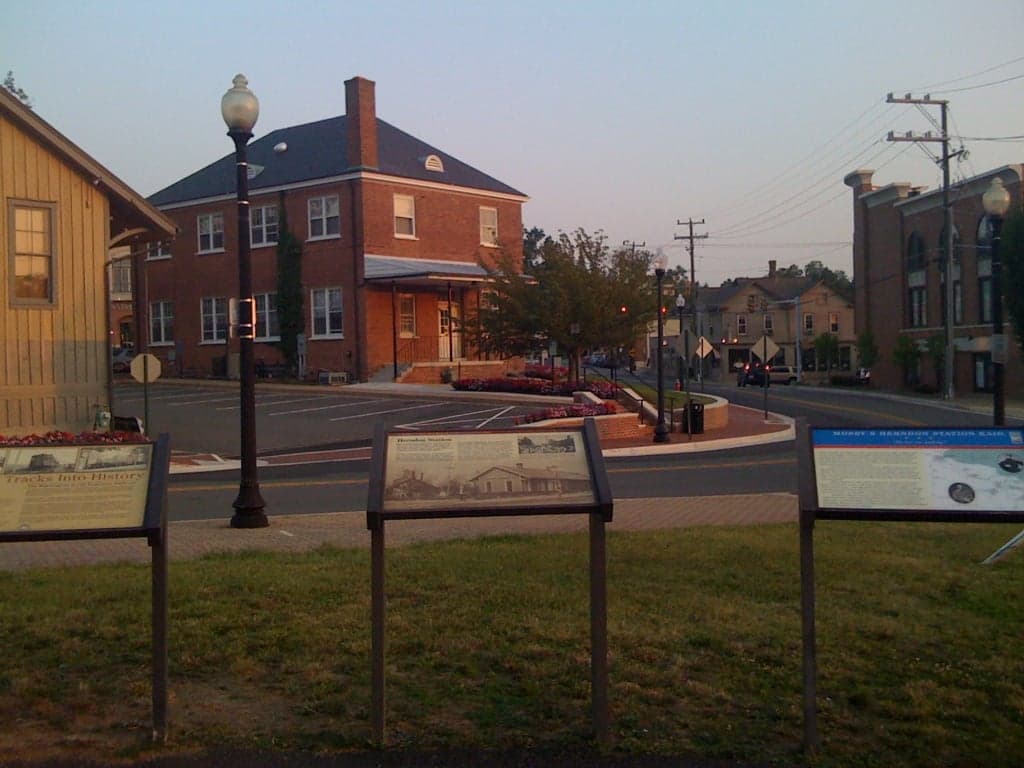
Culturally, Herndon has a few distinctions that hint at its past. The Herndon Depot and the annual Herndon Festival still have a small-town feel, but the politics have shifted so much that the old conservative voices—like the ones who fought to keep the town’s gun rights or opposed the Metro expansion—are mostly gone. The town’s leadership has embraced regionalism, tying Herndon’s future to the Washington D.C. metro area’s growth, which means more transit-oriented development and less room for the kind of grassroots, property-rights conservatism that used to define Virginia’s suburbs. If you’re thinking of moving here, know that your vote on local issues will likely be a minority one, and you’ll need to pick your battles—maybe on school board elections or zoning hearings—if you want to preserve any of the old freedoms. The long-term trend? It’s hard to see a reversal unless the county’s demographics shift or a major policy backlash occurs, but for now, Herndon is a comfortable place for progressives and a quiet challenge for conservatives who remember when it wasn’t so one-sided.

State Political ClimatePolitical Climate in Virginia
State Political AnalysisPolitical Environment in the State
Virginia is a deeply purple state that has shifted from a reliably red stronghold to a competitive battleground over the past two decades, driven by explosive growth in the Washington D.C. suburbs and a shrinking rural base. The state’s overall partisan lean is now a slight Democratic tilt at the statewide level—Joe Biden won by 10 points in 2020, and Democrats control the state Senate and governorship—but Republicans hold the House of Delegates and consistently win down-ballot races in the western and southern regions. The 10-20 year trajectory shows a clear blueward drift in Northern Virginia and the Richmond metro, while rural and exurban areas have hardened into deep red territory, creating a state that feels like two different countries politically.
Urban vs. rural divide
The political map of Virginia is a textbook case of the urban-rural chasm. The entire Democratic majority is generated by three metro areas: Northern Virginia (Arlington, Alexandria, Fairfax, Loudoun, Prince William), Richmond (Henrico, Chesterfield, and the city itself), and Hampton Roads (Norfolk, Virginia Beach, Chesapeake). In 2024, Loudoun County—once a Republican stronghold—voted for Biden by 20 points, while Fairfax County delivered a 35-point margin. These three regions account for roughly 60% of the state’s population and nearly all of its Democratic votes. Meanwhile, the rest of the state—the Shenandoah Valley, Southside Virginia, and the Southwest coalfields—votes overwhelmingly Republican. Roanoke and Lynchburg are conservative anchors in the west, while Charlottesville is a blue island in a red sea. The divide is so stark that a Republican can win 90 of 95 counties and still lose the state if Northern Virginia turns out heavily.
Policy environment
Virginia’s policy environment is a mixed bag that reflects its purple status, but the trendline is concerning for conservatives. The state has a flat income tax rate of 5.75%, with no local income taxes, and a sales tax of 5.3% (higher in Northern Virginia and Hampton Roads for transportation). Property taxes are set locally and vary widely—Loudoun County has some of the highest in the state, while Halifax County in Southside is much lower. On education, Virginia has seen a major shift: the 2020 repeal of the Thomas Jefferson High School admissions policy (a merit-based system) and the 2021 elimination of the Standards of Learning (SOL) graduation requirements were both pushed by Democrats. The 2023 “cellphone-free schools” law, signed by Governor Youngkin, is a rare win for parental rights. Healthcare policy is dominated by the 2019 Medicaid expansion under the Affordable Care Act, which added 400,000 people to the rolls. Election laws are relatively tight—voter ID is required, and same-day registration is not allowed—but the 2020 law allowing no-excuse absentee voting made mail-in ballots easier. The state also has a Democratic trifecta in the legislature as of 2024, which has passed a slew of progressive bills on climate, labor, and criminal justice reform.
Trajectory & freedom
Virginia is becoming less free for conservatives, particularly on gun rights, parental rights, and taxation. The 2020 “red flag” law (SB 240) allows courts to temporarily seize firearms from individuals deemed a threat, and the 2021 ban on “assault weapons” (SB 35) was passed by the Democratic legislature but later overturned by a court ruling. The 2023 “right to contraception” law (HB 2490) and the 2024 “transgender student protections” (SB 761) have eroded parental authority in schools, allowing students to change names and pronouns without parental consent. On the tax front, the 2023 budget included a 1% income tax cut, but property taxes in Northern Virginia have risen 15-20% since 2020 due to soaring assessments. The 2024 “clean economy” act (HB 206) mandates a 100% carbon-free grid by 2050, which will drive up energy costs. However, there are bright spots: the 2023 “school choice” expansion (HB 1507) created education savings accounts for special-needs students, and the 2024 “parental rights” bill (HB 138) requires schools to notify parents of sexually explicit content. The overall trajectory is a slow but steady march toward a California-style regulatory state, especially in the D.C. suburbs.
Civil unrest & political movements
Virginia has been a flashpoint for political violence and activism. The 2017 “Unite the Right” rally in Charlottesville left one counter-protester dead and remains a national symbol of far-right extremism. In 2020, the state saw massive Black Lives Matter protests in Richmond, including the toppling of Confederate statues on Monument Avenue. The 2021 “parental rights” movement exploded in Loudoun County after a sexual assault incident in a school bathroom, leading to the election of Governor Youngkin and a wave of school board victories. Immigration politics are heated: Fairfax County is a “sanctuary” jurisdiction that limits cooperation with ICE, while Prince William County has a more enforcement-friendly posture. Election integrity remains a sore point—the 2020 election saw widespread use of drop boxes and mail-in ballots, and the 2021 gubernatorial race was decided by just 2 points, with Republicans alleging irregularities in Norfolk and Richmond. The 2024 “election security” bill (HB 194) tightened chain-of-custody rules, but the overall system remains a source of distrust for many conservatives.
Projection
Over the next 5-10 years, Virginia will likely continue its leftward drift, driven by demographic trends. The D.C. suburbs are growing at 2-3% annually, while rural areas are shrinking. By 2030, Northern Virginia alone could account for 40% of the state’s population, making it nearly impossible for a Republican to win statewide without a massive shift in turnout. The 2024 redistricting map, drawn by a bipartisan commission, has already made several House seats more competitive, but the long-term trend favors Democrats. In-migration from blue states like New York and California is accelerating—Richmond and Charlottesville are seeing an influx of remote workers from the Northeast. The 2025 gubernatorial race will be a bellwether: if a Democrat wins, expect a wave of progressive legislation on climate, housing, and criminal justice. If a Republican wins, the state will remain a stalemate. For a conservative moving in now, expect to see higher taxes, more regulation, and a cultural environment that increasingly mirrors Maryland or New Jersey within a decade.
Bottom line for a new resident: If you’re a conservative, Virginia is a state where you can still find affordable land, good schools, and a strong economy—but you need to pick your county carefully. Stick to the western and southern regions—Augusta County, Bedford County, or Franklin County—where the politics are red and the cost of living is low. Avoid Northern Virginia and the Richmond metro unless you’re willing to pay a premium for blue governance. The state is not yet lost, but the clock is ticking, and the next decade will determine whether Virginia becomes a permanent blue state or remains a competitive purple one.
* Values derived from national, state, county, city and local statistics and may differ in a specific area. Last updated: 2026-05-01T16:07:47.000Z
Narrative content on this page is AI-generated and may contain mistakes. Verify any details that matter before acting on them.
ReloMaps may earn a commission from affiliate links at no extra cost to you.

