Photo: Wikipedia
Find The Best Places To Live
in Miami Gardens
PRO TIP! You can paste a Zillow or Redfin link to get info on that property.
What It's Like Living in Miami Gardens, FL
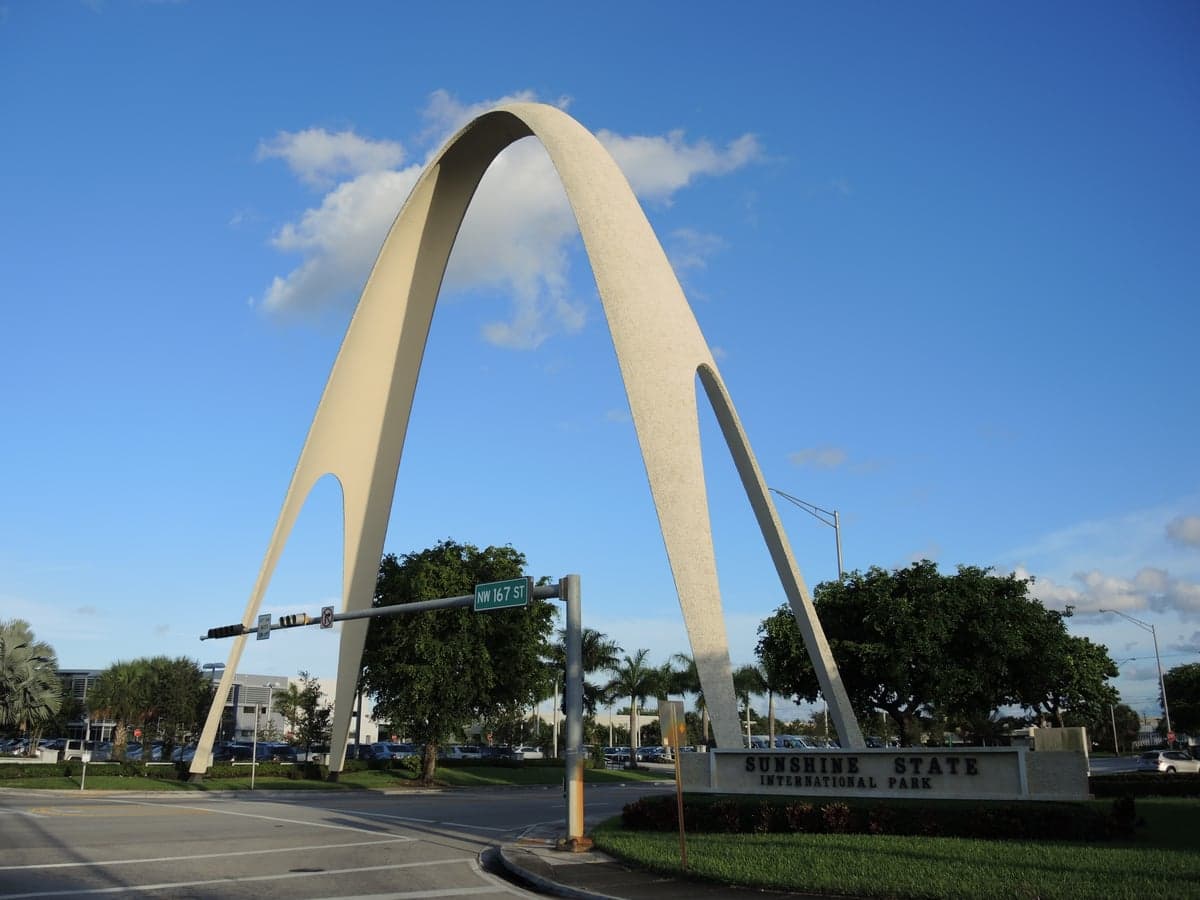
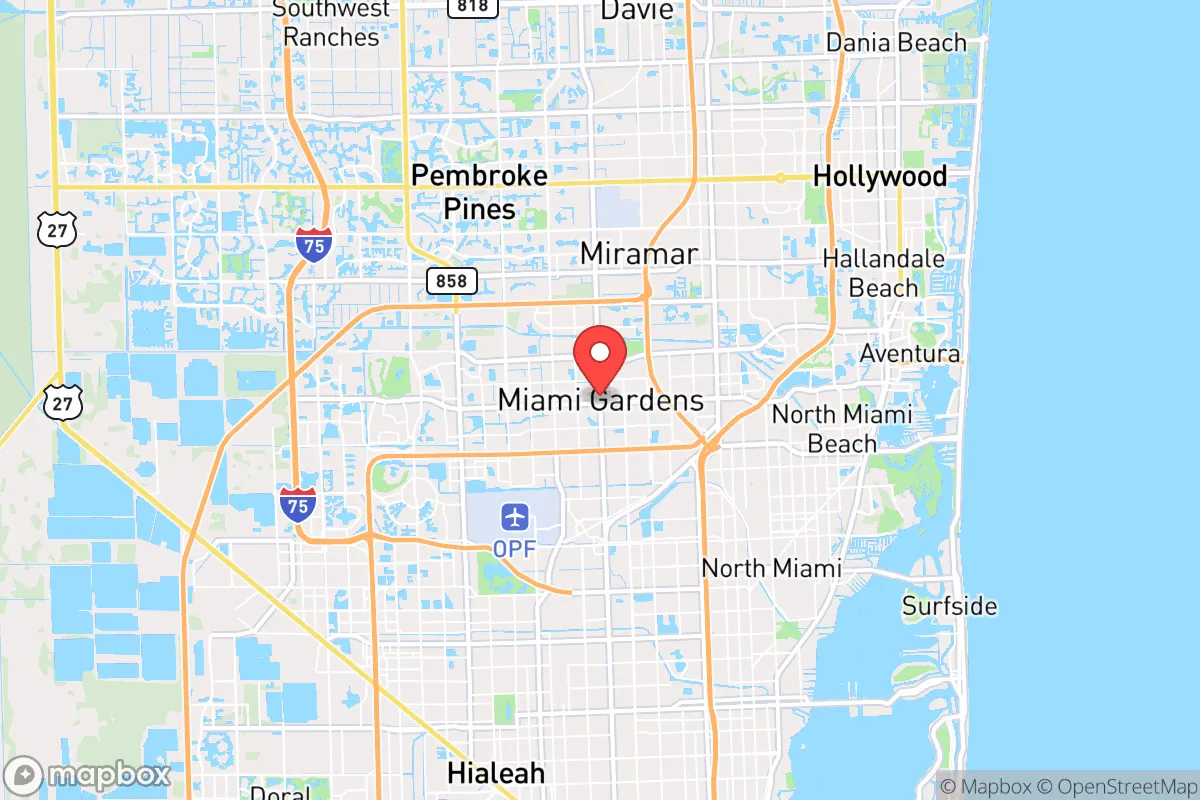
Miami Gardens has a feel all its own — it’s not the glitz of South Beach or the high-rises of Brickell, but a solid, family-oriented city where Friday night lights and Sunday cookouts are the real social calendar. With about 111,000 residents, it’s the third-largest city in Miami-Dade County, yet it keeps a suburban, almost small-town vibe that surprises newcomers. If you’re looking for a place where people actually know their neighbors and high school football is a big deal, this might be your spot.
The Daily Rhythm: What Life Actually Looks Like
Most mornings here start early. The average commute clocks in at just over 31 minutes — longer than the national average — so you’ll see a steady stream of cars heading south toward downtown Miami or west to the airport and industrial parks. Locals tend to work in healthcare, retail, logistics, and education; the city’s largest employers include the Miami-Dade County school system, Jackson Health System, and the nearby Hard Rock Stadium complex. After work, life revolves around home and family. You’ll find people running errands at the Shops at Skylake or the Miami Gardens Marketplace, grabbing a bite at local staples like King’s BBQ or the Caribbean-influenced Miami Grill on Northwest 27th Avenue. Weekends often mean a trip to Amelia Earhart Park for a soccer game or a lazy afternoon at Rolling Oaks Park, where the walking trails and basketball courts stay busy until sunset.
Sports, Community, and the Hard Rock Stadium Factor
If there’s one thing that defines Miami Gardens socially, it’s sports — specifically the Miami Dolphins and the University of Miami Hurricanes, both of which play at Hard Rock Stadium. On game days, the entire city shifts. Traffic on the Florida Turnpike and Northwest 199th Street backs up for miles, tailgating starts by 9 a.m., and the air fills with grill smoke and reggae. For locals, it’s a mixed blessing: the stadium brings national attention and some economic boost, but it also means noise, congestion, and occasional rowdiness. High school football is equally serious — Miami Gardens is home to powerhouse programs like Miami Norland Senior High and Monsignor Edward Pace High, whose Friday night games draw crowds that rival some college matchups. The city also hosts the Miami Open tennis tournament at Hard Rock Stadium every spring, which adds a polished, international flavor to the local scene for a few weeks.
What’s There to Do: Entertainment, Food, and Festivals
Miami Gardens isn’t a nightlife destination — you won’t find clubs or rooftop bars here. Instead, entertainment is more community-driven. The Miami Gardens Jazz in the Gardens festival, held each spring at Hard Rock Stadium, is the city’s signature event, drawing R&B and jazz acts like Mary J. Blige and The Isley Brothers. It’s a big deal locally, with tens of thousands of attendees. For everyday fun, residents head to Calder Casino for horse racing and slots, or to Sun Life Park for a quiet picnic. Dining leans heavily Caribbean and Southern: oxtail, jerk chicken, and fried fish are staples. Chef’s Creole Table on Northwest 2nd Avenue is a favorite for gumbo and po’boys, while Las Palmas Bakery on 183rd Street serves Cuban coffee and pastelitos that fuel the morning rush. The city also has a strong church presence — Sunday services at places like Antioch Missionary Baptist Church are as much social gatherings as worship.
Pros and Cons of Living Here: What Locals Will Tell You
Longtime residents love the sense of community — people look out for each other, block parties are common, and there’s a real pride in the city’s identity. The cost of living, however, is a sticking point. With a cost of living index of 136 (well above the U.S. average of 100), housing is the biggest squeeze. The median home value sits at $337,200, and while that’s cheaper than Miami proper, it’s still a stretch for many families earning the median income of $60,979. Rentals are tight, and you’ll often see multi-generational households as a result. Crime is another honest concern — the violent crime rate of 358.6 per 100,000 is higher than the national average, though it’s concentrated in specific areas and has been trending down in recent years. Schools are a mixed bag; some, like Norland Elementary, are well-regarded, but the city’s overall public school performance lags behind wealthier suburbs. That said, the schools are deeply woven into community life — PTA meetings and school fundraisers are well-attended, and high school sports are a unifying force.
Who Fits In — and Who Might Struggle
Miami Gardens works best for families and single adults who value community over nightlife, and who are comfortable with a slower, more residential pace. The median age is 38.1, so it’s not a young professional’s scene — you won’t find many recent college grads here. Only about 17.6% of residents hold a bachelor’s degree or higher, which reflects the city’s working-class character. If you’re looking for walkable coffee shops, a thriving arts district, or a quick commute to downtown Miami, this probably isn’t the place. But if you want a yard, a sense of belonging, and a city that rallies around its high school football team and its annual jazz festival, Miami Gardens delivers. The weather is classic South Florida — hot and humid from May through October, with afternoon thunderstorms that clear the streets, then a mild, pleasant winter that makes outdoor living possible year-round. Hurricanes are a real concern, and most homes have hurricane shutters and a generator in the garage. It’s a practical, no-frills kind of life — and for the people who live here, that’s exactly the point.

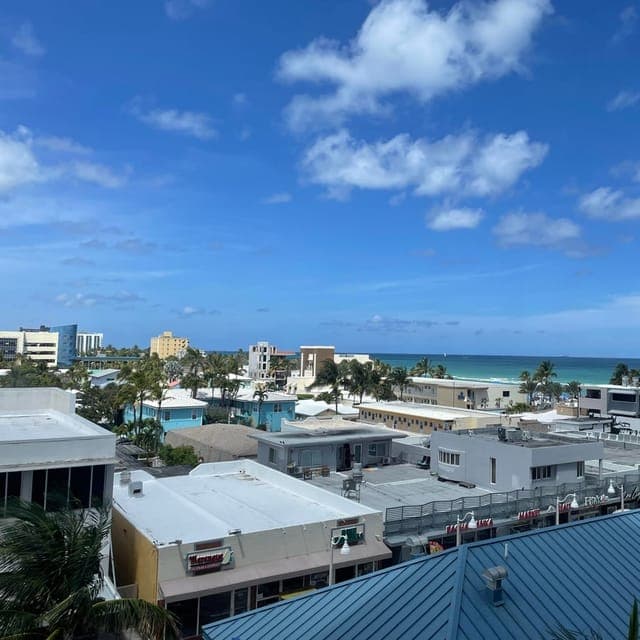
Similar small cities to Miami Gardens


* Values derived from national, state, county, city and local statistics and may differ in a specific area. Last updated: 2026-05-03T05:02:52.000Z
Narrative content on this page is AI-generated and may contain mistakes. Verify any details that matter before acting on them.
ReloMaps may earn a commission from affiliate links at no extra cost to you.

