Photo: Wikipedia
Quality of Life in Bingham County
A livable area that tracks near national norms for affordability, walkability, and neighborhood health.
What does Quality of Life tell us?
Quality of Life measures an area by evaluating factors like cost of living, nearby amenities, country club access, airport proximity, socioeconomic signals and neighborhood character. For large states, this is a general average — quality of life can vary dramatically between metro areas, suburbs, and rural communities within the same state.
What does this tell us?
Quality of Life measures an area by evaluating factors like cost of living, nearby amenities, country club access, airport proximity, socioeconomic signals and neighborhood character. For large states, this is a general average — quality of life can vary dramatically between metro areas, suburbs, and rural communities within the same state.
Cost of Living
20% below national average
104%
The Real Cost of Living in Bingham County for 2026
| Tier | Individual | Family (4) |
|---|---|---|
| Survival | $13k | $25k |
| Comfortable | $50k | $74k |
| Luxury | $122k+ | $190k+ |
| Elite (Top 5%) | $144k+ | $223k+ |
Quality-of-Life Analysis
Bingham County, Idaho, offers a quality-of-life spectrum that spans from the modest urban amenities of its largest town, Blackfoot, to the quiet, self-reliant character of its smaller communities and expansive agricultural countryside. The county’s overall cost of living index of 80 (20% below the U.S. average) and a median home value of $258,000 make it one of the more affordable areas in the state, attracting a mix of families seeking space, agricultural workers, and commuters who value a lower cost base. The character of daily life shifts noticeably depending on whether one lives in the county seat, a historic railroad stop, or a remote farmstead along the Snake River plain.
Largest town(s) & population centers
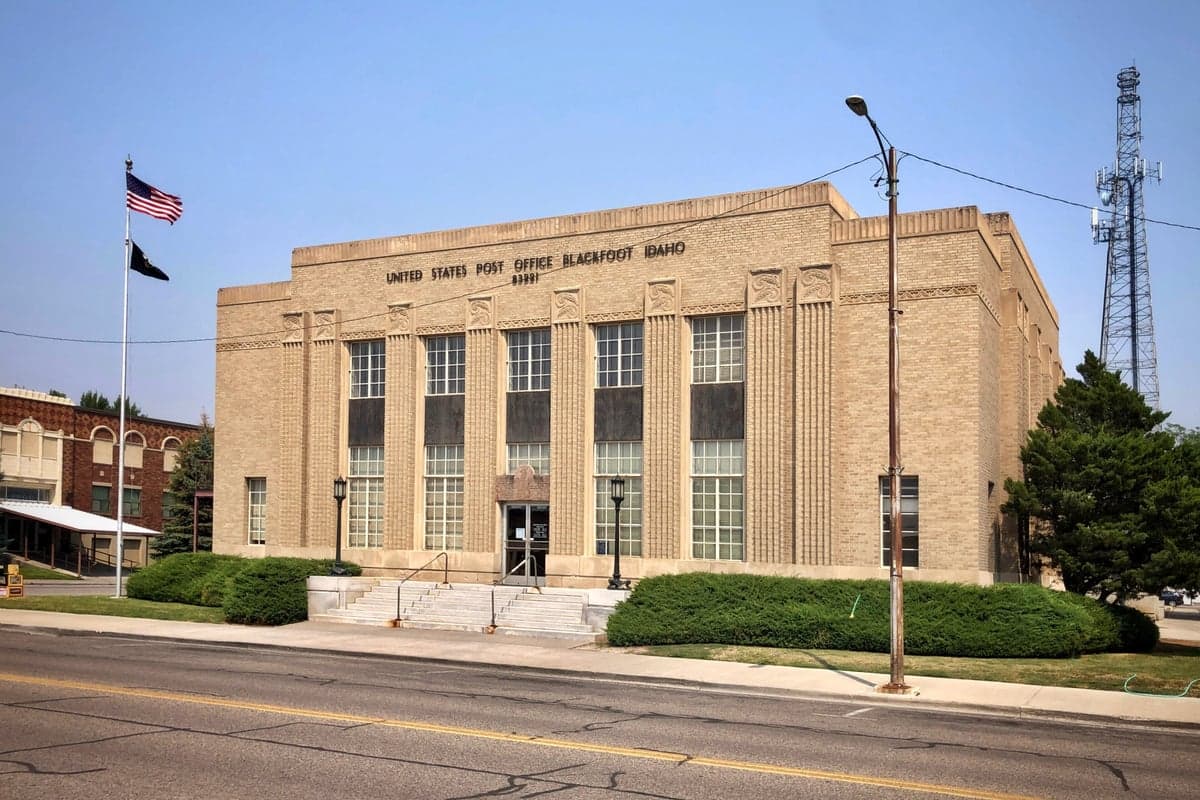
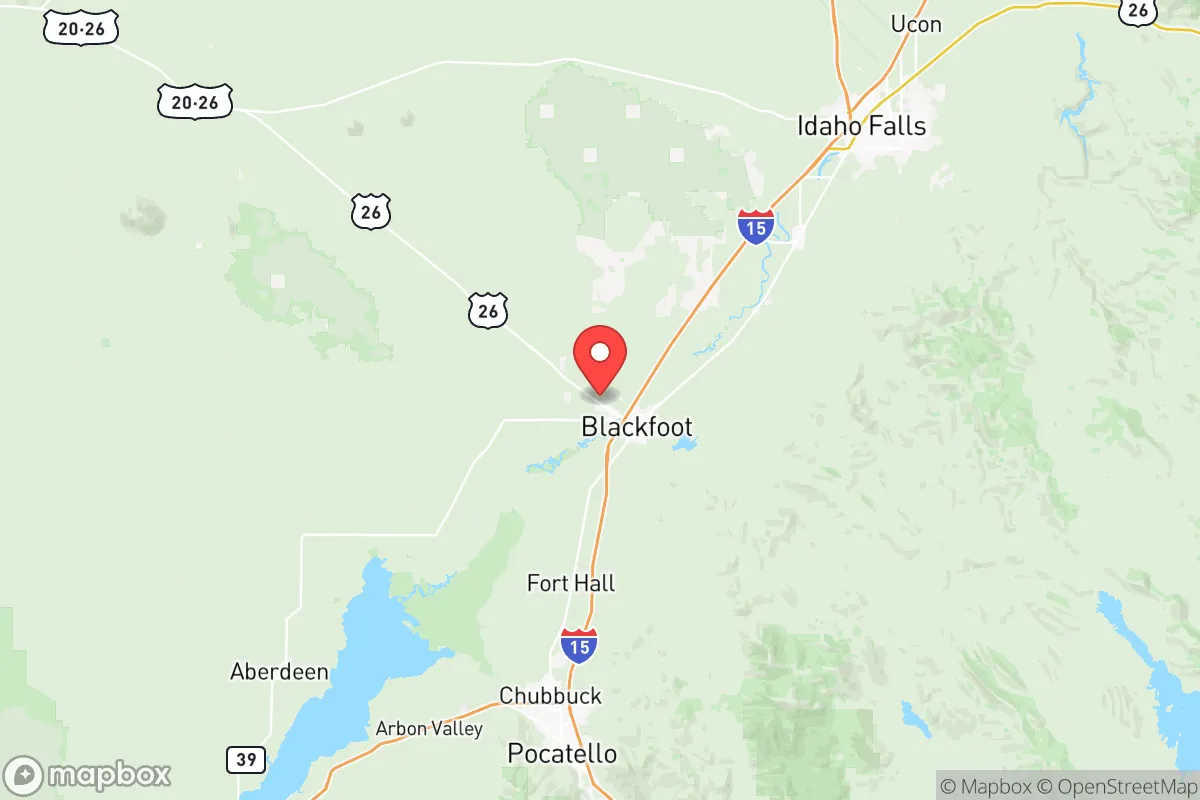
Blackfoot is the county’s primary population center and the seat of government, home to roughly 12,000 residents. Daily life here revolves around a compact downtown anchored by the historic Bingham County Courthouse, the Idaho Potato Museum, and a handful of local restaurants and retail shops. The town serves as the regional hub for services, including the Bingham Memorial Hospital, a Walmart Supercenter, and the Eastern Idaho State Fairgrounds, which draws thousands each September. Schools in the Blackfoot School District are the largest in the county, and the town’s layout is walkable in the core but car-dependent for most errands. The average commute in the county is approximately 22 minutes, and many Blackfoot residents work locally in agriculture, food processing (notably at the Lamb Weston potato plant), or commute 25 minutes west to Idaho Falls for higher-paying jobs in healthcare, engineering, or the Idaho National Laboratory.
Smaller towns & rural pockets
Beyond Blackfoot, the county contains several distinct smaller communities. Shelley, about 10 miles west of Blackfoot, is a tight-knit town of roughly 4,500 known for its strong sense of community and the annual “Spud Day” celebration. It offers a quieter, more residential feel with its own school district and a handful of local businesses. Firth, further north along the Snake River, is a smaller agricultural community (population ~500) where life centers on the local school, the grain elevator, and the surrounding potato and sugar beet fields. Basalt and Atomic City are unincorporated hamlets; Atomic City, with fewer than 30 residents, sits near the edge of the Idaho National Laboratory and offers extreme isolation. These rural pockets lack retail and medical services, meaning residents drive 15–30 minutes to Blackfoot or Shelley for groceries, gas, and healthcare.
Cost & lifestyle range
The cost of living varies modestly across Bingham County, but the lifestyle differences are pronounced. At the lower end of the cost spectrum, rural properties in areas like Basalt or Wapello can be found for well under the county median home value, with some older mobile homes or fixer-upper farmhouses available for $150,000–$200,000. Renters here benefit from a countywide median rent of $845, among the lowest in eastern Idaho. At the higher end, newer subdivisions on the west side of Blackfoot and in Shelley feature homes in the $300,000–$400,000 range, often on half-acre lots with modern finishes. These areas offer better access to schools and a shorter commute to Idaho Falls. The lifestyle range is stark: a resident in rural Atomic City may have no neighbors in sight and a 40-minute drive to the nearest grocery store, while a family in Shelley’s newer developments can walk to a park and have a 10-minute drive to Blackfoot’s hospital. Utility costs are generally lower than the national average due to abundant hydropower from the Snake River, but heating costs can spike in winter for older, less efficient homes.
Bingham County best suits people who prioritize affordability, space, and a slower pace over urban density and nightlife. Families who want a safe, community-oriented environment with good schools often choose Shelley or the newer edges of Blackfoot. Agricultural workers, remote workers seeking land, and retirees on fixed incomes are drawn to the rural pockets for the low property costs and privacy. Commuters to Idaho Falls or the Idaho National Laboratory find the 20–30 minute drive a reasonable trade-off for a home that costs half what it would in Boise or Salt Lake City. Those who need walkable amenities, cultural diversity, or high-end retail will likely find the county too limited, but for anyone seeking a grounded, affordable life in the Intermountain West, Bingham County offers a clear and attainable option.

Crime in Bingham County
Lower crime rates than 76% of comparable U.S. locations.
Violent CrimeViolent Crime Analysis
Property CrimeProperty Crime Analysis
Crime Analysis
Bingham County, Idaho, presents a mixed safety profile that is significantly safer than the national average but slightly elevated compared to the rest of the state. With a violent crime rate of 215.5 per 100,000 residents and a property crime rate of 601.6 per 100,000, the county offers a notably lower risk of violent victimization than the U.S. as a whole, though property crime remains a more tangible concern for residents. The county's safety landscape is shaped by its mix of small agricultural communities and the larger population center of Blackfoot, with notable differences between its towns.
Crime in context
Bingham County's violent crime rate of 215.5 per 100,000 is 39% lower than the national average of 352.9 per 100,000, placing it in a safer tier than many similarly sized rural counties across the country. However, it runs about 25% higher than the Idaho state average of roughly 172 per 100,000, meaning residents face a slightly elevated risk compared to the state's safest counties like Madison or Teton. Property crime in Bingham County, at 601.6 per 100,000, is 32% below the national rate of 883.6 per 100,000 but roughly on par with the Idaho state average. This indicates that while violent incidents are less common than in many parts of the U.S., property offenses—particularly theft and burglary—are a routine concern that mirrors statewide trends.
What residents experience
For those living in Bingham County, the day-to-day reality is one of relative security punctuated by localized crime clusters. The county seat of Blackfoot, home to about 12,000 people, sees the highest concentration of both violent and property crime, driven by its role as a regional commercial and transportation hub along I-15. Incidents of assault and theft are more common here, and residents often report vehicle break-ins and package theft as persistent annoyances. In contrast, the smaller towns of Shelley and Firth experience markedly lower crime rates, with Shelley's violent crime rate estimated at under 100 per 100,000 and property crime similarly subdued. The rural farming communities of Basalt and Riverside are among the safest, where neighbors know each other and crime is rare. The county's proximity to the progressive judicial climate of Bonneville County (Idaho Falls) is a concern for some residents, as district attorneys and judges in that larger metro area have adopted more lenient, offender-focused policies that critics argue embolden repeat property offenders and reduce accountability. This cross-county influence can lead to criminals from the Idaho Falls area targeting Bingham County's quieter towns, knowing that consequences may be lighter if they are caught and prosecuted in a more progressive jurisdiction.
Neighborhood-level variation
Safety within Bingham County is not uniform. The most pronounced divide is between the incorporated towns and the unincorporated rural areas. Blackfoot's older neighborhoods near the downtown core and the railroad tracks report higher instances of drug-related crime and disorder, while newer subdivisions on the city's outskirts see far fewer incidents. Shelley's residential areas are consistently safe, with the main concern being occasional theft from unlocked vehicles. For those considering relocation, the safest bets are the small communities of Groveland and Wapello, where violent crime is virtually nonexistent and property crime is limited to isolated incidents. The county's law enforcement presence is adequate but stretched thin in remote areas, meaning proactive measures like neighborhood watch programs and outdoor lighting are common recommendations from local sheriff's deputies. Overall, Bingham County offers a safe environment for families and retirees, provided they choose their specific town and neighborhood with care and remain aware of the property crime risks that accompany its position along a major interstate corridor.
* Values derived from national, state, county, city and local statistics and may differ in a specific area. Last updated: 2026-05-28T09:33:10.000Z
Narrative content on this page is AI-generated and may contain mistakes. Verify any details that matter before acting on them.
ReloMaps may earn a commission from affiliate links at no extra cost to you.

