 Popular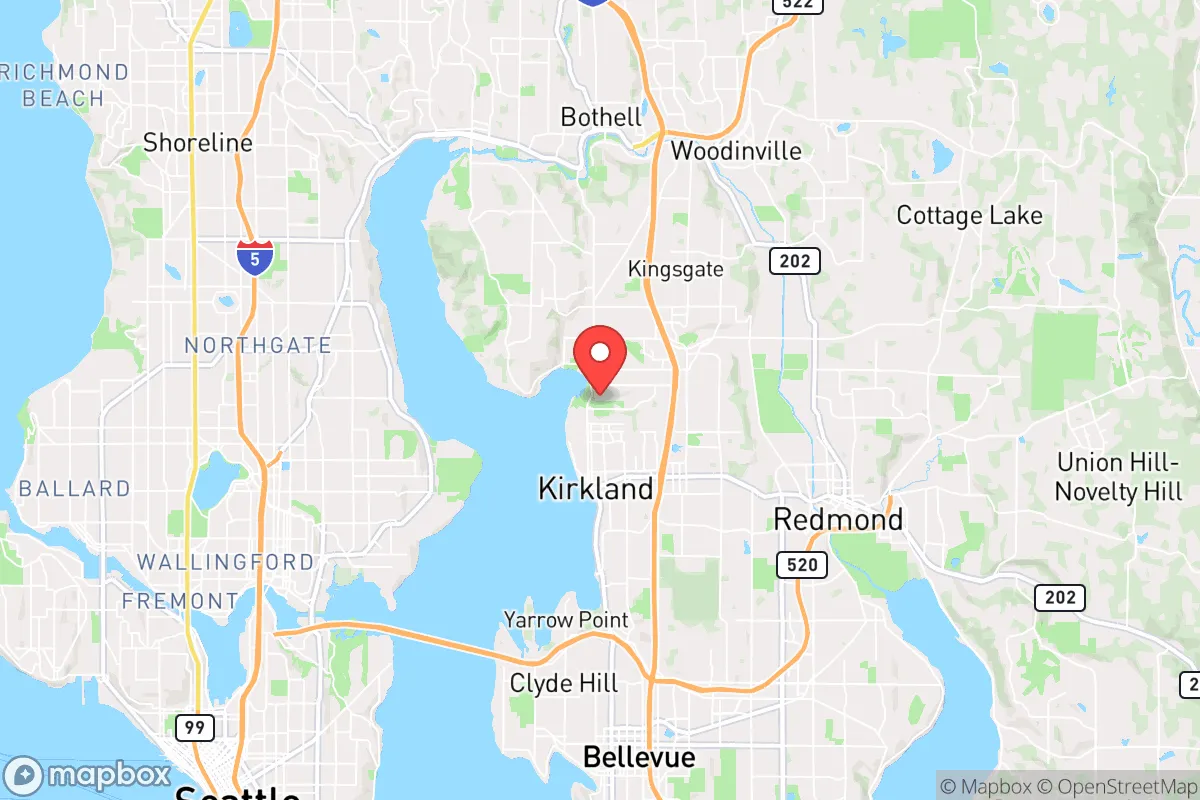
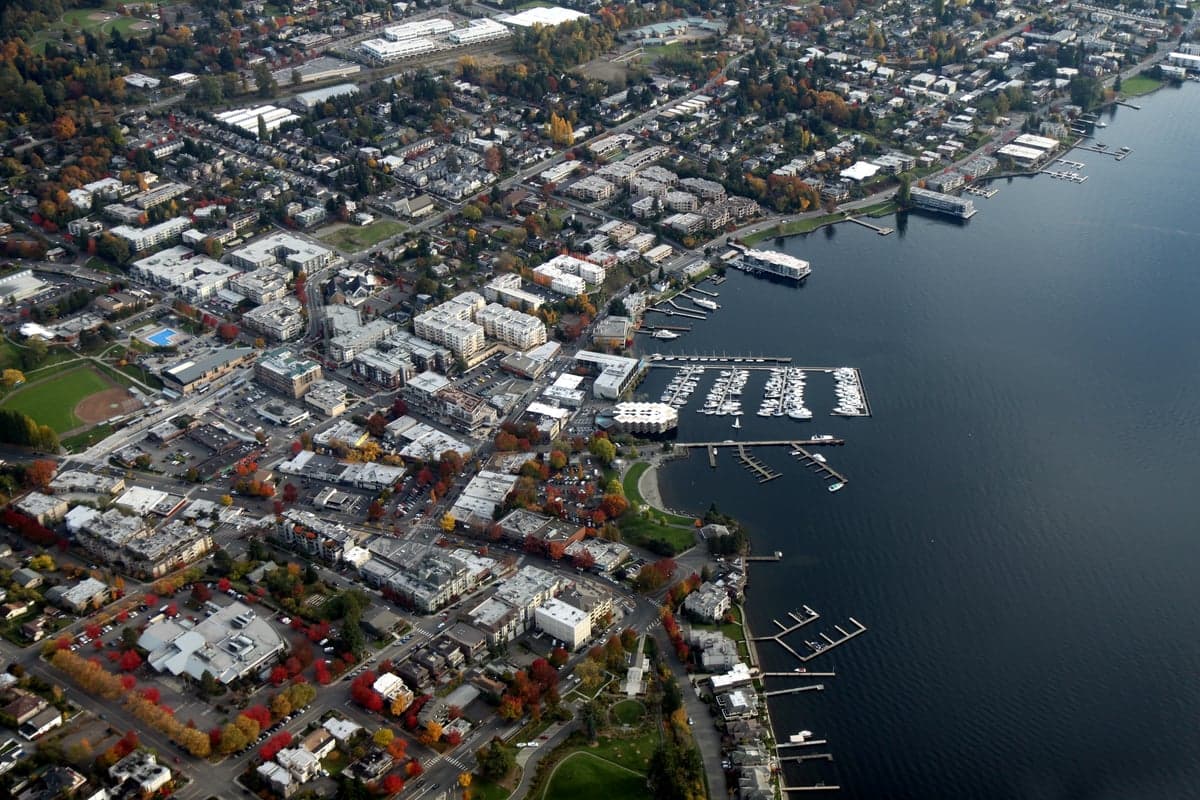
Photo: Wikipedia
Political ClimatePolitical Climate in Kirkland, WA
District shown is the primary district for this city’s centroid. Cities may span multiple districts.
Local Political AnalysisPolitical Analysis of Kirkland, WA
Kirkland leans heavily Democratic, with a Cook PVI of D+15, meaning the city votes about 15 points more Democratic than the national average. That’s a pretty deep blue shade, and it’s been getting bluer over the last decade. If you’ve lived here as long as I have, you remember when Kirkland was a quieter, more moderate place—a mix of Boeing engineers, small business owners, and families who just wanted a nice spot on the lake. Now, the city council and local politics are dominated by progressive voices, and the shift feels less like organic change and more like a coordinated push. The 2024 presidential results here mirrored that trend, with Kamala Harris winning King County by a massive margin, and Kirkland’s precincts falling right in line. It’s not just voting patterns either; the local government has been increasingly active in areas that used to be left to personal choice, which is something to keep an eye on if you value keeping the government out of your backyard.
How it compares
Kirkland sits in King County, which is the epicenter of Washington’s progressive politics. Drive 15 minutes east to Redmond, and you’ll find a similar D+15 vibe—tech money and high-density housing driving the agenda. But head north to Bothell or south to Bellevue, and you’ll see a slightly more tempered version of the same thing, though Bellevue’s old-money conservatism has been fading fast. The real contrast is just 20 minutes east, in places like Duvall or Carnation, where you’ll find more rural, independent-minded folks who vote red or purple. Even closer, the unincorporated areas of King County north of Kirkland—like the Finn Hill neighborhood—tend to be a bit more mixed, but they’re being swallowed up by the city’s annexation and zoning policies. Compared to the rest of the state, Kirkland is firmly in the urban, coastal bubble. Eastern Washington towns like Spokane or Wenatchee are a world apart politically, and even within the metro area, places like Sammamish or Issaquah still hold onto a more moderate, fiscally conservative streak. Kirkland used to be that kind of place, but not anymore.
What this means for residents
For someone who values personal freedoms and limited government, the day-to-day reality in Kirkland can feel a bit stifling. The city has been aggressive on land-use regulations, pushing through higher density zoning that limits what you can do with your own property. There’s a strong push for more bike lanes and transit-oriented development, which sounds nice in theory, but it often means less parking and more red tape for homeowners. The school board and city council have also leaned into progressive social policies—think DEI initiatives in schools and climate action plans that come with new fees and mandates. If you’re a small business owner, you’ll notice the permitting process getting slower and more expensive, with environmental and equity reviews tacked onto everything. On the plus side, the city is safe and well-run in terms of basic services—trash pickup, parks, police response—but the political culture is increasingly one where your personal choices, from how you heat your home to what you teach your kids, are subject to public debate and regulation. It’s not oppressive, but it’s a steady drift toward more government involvement in your life.
One cultural distinction that stands out is Kirkland’s embrace of “community engagement” as a tool for policy change. The city holds frequent town halls and surveys, but the loudest voices tend to be from activist groups, not the average resident who just wants to be left alone. There’s also a noticeable tension between the old-timers—folks who remember when Kirkland was a small town with a working-class core—and the new arrivals from California and other tech hubs who bring a more progressive worldview. Looking ahead, I’d expect the political climate to stay blue, maybe even deepen, as more high-density housing comes online and the demographic shift continues. If you’re considering a move here and you lean conservative, you’ll want to be prepared for a local government that’s comfortable telling you how to live, and a social environment where your views might be in the minority. It’s a beautiful place to live, but the politics are something you’ll have to navigate carefully.

State Political ClimatePolitical Climate in Washington
State Political AnalysisPolitical Environment in the State
Washington state has shifted from a purple battleground to a solidly blue stronghold over the past two decades, with Democrats now holding every statewide office and supermajorities in the legislature. The state hasn’t voted for a Republican presidential candidate since 1984, and the 2024 election saw Kamala Harris win by roughly 19 points, though the real story is the deepening urban-rural chasm. For a conservative considering relocation, the key takeaway is that your experience will vary dramatically depending on whether you land in King County or one of the eastern counties that still vote like Texas.
Urban vs. rural divide
The political map of Washington is a tale of two states. The I-5 corridor from Seattle south to Olympia and Vancouver is the Democratic engine, with King County alone delivering over a third of the state’s total vote. Seattle, Bellevue, and Redmond are deep blue, driven by tech wealth and progressive activism. But drive east over the Cascades, and you enter a different world. Spokane County, once reliably red, has been trending purple — it went for Trump by just 3 points in 2024, down from 8 in 2020. The real conservative strongholds are the rural counties: Yakima, Grant, Douglas, and the far northeastern corner around Stevens County. These areas vote 65-75% Republican, but their populations are too small to offset the Seattle metro’s dominance. The most interesting political outlier is Clark County (Vancouver), which flipped from red to blue in 2020 and has stayed there, driven by Portland exurbs and California transplants. If you want a conservative community within commuting distance of a city, look at places like Wenatchee or Spokane Valley, where the politics still feel like the West of 20 years ago.
Policy environment
Washington’s policy landscape is aggressively progressive, and the trend is accelerating. The state has no income tax, which sounds great, but it’s replaced by some of the highest sales taxes in the nation — the combined state and local rate in Seattle hits 10.25%, and even in conservative areas like Yakima it’s around 8.9%. Property taxes are moderate but rising fast due to the state’s McCleary school funding mandate. The regulatory environment is hostile to traditional industries: the 2021 Climate Commitment Act imposes a cap-and-trade system that drives up gas and energy costs, and the 2023 Long-Term Care Act (WA Cares) imposes a mandatory payroll tax for a state-run benefit program you can’t opt out of unless you have private insurance. On education, the state has a near-total ban on charter schools and has passed laws requiring schools to notify parents of curriculum changes — but also mandates “social-emotional learning” standards that many conservatives see as ideological. Election laws are among the most liberal in the country: universal mail-in voting with no ID requirement, same-day registration, and ballot drop boxes everywhere. The 2024 election saw zero major fraud cases, but the system’s lack of voter ID remains a concern for many conservatives.
Trajectory & freedom
Washington is becoming less free by almost any measure a conservative would care about. The 2023 magazine capacity ban (HB 1240) outlawed the sale of magazines holding more than 10 rounds, and the state’s attorney general has aggressively sued gun shops and manufacturers. The 2024 “parental rights” bill (HB 1231) actually weakened parental notification requirements for school counseling services, a direct reversal of the trend in red states. On medical freedom, the state’s 2021 vaccine mandate for healthcare workers and state employees was one of the strictest in the nation, and while it’s been relaxed, the precedent remains. Property rights are under pressure from the 2023 “middle housing” law (HB 1110), which forces cities to allow duplexes and fourplexes in single-family zones — a move that increases density but reduces neighborhood control. The most concerning trend for conservatives is the 2024 “shield law” (SB 5530), which protects healthcare providers who perform gender-affirming care for out-of-state minors, effectively making Washington a sanctuary for procedures banned in other states. On the positive side, the state’s strong initiative process allows citizens to bypass the legislature — in 2024, voters rejected a capital gains tax and upheld a ban on income taxes, showing that the state’s libertarian streak still exists outside Olympia.
Civil unrest & political movements
Washington has a long history of political activism, and it’s not all one-sided. The 2020 CHOP protests in Seattle’s Capitol Hill neighborhood were a national flashpoint, with six blocks occupied for weeks until police finally cleared them. That event radicalized many suburban voters and helped flip some legislative districts in the 2020 election. On the right, the Spokane area has seen growing “constitutional sheriff” movements, and the Yakima Valley has active Second Amendment sanctuary resolutions in several counties. The state’s sanctuary law (SB 5823, 2019) prohibits local law enforcement from cooperating with federal immigration authorities, which has created tension in border counties like Whatcom (Bellingham) where illegal crossings from Canada have increased. Election integrity remains a live issue: the 2022 secretary of state race saw a Republican come within 1 point of winning, and the 2024 recount in the governor’s race (won by Democrat Bob Ferguson) was the closest in decades. You’ll see “Stop the Steal” signs in rural areas and “Defund the Police” graffiti in Seattle — both are real, and both are part of daily life depending on where you are.
Projection
Over the next 5-10 years, Washington will likely become more blue, not less. The Seattle metro is adding 50,000 people annually, mostly from California and Asia, and these newcomers vote overwhelmingly Democratic. The state’s Democratic supermajority is likely to pass a state income tax within a decade, despite the 2024 initiative victory, because the legislature can simply refer a new tax to voters with different wording. The gun ban will likely expand to include more firearms, and the parental rights trend will continue to erode. However, there are two wild cards: first, the state’s high cost of living is driving an exodus of working-class families to Idaho and Texas, which could shift the electorate toward even more affluent, progressive voters. Second, the 2024 election showed that rural counties are becoming more Republican, not less — if the state ever passes a constitutional amendment to break up King County into multiple counties, the political math would change dramatically. For now, expect the I-5 corridor to dominate, and expect the legislature to keep pushing policies that feel like California-lite.
For a conservative moving to Washington, the bottom line is this: you can find a community that shares your values, but you’ll be fighting a losing battle at the state level. If you’re a single person or a parent, the best bet is to live in a red county like Grant or Douglas, where local government is still conservative, and accept that the state government will be hostile to your priorities. The trade-off is the natural beauty, the lack of income tax (for now), and the strong economy. But don’t move here expecting to change the politics — the demographic tide is too strong. If you want a state where your vote actually matters for statewide office, look at Idaho or Montana instead.
* Values derived from national, state, county, city and local statistics and may differ in a specific area. Last updated: 2026-04-21T11:17:20.000Z
Narrative content on this page is AI-generated and may contain mistakes. Verify any details that matter before acting on them.
ReloMaps may earn a commission from affiliate links at no extra cost to you.

