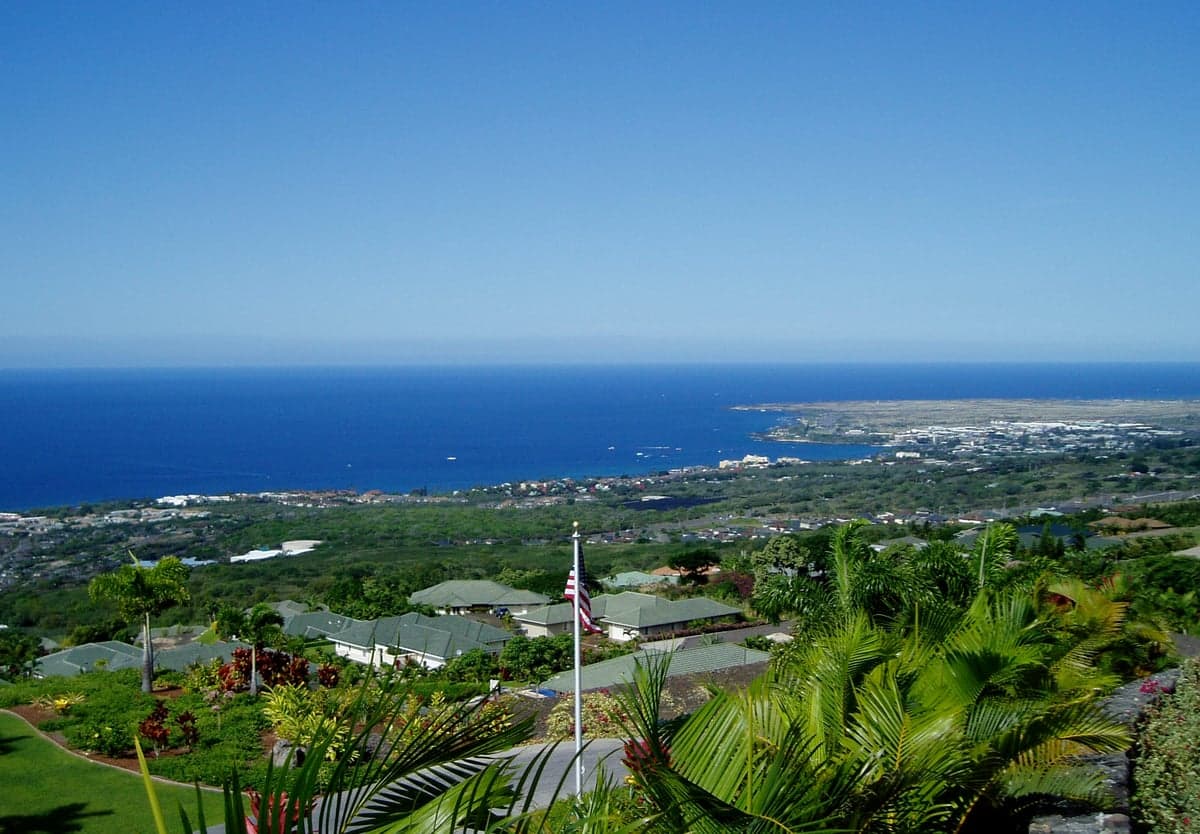
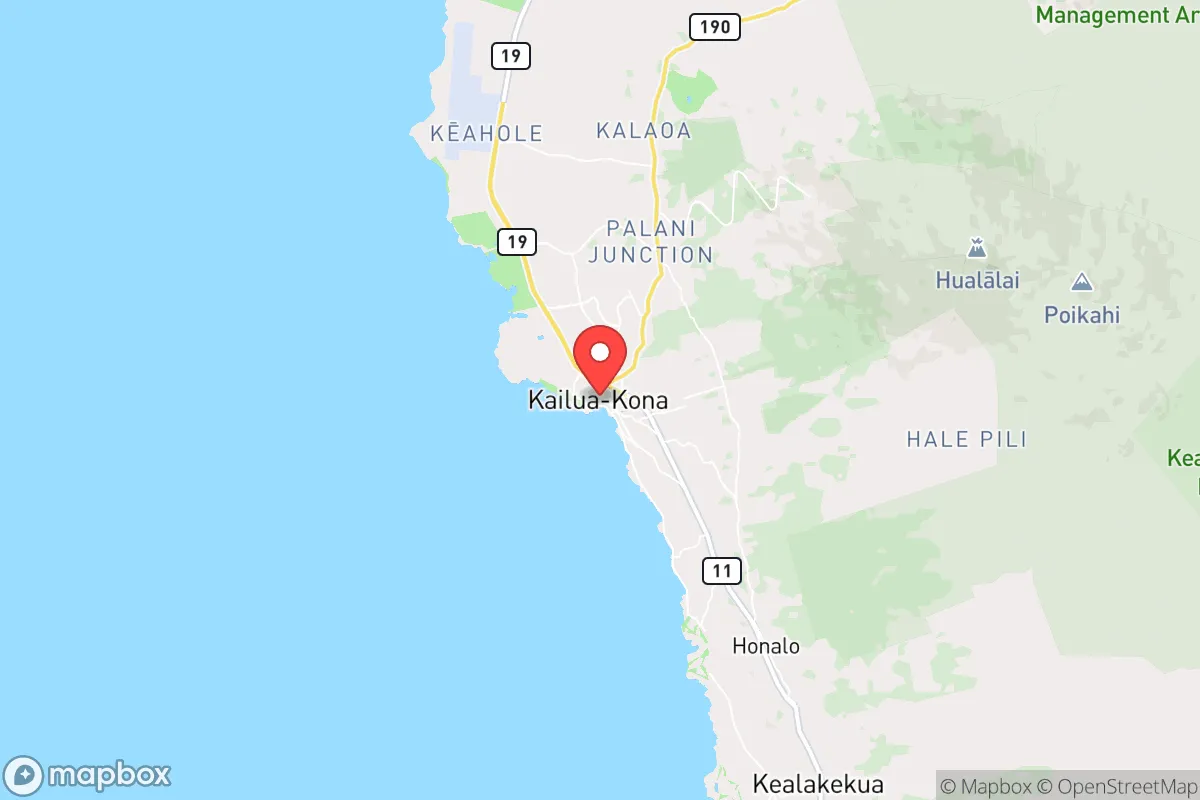
Photo: Wikipedia
Quality of Life in Kona, HI
A high quality of life with strong walkability, manageable living costs, healthy neighborhood signals, and solid amenity access.
What does Quality of Life tell us?
Quality of Life blends cost of living, nearby amenities, socioeconomic signals, and neighborhood character. City-level scores represent the whole municipality; individual neighborhoods can differ.
What does this tell us?
Quality of Life blends cost of living, nearby amenities, socioeconomic signals, and neighborhood character. City-level scores represent the whole municipality; individual neighborhoods can differ.
Cost of Living
70% above national average
The Real Cost of Living in Kona, HI for 2026
| Tier | Individual | Family (4) |
|---|---|---|
| Survival | $29k | $55k |
| Comfortable | $92k | $136k |
| Luxury | $135k+ | $210k+ |
| Elite (Top 5%) | $159k+ | $247k+ |
62%
The Area Signal
A metric tracking the socioeconomic signals of the area.
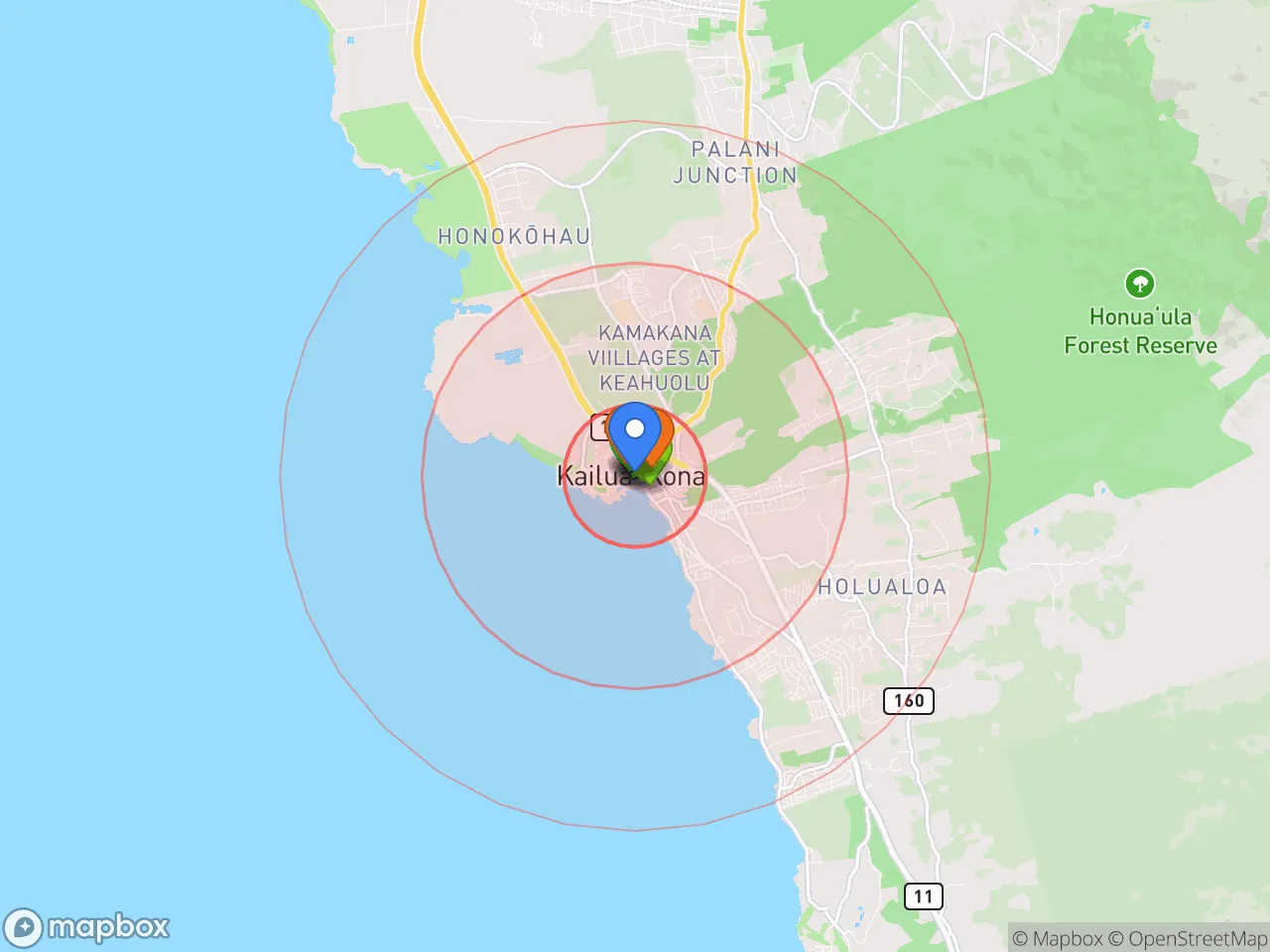
Hobbies
Explore the areaGroceries
3 within 10 miles
Gas
14 within 10 miles
Hospital
2 within 20 miles
Airport
Daniel K. Inouye International Airport
Post Office
USPS — Kona, HI
Critical Amenities
Quality-of-Life Analysis
Kona, on the Big Island of Hawaii, offers a quality of life defined by a blend of affluent coastal living and a strong sense of local community, attracting a mix of remote workers, retirees, and hospitality professionals. The area’s cost of living is significantly elevated, with a composite index of 170 (70% above the U.S. average), which shapes daily life and housing decisions for nearly every resident. This premium is driven by the island’s isolation, high demand for limited land, and the cost of importing goods, creating a lifestyle that rewards financial planning and a tolerance for higher expenses.
Cost of living, housing affordability, and how Kona compares to nearby areas
Housing is the primary driver of Kona’s high cost of living. The median home value sits at $530,100, while the median rent is $1,833—both well above national figures but notably lower than in Honolulu, where median home values often exceed $800,000. Compared to other West Hawaii towns like Waimea or Captain Cook, Kona is generally more expensive due to its concentration of amenities and oceanfront properties. The average commute of 27.7 minutes is longer than the national average of 26 minutes, reflecting the spread-out nature of the Kona district, where many workers live in subdivisions like Holualoa or Kealakekua and drive into the Kailua-Kona core for jobs. For renters, the $1,833 median is a significant burden, often requiring a household income above $70,000 to avoid being cost-burdened. Buyers face a tight market with limited inventory, and many opt for condos or older single-family homes in areas like Honalo or Kainaliu to stay within budget.
Daily life, amenities, and what families should know about schools and recreation
Daily life in Kona revolves around outdoor recreation and a slower, island-paced rhythm. The area is a hub for water sports—snorkeling at Kahaluʻu Beach Park, diving at Kealakekua Bay, and deep-sea fishing charters from Honokohau Harbor are central to the lifestyle. For families, public schools are part of the Hawaii Department of Education system, with Kealakehe High School and Konawaena High School being the primary options; both have graduation rates around 80-85%, slightly below the national average. Private and charter schools, such as Kona Pacific Public Charter School, offer alternatives. Amenities are concentrated along the Queen Kaʻahumanu Highway, with big-box stores like Walmart and Target, a Costco in Kailua-Kona, and a growing number of local farmers markets (e.g., the Kona Farmers Market on Aliʻi Drive). Healthcare is served by Kona Community Hospital, a 94-bed facility, though specialists often require a trip to Hilo or Honolulu. The rhythm is distinctly casual—most businesses close by 8 PM, and the social scene centers on community events like the Kona Coffee Cultural Festival and weekend craft fairs.
Kona is best suited for individuals and families who prioritize outdoor living, community connection, and a slower pace over urban convenience and low costs. Remote workers with mainland salaries, retirees seeking warm weather and ocean access, and hospitality professionals who embrace the island’s trade-offs will find the most satisfaction here. Those who struggle with isolation, high prices, or limited career options outside tourism and healthcare may find the trade-offs too steep. For the right person, Kona offers a quality of life that is hard to replicate—where daily sunsets, fresh coffee, and a tight-knit community outweigh the financial and logistical challenges of island living.

Crime in Kona, HI
Generally safer than 59% of comparable U.S. locations.
Violent CrimeViolent Crime Analysis
Property CrimeProperty Crime Analysis
Crime Analysis
Kona, on the Big Island of Hawaii, presents a mixed safety profile. While its violent crime rate of 213.7 per 100,000 residents is notably lower than the national average, its property crime rate of 1,681.4 per 100,000 is significantly higher, placing it above both the state and national benchmarks. This combination means that while the risk of a violent encounter is relatively low, the likelihood of experiencing theft or burglary is a genuine concern for residents and visitors alike.
Crime in context
To understand Kona's safety, it's essential to compare its numbers. The national violent crime rate sits at roughly 380 per 100,000, making Kona's rate of 213.7 about 44% lower. However, the national property crime rate is approximately 1,950 per 100,000, meaning Kona's rate of 1,681.4 is actually below the national average. The real issue is the comparison to the rest of Hawaii. The state's property crime rate is around 2,500 per 100,000, so Kona is lower than the state average. Yet, property crime remains the dominant issue, driven largely by vehicle break-ins, package theft, and burglaries targeting vacation rentals. The area's reliance on tourism creates a transient population that can be a target for property criminals.
What residents experience
For those living in Kona, the daily experience is one of vigilance rather than fear. Violent crime is rare and typically isolated to specific circumstances, not random attacks on the street. The most common complaints from locals involve theft from unlocked cars, especially in popular beach parking areas like those at Kahalu'u Beach Park or Kailua Pier. Residents also report issues with mail theft and occasional home burglaries in more rural subdivisions. The Hawaii County Police Department maintains a visible presence in the main tourist corridor of Ali'i Drive, but response times can be slow in outlying areas. The local judicial system, influenced by progressive policies common in many parts of Hawaii, has been criticized by some residents for prioritizing rehabilitation over incarceration, which can lead to repeat property offenders cycling back into the community. This approach, while well-intentioned, can create a sense of frustration among victims who feel that consequences for property crimes are not severe enough to deter future incidents.
Neighborhood-level variation
Safety in Kona varies significantly by location. The core tourist zone along Ali'i Drive sees a high volume of petty theft and vehicle break-ins, but also benefits from heavy police patrols and private security. The residential areas of Holualoa and Honalo, located mauka (uphill), generally experience lower crime rates due to their quieter, more established communities. In contrast, the newer subdivisions in the Kona Vistas and Kealakehe areas have reported more property crime, likely due to a mix of rental properties and less established neighborhood watch networks. The Kailua-Kona town center itself has a moderate risk, with the highest concentration of incidents occurring near shopping centers and parking lots. Overall, residents in gated communities or those with active neighborhood watch programs report feeling significantly safer than those in more transient or isolated areas.
* Values derived from national, state, county, city and local statistics and may differ in a specific area. Last updated: 2026-07-29T03:58:55.000Z
Narrative content on this page is AI-generated and may contain mistakes. Verify any details that matter before acting on them.
ReloMaps may earn a commission from affiliate links at no extra cost to you.

