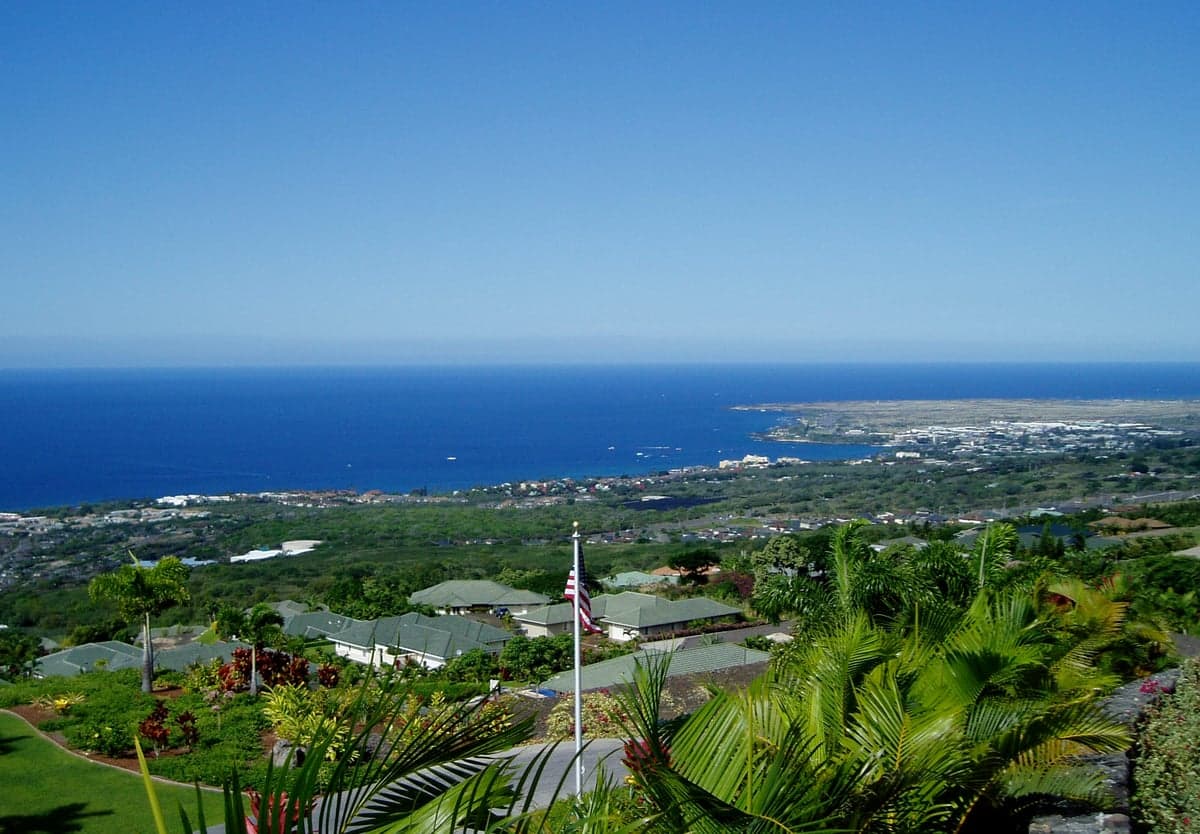
Photo: Wikipedia
An Unincorporated Community in Hawaii County, Hawaii
Find The Best Places To Live
in Kona
PRO TIP! You can paste a Zillow or Redfin link to get info on that property.
What It's Like Living in Kona, HI
Kona, Hawaii, is less a town and more a state of mind—a sun-bleached stretch of the Big Island’s west coast where the pace of life is dictated by the trade winds and the surf report. With a population hovering just over 4,100, it’s a small, tight-knit community that feels a world away from the resort crowds of Waikoloa or the volcanic grit of Hilo, yet it’s the kind of place where you’ll regularly bump into the same faces at the farmers market or the Kona Brewing Company. Living here means embracing a rhythm that’s equal parts laid-back and self-sufficient, where the median age of 46.8 hints at a population that’s either retired early or figured out how to make island life work on their own terms.
The Daily Rhythm: Coffee, Commutes, and the Cost of Paradise
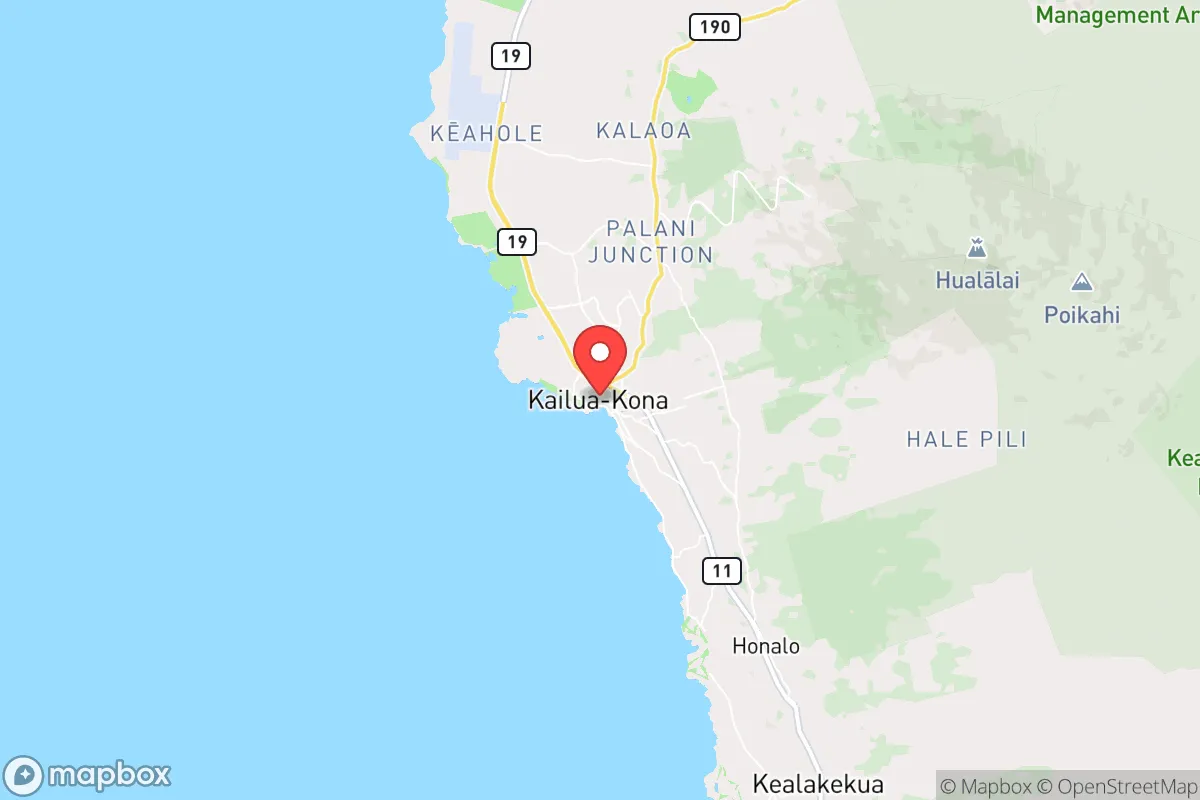
Daily life in Kona revolves around the outdoors and a surprisingly practical routine. Mornings often start with a trip to the Kona Farmers Market on Ali‘i Drive for fresh papaya, macadamia nuts, and locally roasted coffee—the region is the heart of Hawaii’s coffee belt, and you’ll find small-batch roasters like Greenwell Farms just a few miles up the mountain. The average commute is about 28 minutes, which is longer than you’d expect for a town of 4,167 people, largely because the main artery, Highway 11, funnels traffic between Kailua-Kona and the residential neighborhoods uphill in Holualoa and Honalo. That commute is a daily reminder that the cost of living index here sits at 170—70% above the national average—with median home values at $530,100 and a median household income of $83,779. Most locals will tell you the math is tight: you’re paying a premium for the weather and the ocean views, but the trade-off is a lifestyle where your weekend “errand” might involve a snorkel stop at Kahalu‘u Beach Park or a hike through the Kaloko-Honokōhau National Historical Park.
For families, the schools are a central part of community life. Kealakehe High School and Konawaena High School are the main public options, and their sports events—especially football and volleyball—draw crowds that feel more like small-town Texas than a Hawaiian island. The schools themselves are modest, with a strong emphasis on Hawaiian culture and outdoor education, but many parents supplement with homeschooling or private options like Kona Pacific Public Charter School. The median age of 46.8 means you’ll find a mix of empty-nesters and younger families who’ve moved here for work in tourism, healthcare, or remote tech jobs, but it’s not a place for nightlife or career ladder-climbing—most people are here because they’ve chosen a slower, more intentional pace.
Sports, Surf, and the Social Fabric
Sports in Kona are less about pro teams and more about participation and community pride. The Ironman World Championship is the town’s biggest annual event, transforming Ali‘i Drive into a global triathlon hub every October—locals either love the energy or grumble about the traffic, but everyone agrees it’s the one time of year the town feels like a big city. High school sports are the real heartbeat: Konawaena Wildcats football games on Friday nights are a genuine social event, with the whole town turning out under the lights. For adults, the Kona Canoe Club and the Kona Surf Company organize weekly paddling and surf sessions that double as social clubs, and the Kona Brewing Company on Pawai Place is the unofficial town hall—a place where you’ll find off-duty firefighters, real estate agents, and fishermen sharing a pint of Pipeline Porter after work.
Entertainment is low-key but distinctive. The Hulihe‘e Palace on Ali‘i Drive hosts monthly concerts and cultural events, and the Kona International Market offers live music on weekends. The real draw, though, is the ocean: residents spend weekends on the water, whether it’s diving with manta rays at night, paddleboarding along the coast, or fishing for ono and mahi-mahi off the Kona coast. The Kona Coffee Cultural Festival in November is a big deal, with farm tours, tastings, and a parade that brings the whole community together. If you’re looking for a club scene or a concert venue, you’ll be disappointed—this is a place where the biggest Friday night event might be a sunset potluck at the beach.
Pros and Cons of Living in Kona
Longtime residents love the weather—it’s consistently sunny and dry on the west side, with average highs in the low 80s year-round, and the trade winds keep the humidity manageable. They also love the community feel: it’s a place where neighbors actually know each other, and the “Aloha spirit” isn’t just a slogan—it’s a genuine expectation of kindness and mutual support. The outdoor lifestyle is unmatched, with world-class snorkeling, hiking, and fishing right at your doorstep, and the slower pace is a relief for anyone escaping mainland hustle.
But the frustrations are real. The cost of living is the biggest pain point—groceries are 30-50% higher than on the mainland, and a median home value of $530,100 means most people rent or buy with a hefty mortgage. The violent crime rate of 213.7 per 100,000 is higher than the national average, though it’s mostly property crime and domestic incidents rather than random violence; still, it’s something to be aware of, especially in more isolated neighborhoods. The isolation can wear on people—the nearest major city (Honolulu) is a 40-minute flight away, and the drive to Hilo takes over two hours. Traffic on Highway 11 during tourist season can turn a 20-minute commute into an hour, and the lack of diverse dining and entertainment options means you’ll cook at home a lot. Finally, the job market is thin outside of tourism, healthcare, and construction—if you don’t have a remote job or a clear career path, you’ll struggle to make ends meet.
Kona is a place for people who value community, nature, and a slower pace over convenience, career growth, and nightlife. It’s a trade-off, but for the right person—someone who’s okay with a 28-minute commute to the grocery store and a social life built around the beach—it’s a trade-off that feels like a privilege.

Similar small towns to Kona

* Values derived from national, state, county, city and local statistics and may differ in a specific area. Last updated: 2026-07-29T03:58:55.000Z
Narrative content on this page is AI-generated and may contain mistakes. Verify any details that matter before acting on them.
ReloMaps may earn a commission from affiliate links at no extra cost to you.

