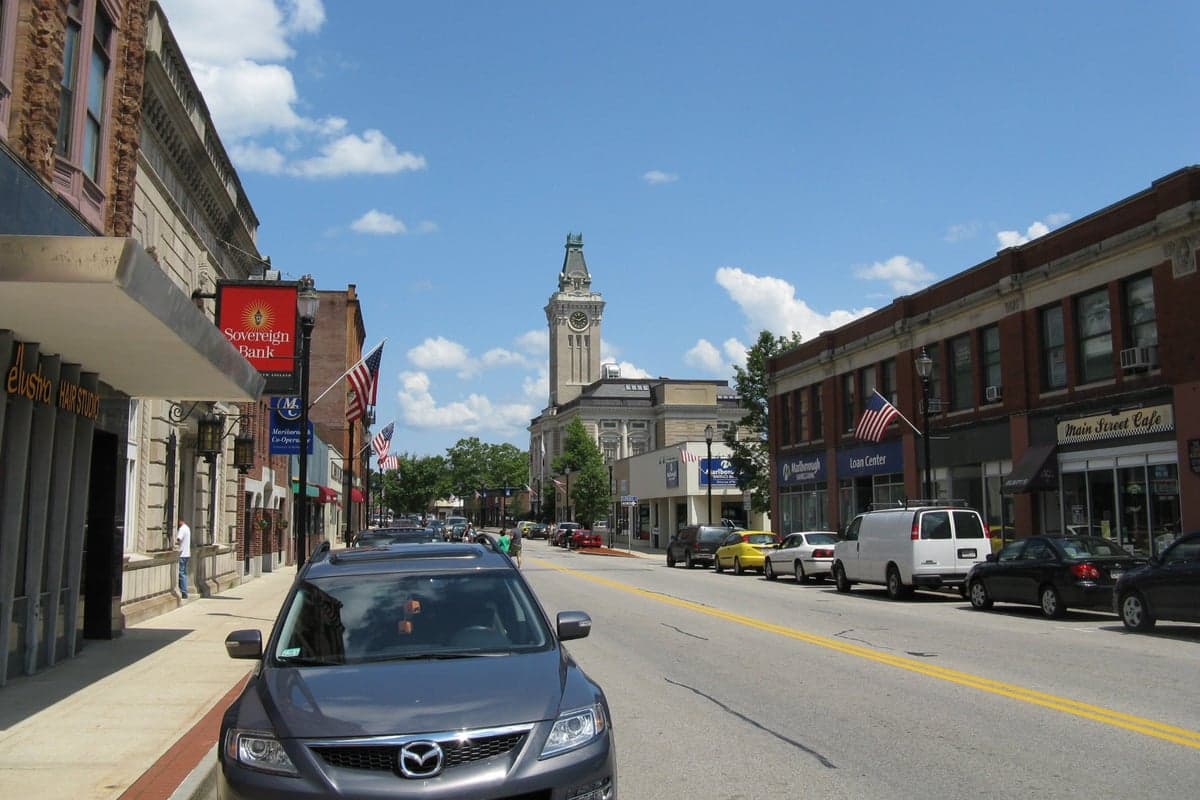
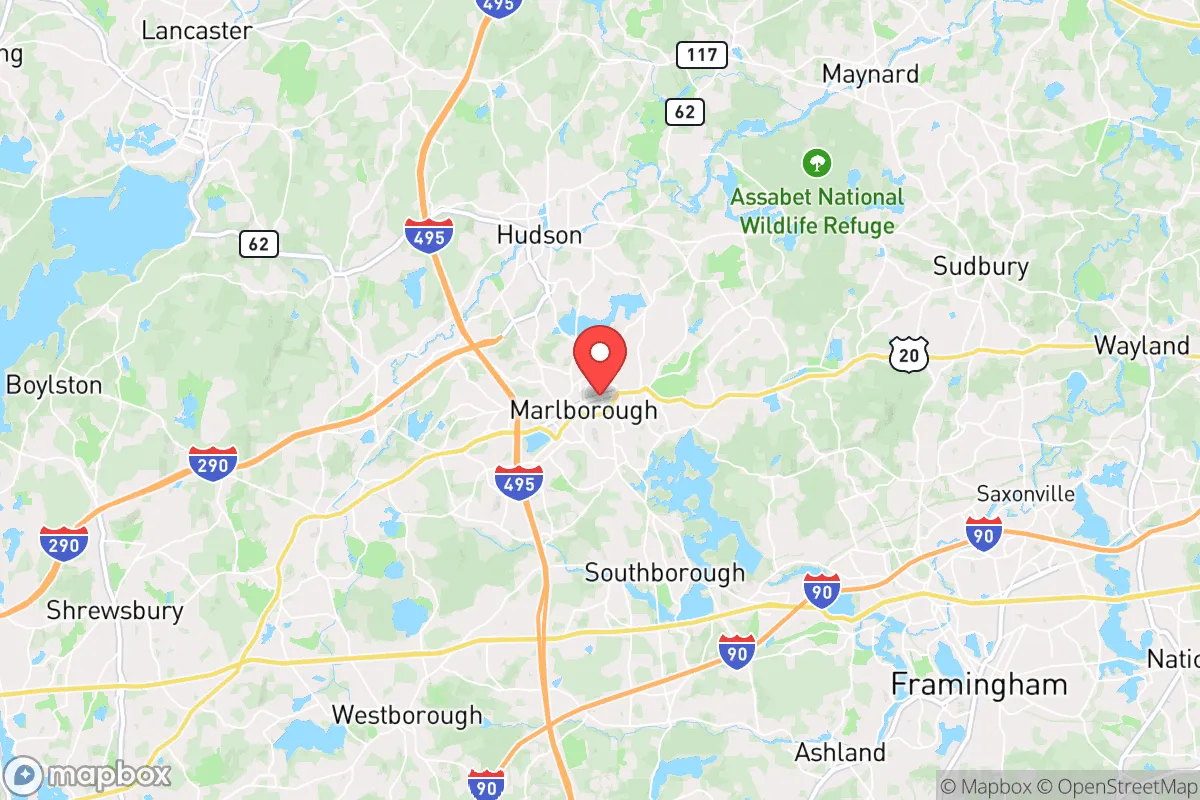
Photo: Wikipedia
Quality of Life in Marlborough, MA
A high quality of life with strong walkability, manageable living costs, healthy neighborhood signals, and solid amenity access.
What does Quality of Life tell us?
Quality of Life blends cost of living, nearby amenities, socioeconomic signals, and neighborhood character. City-level scores represent the whole municipality; individual neighborhoods can differ.
What does this tell us?
Quality of Life blends cost of living, nearby amenities, socioeconomic signals, and neighborhood character. City-level scores represent the whole municipality; individual neighborhoods can differ.
Cost of Living
58% above national average
The Real Cost of Living in Marlborough, MA for 2026
| Tier | Individual | Family (4) |
|---|---|---|
| Survival | $27k | $52k |
| Comfortable | $94k | $139k |
| Luxury | $147k+ | $227k+ |
| Elite (Top 5%) | $172k+ | $267k+ |
69%
The Area Signal
A metric tracking the socioeconomic signals of the area.
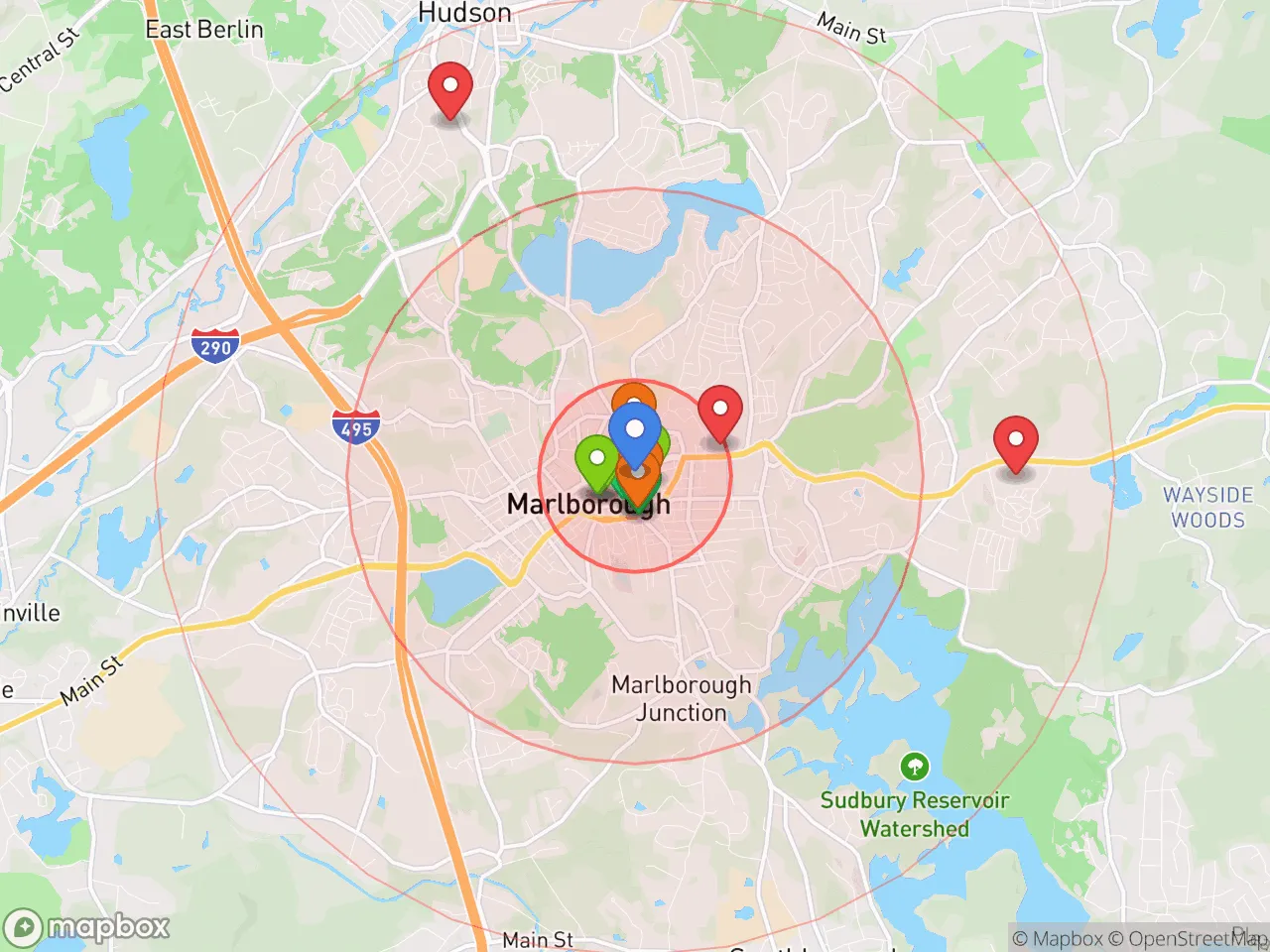
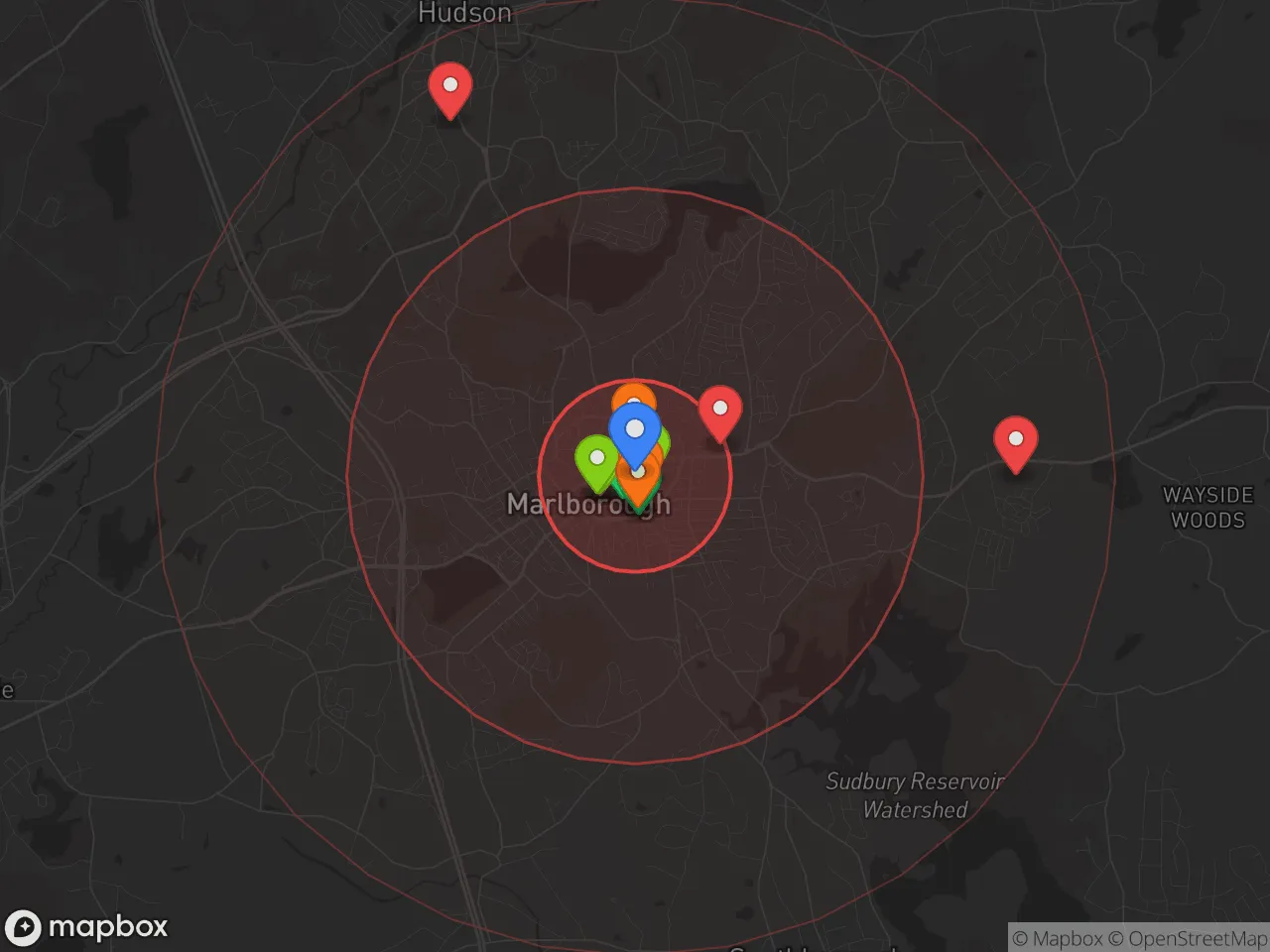
Hobbies
Explore the areaGroceries
9 within 10 miles
Gas
20 within 10 miles
Hospital
20 within 20 miles
Airport
PDX — Portland International Jetport
Post Office
USPS — Marlborough, MA
Critical Amenities
Quality-of-Life Analysis
Marlborough, Massachusetts, presents a quality of life defined by solid middle-to-upper-middle-class affluence, attracting a mix of young professionals, growing families, and long-term residents drawn to its MetroWest location. With a cost of living index of 158—58 percent above the national average—the city commands a premium for its proximity to Boston, major tech employers, and strong public schools. The population of roughly 40,000 is notably diverse for the region, with a significant Brazilian and Portuguese-speaking community, adding a distinct cultural layer to daily life that sets Marlborough apart from more homogeneous neighboring towns.
Cost of living, housing costs, and how Marlborough compares to nearby areas
Marlborough’s housing market is expensive but remains a relative value compared to pricier suburbs like Weston, Sudbury, or even Framingham. The median home value sits at $485,400, while the median rent is $1,721 per month—both figures well above national averages but notably lower than the Boston metro median. For context, a comparable home in nearby Southborough or Westborough can easily exceed $600,000, making Marlborough a more accessible entry point for buyers seeking MetroWest access. The average commute of 29.4 minutes is manageable, with Interstate 495 and Route 20 providing direct routes to Boston (roughly 35 miles east) and the Route 128 tech belt. However, property taxes in Marlborough run around 1.2% of assessed value, slightly above the state average, and utility costs are elevated, typical of New England. Renters face a tight market, with vacancy rates below 3% in recent years, pushing competition for apartments near the downtown and the booming Marlborough Hills business corridor.
What daily life is like for families: schools, parks, and local amenities
Daily life in Marlborough centers on a blend of suburban convenience and small-city amenities. The Marlborough Public Schools system serves roughly 5,000 students, with Marlborough High School offering Advanced Placement courses and a strong athletics program, though it trails top-tier districts like Lexington or Wellesley in statewide rankings. Families supplement with nearby private options, including the Fay School in Southborough. The city maintains over 20 parks, with Ghiloni Park featuring sports fields, a skate park, and walking trails along the Assabet River. The downtown area has seen revitalization, with independent restaurants, a craft brewery, and the annual Marlborough Farmers Market. For shopping, the Solomon Pond Mall anchors the northern edge, while the Marlborough Hills area hosts corporate offices for companies like Bose Corporation and Hologic, providing local employment. Commuters rely heavily on the MBTA’s Framingham/Worcester commuter rail line, with a stop at the Marlborough Depot offering direct service to Boston’s South Station in about 50 minutes. The city’s walkability is modest—most errands require a car—but the downtown core is pedestrian-friendly for a New England suburb.
Marlborough is best suited for professionals and families who prioritize a shorter commute to Boston or the Route 128 corridor over the prestige of elite school districts, and who value cultural diversity and a lower price point than neighboring towns. Empty nesters and retirees may find the property taxes and car-dependent layout less appealing, but the city’s active senior center and proximity to medical facilities like Marlborough Hospital are draws. For those seeking a balanced, affordable MetroWest lifestyle with solid schools and a real sense of community, Marlborough delivers a practical and rewarding quality of life.

Crime in Marlborough, MA
Generally safer than 73% of comparable U.S. locations.
Violent CrimeViolent Crime Analysis
Property CrimeProperty Crime Analysis
Crime Analysis
Marlborough, Massachusetts, presents a mixed safety profile for prospective residents. With a violent crime rate of 360.3 per 100,000 residents and a property crime rate of 727.8 per 100,000, the city sits above the national average for violent offenses but below it for property crime. However, the broader context of being a small city within a large, liberal-leaning metro area introduces significant concerns about the local justice system's approach to public safety.
Crime in context
Marlborough's violent crime rate is roughly 3% higher than the U.S. average of 350 per 100,000, and notably above the Massachusetts state average of 300 per 100,000. Property crime, at 727.8 per 100,000, is about 30% lower than the national average of 1,000 per 100,000, aligning more closely with the state's lower property crime rates. These figures place Marlborough in a middle tier among Metro West communities—safer than Worcester but riskier than neighboring Sudbury or Southborough. The city's proximity to Boston (30 miles west) means it shares the regional challenges of a large metro area, including the influence of progressive judicial policies that often prioritize rehabilitation over incarceration.
What residents experience
Residents report that property crimes like theft from vehicles and package theft are the most common daily annoyances, particularly in denser neighborhoods near the I-495 corridor and downtown. Violent incidents, while less frequent, are concentrated in specific areas and often involve domestic disputes or drug-related activity. A significant concern for families and long-term residents is the impact of progressive district attorneys and judges in Middlesex County, who frequently pursue diversion programs, reduced bail, and plea deals for repeat offenders. This approach, while intended to reduce recidivism, can result in more criminals remaining on the street, undermining the sense of security for law-abiding citizens. Victims of property crime, in particular, may find that perpetrators face minimal consequences, leading to frustration with the justice system.
Neighborhood-level variation
Safety in Marlborough is not uniform. The western side of the city, near the Hudson border and along the Assabet River, tends to have lower crime rates, with quiet residential streets and newer developments. In contrast, the downtown core and areas near the I-495 interchange experience higher rates of theft and vandalism. The eastern neighborhoods, closer to the Framingham line, see a mix of older housing stock and commercial zones where property crime is more prevalent. For those considering a move, proximity to the city's police substations and community patrols can be a practical factor, as response times vary. Overall, while Marlborough offers suburban amenities and access to Boston, its crime and justice environment demands careful neighborhood selection and an awareness of the regional judicial climate.
* Values derived from national, state, county, city and local statistics and may differ in a specific area. Last updated: 2026-04-24T04:55:14.000Z
Narrative content on this page is AI-generated and may contain mistakes. Verify any details that matter before acting on them.
ReloMaps may earn a commission from affiliate links at no extra cost to you.

