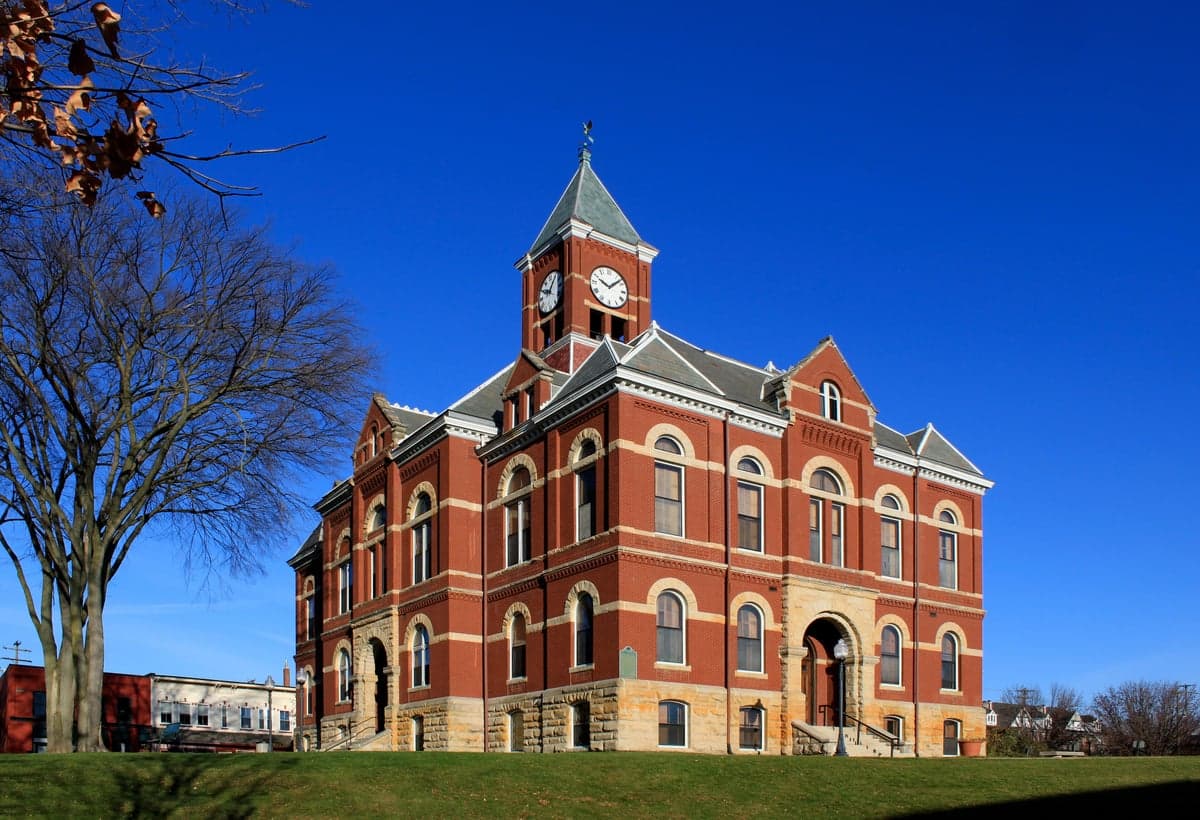
Photo: Wikipedia
Quality of Life in Livingston County
A livable area that tracks near national norms for affordability, walkability, and neighborhood health.
What does Quality of Life tell us?
Quality of Life measures an area by evaluating factors like cost of living, nearby amenities, country club access, airport proximity, socioeconomic signals and neighborhood character. For large states, this is a general average — quality of life can vary dramatically between metro areas, suburbs, and rural communities within the same state.
What does this tell us?
Quality of Life measures an area by evaluating factors like cost of living, nearby amenities, country club access, airport proximity, socioeconomic signals and neighborhood character. For large states, this is a general average — quality of life can vary dramatically between metro areas, suburbs, and rural communities within the same state.
Cost of Living
11% above national average
107%
The Real Cost of Living in Livingston County for 2026
| Tier | Individual | Family (4) |
|---|---|---|
| Survival | $20k | $37k |
| Comfortable | $64k | $95k |
| Luxury | $159k+ | $246k+ |
| Elite (Top 5%) | $187k+ | $289k+ |
Quality-of-Life Analysis
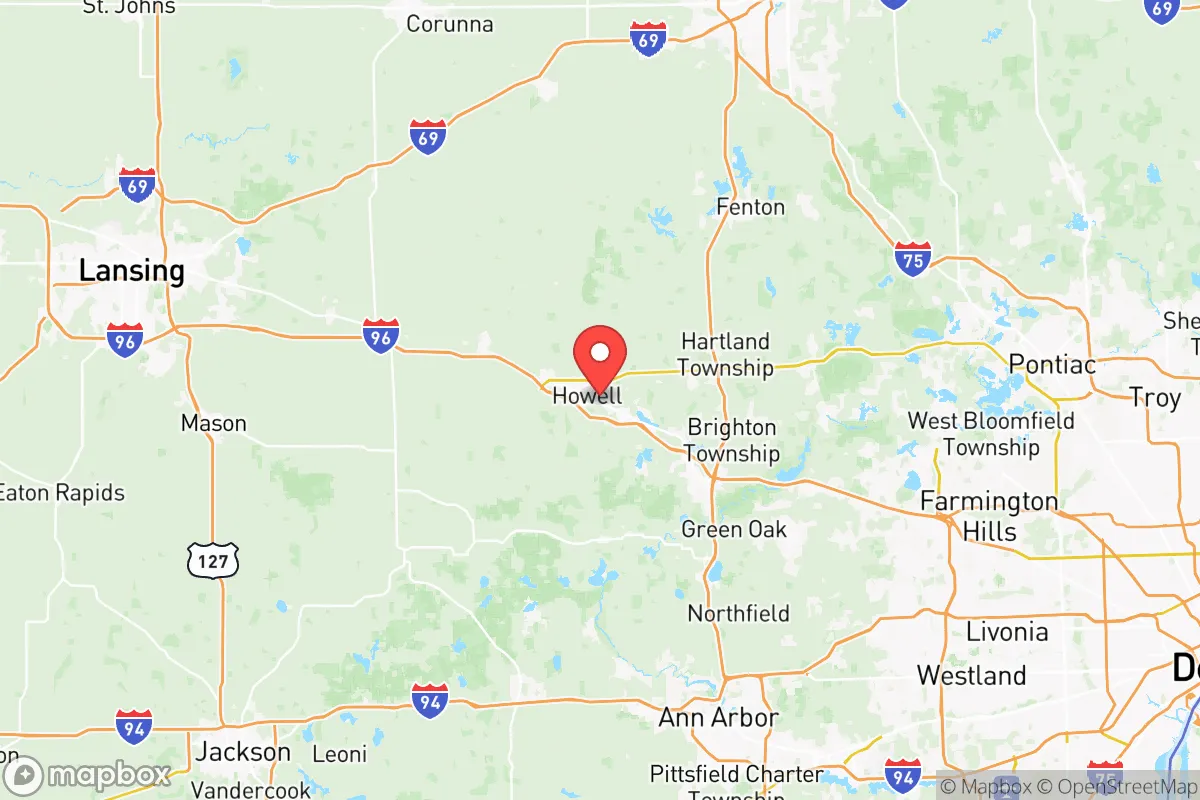
Livingston County, Michigan, offers one of the most pronounced urban-to-rural spectrums in the Detroit metro region, anchored by the bustling Howell and Brighton corridor in the east and dissolving into the quiet, lake-dotted farmlands of Cohoctah and Putnam townships in the west. With a cost-of-living index of 111 (11% above the national average) and a median home value of $331,100, the county attracts a specific demographic: commuters seeking Metro Detroit salaries with small-town school districts, plus equestrian and lakefront buyers looking for acreage within an hour of Ann Arbor and Detroit. The county’s character shifts dramatically mile by mile, from the strip-mall commerce of Grand River Avenue to the dirt roads and private lakes of the county’s rural western half.
Largest town(s) & population centers
Howell and Brighton function as the county’s dual anchors, each with a distinct personality. Brighton, with its dense downtown along Grand River Avenue, is the commercial and retail hub—home to the 1.2-million-square-foot Brighton Mall and a constant stream of traffic on U.S. 23. Daily life here is car-centric but convenient: residents can reach Ann Arbor in 25 minutes and Detroit in 45, which explains the 31-minute average commute countywide. Howell, the county seat, retains a more traditional small-city feel with its historic courthouse square, the Livingston County Fairgrounds, and a walkable downtown of independent shops and restaurants. Howell’s housing stock skews older and more affordable than Brighton’s, with many century homes near downtown. A third node, Fenton, spills into the county’s southeast corner and offers a popular lakefront downtown centered on the shores of Lake Fenton, drawing weekend crowds to its parks and boat launches.
Smaller towns & rural pockets
Beyond the main corridors, Livingston County’s small towns and unincorporated villages define its rural character. Pinckney, in the southwest, is the gateway to the 22,000-acre Pinckney Recreation Area, a network of hiking and mountain-bike trails that gives the town a distinctly outdoorsy identity. Hartland, straddling the county’s eastern edge, is a bedroom community built around the highly rated Hartland Consolidated Schools, with new subdivisions pushing into former farm fields. Fowlerville, in the northwest, is the county’s most affordable incorporated village—a working-class farming town with a grain elevator still active downtown and a summer festival culture. The unincorporated hamlets of Cohoctah, Deerfield, and Iosco are pure rural: no stoplights, scattered farmsteads, and gravel roads that can feel a world away from Brighton’s traffic. Lake Chemung and Lake Victoria are unincorporated lake communities where summer cottages are slowly converting to year-round homes.
Cost & lifestyle range
The cost spread across Livingston County is wider than the countywide median suggests. At the high end, Brighton and Genoa Township command median home values above $400,000, with new construction in developments like the Hills of Genoa pushing past $600,000; lakefront properties on Lake Chemung and Lake Ore Lake regularly list between $500,000 and $1 million. The median rent of $1,236 is most representative of Howell and Fenton, where a two-bedroom apartment runs $1,100–$1,400. At the low end, Fowlerville and Cohoctah Township offer median home values near $250,000, and older fixer-uppers in downtown Howell can still be found under $200,000. The lifestyle tradeoff is direct: Brighton and Hartland buyers pay a premium for top-tier schools (Hartland and Brighton districts both rank in Michigan’s top 20%) and retail convenience, while western county residents accept a 35–45 minute drive to the nearest Meijer or hospital in exchange for acreage, privacy, and lower property taxes—Livingston County’s millage rate is roughly 30% lower than neighboring Washtenaw County’s.
The county’s real estate market has tightened since 2020, with inventory down and the median home value of $331,100 representing a 45% increase over five years, but it remains roughly 15% below comparable Oakland County suburbs. Commuters should note that U.S. 23 and I-96 both bottleneck at peak hours; the 31-minute average commute masks a 50–60 minute drive from Fowlerville to Detroit. The county has no major hospital—residents rely on St. Joseph Mercy Livingston in Howell and travel to Ann Arbor for specialized care—and public transit is essentially nonexistent outside Brighton and Howell.
Livingston County rewards buyers who know exactly what they want. Young families with school-age children gravitate to Hartland and Brighton for the districts and the short commute to Oakland County tech jobs. Outdoor enthusiasts and equestrians find their niche in Pinckney and the lake towns, where trail access and waterfront are the primary amenities. Budget-conscious buyers willing to trade convenience for space will find genuine value in Fowlerville and the western townships. The county’s diversity is its strength—but it is a diversity of landscape and lifestyle, not of demographics, as the county remains over 90% white and politically conservative. Those seeking dense urban energy or significant cultural diversity will find Livingston County limiting; those seeking a specific, self-selected version of Michigan living—whether suburban convenience or rural solitude—will find a place that delivers exactly that.

Crime in Livingston County
Crime rates similar to the national median for U.S. locations.
Violent CrimeViolent Crime Analysis
Property CrimeProperty Crime Analysis
Crime Analysis
Livingston County, Michigan, presents a mixed safety picture defined by a sharp contrast between its affluent, low-crime western communities and its more challenged eastern corridor. The county’s overall violent crime rate of 417.3 per 100,000 residents and property crime rate of 1,258.6 per 100,000 place it above the national average, yet these figures obscure significant internal variation. Communities like Brighton and Howell anchor the county’s reputation for safety, while the city of Howell and areas along the I-96 corridor near Fowlerville and Pinckney report a disproportionate share of incidents.
Crime in context
Livingston County’s violent crime rate of 417.3 per 100,000 is roughly 12% higher than the national average of approximately 373 per 100,000, and notably higher than the Michigan state average of about 460 per 100,000 when adjusted for population. The property crime rate of 1,258.6 per 100,000 sits slightly above the national figure of 1,195 per 100,000. These numbers place Livingston County in the middle tier of Michigan’s 83 counties — safer than urban centers like Wayne County (Detroit) or Genesee County (Flint), but measurably less safe than neighboring rural counties like Shiawassee or Ingham’s western townships. The county’s proximity to the Detroit metro area, particularly the I-96 and US-23 corridors, brings both economic vitality and crime spillover from higher-crime urban centers.
What residents experience
Residents in the western half of the county — specifically in Brighton, Genoa Township, and Hartland — report the lowest incidence of both violent and property crime, with Brighton’s violent crime rate running roughly 40% below the county average. The city of Howell, the county seat, experiences a higher concentration of property crimes, particularly thefts from vehicles and retail theft, driven by its commercial district and the Howell State Recreation Area’s transient traffic. Fowlerville, in the county’s northeast, has seen a modest uptick in drug-related offenses and domestic incidents over the past three years, while Pinckney and the surrounding Putnam Township report occasional break-ins tied to seasonal lakefront properties. The county’s judicial system, overseen by the 53rd District Court in Howell, operates under a conservative sentencing philosophy that emphasizes jail time over diversion programs — a factor that keeps repeat offenders off the streets compared to more progressive jurisdictions in Washtenaw County to the south.
Neighborhood-level variation
Safety in Livingston County is heavily stratified by municipality and even by subdivision. The gated lake communities around Brighton and the newer developments in Oceola Township consistently report near-zero violent crime, while the older rental stock near downtown Howell and the mobile home parks along M-59 in the county’s southeast corner see the highest call volumes. The county sheriff’s office, which patrols all unincorporated areas, maintains a visible presence along the US-23 and I-96 corridors, but response times in the rural northern townships — Conway, Iosco, and Handy — can exceed 15 minutes. For families considering a move, the data suggests prioritizing the western communities of Brighton, Hartland, and Genoa Township for the lowest risk, while exercising caution around Howell’s core and the Fowlerville industrial zone. The county’s overall trajectory is stable, with no dramatic year-over-year spikes, but the east-west divide remains the single most reliable predictor of safety for prospective residents.
* Values derived from national, state, county, city and local statistics and may differ in a specific area. Last updated: 2026-10-13T12:16:39.000Z
Narrative content on this page is AI-generated and may contain mistakes. Verify any details that matter before acting on them.
ReloMaps may earn a commission from affiliate links at no extra cost to you.

