Photo: Wikipedia
Find The Best Places To Live in Livingston County
PRO TIP! You can paste a Zillow or Redfin link to get info on that property.
Best Places to Live in Livingston County
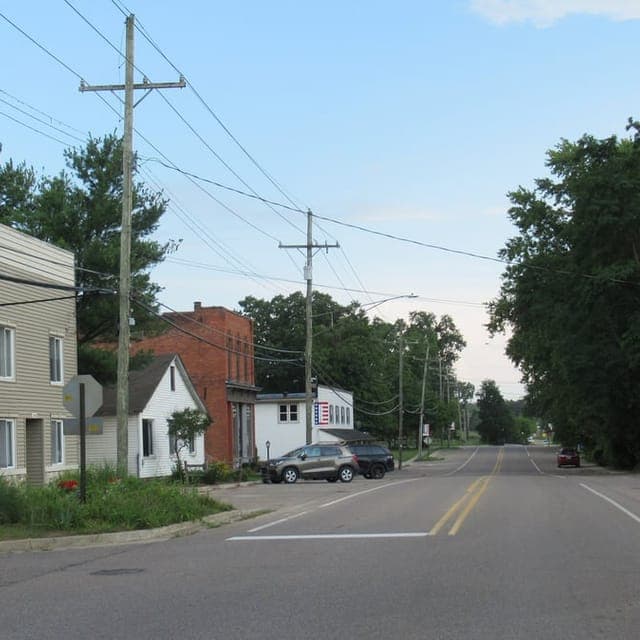
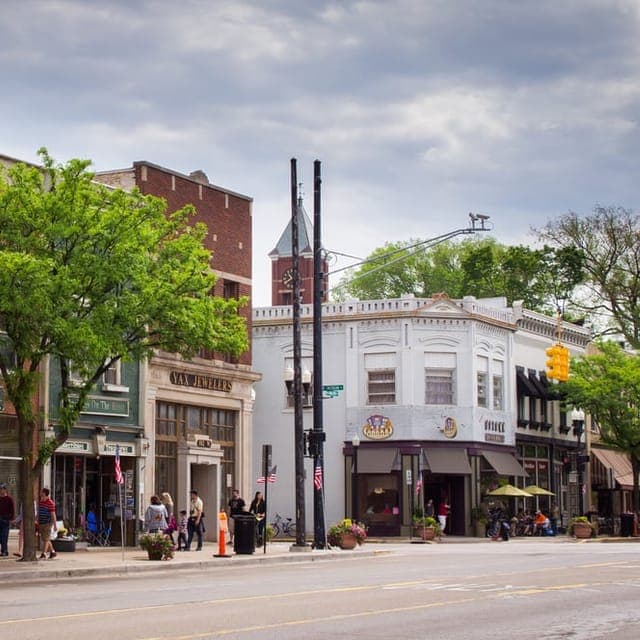
Cities & Towns in Livingston County
Cities in Livingston County
What It's Like Living in Livingston County, MI
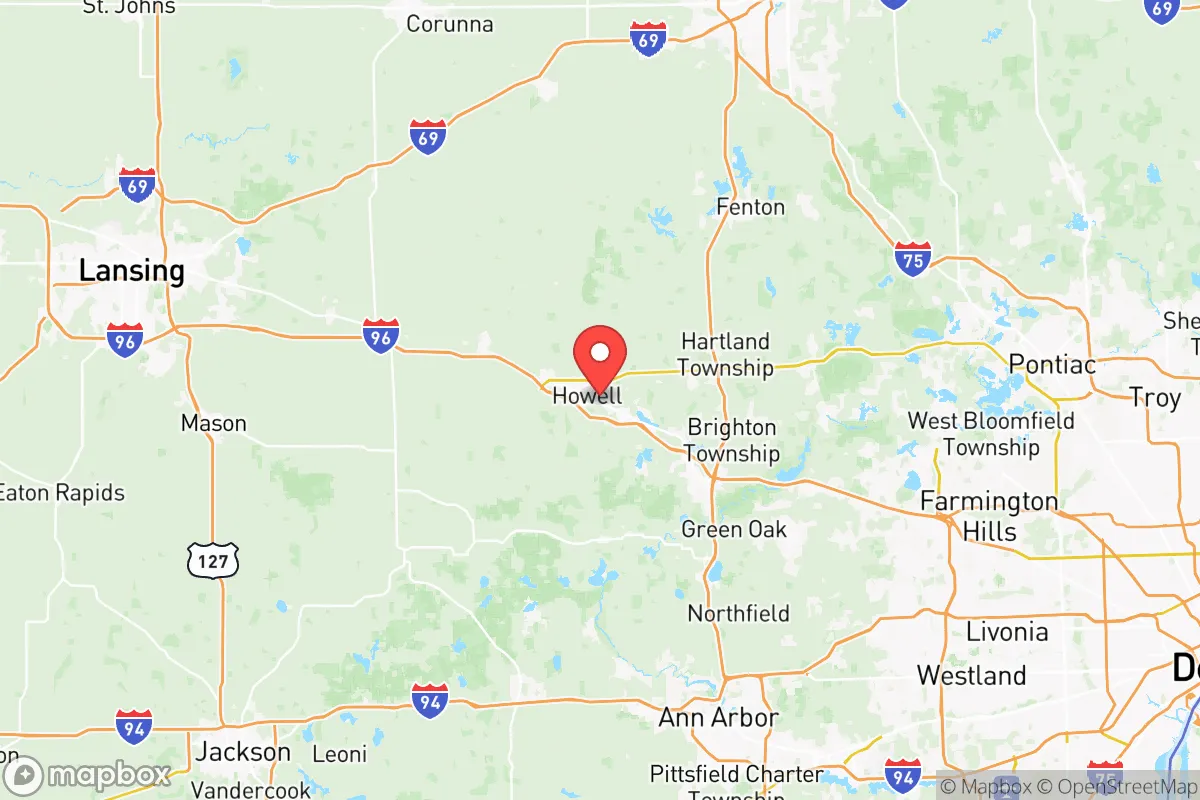
Livingston County is that place where people from metro Detroit move when they want a big yard, good schools, and a quieter pace — but don't want to feel completely cut off from the city. It’s a county of 195,143 people spread across established towns like Howell and Brighton, smaller villages like Fowlerville and Pinckney, and plenty of rural roads in between. The identity here is firmly suburban-rural: you’ll see tractors sharing the road with commuters heading to Detroit or Ann Arbor, and Friday nights in the fall belong to high school football.
The Daily Rhythm: Commutes, Errands, and Where Everyone Goes
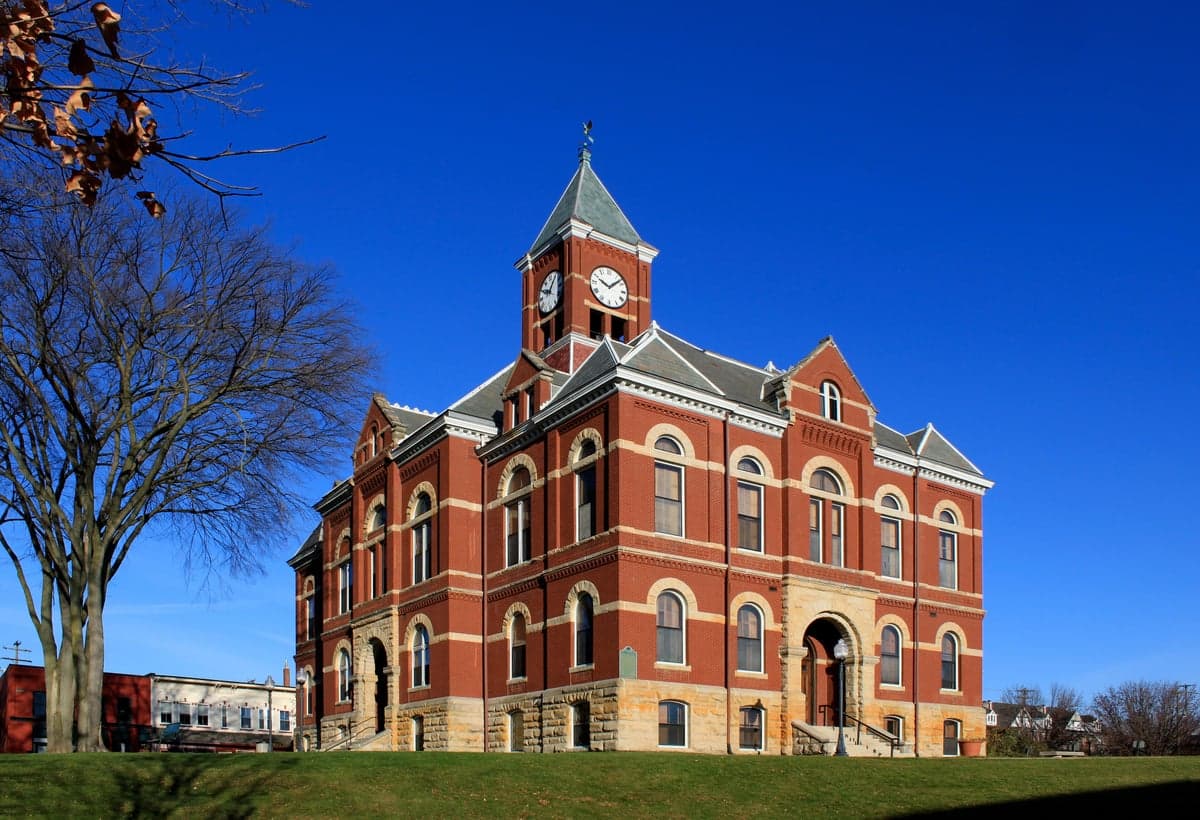
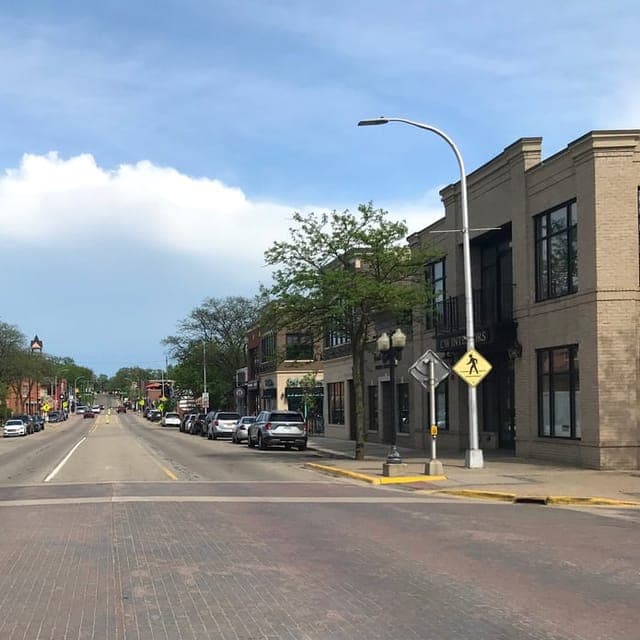
Livingston County is a bedroom community in the truest sense. The average commute runs about 31 minutes, and for many residents that means a daily drive down I-96 to jobs in Detroit, Auburn Hills, or Novi. Brighton and Howell are the commercial hubs — Brighton’s Grand River Avenue is a long strip of chain restaurants, big-box stores, and car dealerships, while Howell’s historic downtown offers a more walkable, small-town feel with its old courthouse square and independent shops. For groceries and errands, most people stick close to home; for serious shopping or a night out, they’ll head to Novi’s Twelve Oaks Mall or into Ann Arbor, both about 30–40 minutes away.
Weekends here revolve around the house and the outdoors. The county is dotted with lakes — Brighton’s Lake Chemung, Whitmore Lake, and the chain of lakes around Pinckney — and the Pinckney Recreation Area draws hikers and mountain bikers to its Waterloo-Pinckney Trail. In the winter, ice fishing and snowmobiling take over. The Brighton Coffee House and Howell’s Brewing Company are the kinds of spots where you’ll run into neighbors; there’s no real nightlife scene to speak of, and that’s fine with most residents.
Who Fits In Here: Families, Tradespeople, and Commuters
This is a county built around family life. The median age is 43.8, and the median household income sits at $101,315 — comfortably above the national average, supported by a mix of white-collar commuters and skilled tradespeople who work in the auto industry and its suppliers. About 39.2% of adults hold a college degree, which puts it ahead of the state average but well behind neighboring Washtenaw County. The median home value is $331,100, and with a cost of living index of 111, you’ll pay a noticeable premium over the national norm — but less than you would for a comparable house in Ann Arbor or Birmingham.
The kind of person who thrives here is someone who wants good schools and a safe yard for the kids, and is willing to trade urban convenience for space. Fowlerville, in the northern part of the county, is the most affordable entry point and still feels genuinely rural. Hartland and Howell attract families who want the small-town school experience with decent access to the freeway. If you’re single and looking for a vibrant social scene, this is probably not the place — the county skews heavily toward married couples with children, and most social life revolves around school events, youth sports, and neighborhood gatherings.
Sports, Schools, and the Things That Bring People Together
High school sports are the cultural centerpiece here. Brighton’s football and hockey programs are perennial state contenders, and Howell’s wrestling team has a statewide reputation. On fall Fridays, the stands at Brighton High School and Howell High School are packed — it’s less about the game and more about the community catching up. There’s no professional sports team in the county, but Detroit’s Lions, Tigers, and Red Wings are all within an hour’s drive, and you’ll see plenty of Michigan and Michigan State flags flying on game days.
The schools themselves are a major reason people move here. Brighton, Hartland, and Howell all have strong reputations, and the county’s districts consistently rank among the top in the region. That said, school funding and millage votes are a perennial source of local tension — residents are generally supportive of their schools but wary of tax increases. The county also hosts the Howell Melon Festival every August, a quirky tradition that celebrates the area’s famous melon-growing history with a parade, carnival, and, yes, free melon slices. It’s exactly the kind of small-town event that defines the county’s identity.
Pros and Cons of Living Here
- Pros: Excellent public schools, low unemployment, easy access to Detroit and Ann Arbor, abundant lakes and parks, a genuine small-town feel in Howell and Fowlerville, and a strong sense of community built around schools and local events.
- Cons: The commute is real — 31 minutes on average, and worse if you’re heading into Detroit. The violent crime rate of 417.3 per 100,000 is higher than many people expect for a suburban county, though it’s concentrated in a few specific areas. Housing costs have climbed steadily, pricing out younger buyers. And if you’re not into outdoor recreation or youth sports, the entertainment options are limited.
One thing longtime residents will tell you honestly: the county is changing. New subdivisions are going up around Brighton and Hartland, and the rural character that drew people here in the 1990s is slowly giving way to sprawl. Traffic on I-96 during rush hour is stop-and-go, and the county’s infrastructure is playing catch-up with growth. But for families who want a safe, predictable, community-oriented life with a big backyard and good schools, Livingston County still delivers — you just have to be okay with the drive.

* Values derived from national, state, county, city and local statistics and may differ in a specific area. Last updated: 2026-10-13T12:16:39.000Z
Narrative content on this page is AI-generated and may contain mistakes. Verify any details that matter before acting on them.
ReloMaps may earn a commission from affiliate links at no extra cost to you.

