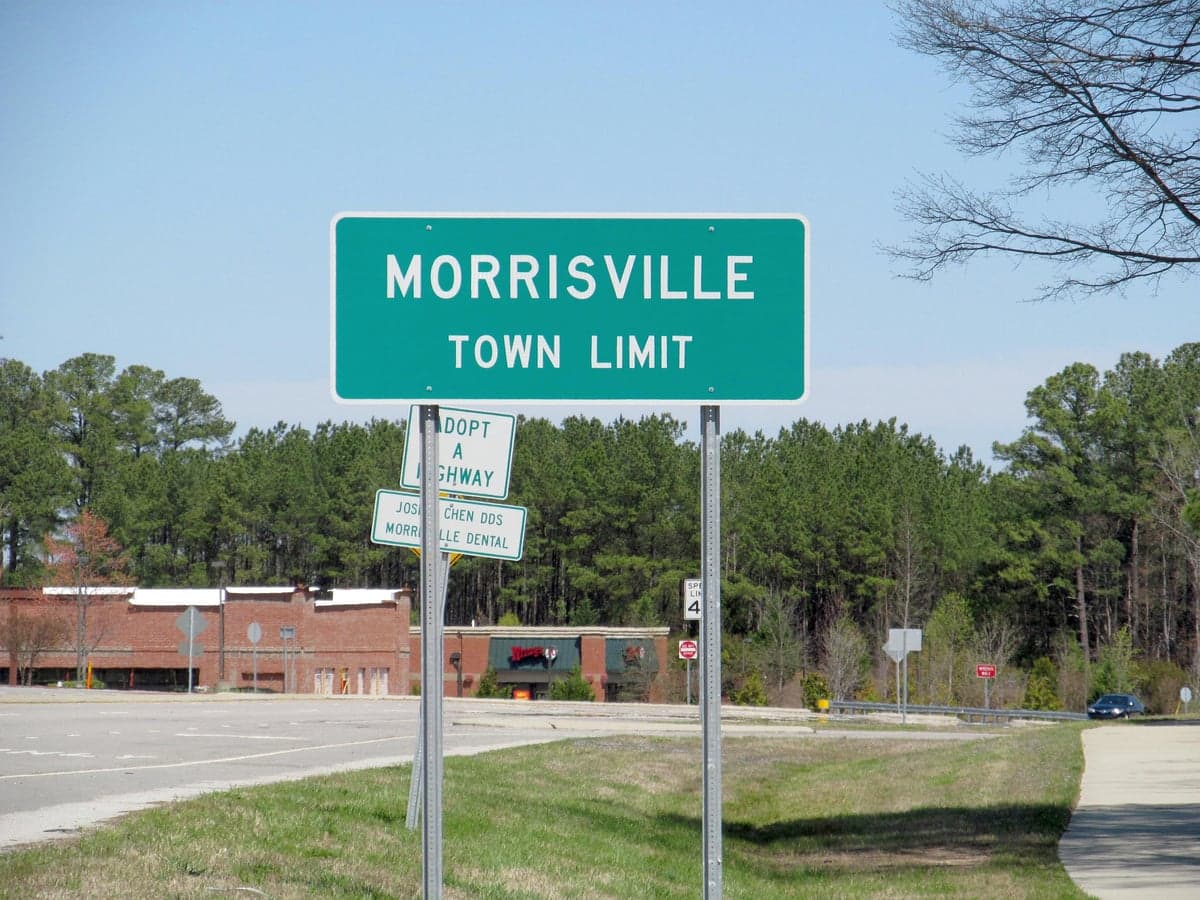
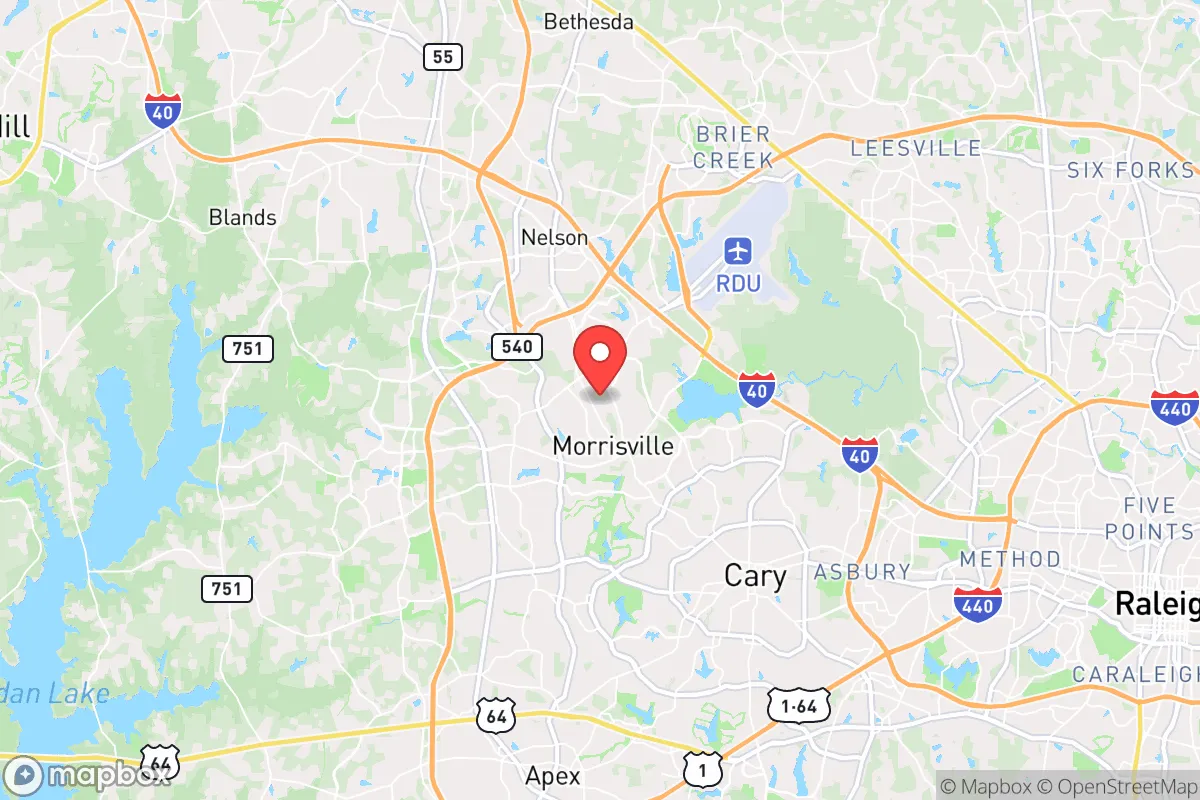
Photo: Wikipedia
Quality of Life in Morrisville, NC
A high quality of life with strong walkability, manageable living costs, healthy neighborhood signals, and solid amenity access.
What does Quality of Life tell us?
Quality of Life blends cost of living, nearby amenities, socioeconomic signals, and neighborhood character. City-level scores represent the whole municipality; individual neighborhoods can differ.
What does this tell us?
Quality of Life blends cost of living, nearby amenities, socioeconomic signals, and neighborhood character. City-level scores represent the whole municipality; individual neighborhoods can differ.
Cost of Living
60% above national average
The Real Cost of Living in Morrisville, NC for 2026
| Tier | Individual | Family (4) |
|---|---|---|
| Survival | $28k | $54k |
| Comfortable | $94k | $138k |
| Luxury | $165k+ | $256k+ |
| Elite (Top 5%) | $194k+ | $301k+ |
91%
The Area Signal
A metric tracking the socioeconomic signals of the area.
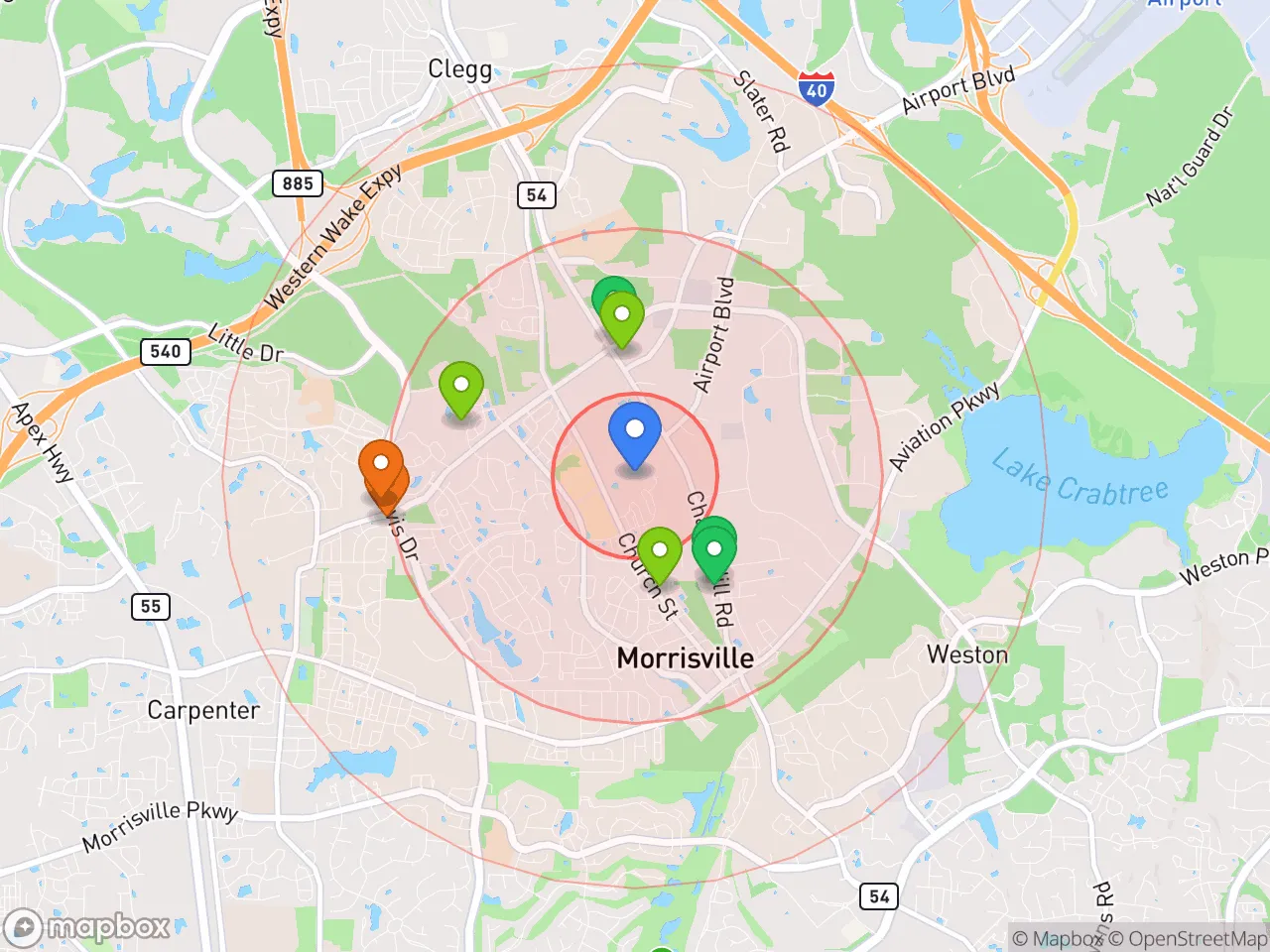
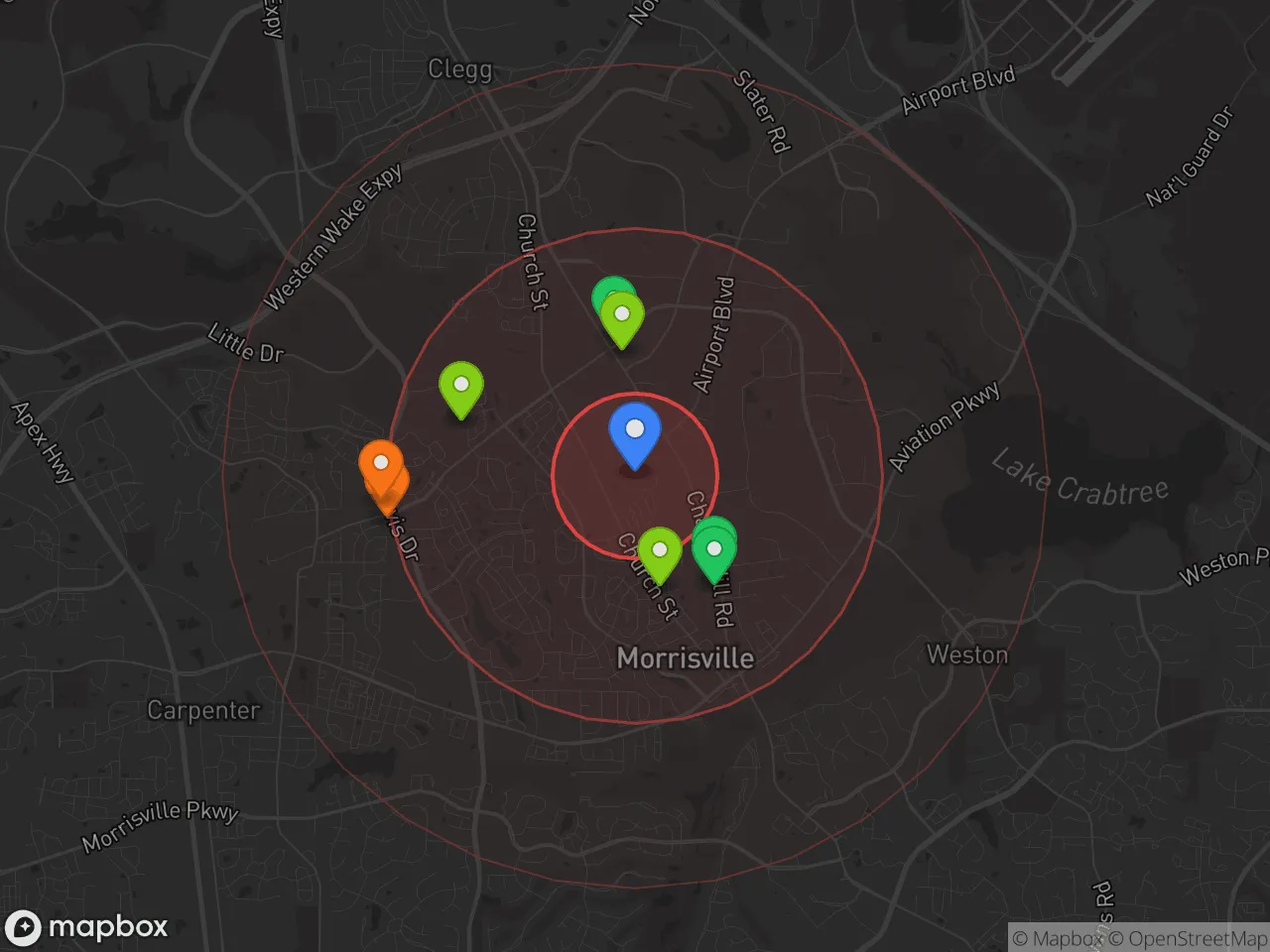
Hobbies
Explore the areaGroceries
7 within 10 miles
Gas
20 within 10 miles
Hospital
20 within 20 miles
Airport
RDU — Raleigh–Durham International
Post Office
USPS — Morrisville, NC
Critical Amenities
Quality-of-Life Analysis
Morrisville, North Carolina, is a high-affluence suburb of Raleigh-Durham that attracts a dense concentration of tech professionals, biotech researchers, and young families drawn by the Research Triangle Park economy. With a cost-of-living index of 160—60 percent above the national average—the town commands a premium for its short commutes, top-tier schools, and master-planned neighborhoods, but remains notably more affordable than comparable job hubs like San Jose or Boston. The median household income hovers well above $100,000, reflecting a population that prioritizes proximity to work, green space, and strong public education over low housing costs.
Cost of living, housing prices, and how Morrisville compares to nearby cities
Morrisville’s housing market is the primary driver of its elevated cost-of-living index. The median home value sits at $481,800, roughly 50 percent higher than the national median, while the median rent of $1,785 outpaces both the U.S. average and neighboring towns like Cary ($1,650) and Apex ($1,700). Compared to downtown Raleigh, where the median rent exceeds $1,900, Morrisville offers a slight discount for renters while still delivering a suburban layout. The town’s inventory is dominated by single-family homes built after 2000, many in HOAs with amenities like pools and walking trails. For buyers, the price per square foot averages around $220, which is competitive with Cary ($240) but significantly cheaper than Chapel Hill ($290). Property taxes in Wake County run about 0.85 percent of assessed value, a moderate rate that helps offset the high purchase prices. The trade-off is clear: residents pay a premium for a short commute—the average travel time to work is just 20.3 minutes, well below the national average of 26 minutes—and for access to some of the state’s best-rated public schools.
What daily life is like for families: schools, parks, and local amenities
Daily life in Morrisville revolves around the Wake County Public School System, which consistently ranks among North Carolina’s top districts. Elementary schools such as Morrisville Elementary and Alston Ridge Elementary earn 9/10 ratings on GreatSchools, while Panther Creek High School offers IB and AP programs with a graduation rate above 95 percent. The town itself is a network of greenways and pocket parks—Lake Crabtree County Park provides 215 acres of hiking, fishing, and mountain biking, and the 12-mile Crabtree Creek Trail connects directly to Research Triangle Park. Retail is concentrated along NC-54 and McCrimmon Parkway, anchored by the Park West Village shopping center with a Wegmans, Target, and multiple dining options. The rhythm is distinctly suburban: families fill the parks on weekends, commuters cycle to nearby office campuses, and the town’s annual Morrisville Day festival draws thousands. Nightlife is minimal—most residents drive 15 minutes to downtown Raleigh or Durham for bars and live music—but the trade-off is a quiet, low-crime environment with violent crime rates roughly 70 percent below the national average.
Morrisville is best suited for professionals and families who work in or near Research Triangle Park and prioritize short commutes, excellent schools, and a safe, planned suburban environment over urban energy or low housing costs. Empty nesters and retirees may find the HOA-heavy neighborhoods and family-centric amenities less appealing, while singles without children might prefer the walkable districts of Raleigh or Durham. For anyone earning a six-figure household income and seeking a high-quality, low-stress daily routine within 20 minutes of major tech employers, Morrisville delivers a clear value proposition that justifies its premium price tag.

Crime in Morrisville, NC
Lower crime rates than 77% of comparable U.S. locations.
Violent CrimeViolent Crime Analysis
Property CrimeProperty Crime Analysis
Crime Analysis
Morrisville, North Carolina, is statistically one of the safest cities in the Triangle region, with a violent crime rate of 84.1 per 100,000 residents—roughly one-fifth the national average. However, its property crime rate of 2,294.1 per 100,000 is notably higher than the state average, reflecting the typical suburban pattern of theft and vehicle break-ins common in fast-growing, affluent tech hubs. The overall safety picture is strong for violent offenses, but residents should remain vigilant about property security, especially in apartment complexes and retail corridors.
Crime in context
Morrisville’s violent crime rate is dramatically lower than both the North Carolina state average (roughly 350 per 100K) and the U.S. national rate (about 380 per 100K). This places the town among the safest 10% of municipalities in the state for violent offenses. Property crime, however, runs about 15% above the state average and is concentrated in areas near the Research Triangle Park (RTP) and major shopping centers like Park West Village. The town benefits from a well-funded police department and a relatively affluent, educated population, which correlates with lower violent crime. Yet as a small city within a large, progressive-leaning metro area (Wake County), residents should be aware that broader regional trends—including policies from district attorneys and judges that prioritize diversion and reduced incarceration—can influence recidivism and the overall effectiveness of the justice system in keeping repeat offenders off the streets.
What residents experience
Daily life in Morrisville feels safe for most families, with the most common crimes being larceny from vehicles, package theft, and occasional burglaries in newer subdivisions. The town’s violent incidents are rare and typically involve domestic disputes or isolated altercations rather than random street crime. However, the property crime rate is a genuine concern: at 2,294.1 per 100,000, it translates to roughly 1 in 44 households experiencing a property crime annually. This is driven partly by the town’s proximity to RTP, where transient workers and visitors create opportunities for theft. The progressive judicial philosophy prevalent in Wake County—emphasizing restorative justice and reduced sentencing for non-violent offenders—means that property crime offenders often face minimal jail time, which can embolden repeat thefts and frustrate victims seeking accountability.
Neighborhood-level variation is significant. Established single-family-home areas like Carpenter Village and the McCrimmon Parkway corridor report very low crime, while apartment complexes near the I-540 and NC-54 interchanges see higher rates of vehicle break-ins and package theft. The town’s police department publishes a transparent crime map, and most residents consider the trade-off of low violent crime against moderate property crime acceptable—provided they take basic precautions like locking cars and using package lockers. For those prioritizing safety above all, the western side of Morrisville near the Chatham County line tends to be the quietest, with fewer transient populations and more neighborhood watch activity.
* Values derived from national, state, county, city and local statistics and may differ in a specific area. Last updated: 2026-04-21T16:52:22.000Z
Narrative content on this page is AI-generated and may contain mistakes. Verify any details that matter before acting on them.
ReloMaps may earn a commission from affiliate links at no extra cost to you.

