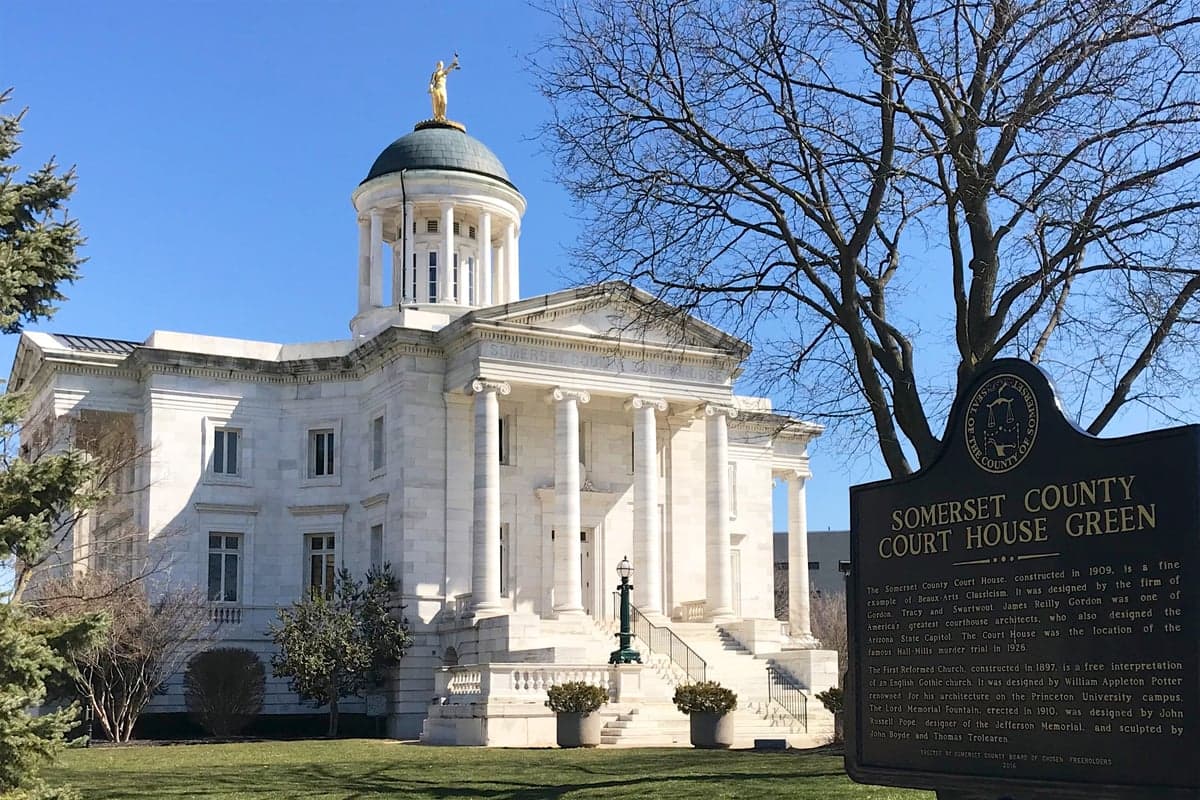
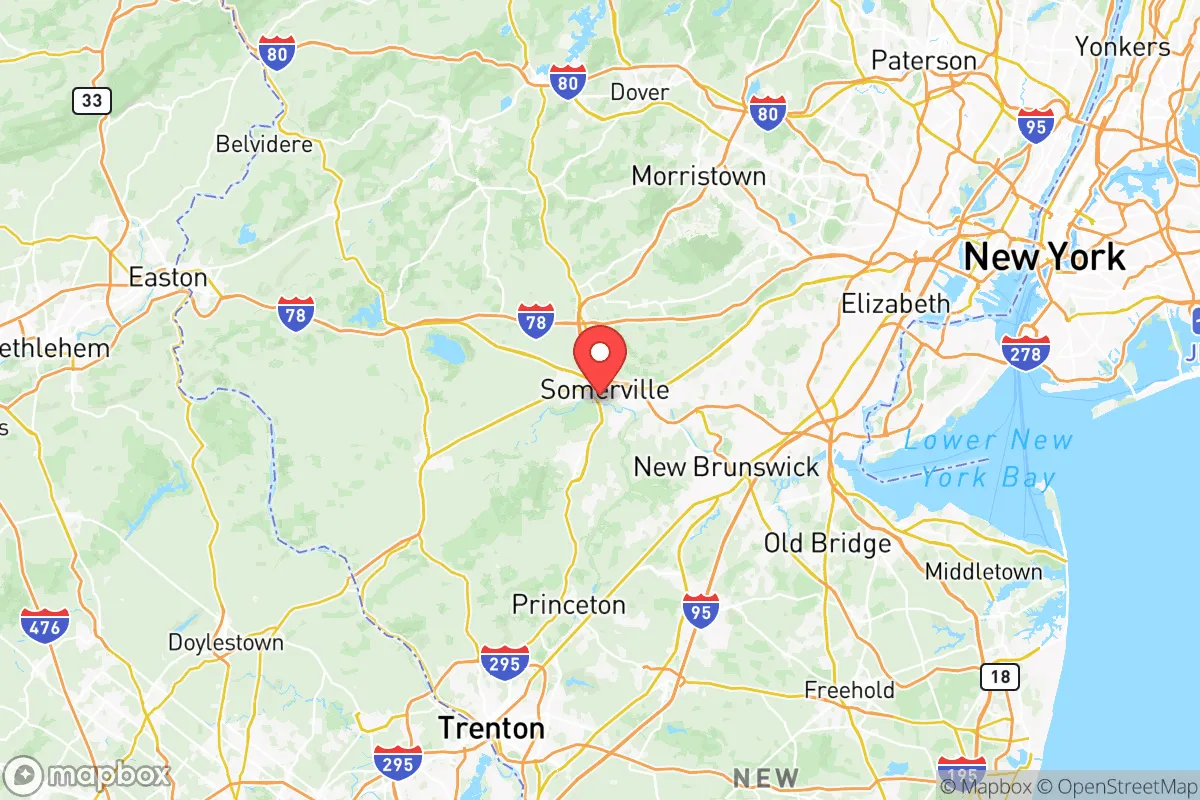
Photo: Wikipedia
Quality of Life in Somerset County
A livable area that tracks near national norms for affordability, walkability, and neighborhood health.
What does Quality of Life tell us?
Quality of Life measures an area by evaluating factors like cost of living, nearby amenities, country club access, airport proximity, socioeconomic signals and neighborhood character. For large states, this is a general average — quality of life can vary dramatically between metro areas, suburbs, and rural communities within the same state.
What does this tell us?
Quality of Life measures an area by evaluating factors like cost of living, nearby amenities, country club access, airport proximity, socioeconomic signals and neighborhood character. For large states, this is a general average — quality of life can vary dramatically between metro areas, suburbs, and rural communities within the same state.
Cost of Living
73% above national average
91%
The Real Cost of Living in Somerset County for 2026
| Tier | Individual | Family (4) |
|---|---|---|
| Survival | $31k | $58k |
| Comfortable | $102k | $150k |
| Luxury | $246k+ | $381k+ |
| Elite (Top 5%) | $300k+ | $465k+ |
Quality-of-Life Analysis
Somerset County, New Jersey offers a broad spectrum of quality-of-life options, from dense, transit-oriented suburbs to quiet, agricultural hamlets. The county’s character shifts noticeably as you move from its northeastern edge, anchored by the bustling commercial hub of Bridgewater, to the more rural, horse-farm country of the western and southern townships. This diversity attracts a wide range of residents: professionals commuting to New York City or corporate parks in the county, families seeking top-ranked schools, and those looking for a slower pace on acreage.
Largest town(s) & population centers
The county’s largest population center is Bridgewater Township, a sprawling suburban municipality of roughly 45,000 residents. Daily life here revolves around the Bridgewater Commons Mall, extensive retail corridors along Route 22 and Route 202/206, and major corporate employers like Sanofi and Johnson & Johnson. The area is highly walkable in planned subdivisions but car-dependent for errands. Somerville, the county seat, is a smaller, more walkable borough with a historic downtown, a train station on the Raritan Valley Line, and a growing restaurant scene. Hillsborough Township, the county’s most populous municipality (over 40,000), is a classic suburban bedroom community with large single-family homes, excellent schools, and limited commercial core, resulting in a very car-dependent lifestyle. Franklin Township, home to the massive Somerset Corporate Center and a large Asian-American community, offers a mix of suburban subdivisions, apartment complexes, and significant open space along the Delaware and Raritan Canal.
Smaller towns & rural pockets
Moving west and south, the landscape opens up. Bernardsville and Far Hills in the northern Watchung Mountains are affluent, small boroughs with historic downtowns, large estates, and a strong equestrian tradition. Peapack-Gladstone is even more rural, centered on the Gladstone train station and the Natirar park estate. In the southern part of the county, Montgomery Township (including the unincorporated village of Belle Mead) and Rocky Hill are characterized by rolling hills, preserved farmland, and large-lot zoning. Skillman, an unincorporated community within Montgomery, is home to the Sourland Mountain region, a heavily forested, sparsely populated area with dirt roads and wildlife corridors. These areas offer a distinctly rural feel while still being within a 20-minute drive of major shopping and highways.
Cost & lifestyle range
The cost of living and lifestyle vary dramatically across the county. The county’s overall cost-of-living index is 173 (100 = U.S. average), with a median home value of $523,900 and median rent of $1,921. At the high end, Bernardsville and Far Hills have median home values well above $800,000, with large estates and a quiet, exclusive atmosphere. At the more accessible end, Somerville and parts of Franklin Township offer condos and smaller single-family homes in the $350,000–$450,000 range, and rental apartments are more plentiful. The average commute of 31.5 minutes reflects the county’s position as a major employment center itself, with many residents working in the Bridgewater, Franklin, or Princeton corridors. Those commuting to Manhattan face a longer trip: 60–90 minutes via NJ Transit from Somerville or Bridgewater stations. The lifestyle spectrum runs from the urban-adjacent, walkable downtown of Somerville to the five-acre horse farms of Peapack-Gladstone, with everything in between.
Somerset County is best suited for those who value excellent public schools, low crime rates, and proximity to both nature and major employment hubs. Families with children thrive in the top-rated school districts of Bridgewater-Raritan, Montgomery, and Bernards. Commuters who work in the county’s corporate parks or in northern New Jersey will find the commute manageable, while those heading to Manhattan daily should budget for a longer trip. People seeking a true rural lifestyle on acreage will find it in the Sourland Mountain region or the western townships, while those wanting a walkable downtown with train access will prefer Somerville or Bernardsville. The county’s high cost of living is offset by strong job opportunities and high quality of life, making it a consistent top performer in national rankings.

Crime in Somerset County
WARNING: The crime statistics are unreliable for this jurisdiction. Local authorities have either not reported or under reported their data to the FBI. This could be due to bad intentions, incompetence or technical issues. Regardless, we suggest skepticism.
Crime rates similar to the national median for U.S. locations.
Violent CrimeViolent Crime Analysis
Property CrimeProperty Crime Analysis
Crime Analysis
Somerset County, New Jersey, is one of the safest large counties in the state, with violent crime rates significantly below both the New Jersey average and national benchmarks. The county recorded a violent crime rate of 193.6 incidents per 100,000 residents and a property crime rate of 1,237.1 per 100,000 in the most recent reporting period. These figures place Somerset among the most secure suburban counties in the New York metropolitan area, though property crime remains a concern in certain commercial corridors and transit-adjacent communities.
Crime in context
Somerset County’s violent crime rate is roughly half the national average and well below the New Jersey state rate of approximately 210 per 100,000. The county benefits from high median household incomes, low unemployment, and a dense network of well-funded local police departments. Property crime, while higher than violent crime, still trails the national average by about 15%. The most common property offenses are theft from motor vehicles and package theft, concentrated in downtown areas and commuter rail stations. Somerset’s location along the I-287 and Route 22 corridors means transient property crime—often tied to organized retail theft rings operating out of Newark or Elizabeth—is a persistent but manageable issue.
What residents experience
Residents in Somerset County’s wealthier enclaves report feeling very safe. Towns such as Bernardsville, Far Hills, and Peapack-Gladstone consistently record violent crime rates near zero, with most police calls involving traffic enforcement or minor property disputes. In contrast, the county’s more densely populated and diverse communities—Somerville, Bound Brook, and Manville—see higher rates of both violent and property crime. Somerville, the county seat, has a violent crime rate roughly double the county average, driven by its downtown nightlife, proximity to the Raritan Valley Line train station, and a concentration of rental housing. Bound Brook, historically flood-prone and economically mixed, struggles with gang-related activity and drug offenses, though overall numbers remain low by regional standards. The Somerset County Prosecutor’s Office and local police departments maintain a cooperative, data-driven approach, but residents in these towns should exercise standard urban precautions: locking vehicles, securing packages, and avoiding isolated areas after dark.
Neighborhood-level variation and judicial climate
The starkest safety divide in Somerset County is between its rural/semi-rural western towns and its more urbanized eastern corridor. Hillsborough and Montgomery townships, which are large, affluent, and family-oriented, report violent crime rates below 100 per 100,000—comparable to the safest suburbs in the nation. Meanwhile, Franklin Township, which borders Middlesex County and includes the diverse Somerset section of New Brunswick, has a property crime rate that exceeds the county average due to its dense apartment complexes and proximity to Rutgers University. A concern for safety-conscious residents is the judicial philosophy of the Somerset County Superior Court, which operates under New Jersey’s progressive bail reform and sentencing guidelines. While the county itself is not as liberal as Hudson or Essex counties, the state-level push toward decarceration and diversion programs means that repeat property offenders and some violent offenders may receive lighter sentences than in more conservative jurisdictions. This judicial climate, combined with New Jersey’s strict gun laws, means that while Somerset is objectively safe, residents should remain vigilant about property crime and the potential for early release of offenders from county jail.
* Values derived from national, state, county, city and local statistics and may differ in a specific area. Last updated: 2026-09-30T11:10:15.000Z
Narrative content on this page is AI-generated and may contain mistakes. Verify any details that matter before acting on them.
ReloMaps may earn a commission from affiliate links at no extra cost to you.

