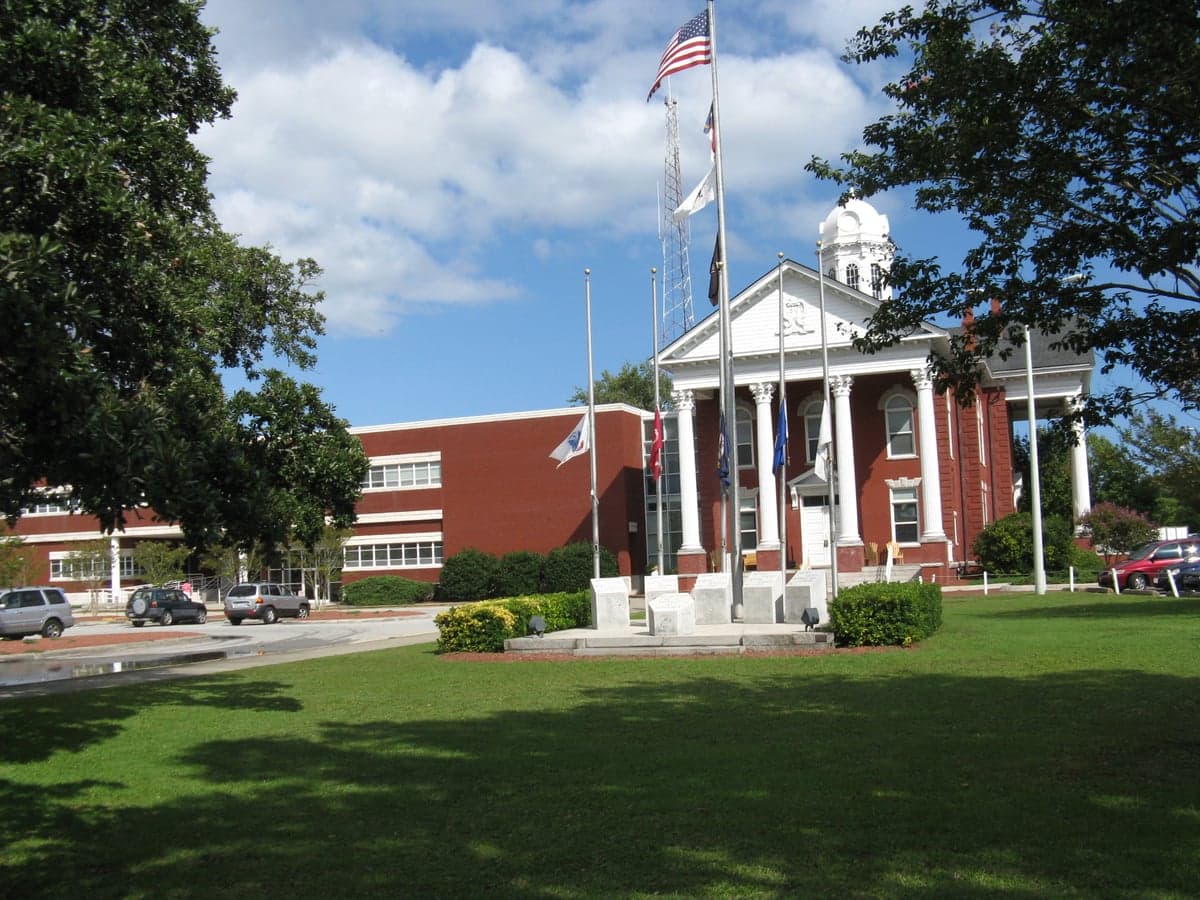
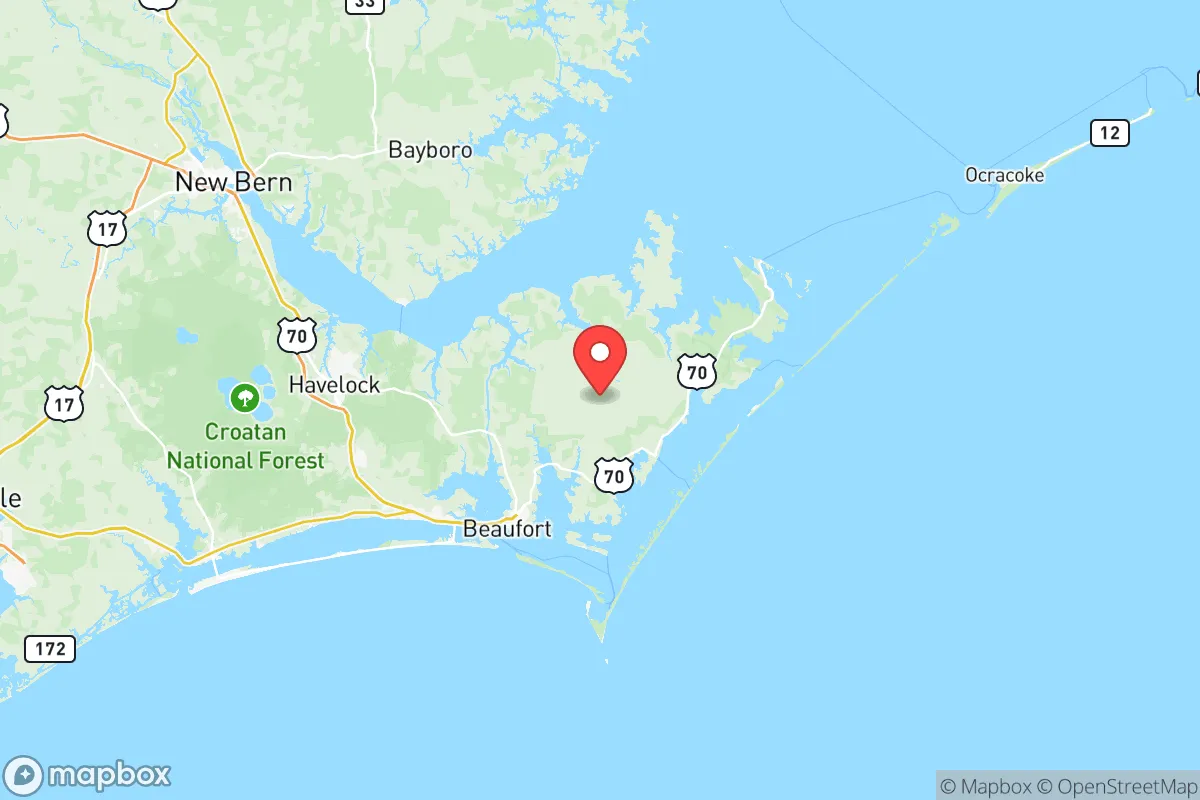
Photo: Wikipedia
Find The Best Places To Live in Carteret County
PRO TIP! You can paste a Zillow or Redfin link to get info on that property.
Best Places to Live in Carteret County
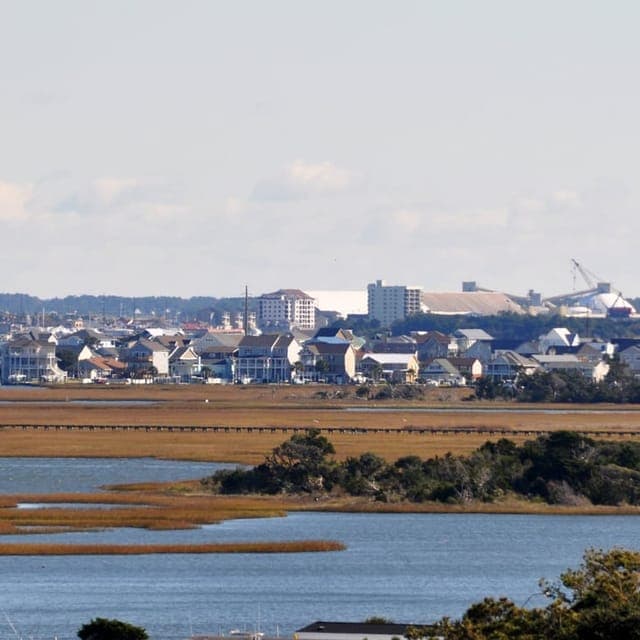
Cities & Towns in Carteret County
Cities in Carteret County
What It's Like Living in Carteret County, NC
Living in Carteret County feels like being in on a secret that’s not really a secret anymore. This is the North Carolina coast without the Myrtle Beach chaos or the Outer Banks traffic jams, a place where the rhythm of life is set by tides and tourist seasons rather than rush hour. From the historic waterfront of Beaufort to the beach-town energy of Atlantic Beach and the quieter, pine-shaded neighborhoods of Morehead City, the county offers a distinctly coastal lifestyle that attracts retirees, military families connected to Marine Corps Base Camp Lejeune just over the bridge, and remote workers who traded their cubicles for a view of Bogue Sound.
Daily Rhythm: From the Waterfront to the School Run
A typical weekday in Carteret County starts early, often with a stop at a local coffee shop like The Beads & Things in Beaufort or a breakfast biscuit from a spot like The Crab Shack in Morehead City. The commute is a genuine perk — the average drive time is just over 23 minutes, and for many, that drive includes crossing the high-rise bridge over the Intracoastal Waterway with a view that never gets old. Families tend to cluster around the stronger school districts, with many choosing towns like Newport or Cape Carteret for their quieter neighborhoods and access to both the Crystal Coast and the Croatan National Forest. The median age here is 50.1, which tells you this is a place where people come to settle down or retire, not to party through their twenties. That said, the county’s population of roughly 68,652 swells noticeably in summer with seasonal residents and vacationers, changing the feel of places like Emerald Isle from sleepy to bustling overnight.
What People Actually Do: Festivals, Fishing, and Friday Nights
Weekends in Carteret County are built around the water and community events. The Beaufort Music Festival draws crowds each spring, while the Morehead City Seafood Festival in October is a genuine local institution — think fried flounder, cold beer, and live music right on the waterfront. Outdoor life is the main draw: fishing charters out of Atlantic Beach, kayaking through the salt marshes around Harkers Island, and biking the trails of the Croatan National Forest. High school sports are a legitimate big deal here, with West Carteret High School football games drawing solid Friday-night crowds and serving as a social hub for families across the county. There’s no major professional sports team, but the proximity to the coast means many residents are more invested in the fishing report than the standings. For a quieter evening, locals head to the Sanitary Restaurant in Morehead City for hushpuppies and fried shrimp, or to the Back Street Pub in Beaufort for a laid-back drink with a view of the historic homes.
Who Fits In and Who Might Struggle
The kind of person who thrives here is someone who values outdoor access over nightlife, who doesn’t mind a slower pace, and who can handle the seasonal swings in population. The median household income sits at $70,235, and with a cost of living index of 98 — slightly below the national average — that income stretches further here than in many coastal towns. The median home value of $304,200 is a bargain compared to Wilmington or Charleston, but it’s still a stretch for younger buyers and service workers, especially in the more desirable beachfront areas of Emerald Isle and Pine Knoll Shores. About 32.3% of residents hold a college degree, reflecting a mix of educated professionals, military retirees, and entrepreneurs who run everything from charter fishing businesses to boutique real estate firms. The violent crime rate of 325.1 per 100,000 is something to be aware of — it’s higher than the national average, and most of it is concentrated in specific areas of Morehead City rather than the smaller towns. Longtime residents will tell you the biggest frustration is the summer traffic on Highway 70 and the lack of major shopping and dining options compared to a bigger city, but they’ll also say the trade-off is worth it when they can be on the water in ten minutes.
Practical Realities: Weather, Schools, and Seasonal Rhythms
Hurricane season from June through November is a genuine part of life here, and anyone moving to the county should have a plan for evacuation and storm prep. The schools — particularly in the Morehead City and Beaufort areas — are a central part of community identity, with events like band concerts and PTA fundraisers drawing solid turnout. The county’s cultural identity is proudly coastal and slightly conservative, with a strong military presence and a deep respect for the fishing and maritime traditions that built the area. If you’re looking for a place where you can own a boat, send your kids to a good school, and still afford a home within walking distance of the water, Carteret County is one of the last real options on the North Carolina coast. Just be ready for the humidity, the tourists, and the occasional hurricane scare — that’s the price of living in paradise.

* Values derived from national, state, county, city and local statistics and may differ in a specific area. Last updated: 2026-10-18T15:21:25.000Z
Narrative content on this page is AI-generated and may contain mistakes. Verify any details that matter before acting on them.
ReloMaps may earn a commission from affiliate links at no extra cost to you.

