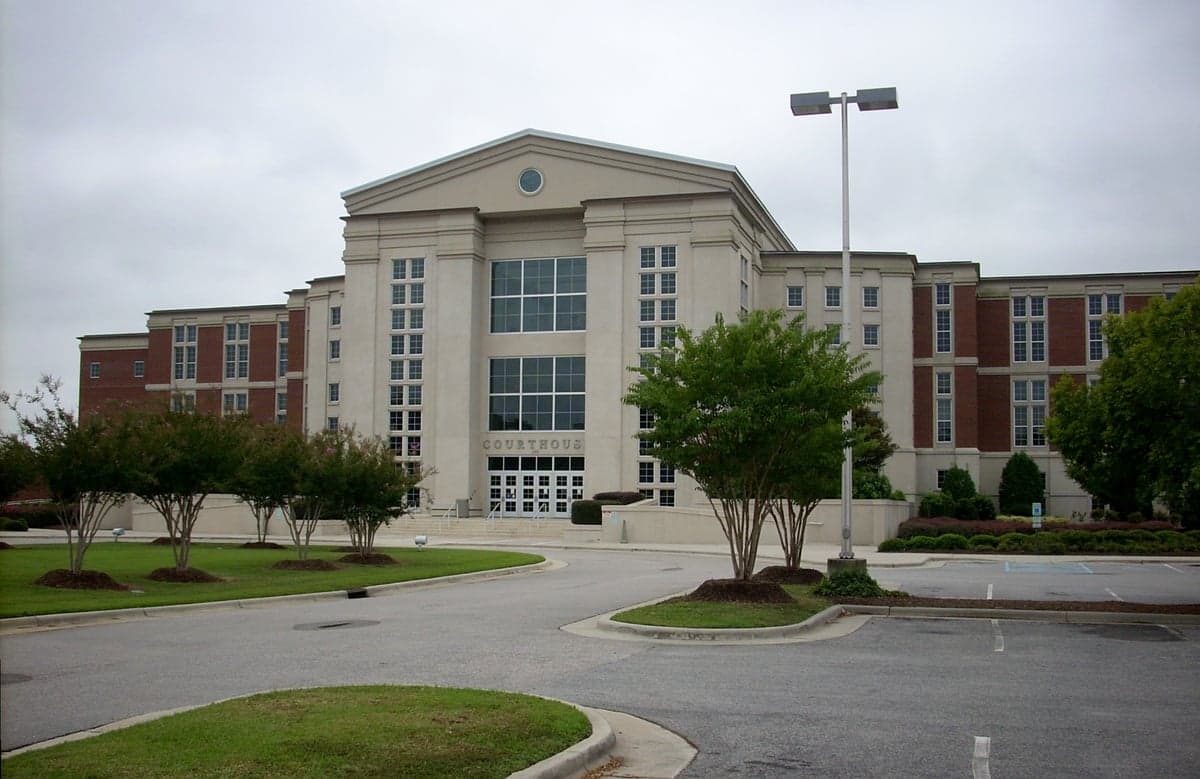
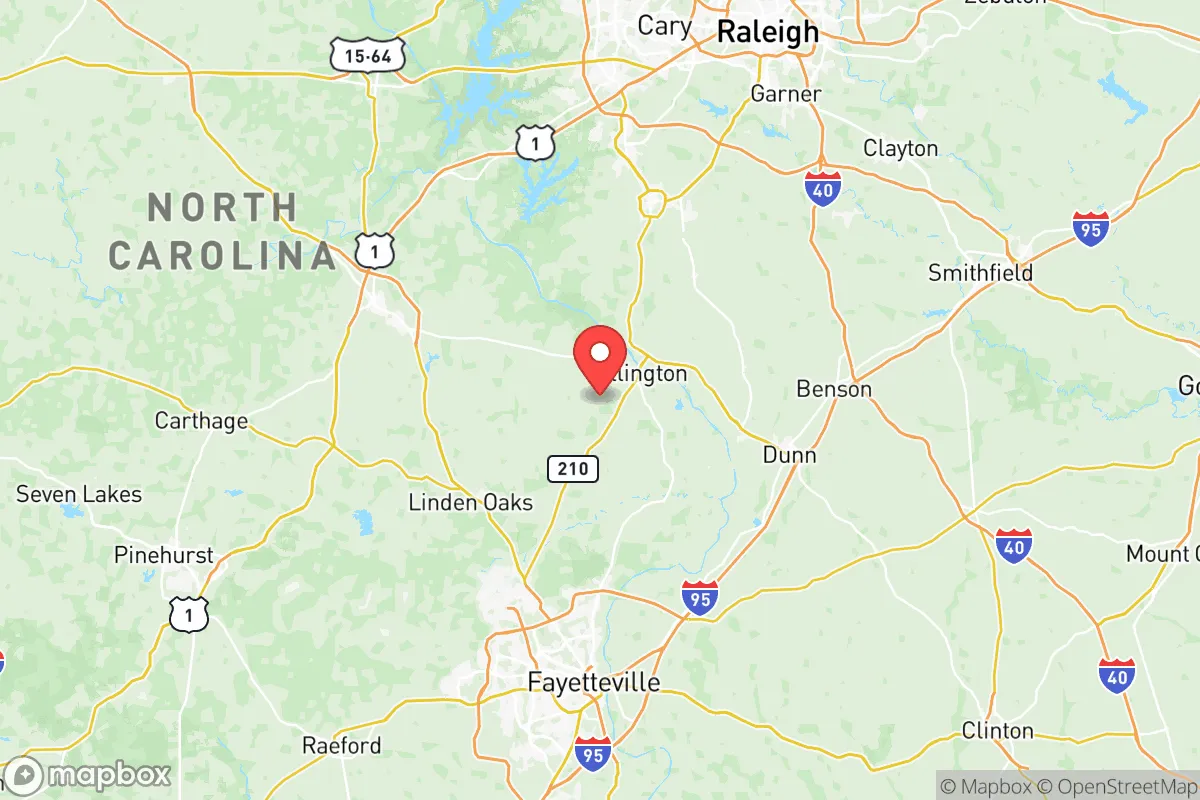
Photo: Wikipedia
Quality of Life in Harnett County
A livable area that tracks near national norms for affordability, walkability, and neighborhood health.
What does Quality of Life tell us?
Quality of Life measures an area by evaluating factors like cost of living, nearby amenities, country club access, airport proximity, socioeconomic signals and neighborhood character. For large states, this is a general average — quality of life can vary dramatically between metro areas, suburbs, and rural communities within the same state.
What does this tell us?
Quality of Life measures an area by evaluating factors like cost of living, nearby amenities, country club access, airport proximity, socioeconomic signals and neighborhood character. For large states, this is a general average — quality of life can vary dramatically between metro areas, suburbs, and rural communities within the same state.
Cost of Living
13% below national average
109%
The Real Cost of Living in Harnett County for 2026
| Tier | Individual | Family (4) |
|---|---|---|
| Survival | $17k | $32k |
| Comfortable | $43k | $63k |
| Luxury | $107k+ | $166k+ |
| Elite (Top 5%) | $126k+ | $195k+ |
Quality-of-Life Analysis
Harnett County, North Carolina, offers a genuine spectrum of quality-of-life options, from the suburban-style growth of its largest town, Dunn, to the deeply rural character of communities like Lillington and unincorporated areas such as Bunnlevel. With a cost of living index of 87 (well below the US average of 100), a median home value of $220,700, and a median rent of $1,080, the county attracts a mix of young families seeking affordable housing, military personnel connected to Fort Liberty (formerly Fort Bragg), and long-time residents who value quiet, land-based living. The average commute of roughly 32 minutes reflects the county's role as a bedroom community for Raleigh, Fayetteville, and the Research Triangle, with daily life varying significantly depending on whether you live near a town center or down a long country road.
Largest town(s) & population centers
Dunn is the county's largest municipality and its primary commercial hub, with a population around 10,000. Daily life here centers on a walkable historic downtown with local restaurants, a farmers market, and the General Store, while big-box retail and grocery options cluster along US-301. Lillington, the county seat, is smaller but serves as the administrative and judicial center, with a courthouse square and a growing number of subdivisions. Both towns offer a mix of older homes on tree-lined streets and newer subdivisions, with Dunn providing the widest range of services, including a hospital (Harnett Health) and direct access to I-95. For families, the Harnett County Schools system operates several elementary and middle schools in these towns, with Harnett Central High School serving the Dunn area. Commuters from Dunn and Lillington can reach Fayetteville in about 25 minutes and Raleigh in 40-50 minutes, making these towns practical for those who want a small-town feel without a full rural disconnect.
Smaller towns & rural pockets
Beyond the main towns, Harnett County is dotted with smaller communities that offer a quieter, more land-based lifestyle. Coats (population roughly 2,000) is a classic small town with a few local businesses and a strong sense of community, while Erwin (around 5,000) sits near the Cape Fear River and offers a more affordable housing stock, with many homes under $200,000. Unincorporated areas like Bunnlevel, Mamers, and Dunn's rural outskirts are where you find larger lots, mobile homes, and older farmhouses on acreage. These pockets are popular with those who want space for gardening, livestock, or simply privacy, and they are often served by volunteer fire departments and smaller elementary schools like Bunn Elementary. The trade-off is clear: fewer immediate amenities (no grocery store within 10-15 minutes in some areas) but significantly lower property taxes and a slower pace of life. The Harnett County Airport near Lillington serves general aviation, and the county's many creeks and the Cape Fear River provide opportunities for fishing and kayaking in these rural stretches.
Cost & lifestyle range
The cost of living in Harnett County varies noticeably by location. At the higher end, newer subdivisions in Dunn and Lillington — such as those near Harnett Central High School or along NC-210 — see median home values approaching $250,000-$280,000, with rents for a three-bedroom house often exceeding $1,200. At the lower end, older homes in Erwin or mobile homes on land in Bunnlevel can be found for under $150,000, with rents for a two-bedroom apartment in Coats or rural areas averaging $850-$950. The county's overall COL index of 87 means groceries, utilities, and transportation are all below national averages, but the trade-off is a longer average commute of 32 minutes — longer than the state average — as many residents drive to jobs in Fayetteville (home to Fort Liberty) or Raleigh. Property taxes are relatively low (around 0.75% of assessed value), but the county's tax base is more limited, meaning fewer public amenities like extensive parks or public transit. For those who want the most space for their money, the rural pockets between Lillington and Fayetteville offer the best value, while those who prioritize walkability and services will pay a premium in Dunn's historic district.
Harnett County is best suited for people who value affordability and space over urban convenience, and who are willing to trade a longer commute for a lower mortgage. Young families, military retirees, and remote workers thrive here, especially in the smaller towns and rural areas where land is plentiful and the pace is slow. The county's mix of suburban-style growth in Dunn and Lillington, combined with deeply rural communities like Bunnlevel and Coats, means there is a genuine choice between convenience and seclusion — but both options come with the same fundamental trade-off: lower costs and a longer drive to major employment centers.

Crime in Harnett County
Crime rates similar to the national median for U.S. locations.
Violent CrimeViolent Crime Analysis
Property CrimeProperty Crime Analysis
Crime Analysis
Harnett County, North Carolina, presents a mixed safety profile for potential residents, with property crime rates that notably exceed the national average while violent crime remains closer to state norms. The county's 2023 crime data shows a violent crime rate of 299.4 per 100,000 residents and a property crime rate of 1,659.9 per 100,000, placing it in a middle tier for safety within the Cape Fear region. Understanding where these incidents concentrate and how local law enforcement and judicial policies respond is critical for anyone considering a move to communities like Dunn, Lillington, or Erwin.
Crime in context
When compared to North Carolina's statewide violent crime rate of roughly 350 per 100,000, Harnett County's 299.4 figure is slightly below average, a relative bright spot. However, the property crime rate of 1,659.9 per 100,000 significantly exceeds both the national average (approximately 1,950 per 100,000) and the North Carolina average (around 2,100 per 100,000), indicating a higher likelihood of theft, burglary, and larceny. The county's proximity to the larger, more crime-ridden cities of Fayetteville and Raleigh influences these numbers, as property crime often spills over from those urban centers into Harnett's more suburban and rural areas. The gap between violent and property crime rates suggests that while residents are relatively safe from physical assault, they face a tangible risk of property loss.
What residents experience
Daily life in Harnett County varies significantly by location. The town of Dunn, the county's largest municipality, historically reports the highest volume of both violent and property crimes, driven by its denser population and commercial corridors along I-95. Lillington, the county seat, sees a moderate crime rate, with property offenses concentrated near the downtown area and the Campbell University campus. In contrast, the smaller communities of Erwin and Coats generally experience lower crime rates, though they are not immune to occasional burglaries and thefts. The unincorporated areas around Angier and Fuquay-Varina (which straddles the Wake County line) tend to be the safest, benefiting from lower population density and proximity to better-funded law enforcement agencies. Residents in these outlying areas often report a strong sense of security, with property crime being the primary concern rather than violent offenses.
A critical factor influencing safety in Harnett County is the judicial philosophy of the local district attorney's office. The 11th Prosecutorial District, which covers Harnett County, has seen a shift toward more progressive policies in recent years, including the implementation of pretrial release programs and diversionary courts for non-violent offenders. While these programs aim to reduce recidivism, critics argue that a lenient approach to property crime—such as theft and breaking-and-entering—directly contributes to the county's elevated property crime rate. When offenders face minimal consequences, the deterrent effect weakens, and repeat property crimes become more common. This is a particular concern in areas like Dunn and Lillington, where a revolving door of low-level offenders can erode public confidence in the justice system. For families and retirees considering Harnett County, the practical implication is clear: neighborhoods with active homeowners' associations, private security patrols, or proximity to sheriff's substations in places like Coats or Angier offer a tangible safety advantage over more transient, high-traffic areas.
* Values derived from national, state, county, city and local statistics and may differ in a specific area. Last updated: 2026-10-17T06:31:44.000Z
Narrative content on this page is AI-generated and may contain mistakes. Verify any details that matter before acting on them.
ReloMaps may earn a commission from affiliate links at no extra cost to you.

