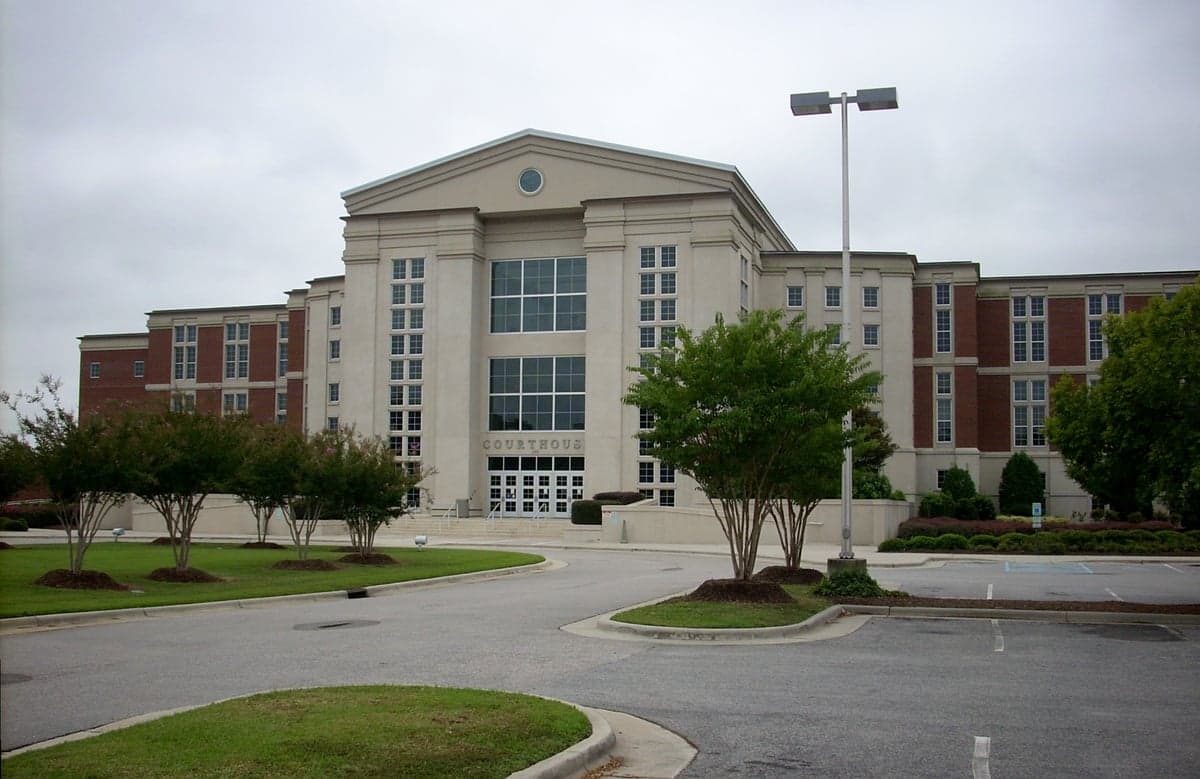
Photo: Wikipedia
Personal Sovereignty in Harnett County
Viable for self-reliance. Generally workable, though some barriers may limit total independence.
What does Personal Sovereignty tell us?
Personal Sovereignty measures your capacity for self-reliance and independence with minimal government friction. Higher scores mean fewer barriers between you and the way you want to live... but it assumes you have the space you need and good neighbors.
What does this tell us?
Personal Sovereignty measures your capacity for self-reliance and independence with minimal government friction. Higher scores mean fewer barriers between you and the way you want to live... but it assumes you have the space you need and good neighbors.
State Policy
Energy independence: Importer (15% of energy produced in-state)
Personal Liberty
Homesteading

Personal Liberty Analysis
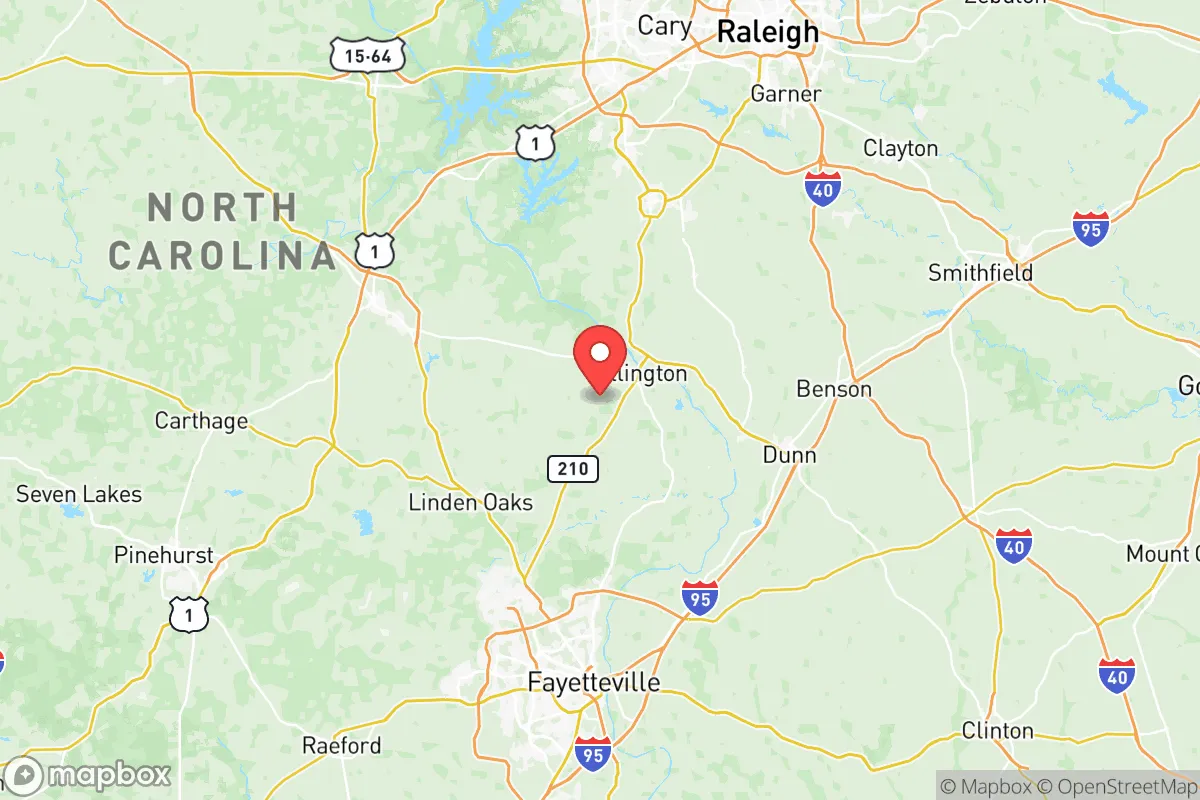
Harnett County, North Carolina, offers a notably high degree of personal sovereignty, blending a light-touch regulatory environment with a deeply ingrained culture of self-reliance. Located in the Sandhills region, the county provides a balance of rural autonomy and access to the amenities of Fayetteville and the Research Triangle, making it a practical choice for individuals and families who prioritize independence. The county's political leanings and local governance consistently favor limited government intervention, creating a framework where personal responsibility and freedom are the default.
Tax burden and regulatory posture in Harnett County
Harnett County's tax burden is among the more favorable in the state, reinforcing its appeal for those seeking to keep more of their earnings. The county's property tax rate is 0.725 per $100 of assessed value, which is below the state average and significantly lower than in nearby urban centers like Wake County (Raleigh) or Cumberland County (Fayetteville). There is no county-level income tax, as North Carolina relies on a flat state income tax, and the state sales tax is capped at 6.75%, with no additional local option sales tax in Harnett. The regulatory posture is distinctly pro-business and pro-property owner. Building permits and zoning variances are processed with relative speed, particularly in the unincorporated areas. Towns like Lillington, the county seat, and Dunn maintain a business-friendly approach, while Erwin and Coats have even lighter commercial regulations. For a reader comparing to states with complex environmental or land-use rules, Harnett's approach is straightforward: minimal red tape, no county-level income or sales tax surcharges, and a general presumption in favor of property rights.
Self-defense and gun law specifics in Harnett County
North Carolina is a "shall-issue" state for concealed carry permits, and Harnett County's sheriff's office processes permits efficiently, with no local ordinances that restrict the state's preemptive gun laws. The county is home to a strong gun culture, supported by multiple shooting ranges and gun shops, particularly around Fort Liberty (formerly Fort Bragg), which borders the county's eastern edge. Open carry is legal without a permit for anyone who can legally possess a firearm, and concealed carry requires a permit, which is routinely issued to qualified residents. Stand Your Ground laws apply statewide, and Harnett County courts have a track record of upholding self-defense claims in justified shootings. The presence of a large military population in areas like Spring Lake and Anderson Creek reinforces a community norm of responsible firearm ownership and personal protection. For a family or individual moving from a restrictive state, the practical reality is that Harnett County offers full exercise of Second Amendment rights with minimal local interference.
Self-reliance and homesteading viability in Harnett County
Harnett County is highly viable for homesteading and off-grid living, particularly in its western and southern rural stretches. Zoning in unincorporated areas is minimal, with no county-wide building code for agricultural structures, and many properties allow for livestock, gardens, and alternative energy systems. Lot sizes vary widely, with 5-acre and 10-acre parcels common in areas like Bunnlevel and Mamers, where well and septic systems are standard. Off-grid feasibility is strong: solar panels are permitted without special permits, rainwater collection is legal, and there are no county restrictions on composting toilets or graywater systems, provided they meet basic health department standards. The county's agricultural extension office is supportive of small-scale farming and beekeeping. In contrast, the more densely populated areas around Lillington and Dunn have stricter subdivision regulations, but even there, many neighborhoods allow backyard chickens and small gardens. For a family seeking to reduce reliance on municipal utilities, the rural parts of Harnett County offer a permissive environment that is rare in the Piedmont region.
Personal liberties in Harnett County: parental rights, medical autonomy, speech, and property
Parental rights are strongly protected in Harnett County, reflecting the broader conservative culture of the Sandhills. Local school boards, particularly in Harnett County Schools, have been responsive to parent input on curriculum and library materials, and there is a robust network of homeschool co-ops and private religious schools. Medical autonomy is generally respected, with no county-level vaccine mandates or restrictions on alternative medical treatments. The county has a higher-than-average rate of unvaccinated children, and local healthcare providers, including those in Dunn and Lillington, are accustomed to treating patients with a range of medical philosophies. Freedom of speech and assembly are exercised openly, with regular political rallies and community meetings that welcome diverse viewpoints. Property rights are the bedrock of the county's identity: eminent domain is rarely used, and property taxes are predictable. The county's planning board has a history of denying zoning changes that would infringe on existing property uses, a stance that appeals to those who value the right to use their land as they see fit.
Overall, Harnett County ranks as one of the more sovereignty-friendly areas in North Carolina, especially when compared to the more regulated environments of Wake or Orange counties. For a conservative-leaning individual or family, the combination of low taxes, permissive gun laws, homesteading viability, and strong protections for parental and property rights creates a practical and legal framework for personal independence. While not as libertarian as some rural western counties, Harnett offers a realistic balance of rural freedom and access to urban jobs and services, making it a solid choice for those who want to live on their own terms without being isolated.

* Values derived from national, state, county, city and local statistics and may differ in a specific area. Last updated: 2026-10-17T06:31:44.000Z
Narrative content on this page is AI-generated and may contain mistakes. Verify any details that matter before acting on them.
ReloMaps may earn a commission from affiliate links at no extra cost to you.

