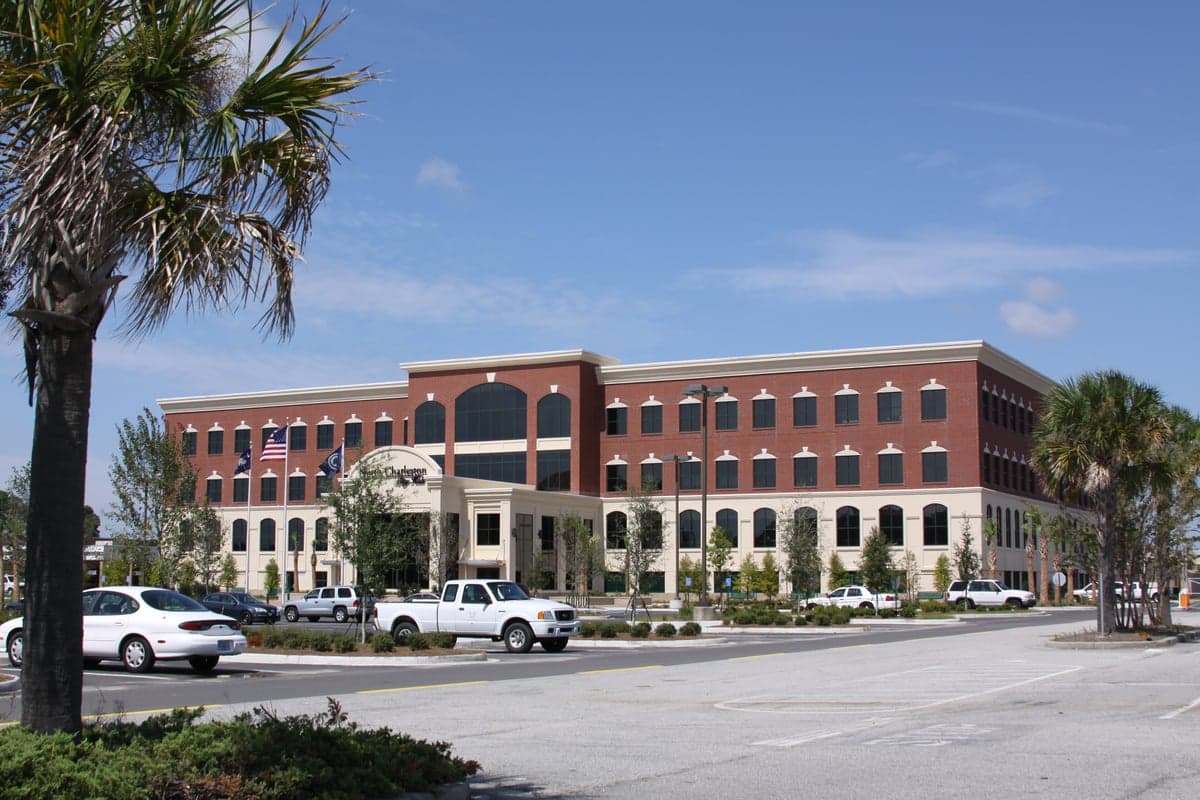
Photo: Wikipedia
Political ClimatePolitical Climate in North Charleston, SC
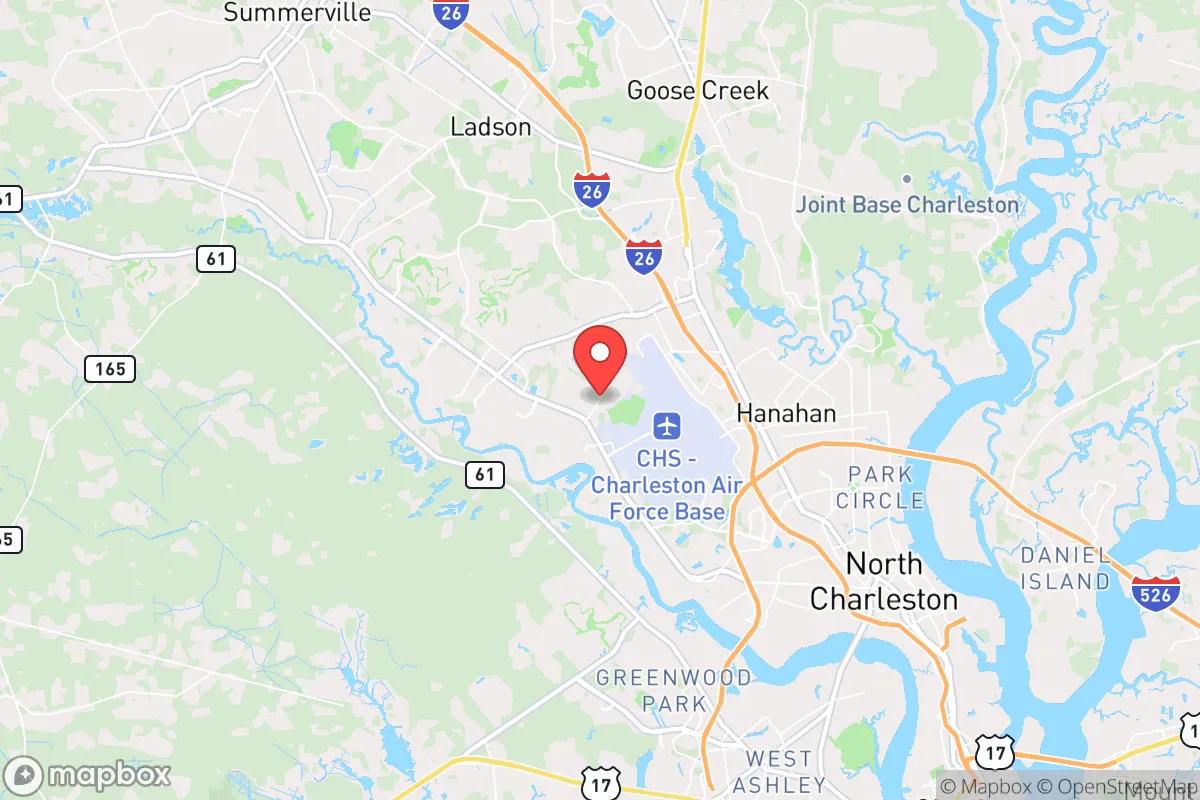
District shown is the primary district for this city’s centroid. Cities may span multiple districts.
Local Political AnalysisPolitical Analysis of North Charleston, SC
North Charleston is a solidly Democratic stronghold, carrying a Cook Partisan Voting Index of D+13, which means it leans about 13 points more Democratic than the national average. That’s a pretty stark contrast when you look at the surrounding areas—places like Summerville, Goose Creek, and even parts of Mount Pleasant have a much more balanced or even conservative tilt. If you’ve been around here long enough, you’ve seen the shift firsthand: the city’s politics have moved further left over the last decade, and it’s not just about party registration—it’s about the kind of policies that are being pushed at the local level.
How it compares
Drive 15 minutes west to Summerville, and you’re in a completely different political world. Summerville and Dorchester County lean reliably conservative, with local officials often focused on keeping taxes low and development in check. North Charleston, by contrast, has seen a steady march toward progressive governance—higher minimum wage ordinances, more public housing initiatives, and a city council that’s increasingly vocal about social justice issues. Even Charleston proper, while also Democratic, has a more moderate, business-friendly flavor compared to North Charleston’s working-class, union-influenced base. The difference is palpable: in North Charleston, you’re more likely to hear about expanding government programs; in the suburbs, it’s about cutting red tape and protecting property rights.
What this means for residents
For folks who value personal freedoms and limited government, the trend here is a bit concerning. Over the past few years, we’ve seen the city council push for stricter rental regulations, more oversight on small businesses, and a heavier hand in land-use decisions. There’s also been talk of local police reform measures that some worry could hamper public safety—a real issue given the city’s higher crime rates compared to neighboring towns. Property taxes have crept up as the city funds new social programs, and there’s a growing sense that government is getting too involved in daily life. If you’re a homeowner or a small business owner, you’re probably feeling the squeeze more than someone in Summerville or Goose Creek, where local officials tend to take a hands-off approach.
What daily life is like for families
Living here means navigating a political climate that can feel at odds with traditional values. School board meetings have become battlegrounds over curriculum and parental rights, with progressive members pushing for more centralized control. Neighborhood associations often clash with city hall over zoning changes that prioritize density over single-family homes. On the flip side, the city’s diversity is a real strength—you’ll find a mix of cultures and backgrounds that’s rare in the suburbs. But if you’re looking for a place where your voice on local issues carries weight without a lot of bureaucratic pushback, North Charleston might feel like swimming upstream.
Looking ahead, the trajectory seems set: as the city grows and attracts younger, more progressive residents, the political lean will likely stay D+13 or even shift further left. That means more government programs, tighter regulations, and a continued focus on equity initiatives that some see as overreach. If you’re considering a move here, keep an eye on local elections—the city council races often have more impact on your daily life than national politics. For now, the best advice is to get involved early if you want to push back against the tide. Otherwise, you might find yourself longing for the simpler, less regulated days of the past.

State Political ClimatePolitical Climate in South Carolina
State Political AnalysisPolitical Environment in the State
South Carolina has long been a reliably red state, with Republicans holding every statewide office and commanding supermajorities in both legislative chambers. The state’s partisan lean has only deepened over the past two decades, driven by a combination of conservative in-migration, a growing evangelical base, and a rural-urban split that heavily favors the GOP. In 2024, Donald Trump carried the state by 18 points, and the Republican Party now holds a 30-16 advantage in the state Senate and a 88-36 edge in the House. The dominant coalition is a blend of traditional fiscal conservatives, social conservatives, and a rising populist wing focused on election integrity and parental rights. While the coastal and Upstate metros have seen some blueing, the overall trajectory remains solidly rightward, with no serious threat to Republican control on the horizon.
Urban vs. rural divide
The political map of South Carolina is a textbook study in contrast. The state’s two major metros—Charleston and Greenville—are the primary engines of Republican strength, but for different reasons. Charleston County itself is a purple battleground, with the city of Charleston trending left due to an influx of out-of-state professionals and a growing tourism economy. In 2024, Charleston County voted for Kamala Harris by a slim 2-point margin, a shift from its 2020 Trump support. However, the surrounding suburban and exurban areas—places like Mount Pleasant, Summerville, and Goose Creek—remain reliably red, with GOP margins of 15-20 points. Greenville County, by contrast, is a conservative stronghold, voting +22 for Trump in 2024, driven by a booming manufacturing and tech sector and a deeply rooted evangelical community. The rural counties—Oconee, Pickens, Anderson, and Lexington—are the GOP’s bedrock, routinely delivering 70-80% Republican margins. The only significant blue pockets are the majority-minority counties in the Lowcountry, like Richland (Columbia) and Dorchester, where Democratic margins are driven by Black voters and a small but growing progressive activist class. The Myrtle Beach area (Horry County) is a wildcard—historically red but seeing a surge of retirees and remote workers that has nudged it toward purple, though it still voted +14 for Trump in 2024.
Policy environment
South Carolina’s policy environment is aggressively conservative, with a low-tax, low-regulation posture that has made it a magnet for businesses and families fleeing high-cost states. The state has a flat income tax of 6.2% (phasing down to 5.7% by 2027), no estate tax, and a sales tax cap of 6% (with local add-ons). Property taxes are among the lowest in the nation, with a median effective rate of 0.57%. The regulatory climate is business-friendly, with a right-to-work law and a tort reform system that caps noneconomic damages. On education, the state has expanded school choice through the Education Scholarship Trust Fund (2023), which provides $6,000 vouchers for private school tuition, and has a robust charter school sector. Healthcare policy is limited—Medicaid expansion was rejected, and the state relies on a private insurance marketplace. Election laws have tightened: voter ID is required, absentee voting requires an excuse, and the state has purged inactive voters from rolls. The legislature is currently considering a constitutional carry bill (permitless concealed carry), which would align South Carolina with its neighbors Georgia and Tennessee.
Trajectory & freedom
South Carolina is becoming more free in several key areas, but with notable caveats. The biggest win for personal liberty in recent years was the 2023 passage of the Parental Rights in Education Act, which prohibits classroom instruction on sexual orientation and gender identity in grades K-5 and requires parental notification for any health services. This was followed by the Fetal Heartbeat Act (2023), which bans abortion after six weeks, with no exceptions for rape or incest—a major expansion of medical autonomy for the unborn. On gun rights, the state has moved toward permitless carry, though the bill stalled in 2024 due to opposition from law enforcement; it’s expected to pass in 2025. Property rights have been strengthened by a 2024 law limiting eminent domain for private development. However, there are red flags: the state’s COVID-19 emergency powers were never fully rolled back, and the governor retains broad authority to shut down businesses and mandate masks during declared emergencies. A 2024 bill to limit that authority died in committee. Additionally, the state’s medical marijuana program remains stalled, with the Senate rejecting a 2024 bill that had House support. On balance, the trajectory is positive for conservatives, but the emergency powers loophole and the lack of medical freedom are persistent concerns.
Civil unrest & political movements
South Carolina has seen relatively low levels of civil unrest compared to other states, but there are active movements on both sides. The Confederate flag removal in 2015 after the Charleston church shooting was a watershed moment that quieted much of the racial tension, but it also energized a new generation of conservative activists focused on preserving monuments and history. The Moms for Liberty chapter in Lexington County has been particularly active, pushing for book bans and curriculum transparency, and has successfully unseated two school board members. On the left, the Indivisible network has a presence in Columbia and Charleston, organizing protests against abortion bans and for LGBTQ rights. Immigration politics are relatively quiet—South Carolina is not a border state, and the undocumented population is small (estimated 50,000). However, a 2024 bill to require local law enforcement to cooperate with ICE (the Sanctuary Cities Ban) passed easily. Election integrity remains a flashpoint: the state’s 2020 audit found no widespread fraud, but the South Carolina Election Commission has been criticized by conservatives for not purging non-citizens from voter rolls. The most visible flashpoint for a new resident would be the annual Confederate Memorial Day events in Columbia, which draw both heritage groups and counter-protesters, but these are generally peaceful.
Projection
Over the next 5-10 years, South Carolina will likely become more conservative, not less. The primary driver is in-migration: the state is adding 100,000 new residents annually, mostly from blue states like New York, California, and Illinois. These newcomers are disproportionately conservative-leaning—many are retirees or remote workers fleeing high taxes and crime. The Greenville-Spartanburg corridor is expected to add 200,000 people by 2030, and the Myrtle Beach area is growing at 3% annually. This will further dilute the influence of the Charleston and Columbia urban cores. Demographically, the state’s white population is growing faster than its Black population, which will reduce the Democratic base. The GOP’s supermajorities are likely to hold, and the legislature will continue to push on school choice, gun rights, and tax cuts. The biggest wildcard is the 2026 gubernatorial race—if a populist like Rep. Russell Fry (who ousted Tom Rice after the Jan. 6 vote) wins, the state could see even more aggressive election integrity and immigration enforcement. A new resident moving in now should expect a state that is reliably red, with a growing economy, low taxes, and a culture that values individual freedom—but with the caveat that the government retains significant emergency powers and that medical freedom (marijuana, abortion) is limited.
For a conservative individual or family, South Carolina offers a strong alignment with your values: low taxes, school choice, gun rights, and a culture that respects parental authority. The political climate is stable and trending in your favor, with no serious threat of a blue shift. The main practical takeaways: choose a county like Lexington, Greenville, or Anderson for the most conservative environment; avoid Richland and Charleston city limits if you want to minimize exposure to progressive policies. Be aware that the state’s emergency powers laws are a lingering concern, but the legislature is working on reform. Overall, South Carolina is a safe bet for anyone looking to escape the chaos of blue states and build a life in a place that still believes in freedom.
* Values derived from national, state, county, city and local statistics and may differ in a specific area. Last updated: 2026-04-29T23:25:22.000Z
Narrative content on this page is AI-generated and may contain mistakes. Verify any details that matter before acting on them.
ReloMaps may earn a commission from affiliate links at no extra cost to you.

