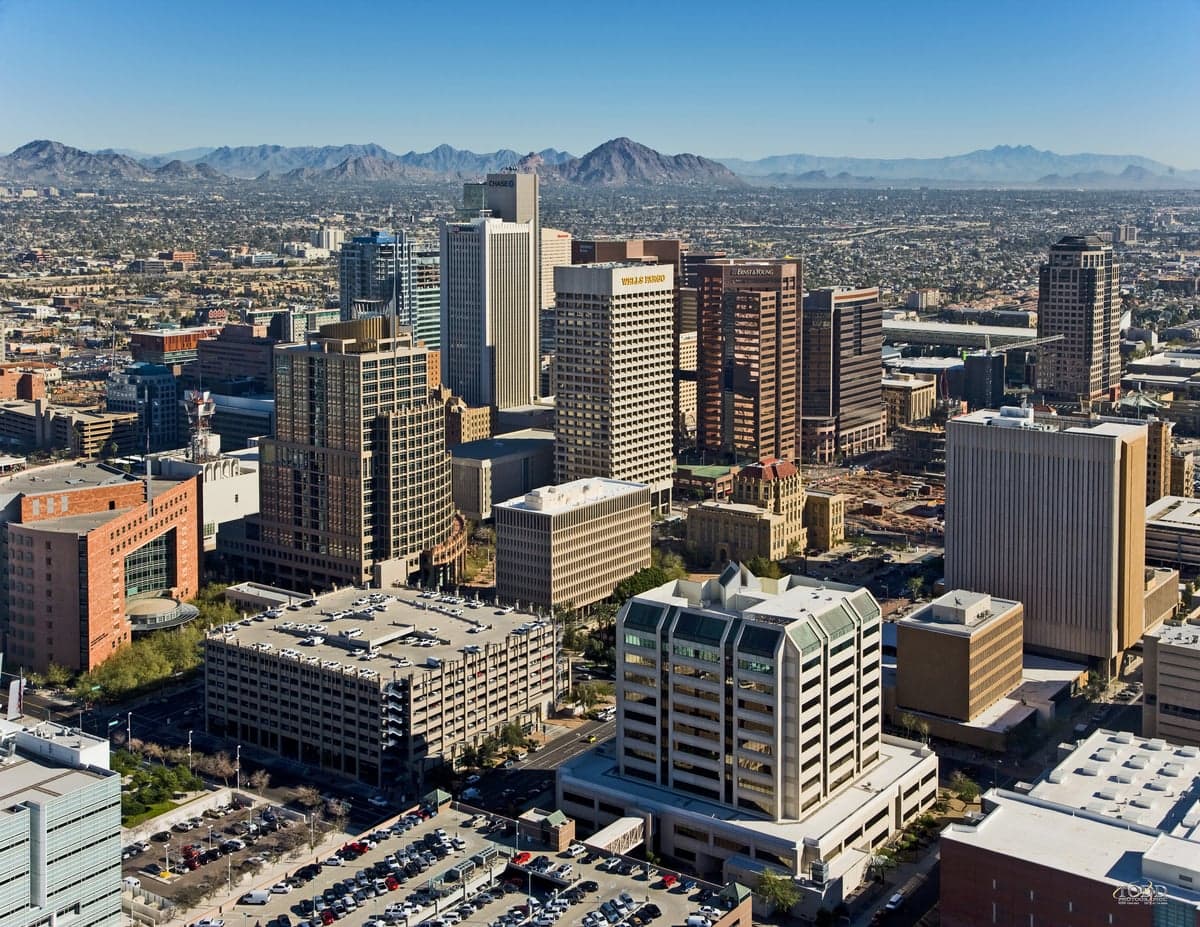
Photo: Wikipedia
Quality of Life in Phoenix, AZ
A high quality of life with strong walkability, manageable living costs, healthy neighborhood signals, and solid amenity access.
What does Quality of Life tell us?
Quality of Life blends cost of living, nearby amenities, socioeconomic signals, and neighborhood character. City-level scores represent the whole municipality; individual neighborhoods can differ.
What does this tell us?
Quality of Life blends cost of living, nearby amenities, socioeconomic signals, and neighborhood character. City-level scores represent the whole municipality; individual neighborhoods can differ.
Cost of Living
29% above national average
The Real Cost of Living in Phoenix, AZ for 2026
| Tier | Individual | Family (4) |
|---|---|---|
| Survival | $23k | $44k |
| Comfortable | $74k | $109k |
| Luxury | $139k+ | $216k+ |
| Elite (Top 5%) | $175k+ | $272k+ |
71%
The Area Signal
A metric tracking the socioeconomic signals of the area.
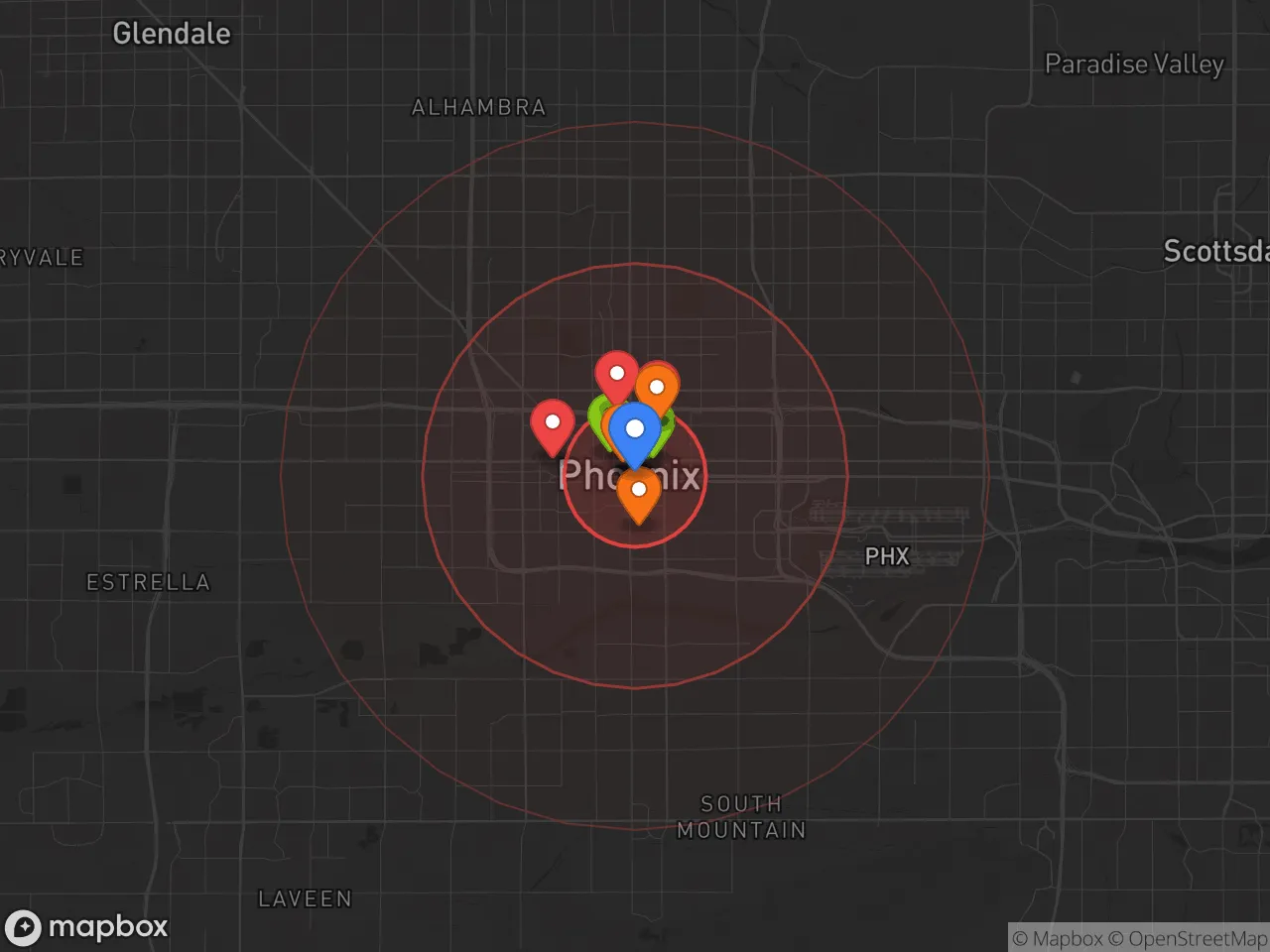
Hobbies
Explore the areaGroceries
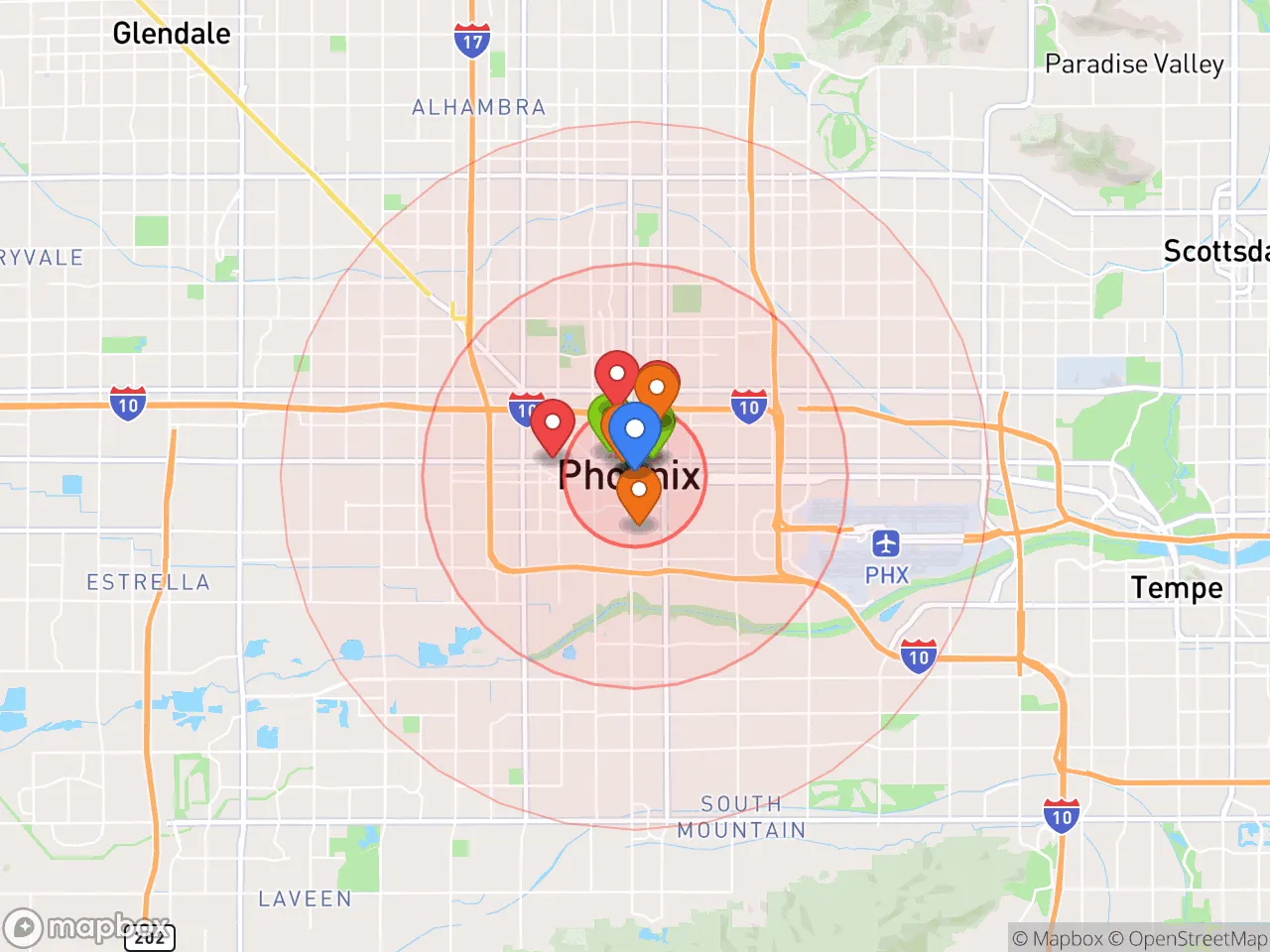
5 within 10 miles
Gas
20 within 10 miles
Hospital
20 within 20 miles
Airport
PHX — Phoenix Sky Harbor International
Post Office
USPS — Phoenix, AZ
Critical Amenities
Quality-of-Life Analysis
Phoenix, Arizona, presents a quality of life defined by a blend of suburban comfort and urban energy, attracting a diverse population of young professionals, growing families, and retirees seeking year-round sunshine and lower costs than coastal peers. The city’s affluence is moderate relative to national averages, with a cost of living index of 129 (100 = US average) that signals a premium over most of the country but remains a bargain compared to Los Angeles, San Francisco, or Seattle. Residents tend to be a mix of remote workers drawn by the climate, employees in the expanding healthcare and semiconductor sectors, and snowbirds who split time between Phoenix and cooler states.
Cost of living, housing affordability, and how Phoenix compares to nearby areas
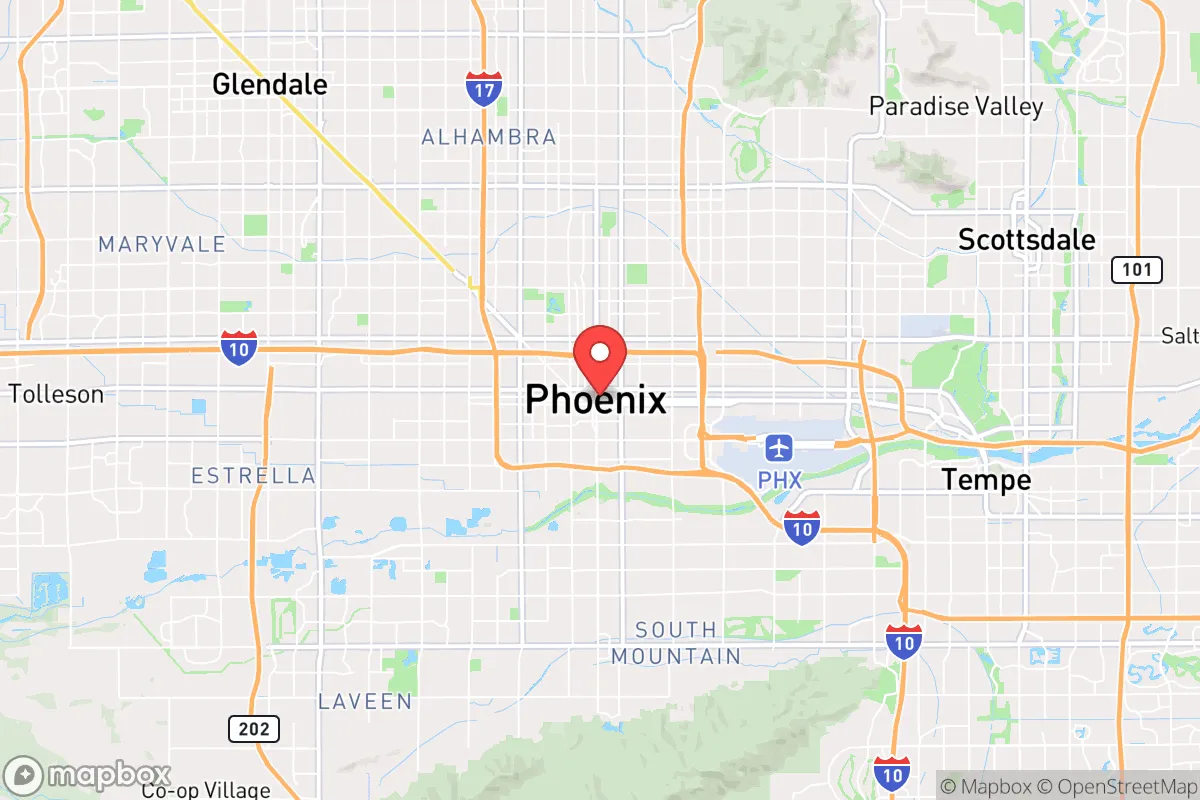
Phoenix’s cost of living is 29% above the national average, driven primarily by housing, though it remains significantly cheaper than other major Sun Belt hubs like Denver or Austin. The median home value sits at $381,900, which is roughly $100,000 less than the national median and far below the $800,000+ averages in coastal California markets. Renters face a median monthly rent of $1,458, making Phoenix more affordable than nearby Scottsdale (where median rent exceeds $1,800) and comparable to Mesa and Chandler. However, the city has seen home prices rise over 40% since 2020, straining affordability for first-time buyers. Property taxes are relatively low in Maricopa County (around 0.6% of assessed value), which offsets some of the higher home prices compared to states like Texas. The average commute time of 25.7 minutes is slightly below the national average of 27 minutes, thanks to a sprawling freeway system (I-10, I-17, Loop 101, Loop 202) that moves traffic efficiently outside peak hours, though congestion on the I-10 through downtown can add 10-15 minutes during rush.
Amenities, schools, and what daily life is like for families and professionals
Daily life in Phoenix revolves around outdoor activity and a strong restaurant scene, with over 200 parks, the 16,000-acre South Mountain Preserve, and a downtown core that has revitalized with light rail access, art galleries, and the Phoenix Suns arena. The city’s school system is mixed: the Phoenix Union High School District serves urban students with several magnet programs (e.g., Bioscience High School), while top-rated suburban districts like Scottsdale Unified and Chandler Unified draw families to neighboring cities. For professionals, the job market is anchored by major employers like Banner Health, Intel, and American Express, with a growing tech corridor along the Loop 101. The climate defines the rhythm—summers from June to September see highs above 105°F, pushing outdoor activities to early mornings or evenings, while winters offer perfect hiking and golf weather with average highs in the 60s and 70s. Walkability is low outside of downtown and a few historic neighborhoods like Roosevelt Row, so a car is essential for most errands.
Phoenix is best suited for those who prioritize affordable housing, abundant sunshine, and a car-centric lifestyle over dense urban walkability or mild summers. Families will find good schools in the suburbs and ample kid-friendly attractions (the Phoenix Zoo, Children’s Museum), while remote workers and retirees benefit from the low state income tax (Arizona’s flat rate is 2.5%) and relatively low commute times. The trade-offs are the extreme heat, which can limit outdoor activity for five months of the year, and a sprawling layout that requires driving for most daily needs. For anyone seeking a lower-cost alternative to California or the Pacific Northwest with a strong job market and outdoor recreation, Phoenix offers a compelling, if hot, quality of life.

Crime in Phoenix, AZ
Higher crime rates than 72% of comparable U.S. locations.
Violent CrimeViolent Crime Analysis
Property CrimeProperty Crime Analysis
Crime Analysis
Phoenix, Arizona, faces a significant public safety challenge, with crime rates substantially exceeding both state and national averages. The city's violent crime rate stands at 693.6 incidents per 100,000 residents, while property crime occurs at a rate of 2,036.1 per 100,000. These figures place Phoenix among the higher-crime large metro areas in the United States, a situation exacerbated by the progressive policies of Maricopa County's elected officials, which critics argue prioritize offender rehabilitation over public safety and victim rights.
Crime in context
Phoenix's violent crime rate is roughly double the national average of approximately 380 per 100,000, and its property crime rate is similarly elevated compared to the U.S. figure of about 1,950 per 100,000. Within Arizona, Phoenix's rates are notably higher than the statewide averages, which are themselves above the national median. The city's crime statistics reflect a broader trend in Maricopa County, where liberal district attorneys and judges have implemented policies such as cash bail reform and reduced sentencing for non-violent offenses. While intended to reduce incarceration, these measures have been linked to a rise in recidivism and a perception that the justice system is lenient on repeat offenders, directly impacting the safety of law-abiding residents.
What residents experience
For Phoenix residents, the high crime rates translate into tangible daily concerns. Property crime, particularly vehicle theft and burglary, is a pervasive issue, with many neighborhoods reporting frequent break-ins and stolen vehicles. Violent crime, including aggravated assault and robbery, is concentrated in certain areas but can occur citywide. The progressive approach of local prosecutors, who often divert cases to treatment or community programs rather than pursuing incarceration, has led to frustration among victims who feel their cases are not taken seriously. This environment creates a sense of insecurity, especially for families and individuals who rely on responsive law enforcement and a justice system that holds offenders accountable.
Neighborhood-level variation
Safety in Phoenix is not uniform. Affluent areas like Arcadia and parts of North Scottsdale (which is within the Phoenix metro) generally report lower crime rates, benefiting from private security and higher police presence. In contrast, neighborhoods in South Phoenix, Maryvale, and parts of central Phoenix experience significantly higher rates of both violent and property crime. The disparity is driven by socioeconomic factors, but also by the uneven application of progressive justice policies, which can leave high-crime areas with fewer consequences for repeat offenders. Prospective residents should research specific zip codes and consult local crime maps, as the city's overall statistics mask considerable variation from block to block.
* Values derived from national, state, county, city and local statistics and may differ in a specific area. Last updated: 2026-04-29T02:20:33.000Z
Narrative content on this page is AI-generated and may contain mistakes. Verify any details that matter before acting on them.
ReloMaps may earn a commission from affiliate links at no extra cost to you.

