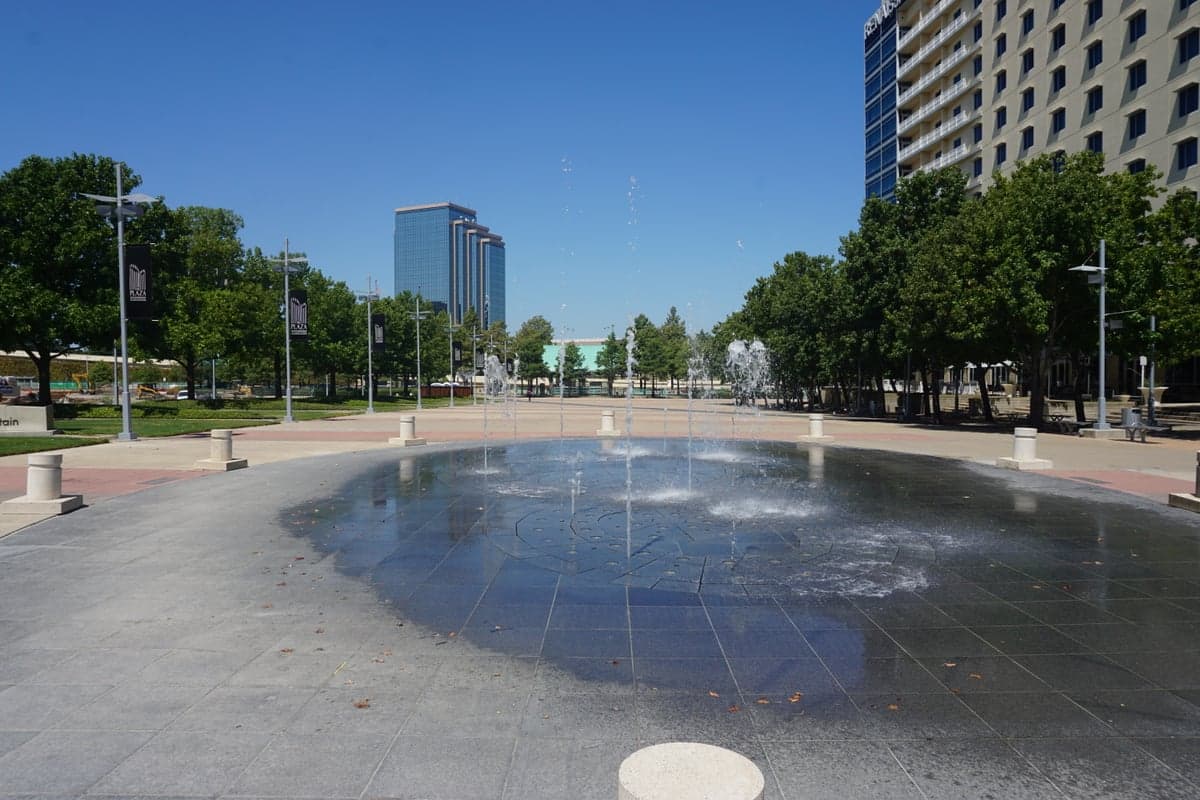
Photo: Wikipedia
Political ClimatePolitical Climate in Richardson, TX
District shown is the primary district for this city’s centroid. Cities may span multiple districts.
Local Political AnalysisPolitical Analysis of Richardson, TX
Richardson, Texas, has shifted noticeably to the left over the past decade, and the numbers back it up. The Cook Partisan Voting Index (PVI) now sits at D+13, meaning the district leans 13 points more Democratic than the national average. That’s a far cry from the reliably conservative suburb I remember growing up in, where local elections were decided in Republican primaries and the city council rarely strayed from a pro-business, limited-government playbook. The change hasn’t been overnight, but it’s been steady, driven largely by an influx of younger professionals and transplants from blue states who’ve brought their voting habits with them. If you’re looking for a place where traditional Texas values still hold firm, you’ll want to pay close attention to how this trend is reshaping local policy.
How it compares
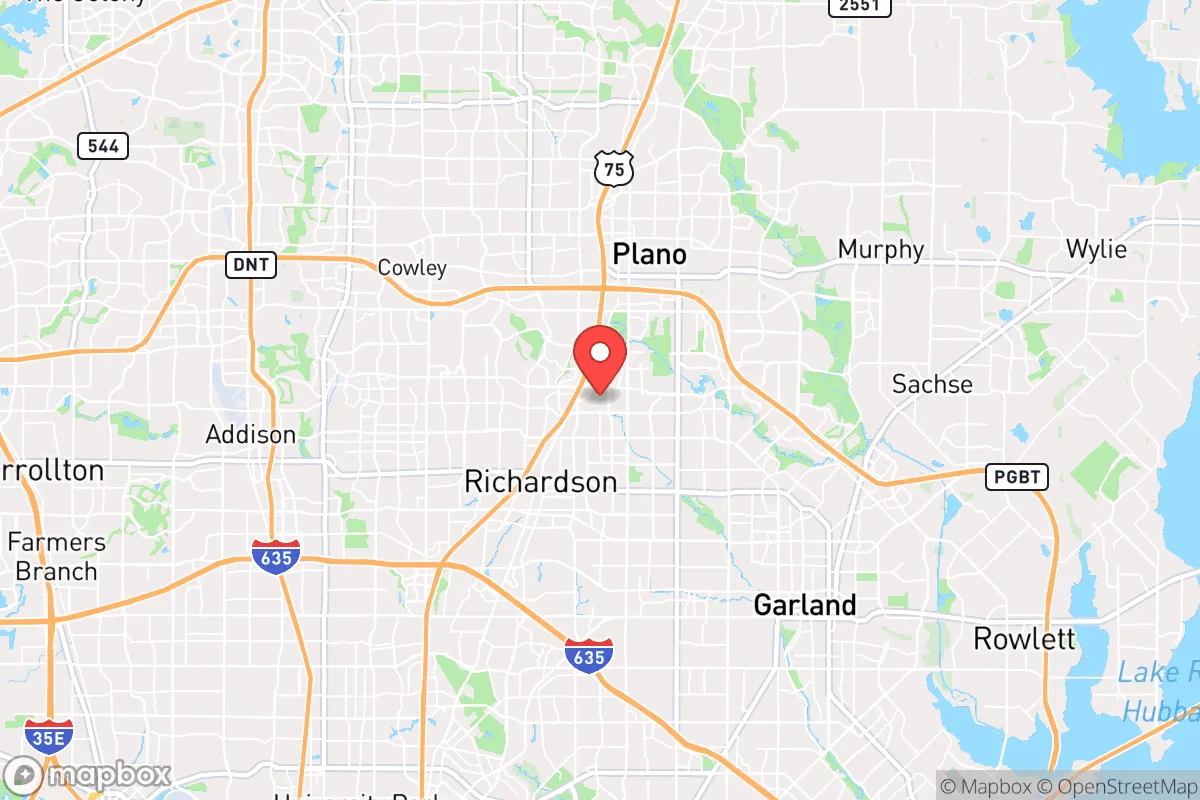
Richardson’s political climate stands out when you look at the surrounding suburbs. Drive ten miles north to Plano, and you’ll find a more balanced mix—Plano’s Collin County precincts still lean Republican, though they’ve tightened in recent cycles. Head east to Garland, and you’re in a district that’s also D+13, but with a different flavor: more working-class, less corporate. The real contrast is west, in places like Addison or Carrollton, where local governments have historically kept taxes low and regulations light. Richardson, by comparison, has embraced a more activist approach—think zoning changes that prioritize dense, mixed-use development over single-family neighborhoods, and a city council that’s increasingly vocal on social issues. For someone who values local control and minimal government overreach, that shift is a red flag. It’s not just about party labels; it’s about the creeping sense that the city is moving away from the “live and let live” ethos that made this area attractive in the first place.
What this means for residents
For everyday life, the political tilt has real consequences. Property taxes in Richardson have climbed faster than in neighboring cities, partly because the city has funded new public art installations, bike lanes, and sustainability programs that some residents see as nice-to-haves, not necessities. The school board, too, has become a battleground, with progressive candidates winning seats and pushing curriculum changes that emphasize social-emotional learning and diversity initiatives over core academics. If you’re a parent who wants transparency in what your kids are taught, you’ll need to stay engaged. On the plus side, the city’s infrastructure is solid—parks are well-maintained, and the police department remains professional—but the underlying philosophy is shifting. The long-term concern is that Richardson could follow the path of Austin, where progressive policies on housing and policing have led to higher costs and a fraying sense of community trust. It’s not there yet, but the trajectory is worth watching.
Culturally, Richardson still has its conservative anchors. The Telecom Corridor remains a hub for engineering and defense contractors, and many long-time residents are active in local Republican clubs and church groups. But the city’s annual events, like the Wildflower Festival and the Richardson Shakespeare Festival, now feature more overtly political messaging, from climate change booths to voter registration drives. The city council has also passed resolutions on state and national issues, which feels like a departure from the old focus on potholes and permits. For someone who believes government should stick to its core functions—public safety, roads, and basic services—this expansion of scope is concerning. If you’re considering a move here, I’d recommend talking to neighbors in older neighborhoods like Canyon Creek or Heights Park, where the traditional Texas spirit still runs strong. Just know that the political winds are blowing in a different direction, and they’re picking up speed.

State Political ClimatePolitical Climate in Texas
State Political AnalysisPolitical Environment in the State
Texas remains a solidly Republican state at the statewide level, but the last 10-20 years have seen a slow, steady shift toward competitiveness driven by explosive growth in its major metros. The dominant coalition is still conservative — anchored by rural voters, suburban families, and the oil-and-gas economy — but the margin has tightened from double-digit GOP wins in the 2000s to closer 5-8 point races in 2024, as the influx of out-of-state transplants and demographic changes in cities like Austin, Dallas, and Houston have begun to reshape the political map.
Urban vs. rural divide
The political geography of Texas is a tale of two worlds. The vast rural and exurban stretches — the Panhandle around Lubbock, the Piney Woods near Tyler, and the Hill Country west of Austin — vote Republican by margins of 60-80%. Meanwhile, the state's major urban cores have become Democratic strongholds. Austin (Travis County) is the bluest major city in the South, voting over 70% Democratic in 2024, driven by tech transplants and a progressive city council. El Paso and the Rio Grande Valley have historically leaned Democratic but have shown notable shifts — the Valley flipped sharply toward Trump in 2020 and 2024, with counties like Starr and Zapata moving 20+ points right, a trend driven by working-class Hispanic voters frustrated with the border crisis and economic stagnation. The suburbs are the real battleground: Collin County (north of Dallas) and Fort Bend County (southwest of Houston) were once reliably red but have become competitive, with Fort Bend flipping to Biden in 2020 and remaining a toss-up in 2024. This urban-rural split means that while the state legislature remains firmly in GOP hands (thanks to gerrymandered districts), the governor's race and presidential contests are tightening every cycle.
Policy environment
Texas's policy environment is a study in contrasts. On the tax front, there is no state income tax — a major draw for relocating families and individuals — but property taxes are among the highest in the nation, averaging around 1.6-1.8% of assessed value. The state's regulatory posture is famously business-friendly, with minimal zoning in many areas and a right-to-work law that keeps unions weak. On education, the state has embraced school choice through charter schools and the recent expansion of Education Savings Accounts (ESAs) under Governor Abbott's 2023 push, though the program is still limited compared to states like Arizona. Healthcare policy is a flashpoint: Texas has not expanded Medicaid under the ACA, leaving roughly 1.5 million low-income adults in a coverage gap, but the state has also resisted federal vaccine mandates and COVID-19 lockdowns more aggressively than most. Election laws tightened after 2020 with SB 1, which added ID requirements for mail-in ballots, limited drive-through voting, and banned 24-hour polling places — a move praised by conservatives for security but criticized by progressives as suppression. The state also maintains a near-total ban on abortion (trigger law after Dobbs) and has passed permitless carry for handguns (HB 1927 in 2021), reflecting a strong gun-rights posture.
Trajectory & freedom
On the freedom front, Texas has been a mixed bag over the last decade. On the positive side for conservatives, the state has expanded gun rights significantly: permitless carry (HB 1927) and the "Second Amendment Sanctuary" movement, where over 200 counties passed resolutions opposing federal gun restrictions. Parental rights were strengthened with the 2023 "Parental Bill of Rights" (HB 900), which requires schools to notify parents of instructional materials involving sexuality and gives them more control over their children's education. Medical autonomy saw a win with the ban on COVID-19 vaccine mandates for private employers (SB 7 in 2023). However, there are concerning trends. The state has aggressively used its power to prosecute doctors for performing abortions under the 2021 "Heartbeat Act" (SB 8), which allows private citizens to sue anyone who aids an abortion — a law that some conservatives worry sets a precedent for government overreach into private medical decisions. Property rights have been tested by the state's use of eminent domain for the border wall and private toll roads, though the 2023 "Texas Property Tax Relief" package (SB 2) did cut rates by about 15% for homeowners. The biggest threat to freedom many locals see is the growing influence of big tech and corporate ESG policies in cities like Austin, where the city council has pushed "sanctuary city" policies and green energy mandates that feel like a creeping progressive agenda.
Civil unrest & political movements
Texas has seen its share of political flashpoints. The 2020 Black Lives Matter protests in Austin and Dallas were large and occasionally violent, leading to property damage and a lasting sense of unease among conservatives about urban governance. The border crisis has been the dominant political movement since 2021, with Governor Abbott's "Operation Lone Star" deploying state troopers and National Guard to the border, busing migrants to sanctuary cities like New York and Chicago, and sparking legal battles with the Biden administration over razor wire and buoys in the Rio Grande. This has energized the GOP base but also drawn criticism from libertarians who see it as federal overreach by the state. On the right, the "Texas Nationalist Movement" (Texit) has gained some traction, with polls showing about 30% of Republicans supporting secession, though it remains a fringe idea. Election integrity remains a hot-button issue: the 2020 and 2022 cycles saw allegations of fraud in Harris County (Houston), leading to the state takeover of elections there in 2023. A new resident would notice the heavy presence of "Don't Mess with Texas" signs, pro-police flags, and occasional border-wall fundraisers at local churches — the culture is proudly defiant of federal authority.
Projection
Over the next 5-10 years, Texas is likely to become more politically competitive but not necessarily more progressive. The in-migration from California and the Northeast — roughly 1,000 people per day — is bringing a mix of conservatives fleeing high taxes and liberals seeking jobs, but the net effect is a slight leftward drift in the suburbs. The GOP is responding by doubling down on cultural issues: expect more parental rights legislation, further restrictions on abortion (possibly a full ban with no exceptions), and continued battles over school curriculum. The border crisis will remain the central issue, with the state likely to push for more aggressive enforcement even if the federal government changes hands. The biggest wild card is the Hispanic vote: if the trend seen in the Rio Grande Valley continues, Texas could become a redder state again, as working-class Hispanic voters align with the GOP on economics and border security. For a new resident, the practical takeaway is that Texas will remain a low-tax, business-friendly state with strong gun rights and a conservative cultural tilt, but the political battles will intensify, especially in the suburbs around Dallas, Houston, and San Antonio.
For someone moving to Texas now, the bottom line is this: you'll find a state that still values personal freedom — no income tax, permitless carry, and a government that mostly stays out of your business — but you'll also see growing friction between the old conservative order and the new arrivals. If you're looking for a place where your vote still counts and your values are respected, the rural and exurban areas (think Waco, College Station, or the Hill Country) offer a more stable environment, while the big cities are increasingly a political battleground. Keep an eye on the 2026 governor's race and the 2028 presidential contest — those will tell you whether Texas stays red or becomes the next Florida-style swing state.
* Values derived from national, state, county, city and local statistics and may differ in a specific area. Last updated: 2026-04-21T09:15:47.000Z
Narrative content on this page is AI-generated and may contain mistakes. Verify any details that matter before acting on them.
ReloMaps may earn a commission from affiliate links at no extra cost to you.

