 Popular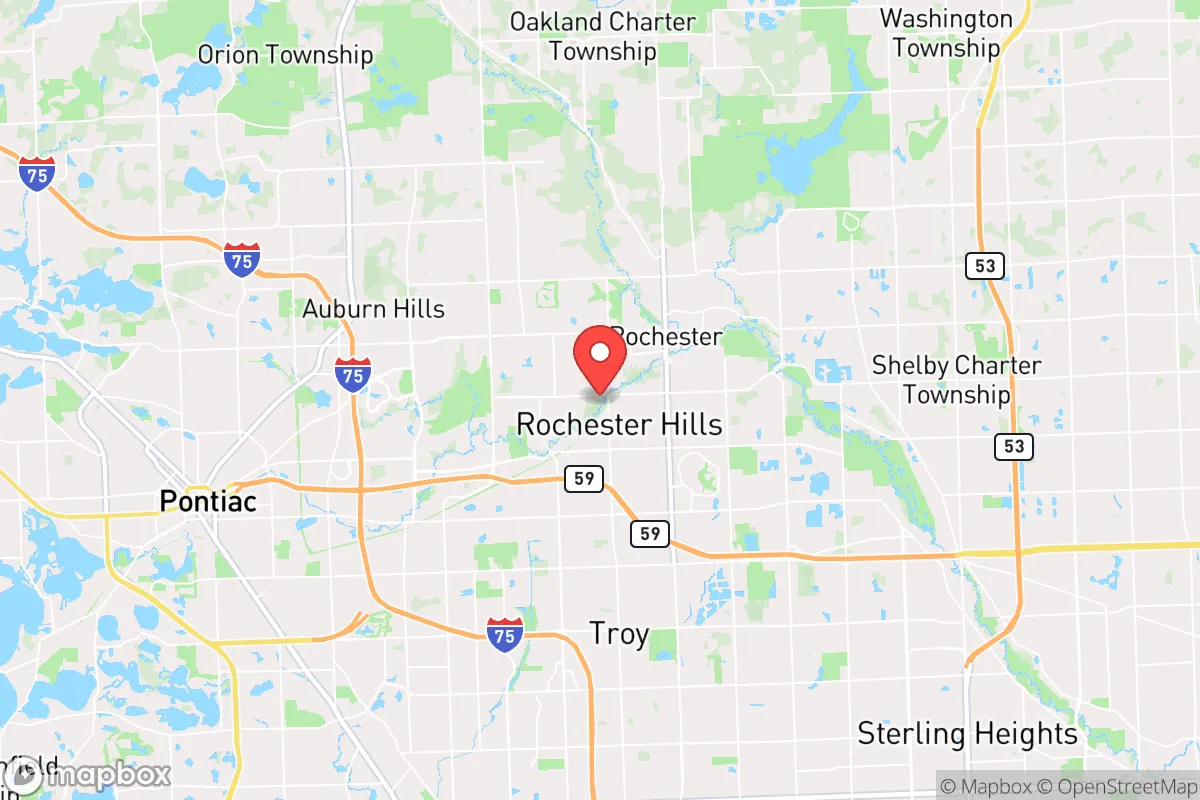
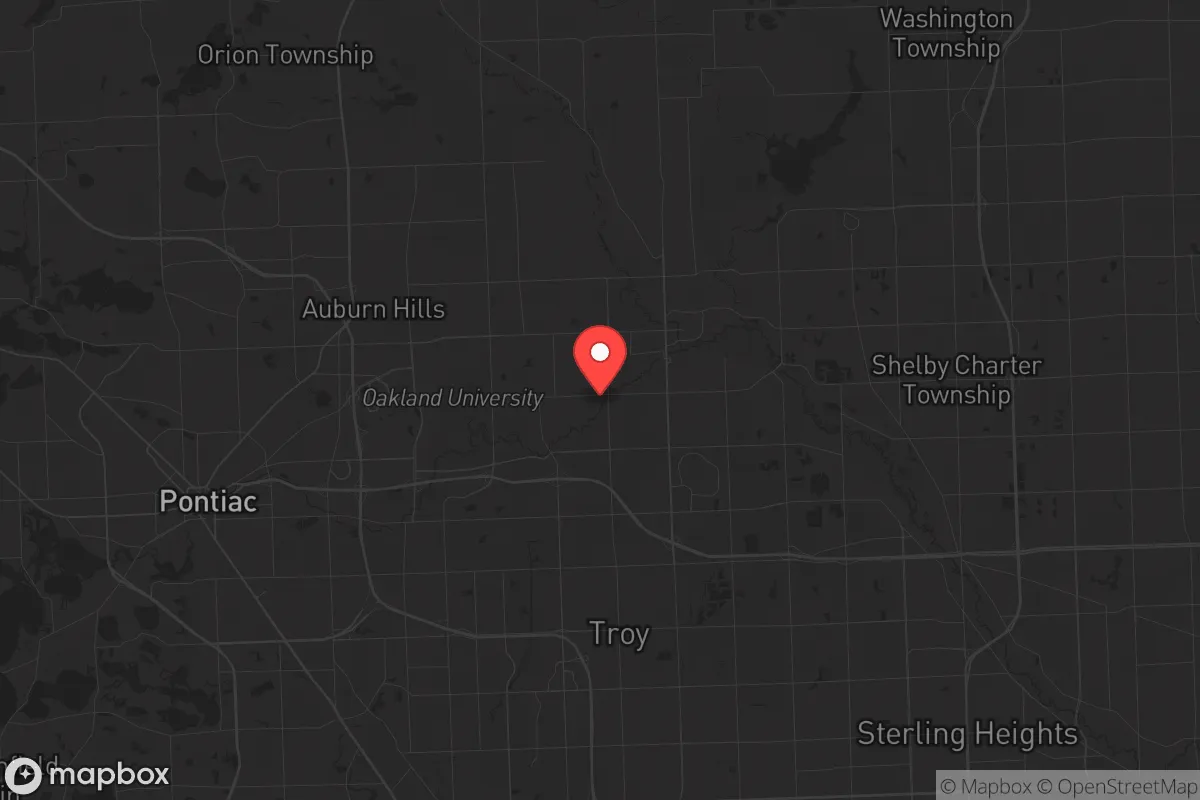
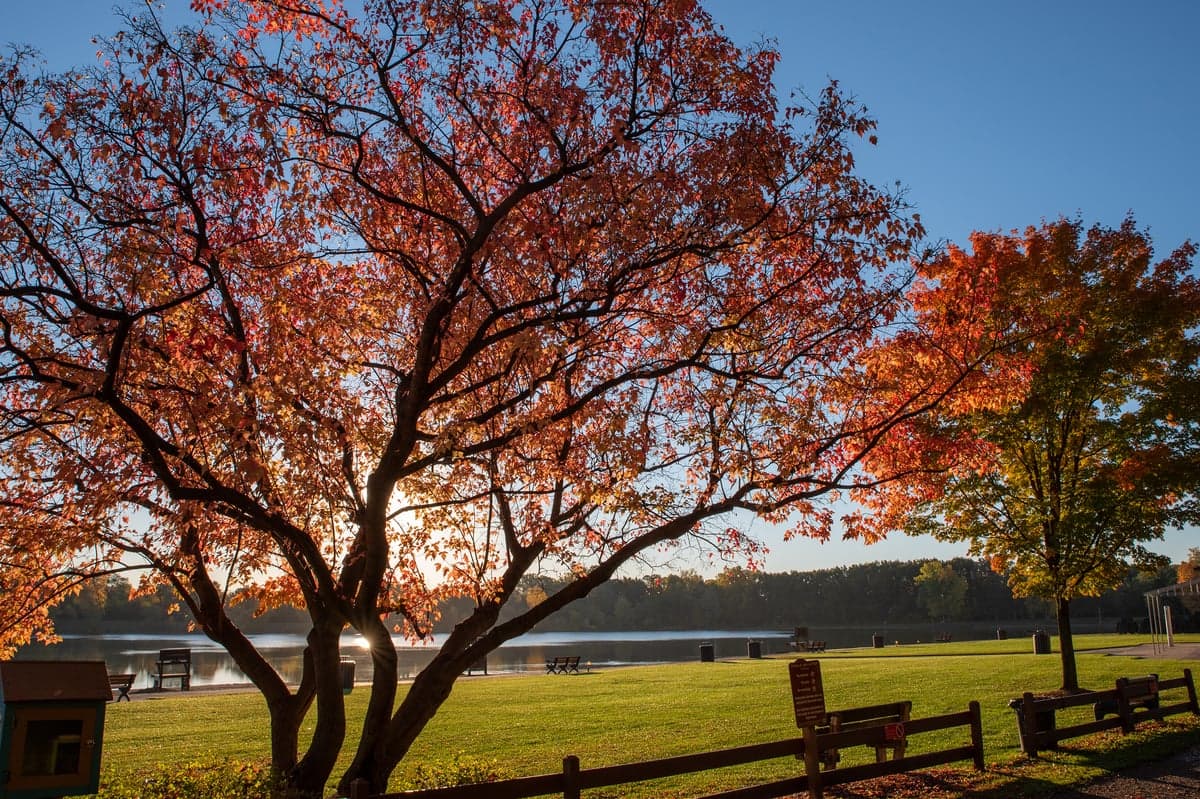
Photo: Wikipedia
Political ClimatePolitical Climate in Rochester Hills, MI
District shown is the primary district for this city’s centroid. Cities may span multiple districts.
Local Political AnalysisPolitical Analysis of Rochester Hills, MI
Rochester Hills has long been a reliably conservative stronghold in Oakland County, with a Cook PVI of R+3 that reflects its steady Republican lean even as the surrounding region has shifted. The city itself has historically voted for GOP candidates by comfortable margins, but the political climate here isn't what it was even a decade ago. You can feel the change in the air—more yard signs for progressive candidates, more chatter about "equity" initiatives at city council meetings, and a growing unease among folks who remember when local government stayed out of your business. The trajectory is concerning: while Rochester Hills still leans right, the pressure from neighboring liberal enclaves like Troy and Royal Oak is pushing the Overton window leftward, and it's happening faster than most long-time residents are comfortable with.
How it compares
If you drive ten minutes south into Troy, you're in a completely different political world—solidly blue, with a city council that's embraced diversity, equity, and inclusion programs that many here see as government overreach. Head west to Farmington Hills, and you'll find a similar progressive bent. Rochester Hills stands apart as a relative island of conservatism in a sea of blue, but that island is eroding. The contrast is starkest during election cycles: while Oakland County as a whole has trended Democratic since 2016, Rochester Hills has held the line, with local races often decided by single-digit margins. The nearby city of Rochester, just to the north, is slightly more moderate but still leans right, while Pontiac to the east is overwhelmingly Democratic. For a conservative, the takeaway is clear: the political geography is shifting, and Rochester Hills is one of the last redoubts in the area—but it won't stay that way without active engagement.
What this means for residents
For families and individuals who value personal freedoms and limited government, the stakes are real. The push for more stringent zoning regulations, higher property taxes to fund "sustainability" programs, and school board battles over curriculum content are all signs that the progressive playbook is being tested here. Property taxes in Rochester Hills already run about 2.5% of assessed value, and there's constant pressure to increase them for initiatives that many see as unnecessary government expansion. The city's recent debates over mask mandates and vaccine requirements during the pandemic were a flashpoint—many residents felt local leaders overstepped, and that resentment hasn't faded. On the plus side, the city's conservative lean has kept things like business licensing relatively light and kept the police department well-funded, which matters for public safety. But the long-term trend is worrying: if the political climate continues to shift, residents could see more top-down mandates and less local control over their own neighborhoods.
Culturally, Rochester Hills still feels like a place where you can live your life without the government breathing down your neck. The annual Rochester Hills Festival of the Hills is a low-key, family-friendly event that hasn't been co-opted by political activism—yet. But the school district has seen heated debates over library books and gender identity policies, and the city council has flirted with "housing equity" studies that sound like a prelude to upzoning and density mandates. The real red flag is the creeping influence of county-level policies—Oakland County's executive has pushed for regional transit and climate action plans that could override local preferences. For now, Rochester Hills remains a place where conservative values still hold sway, but it's a defensive battle. If you're looking for a community that respects your rights and keeps government in its lane, this is still one of the better bets in southeast Michigan—but keep an eye on the ballot box, because the fight isn't over.

State Political ClimatePolitical Climate in Michigan
State Political AnalysisPolitical Environment in the State
Michigan has shifted from a reliably purple battleground to a state where Democrats now hold all three levers of state government, a dramatic change from just a decade ago when Republicans controlled the legislature and governor’s office. The state’s overall partisan lean is now a solid blue, with Democrats winning the governorship, both chambers of the legislature, and both U.S. Senate seats in the 2022 and 2024 cycles. This trajectory is a sharp reversal from the 2010s, when Michigan was a national bellwether that voted for Trump in 2016 and narrowly for Biden in 2020, and it reflects a consolidation of power in the populous southeast while the rest of the state grows increasingly frustrated.
Urban vs. rural divide
The political map of Michigan is a tale of two states. The urban core of Detroit and its inner-ring suburbs like Southfield and Dearborn are overwhelmingly Democratic, delivering massive margins that can swing statewide elections. Wayne County alone accounts for roughly 20% of the state’s vote, and it’s a Democratic fortress. The other major metro areas—Grand Rapids, Ann Arbor, Lansing, and Flint—also lean blue, though Grand Rapids has a more moderate Republican streak in its outer suburbs like Kentwood and Caledonia. Meanwhile, the vast rural and exurban areas—northern Michigan, the Thumb, and the western Upper Peninsula—are deeply red. Counties like Oceana, Missaukee, and Osceola routinely vote 70%+ Republican. The divide is stark: the 2022 governor’s race saw Gretchen Whitmer win by 11 points statewide, but she lost 70 of Michigan’s 83 counties. The political power is concentrated in the southeast, and that’s where the policy direction is set.
Policy environment
The policy environment under Democratic control has shifted aggressively leftward. The 2023-2024 legislative session saw a flurry of bills that expanded government reach into areas conservatives care about. The repeal of Michigan’s right-to-work law in 2023 was a major blow to worker freedom, allowing unions to once again require dues as a condition of employment. The state also reinstated a prevailing wage mandate for public construction projects, driving up costs. On taxes, Michigan’s income tax rate was temporarily cut from 4.25% to 4.05% due to a 2015 automatic trigger law, but Democrats have signaled they want to repeal that trigger to keep rates higher. The 2022 expansion of the Elliott-Larsen Civil Rights Act added sexual orientation and gender identity as protected classes, which has led to legal conflicts over religious liberty and parental rights. Education policy has seen the elimination of the “Read by Grade 3” retention law and the adoption of a comprehensive sex education curriculum that many parents find intrusive. Election laws were also overhauled with Prop 2 in 2022, which enshrined nine days of early voting, automatic voter registration, and no-excuse absentee voting—changes that critics argue weaken election integrity.
Trajectory & freedom
Michigan is clearly becoming less free for conservatives. The most alarming recent legislation is the 2023 “red flag” law, which allows courts to temporarily seize firearms from individuals deemed a risk by family or police, without a criminal conviction or a full hearing. This was paired with universal background checks and safe storage requirements for gun owners. On parental rights, the 2023 repeal of the “opt-out” provision for sex education means parents can no longer easily remove their children from lessons on gender identity and sexual orientation. The state also passed a “conversion therapy” ban for minors, which some religious families see as a restriction on counseling. Medical freedom took a hit with the 2022 repeal of the 1931 abortion ban and the passage of Prop 3, which enshrined a broad right to abortion up to viability and removed many regulations. Property rights are under pressure from new renewable energy siting laws that allow the state to override local zoning for wind and solar projects. The only bright spot is that Michigan remains a constitutional carry state for firearms (no permit needed to carry concealed), though that could change if Democrats push further.
Civil unrest & political movements
Michigan has been a flashpoint for political activism on both sides. The 2020 Whitmer kidnapping plot and the Operation Gridlock protests at the state capitol in Lansing, where thousands of armed protesters opposed COVID-19 lockdowns, put Michigan on the national map for conservative resistance. Since then, the Michigan Conservative Coalition and groups like Moms for Liberty have been active in school board races and local elections. On the left, the “Michigan for Abortion Rights” campaign successfully passed Prop 3, and the “Michigan United” coalition pushes for driver’s licenses for illegal immigrants and sanctuary policies. Immigration politics are tense: Detroit and Ann Arbor have declared themselves sanctuary cities, while rural counties like Lapeer and St. Clair have passed resolutions opposing such policies. Election integrity remains a hot-button issue, with the 2020 and 2022 results still contested by many conservatives, and the new early voting system has raised concerns about chain of custody. The 2023 “Enough is Enough” movement, a left-wing group, has organized protests against corporate greed, but the most visible flashpoint for a new resident would be the constant tension at local school board meetings over curriculum and library books.
Projection
Over the next 5-10 years, Michigan is likely to become more blue due to demographic shifts. The urban core of Detroit is slowly losing population, but the suburbs are diversifying and becoming more Democratic. In-migration from blue states like California and Illinois is modest but growing, particularly in Grand Rapids and Traverse City, which are seeing an influx of remote workers who tend to vote left. The Republican Party is struggling to rebuild after losing the governorship and legislature, and internal divisions between the “Trump wing” and the “establishment” remain unresolved. The 2026 governor’s race will be a key test: if Democrats hold the seat, the policy agenda will accelerate. Expect further restrictions on gun rights, a push for a statewide rent control law, and potential carbon taxes or cap-and-trade schemes. The one wildcard is the 2026 ballot initiative to require a supermajority for tax increases, which could slow the leftward fiscal drift. For a conservative moving in now, the next decade will feel like a slow-motion version of what happened in Illinois or California—higher taxes, more regulation, and less personal freedom.
Bottom line for a new resident: If you’re moving to Michigan, understand that the state government is firmly in progressive hands and will likely stay that way. Your best bet is to settle in a red-leaning county like Livingston (Howell), Ottawa (Holland), or Macomb (Mount Clemens), where local officials push back against state mandates. Be prepared for higher taxes, more restrictions on your Second Amendment rights, and a school system that may not align with your values. The natural beauty and low cost of living are real draws, but the political climate is a growing liability for anyone who values limited government and personal liberty.
* Values derived from national, state, county, city and local statistics and may differ in a specific area. Last updated: 2026-04-30T01:27:58.000Z
Narrative content on this page is AI-generated and may contain mistakes. Verify any details that matter before acting on them.
ReloMaps may earn a commission from affiliate links at no extra cost to you.

