 Popular
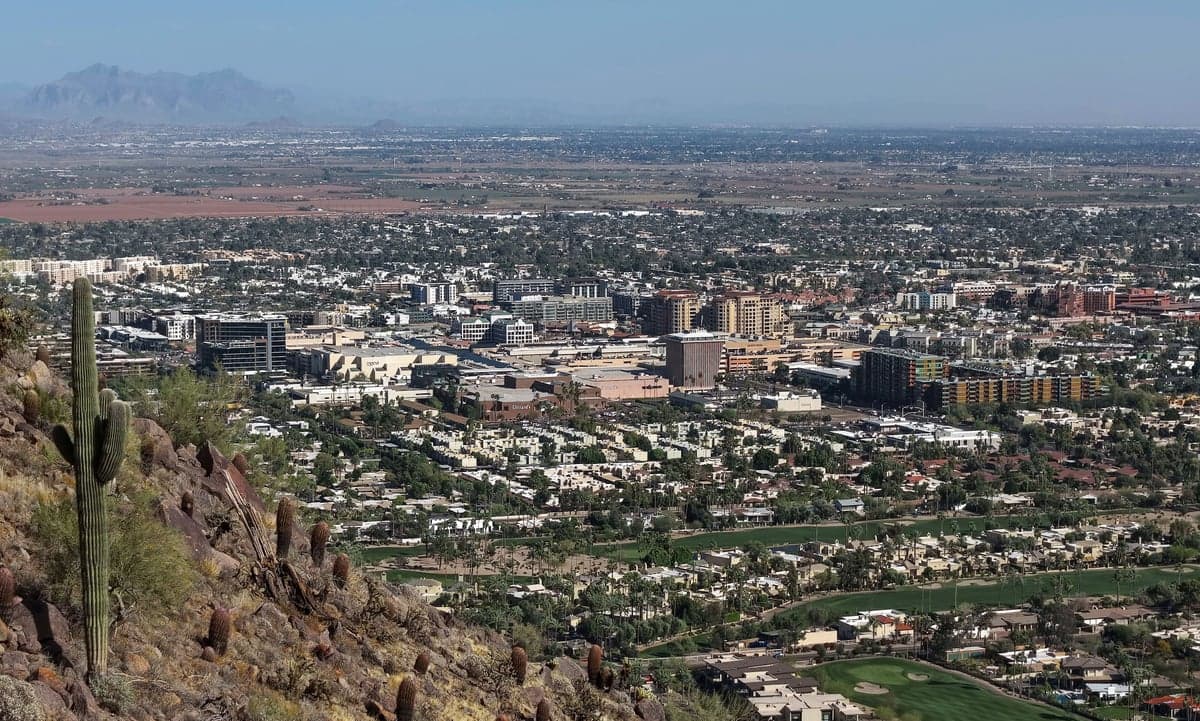
Photo: Wikipedia
Quality of Life in Scottsdale, AZ
Above-average quality of iife. The area offers a reasonable cost of living, decent mobility, and a mix of neighborhood amenities.
What does Quality of Life tell us?
Quality of Life blends cost of living, nearby amenities, socioeconomic signals, and neighborhood character. City-level scores represent the whole municipality; individual neighborhoods can differ.
What does this tell us?
Quality of Life blends cost of living, nearby amenities, socioeconomic signals, and neighborhood character. City-level scores represent the whole municipality; individual neighborhoods can differ.
Cost of Living
99% above national average
The Real Cost of Living in Scottsdale, AZ for 2026
| Tier | Individual | Family (4) |
|---|---|---|
| Survival | $30k | $57k |
| Comfortable | $138k | $203k |
| Luxury | $194k+ | $301k+ |
| Elite (Top 5%) | $303k+ | $470k+ |
53%
The Area Signal
A metric tracking the socioeconomic signals of the area.


Hobbies
Explore the areaGroceries
5 within 10 miles
Gas
0 within 10 miles
Hospital
3 within 20 miles
Airport
PHX — Phoenix Sky Harbor International
Post Office
USPS — Scottsdale, AZ
Critical Amenities
Quality-of-Life Analysis
Scottsdale, Arizona, is one of the most affluent cities in the Phoenix metropolitan area, drawing a population of roughly 240,000 residents who prioritize high-end living, outdoor recreation, and a polished suburban atmosphere. The city’s cost of living index stands at 199 — nearly double the U.S. average — reflecting its reputation as a luxury destination for professionals, retirees, and second-home buyers. The median home value of $709,900 places Scottsdale well above the national median, while the average commute of just under 22 minutes is notably shorter than the Phoenix metro average of 26 minutes, appealing to those who value time over sprawl.
Cost of living, housing prices, and affordability compared to nearby cities
Scottsdale’s housing market is the primary driver of its elevated cost of living. The median home value of $709,900 is roughly 70% higher than the Phoenix metro median of about $420,000 and more than double the national figure. Median rent sits at $1,910 per month, which is about $300 above the metro average but still below the $2,200+ rents seen in parts of Paradise Valley or north Scottsdale. For buyers, the price gap is stark: a comparable 2,000-square-foot home in neighboring Tempe might cost $550,000, while in Scottsdale’s sought-after Old Town or McCormick Ranch neighborhoods, the same property often exceeds $800,000. Property taxes are relatively moderate — Arizona’s effective rate is around 0.62% — but the high base values mean annual tax bills can run $4,400 or more on a median-priced home. Utilities and groceries also run about 10-15% above national averages, though transportation costs are tempered by the short commute.
Schools, amenities, and what daily life feels like for residents
Scottsdale is served by the highly rated Scottsdale Unified School District, which includes top-tier schools like Desert Mountain High School and Cheyenne Elementary, both consistently scoring in the top 10% of Arizona schools. Private options such as Brophy College Preparatory and Scottsdale Christian Academy are also popular. Daily life revolves around an extensive network of over 200 parks, the McDowell Sonoran Preserve’s 200+ miles of trails, and a vibrant dining scene concentrated along Scottsdale Road. The city’s walkability is limited to pockets like Old Town and the Waterfront, but most errands require a car — though the 22-minute average commute is a clear advantage over Phoenix’s 28-minute average. Cultural amenities include the Scottsdale Center for the Performing Arts, the Scottsdale Museum of Contemporary Art, and spring training baseball at Salt River Fields. The rhythm is distinctly upscale and active: residents often start the day with a hike, work remotely or commute briefly, and spend evenings at farm-to-table restaurants or resort spas.
Scottsdale is best suited for affluent professionals, empty-nesters, and families with school-age children who can absorb the high housing costs and value proximity to nature, low crime rates, and top-tier schools. Remote workers with six-figure incomes, retirees trading down from pricier coastal markets, and executives at nearby employers like Axon or Discount Tire will find the trade-off of high housing costs for short commutes and outdoor access compelling. Budget-conscious renters or first-time buyers will likely find better value in Tempe, Mesa, or Chandler, where median rents are $200–$400 lower and home prices are significantly more attainable.

Crime in Scottsdale, AZ
Generally safer than 67% of comparable U.S. locations.
Violent CrimeViolent Crime Analysis
Property CrimeProperty Crime Analysis
Crime Analysis
Scottsdale, Arizona, maintains a reputation as one of the safer cities in the Phoenix metropolitan area, but its crime profile reveals a sharp divide between low violent crime rates and elevated property crime. With a violent crime rate of 172.3 incidents per 100,000 residents and a property crime rate of 1,734.6 per 100,000, the city offers a generally secure environment for residents and visitors, though property theft remains a persistent concern. The overall safety picture is further complicated by the broader Maricopa County justice system, where progressive prosecutorial policies in recent years have raised alarms about recidivism and offender accountability.
Crime in context
Scottsdale’s violent crime rate is roughly 54% lower than the national average and significantly below the Arizona state rate of approximately 430 per 100,000. Homicides are rare, typically single-digit annually, and aggravated assaults account for the majority of violent incidents. Property crime, however, tells a different story: the rate is about 15% higher than the national average, driven primarily by larceny-theft and motor vehicle theft. The city’s affluent neighborhoods and high concentration of retail destinations—such as Scottsdale Fashion Square and Old Town—create attractive targets for opportunistic thieves. When compared to neighboring Phoenix (violent crime rate near 700 per 100,000) or Tempe, Scottsdale remains a clear outlier for safety, but the property crime numbers are a genuine concern for homeowners and businesses alike.
What residents experience
Daily life in Scottsdale feels safe for most residents, with well-lit streets, active neighborhood patrols, and a visible police presence in commercial corridors. However, the influence of Maricopa County’s progressive district attorney policies—including reduced bail requirements and diversion programs for repeat property offenders—has eroded some confidence in the justice system. Residents report frustration with smash-and-grab thefts from vehicles and package thefts, crimes that often result in minimal consequences for offenders. The city’s own police department is proactive, employing license-plate readers and targeted patrols in high-theft zones, but the broader county-level approach to sentencing means many property criminals cycle back onto the streets quickly. For families and retirees, the low violent crime rate is reassuring, but the property crime environment demands vigilance—locking vehicles, securing garages, and using home security systems are standard practices.
Neighborhood-level variation is significant. North Scottsdale (areas near Pinnacle Peak and the McDowell Mountains) sees the lowest crime rates, with violent crime nearly nonexistent and property crime well below the city average. Old Town and South Scottsdale, by contrast, experience higher rates of theft and occasional assaults, driven by nightlife activity and denser population. Gated communities and HOAs with private security further reduce risk for their residents, while renters in multi-family complexes near major roads may face elevated property crime. Prospective movers should examine block-level crime maps and consider that the city’s overall safety statistics mask pockets where proactive personal security measures are essential.
* Values derived from national, state, county, city and local statistics and may differ in a specific area. Last updated: 2026-04-15T23:28:41.000Z
Narrative content on this page is AI-generated and may contain mistakes. Verify any details that matter before acting on them.
ReloMaps may earn a commission from affiliate links at no extra cost to you.

