Photo: Wikipedia
Quality of Life in Hays County
A livable area that tracks near national norms for affordability, walkability, and neighborhood health.
What does Quality of Life tell us?
Quality of Life measures an area by evaluating factors like cost of living, nearby amenities, country club access, airport proximity, socioeconomic signals and neighborhood character. For large states, this is a general average — quality of life can vary dramatically between metro areas, suburbs, and rural communities within the same state.
What does this tell us?
Quality of Life measures an area by evaluating factors like cost of living, nearby amenities, country club access, airport proximity, socioeconomic signals and neighborhood character. For large states, this is a general average — quality of life can vary dramatically between metro areas, suburbs, and rural communities within the same state.
Cost of Living
26% above national average
81%
The Real Cost of Living in Hays County for 2026
| Tier | Individual | Family (4) |
|---|---|---|
| Survival | $23k | $43k |
| Comfortable | $72k | $106k |
| Luxury | $151k+ | $234k+ |
| Elite (Top 5%) | $178k+ | $275k+ |
Quality-of-Life Analysis
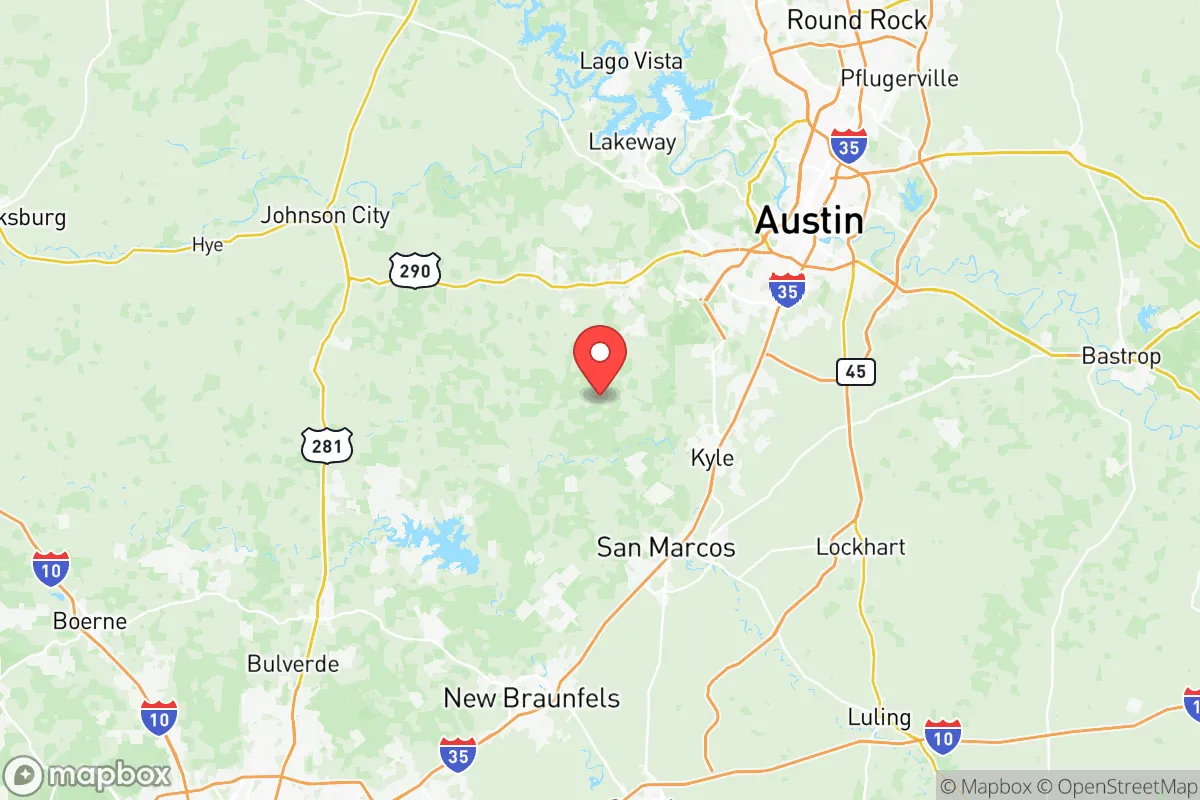
Hays County, Texas, offers a broad spectrum of living environments, from the dense, amenity-rich city of San Marcos to the quiet, unincorporated crossroads of places like Driftwood and Wimberley. This geographic diversity means the county attracts a wide range of residents: university students and faculty drawn to Texas State University, Austin commuters seeking more affordable housing, and families or retirees looking for hill country acreage. The county’s character shifts noticeably as you travel north toward the Austin metro fringe or south toward the more rural ranchlands, creating distinct lifestyle zones within a single county.
Largest town(s) & population centers
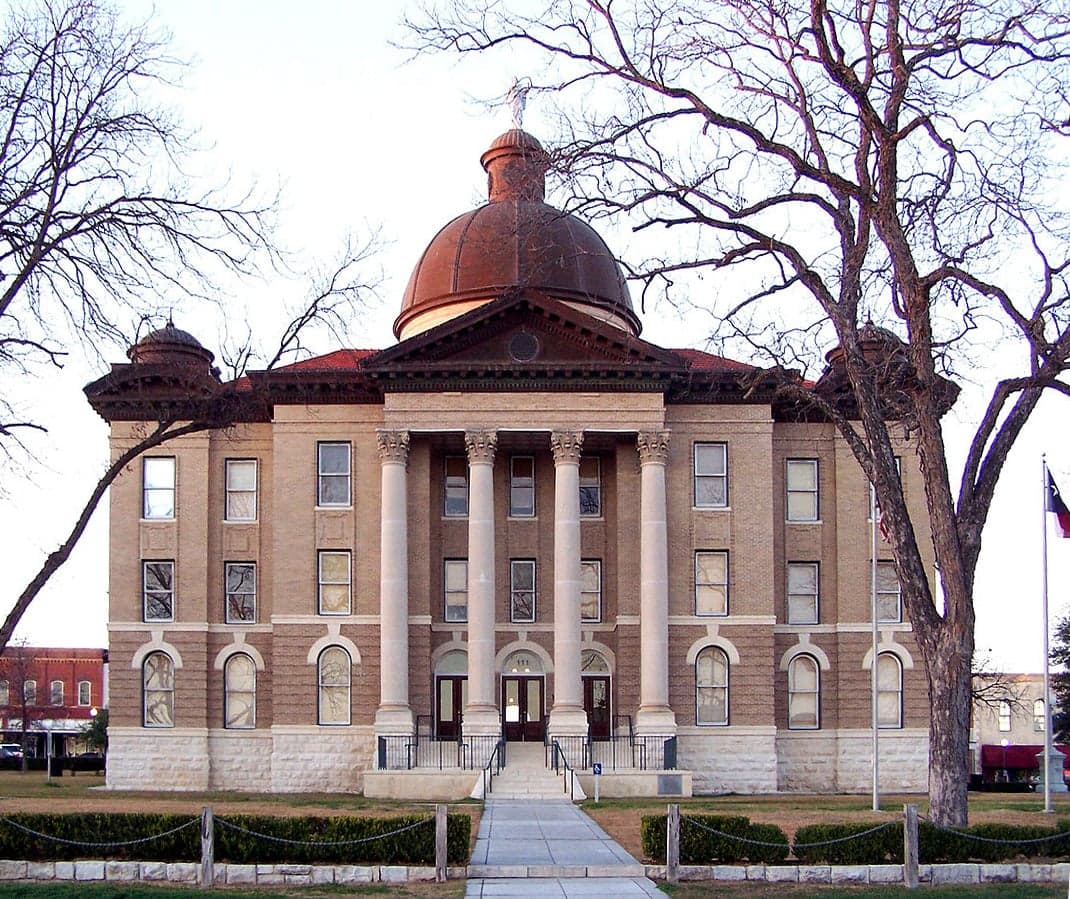
San Marcos is the county’s largest city and primary population center, home to roughly 70,000 residents and Texas State University. Daily life here is defined by a mix of college-town energy and a growing suburban core. The downtown square along the San Marcos River offers restaurants, live music, and the historic Hays County Courthouse, while the I-35 corridor is lined with big-box retail and outlet malls. Kyle and Buda, both just north of San Marcos, have experienced explosive growth as bedroom communities for Austin. Kyle’s Plum Creek development and Buda’s historic downtown provide family-oriented amenities, including parks, new schools, and commuter-friendly access to SH-45 and I-35. These three towns form a contiguous suburban zone where the average commute of roughly 31 minutes is a practical reality for many residents working in Austin or San Antonio.
Smaller towns & rural pockets
West of the I-35 corridor, the county opens into the Texas Hill Country. Wimberley, with its iconic Cypress Creek and the Blue Hole swimming spot, is a popular destination for weekenders and retirees seeking a slower pace. The town’s art galleries, local markets, and lack of chain stores give it a distinct character from the suburban east. Further south, Dripping Springs (partly in Hays County) is known as the “Gateway to the Hill Country,” with a growing number of wedding venues, breweries, and estate-lot subdivisions. Unincorporated areas like Driftwood and Mountain City remain largely rural, with large-lot homes, horse properties, and a handful of local eateries like the Salt Lick BBQ. These western communities offer a quieter, more land-oriented lifestyle, though they lack the municipal services and retail density of the I-35 towns.
Cost & lifestyle range
The cost of living in Hays County sits at a 126 index (100 = US average), reflecting the premium for proximity to Austin. However, this average masks a wide internal spread. On the higher end, Dripping Springs and Wimberley command median home values well above the county’s $371,400 median, often exceeding $500,000 for hill country views and acreage. Rent in these areas is also elevated, with limited apartment inventory pushing monthly costs past the county median of $1,417. On the more affordable end, San Marcos and Kyle offer a greater range of starter homes and rental units, particularly in newer subdivisions near I-35. Older neighborhoods in San Marcos near the university can still yield homes under $300,000, though inventory is tight. The lifestyle trade-off is clear: western communities offer space and scenery but require longer drives for groceries and services, while the I-35 corridor provides convenience and shorter commutes at a higher density.
Hays County is best suited for those who value geographic flexibility within a single county. Professionals and families who prioritize a short commute to Austin or San Antonio will find the I-35 towns practical and growing. Those seeking a rural or semi-rural retreat with hill country character will gravitate toward Wimberley, Dripping Springs, or the unincorporated areas west of the interstate. The county’s diversity means that a single household can move from a downtown San Marcos apartment to a Driftwood ranch without leaving the county lines, making it a versatile choice for a wide range of Texas lifestyles.

Crime in Hays County
Crime rates similar to the national median for U.S. locations.
Violent CrimeViolent Crime Analysis
Property CrimeProperty Crime Analysis
Crime Analysis
Hays County, Texas, presents a mixed safety profile that sits slightly above the statewide average for property crime but below the national average for violent offenses, according to the most recent FBI data. With a violent crime rate of 342.3 per 100,000 residents and a property crime rate of 1,780.9 per 100,000, the county's overall picture is shaped by the rapid growth of its largest cities—San Marcos, Kyle, and Buda—and the contrasting character of its smaller, more rural communities like Dripping Springs and Wimberley. The county's proximity to Austin and its status as a major commuter corridor along I-35 introduce both economic opportunity and crime pressures that vary significantly from one jurisdiction to the next.
Crime in context
When compared to Texas as a whole, Hays County's violent crime rate of 342.3 per 100,000 is roughly 15% lower than the state average of approximately 400 per 100,000, though it remains above the national rate of about 380 per 100,000. The property crime rate of 1,780.9 per 100,000 is notably higher than the national average of roughly 1,954 per 100,000, but sits close to the Texas average of about 1,850 per 100,000. These figures place Hays County in a middle tier among Texas counties—safer than high-crime urban centers like Harris County (Houston) or Dallas County, but less safe than affluent suburban counties such as Collin County (Frisco, McKinney). The county's rapid population growth, which has exceeded 30% since 2020, has strained law enforcement resources and contributed to a rise in property crimes like vehicle theft and burglary, particularly in the I-35 corridor cities of San Marcos and Kyle.
What residents experience
Daily safety in Hays County is heavily dependent on location and the effectiveness of local law enforcement and judicial policies. San Marcos, home to Texas State University and a major retail hub, consistently reports the highest crime numbers in the county, with property crime rates that can double those of smaller towns. The city's progressive district attorney for Hays County, who has emphasized diversion programs and reduced sentencing for non-violent offenders, has drawn criticism from residents who argue these policies contribute to a revolving-door justice system that fails to deter repeat property criminals. In contrast, Dripping Springs and Wimberley report significantly lower crime rates, often 40-50% below the county average, benefiting from smaller populations, stronger community policing, and a more conservative judicial approach in their local municipal courts. Kyle and Buda fall in the middle, with property crime rates that have risen alongside new housing developments and retail expansion, though violent crime remains relatively rare in these bedroom communities.
Neighborhood-level variation
Within individual cities, crime clusters are predictable. In San Marcos, the area around the university campus and the I-35/SH-80 interchange sees the highest concentration of thefts, vehicle break-ins, and alcohol-related incidents. Newer subdivisions in Kyle and Buda, such as those near the Plum Creek and Sunfield developments, generally experience lower crime than older neighborhoods closer to the I-35 frontage roads. Rural areas like the Blanco River corridor near Wimberley and the Hill Country estates around Dripping Springs see very low violent crime but are not immune to occasional burglaries targeting unoccupied vacation homes. Residents considering a move to Hays County should weigh the trade-offs: the convenience and amenities of San Marcos and Kyle come with higher property crime risks and a justice system that some view as lenient, while the quieter, safer towns of Dripping Springs and Wimberley offer a more secure environment at the cost of longer commutes and fewer urban services.
* Values derived from national, state, county, city and local statistics and may differ in a specific area. Last updated: 2026-05-12T11:22:14.000Z
Narrative content on this page is AI-generated and may contain mistakes. Verify any details that matter before acting on them.
ReloMaps may earn a commission from affiliate links at no extra cost to you.

