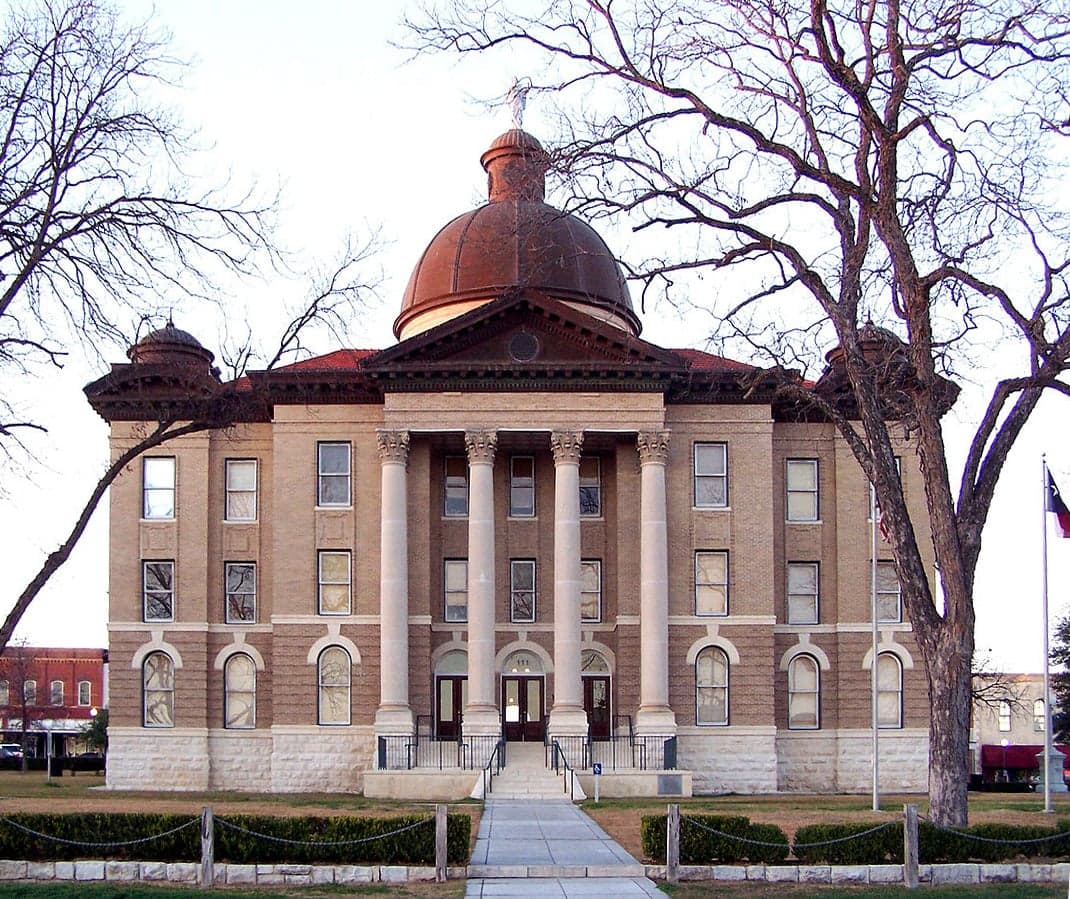
Photo: Wikipedia
Personal Sovereignty in Hays County
Strong independent fundamentals that actively favor personal liberty and low regulation.
What does Personal Sovereignty tell us?
Personal Sovereignty measures your capacity for self-reliance and independence with minimal government friction. Higher scores mean fewer barriers between you and the way you want to live... but it assumes you have the space you need and good neighbors.
What does this tell us?
Personal Sovereignty measures your capacity for self-reliance and independence with minimal government friction. Higher scores mean fewer barriers between you and the way you want to live... but it assumes you have the space you need and good neighbors.
State Policy
Energy independence: Net exporter (220% of energy produced in-state)
Personal Liberty
Homesteading

Personal Liberty Analysis
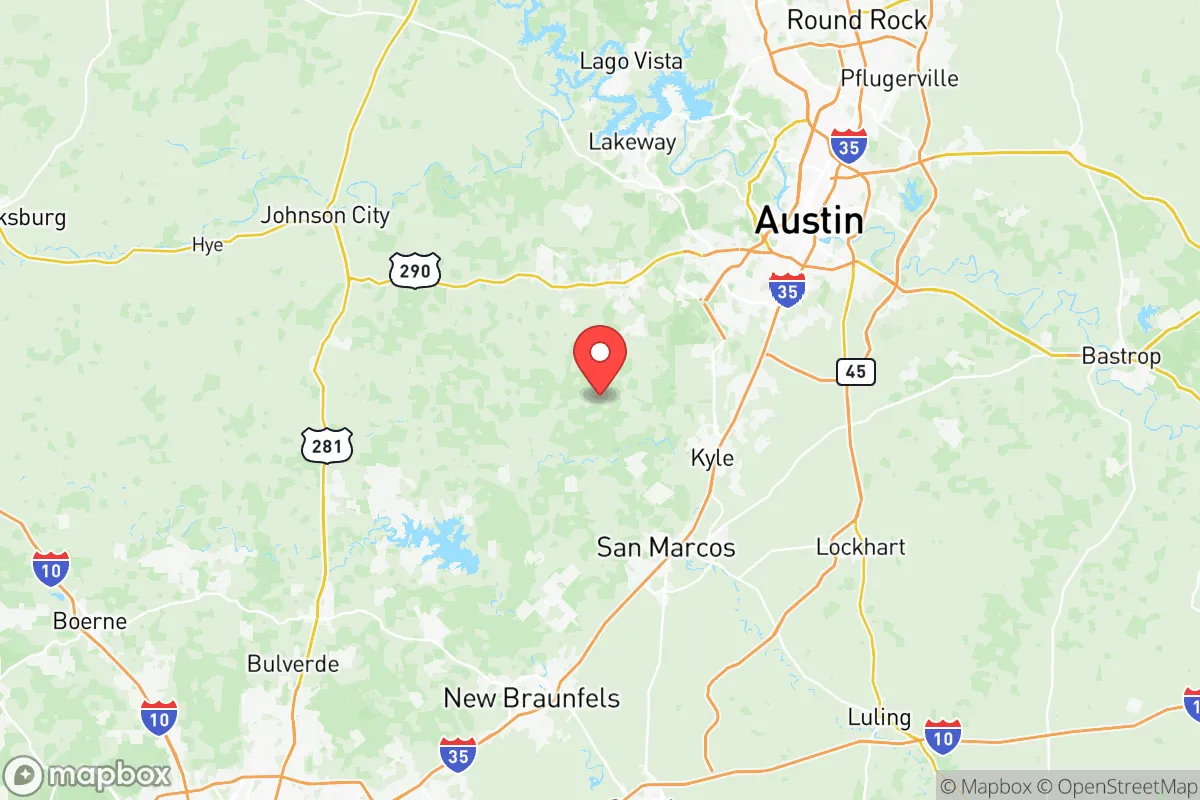
Hays County, Texas, offers a notably high degree of personal sovereignty compared to much of the United States, but the experience varies dramatically depending on whether you are in the unincorporated rural stretches or inside a fast-growing city limit. The county’s political culture is a blend of deep-rooted Texas libertarianism and the encroaching regulatory influence of the Austin metro area, meaning a strategic relocator must choose their specific location carefully. For those prioritizing maximum autonomy—from tax burden to self-defense rights to the ability to live off-grid—the western and southern parts of Hays County, particularly around Wimberley, Dripping Springs, and San Marcos’s rural fringe, offer a far more permissive environment than the denser, more regulated zones near Kyle and Buda.
Tax burden and regulatory posture in Hays County vs. surrounding areas
Texas has no state income tax, which is the foundation of its fiscal sovereignty appeal, but Hays County’s property tax rates are a critical factor. The combined county, city, and school district tax rates in Hays County average around 2.1% to 2.4% of assessed value, which is moderate by Texas standards but higher than in neighboring counties like Burnet or Blanco. The regulatory posture is generally light-touch in unincorporated areas: there are no county-wide building codes for rural parcels, and zoning is minimal outside of city limits. However, the cities of Kyle and Buda have adopted stricter subdivision regulations and impact fees that can add thousands to new home construction costs. For a prepper or survivalist, the key distinction is that Dripping Springs and Wimberley maintain a strong "don't tread on me" ethos in their local governance, with limited enforcement of nuisance ordinances and a general tolerance for alternative living arrangements, whereas San Marcos has a more active code enforcement division that can be a nuisance for those wanting to keep livestock or operate a home-based business without permits.
Self-defense and gun law specifics in Hays County
Texas is a constitutional carry state, and Hays County Sheriff’s Office is known for being pro-Second Amendment. There are no county-specific gun registration or waiting period laws, and open carry of handguns is legal for anyone 21 or older who can legally possess a firearm. The practical reality for residents is that Wimberley and the rural areas west of Interstate 35 have a strong culture of armed self-defense, with few restrictions on where you can carry. The main friction points are in the more urbanized areas: Kyle and Buda have city parks that may have signage prohibiting firearms (though state law generally preempts local gun bans, enforcement can still be a hassle), and the Texas State University campus in San Marcos prohibits carry in certain buildings. For a survivalist, the most important factor is that Hays County has a high rate of concealed handgun license issuance per capita, and the local gun culture is robust, with multiple gun ranges and firearms dealers in the Dripping Springs and Wimberley areas. Stand-your-ground laws apply fully, and there is no duty to retreat in any place you are lawfully present.
Self-reliance and homesteading viability: lot sizes, zoning, and off-grid feasibility
Homesteading viability in Hays County is highly location-dependent. In the unincorporated areas west of the Balcones Escarpment, particularly around Wimberley and Driftwood, minimum lot sizes are typically 1 to 5 acres in the more rural subdivisions, and there are no county-wide restrictions on rainwater harvesting, composting toilets, or solar panel installation. Off-grid living is legally feasible here, as long as you meet basic septic system requirements (which can be expensive—$5,000 to $15,000 for a conventional system). The city of Dripping Springs has a well-known "dark skies" ordinance that limits outdoor lighting, but this is a minor constraint. In contrast, the eastern part of the county near Kyle and Buda is dominated by master-planned communities with homeowners' associations (HOAs) that often prohibit livestock, outdoor storage, and non-standard construction. For a prepper, the ideal strategy is to buy raw land in the Wimberley or Driftwood areas, where you can build a self-sufficient homestead with a well, septic, and solar without interference. Note that the Edwards Aquifer recharge zone runs through parts of western Hays County, which imposes some restrictions on chemical use and impervious cover, but these are manageable for most homesteading activities.
Personal liberties: parental rights, medical autonomy, speech, and property
Texas law generally supports parental rights in education and medical decisions, and Hays County school districts—particularly Wimberley ISD and Dripping Springs ISD—have been responsive to conservative parents’ concerns about curriculum transparency and library content. Medical autonomy is strong: Texas has banned vaccine passports and prohibits government mandates for most medical procedures, though private employers in the San Marcos and Kyle areas may still have their own policies. Free speech is robustly protected, with no county-level restrictions on political expression, and property rights are well-defended by the Texas Property Code, which limits eminent domain abuse. The main threat to personal sovereignty in Hays County is the rapid growth and the associated pressure to adopt more urban-style regulations. The Kyle City Council has considered rental registration and short-term rental restrictions, while San Marcos has a more active code enforcement department that can fine property owners for tall grass or unregistered vehicles. For a survivalist, the safest bet is to avoid any property within city limits or within an HOA, and to focus on the unincorporated areas of Wimberley and Driftwood, where the sheriff’s office is generally hands-off regarding personal lifestyle choices.
Overall, Hays County offers a strong baseline of personal sovereignty that is superior to most of the United States, but it is not a libertarian utopia. The western half of the county—Wimberley, Dripping Springs, and Driftwood—provides a level of autonomy comparable to the Hill Country’s most permissive areas, with low regulatory friction, strong gun rights, and viable off-grid living. The eastern corridor along I-35, particularly Kyle and Buda, is trending toward suburban regulation and HOA control, which erodes personal freedom. For a strategic relocator with a survivalist mindset, the clear recommendation is to target the rural western parcels, where you can live largely unbothered by government overreach, while still being within an hour of the medical and supply resources of San Marcos and Austin. The county’s overall trajectory is toward more regulation as population grows, so securing land now in the less-developed areas is a prudent move for preserving long-term autonomy.

* Values derived from national, state, county, city and local statistics and may differ in a specific area. Last updated: 2026-05-12T11:22:14.000Z
Narrative content on this page is AI-generated and may contain mistakes. Verify any details that matter before acting on them.
ReloMaps may earn a commission from affiliate links at no extra cost to you.

