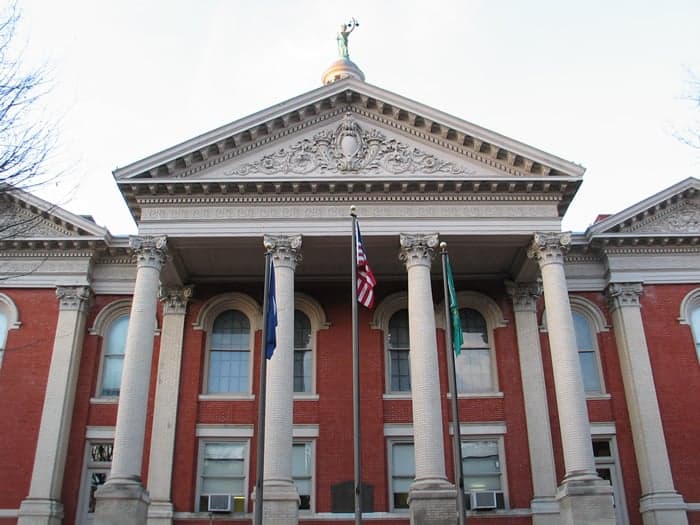
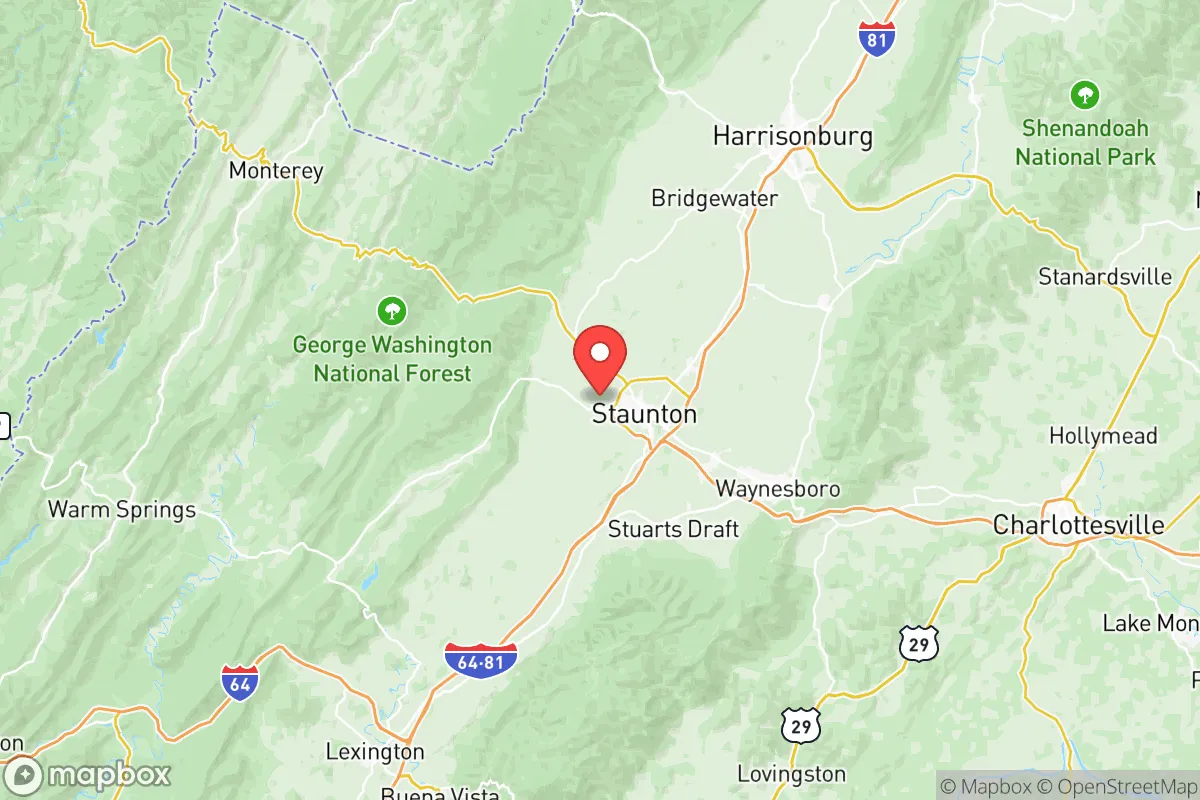
Photo: Wikipedia
Find The Best Places To Live in Augusta County
PRO TIP! You can paste a Zillow or Redfin link to get info on that property.
Best Places to Live in Augusta County
Cities & Towns in Augusta County
Cities in Augusta County
What It's Like Living in Augusta County, VA
Living in Augusta County, Virginia, feels like you’ve found the sweet spot between Shenandoah National Park’s back porch and the working pulse of the Shenandoah Valley. It’s a place where the Blue Ridge Parkway is your Sunday drive, Friday nights revolve around high school football in places like Staunton and Waynesboro, and the local economy hums along without the frantic pace of Northern Virginia. You get a genuine small-city and rural mix—think family farms, historic downtowns, and a community that still waves at passing cars.
Daily Rhythm: Where You Shop, Eat, and Unwind
Most days here start with a commute that averages under 24 minutes, which means you’re not burning an hour of your life in traffic just to get to work. People in Fishersville might head to the Augusta Health hospital or one of the many manufacturing plants along I-64, while those in Stuarts Draft often work at the Hollister distribution center or local agribusinesses. Grocery shopping is a mix of Food Lion and Kroger, but the real draw is the Staunton Farmers Market on Saturday mornings—locals stock up on apples, honey, and grass-fed beef from nearby farms. For a night out, The Shack in Staunton serves up craft beer and live music, while Waynesboro’s Basic City Beer Co. is a favorite for its rooftop views of the Blue Ridge. Weekends often mean hiking at Sherando Lake or a slow drive through Middlebrook to see the covered bridges.
Who Fits In Here: Families, Retirees, and Outdoor Enthusiasts
Augusta County leans toward a slightly older crowd—the median age is 44.9—and the median household income of $79,972 supports a comfortable, not lavish, lifestyle. You’ll find plenty of families raising kids in subdivisions near Verona and Greenville, as well as retirees who’ve cashed out of Northern Virginia or Richmond to buy a home at a median price of $281,400. With a cost of living index of 94 (6% below the national average), your dollar stretches further here than in most of the state. The kind of person who thrives here values space—a half-acre lot, a garden, and a view of the mountains—over urban nightlife. It’s a place for people who don’t mind driving 20 minutes to a good restaurant and who see a trip to Harrisonburg or Charlottesville as a “big city” outing.
Sports, Festivals, and What People Actually Do for Fun
High school sports are a genuine cultural anchor. On a Friday night in autumn, the stands at Wilson Memorial High School in Fishersville or Riverheads High School in Greenville are packed—Riverheads has a storied football program that draws the whole county. For college sports, James Madison University in nearby Harrisonburg is a 30-minute drive and brings Dukes football and basketball fans together. The biggest annual event is the Augusta County Fair in Fishersville each July, with carnival rides, livestock shows, and funnel cakes. Music lovers head to the Staunton Music Festival or catch bluegrass at the Waynesboro Summer Concert Series. Outdoor life is the real headline: the Blue Ridge Parkway runs along the county’s eastern edge, and the Appalachian Trail crosses through Rockfish Gap. Hiking, fishing, and hunting are year-round pursuits, and the South River in Waynesboro has been restored for kayaking and trout fishing.
Honest Pros and Cons of Living Here
- Pros: Affordable housing—you can still buy a move-in-ready home under $300,000. Low stress commute—most drives are under 25 minutes. Strong community feel—neighbors know each other, and schools like Stuarts Draft Elementary are the heart of their towns. Proximity to nature—Shenandoah National Park is literally in your backyard.
- Cons: Limited job diversity—healthcare, manufacturing, and education dominate; tech and finance jobs are scarce. Entertainment options are thin—you’ll drive to Harrisonburg or Charlottesville for concerts, shopping malls, or a movie theater. Property crime rate of 210.8 per 100K is slightly above the national average, though violent crime remains low. Winter can feel isolating—snow and ice shut down rural roads, and the short days mean less outdoor time.
One cultural quirk you’ll notice: people here are proudly independent. You’ll see “Shenandoah Valley Grown” signs on farm stands, and there’s a quiet resistance to chain stores taking over—the Staunton downtown has managed to keep its historic character with local shops like Sunspots Studios and Crimson Cottage. The weather follows a classic four-season rhythm: humid summers perfect for swimming holes, crisp autumns that draw leaf-peepers, cold winters with occasional snow, and a long, muddy spring. Schools like Wilson Memorial and Riverheads are community hubs—PTA meetings and ball games are where social life happens. If you’re looking for a place where your dollar buys you space, your commute is short, and your weekend plans involve a trailhead, Augusta County delivers. Just be ready to drive a bit for a concert or a sit-down dinner that isn’t a chain.

* Values derived from national, state, county, city and local statistics and may differ in a specific area. Last updated: 2026-10-19T00:06:15.000Z
Narrative content on this page is AI-generated and may contain mistakes. Verify any details that matter before acting on them.
ReloMaps may earn a commission from affiliate links at no extra cost to you.

