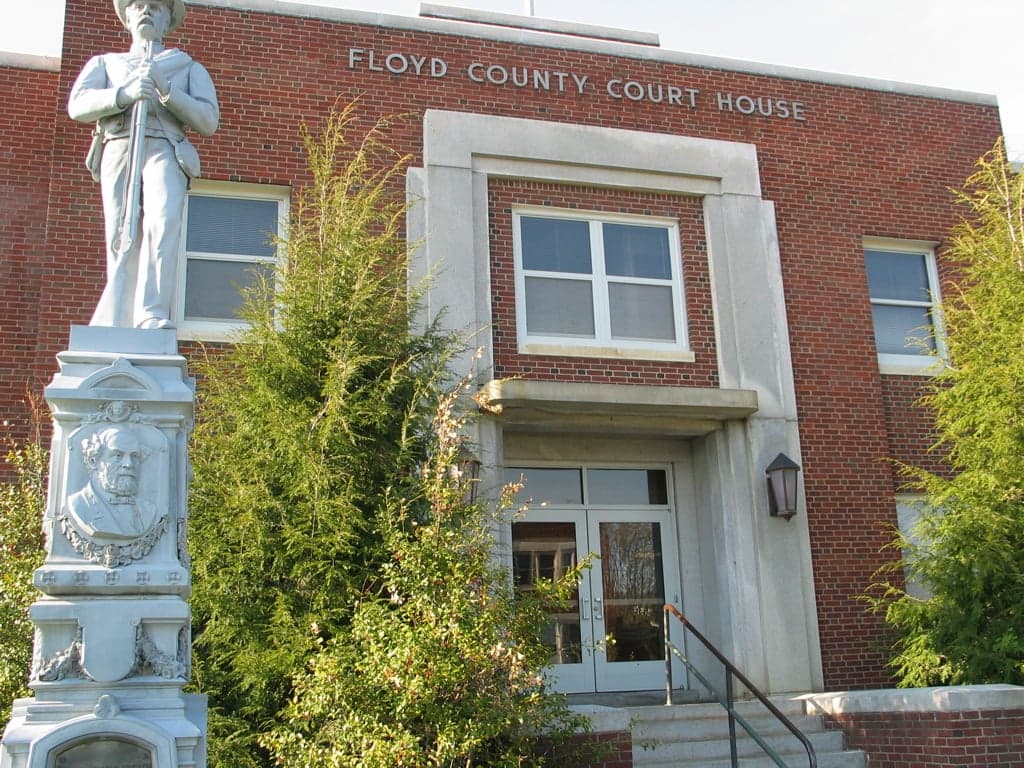
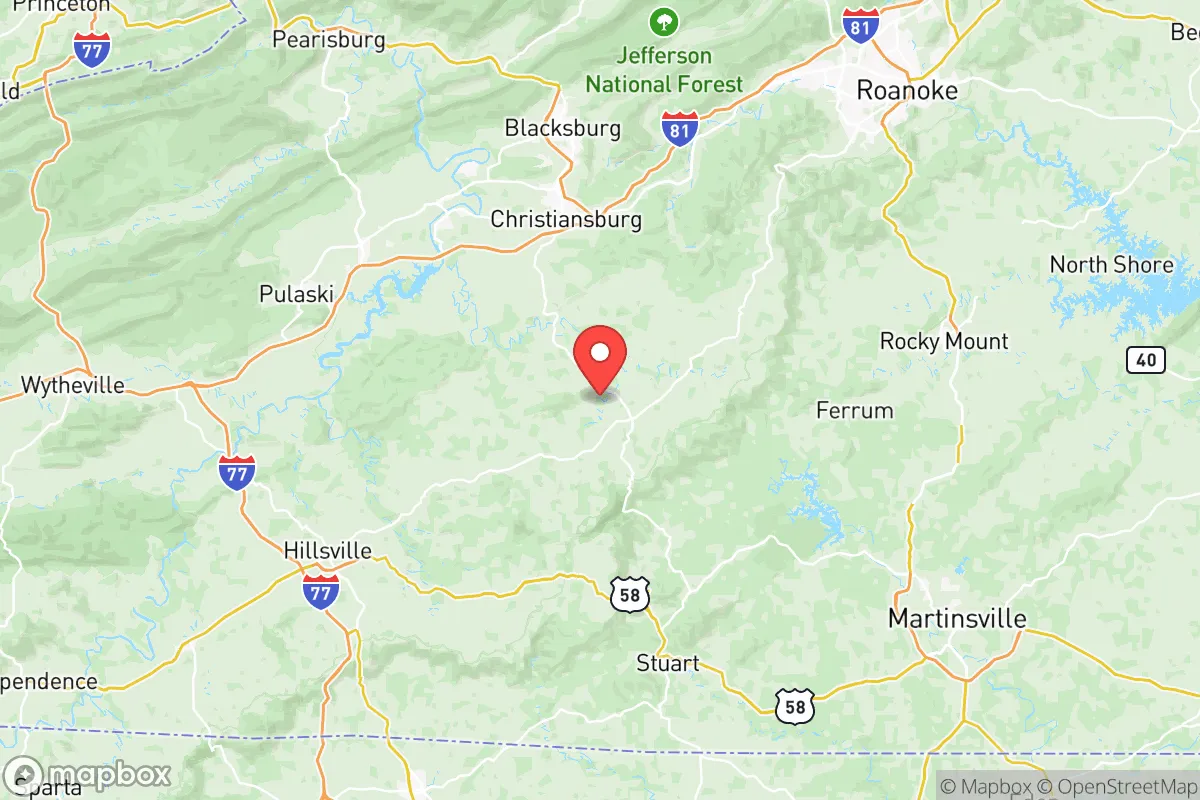
Photo: Wikipedia
Find The Best Places To Live in Floyd County
PRO TIP! You can paste a Zillow or Redfin link to get info on that property.
Best Places to Live in Floyd County
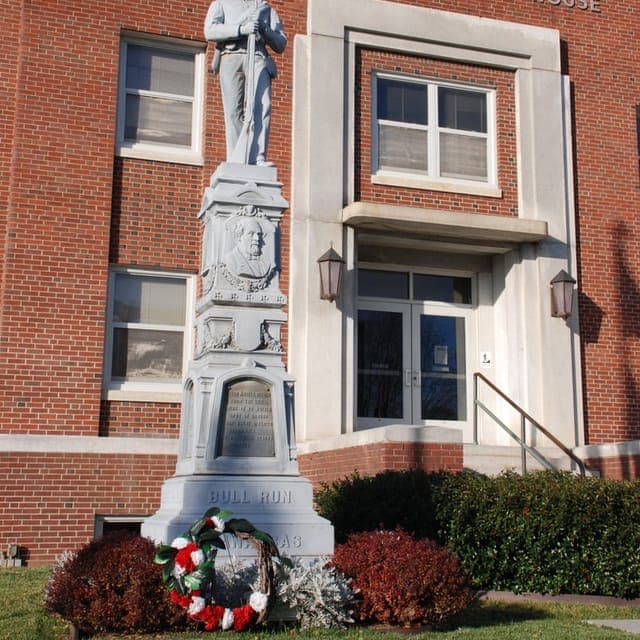
Cities & Towns in Floyd County
Cities in Floyd County
What It's Like Living in Floyd County, VA
Floyd County feels like a place that time didn’t forget, but also one that’s quietly figuring out its own future. With just over 15,500 people spread across the county seat of Floyd, the tiny village of Check, and the rural stretches in between, life here moves at a slower, more deliberate pace. It’s the kind of place where you still wave at passing trucks on the Blue Ridge Parkway, where the Friday night lights at Floyd County High School are a genuine community anchor, and where the biggest decision of your week might be whether to hit the Floyd Country Store for a bluegrass show or grab a burger at the Pine Tavern.
The Daily Rhythm: Slow Mornings and Long Commutes
Daily life in Floyd County is shaped by its geography and its people. Most folks work in service, retail, or agriculture, with a growing number of remote workers who traded city rents for a slice of mountain life. The median household income here is $61,401, which goes a long way given the cost of living index sits at 73—well below the national average. That means a home valued at a median $215,500 is realistic for many, especially compared to pricier spots like Roanoke or Blacksburg. But there’s a trade-off: the average commute is just over 30 minutes, and for many, that means winding two-lane roads to jobs in Christiansburg, Radford, or even as far as the New River Valley. The county’s median age of 48 hints at an older, settled population, but you’ll also find younger families drawn by the affordability and the strong sense of community at Floyd Elementary and Floyd County High School.
Weekends are for farmers markets, hiking the nearby Buffalo Mountain Natural Area Preserve, or just sitting on a porch watching the fog lift off the ridges. Shopping is mostly practical—the Food Lion in Floyd town covers groceries, and for anything bigger, it’s a 30-minute drive to the big-box stores in Christiansburg. The local dining scene is small but characterful: the Pine Tavern serves up hearty country fare in a log-cabin setting, while Dogtown Roadhouse is the go-to for live music and a cold beer. For a true taste of local culture, the Floyd Country Store is a must—it’s a general store, café, and music venue all in one, hosting Friday-night jamborees that draw pickers and dancers from all over the region.
Sports, Community, and the People Who Fit In
High school sports are the heartbeat of Floyd County. The Floyd County Buffaloes football and basketball games pack the stands on fall and winter nights, and the whole town turns out for the annual rivalry game with Christiansburg. There’s no pro or college team in the county, but the Virginia Tech Hokies in nearby Blacksburg are a major presence—expect to see maroon and orange on game days, even if you’re not a student. The kind of person who thrives here is someone who values quiet, self-reliance, and neighborly connection. It’s not a place for nightlife or career climbers; it’s for people who want a garden, a wood stove, and a community where the local librarian knows your name. The college-educated rate is 23.0%, lower than state averages, but that reflects a workforce heavy on trades, farming, and small business—not a lack of smarts.
Cultural quirks abound. Floyd County has a strong Appalachian identity, but it’s also become a magnet for artists, musicians, and back-to-the-landers, creating a blend of old-timers and newcomers that can sometimes feel like two different worlds. The FloydFest music festival (held just outside the county line) is a huge annual draw, but locals also cherish smaller traditions like the Check School Reunion or the Floyd County Agricultural Fair. There’s a live-and-let-live vibe, though political divides can surface—this is a rural Virginia county where conservative values mix with a libertarian streak.
What’s There to Do (and What Frustrates)
Outdoor life is the main event. The Blue Ridge Parkway runs right through the county, offering endless hiking, biking, and scenic drives. The Buffalo Mountain trail is a local favorite for its 360-degree views, and the Little River is popular for fishing and tubing in summer. For entertainment, the Floyd Country Store is the cultural hub, but the June Bug Center in Floyd town hosts films, concerts, and community events. There’s no movie theater or mall—entertainment is homemade, not bought.
Now for the honest downsides. The violent crime rate is 210.8 per 100,000, slightly above the national average, though most crime is property-related and concentrated in more isolated areas. Job opportunities are limited—many residents commute or work remotely, and the local economy doesn’t offer much for young professionals outside of healthcare, education, or trades. Healthcare access is a real concern; the nearest hospital is in Christiansburg, and specialist care often means a drive to Roanoke. Winter weather can be isolating, with icy roads that shut down schools and make the winding mountain routes treacherous. And while the cost of living is low, the lack of rental housing and the aging housing stock can make it hard for newcomers to find a place to land.
What longtime residents love most is the genuine community—neighbors who help with haying, bring casseroles after a death, and wave from their porches. What frustrates them is the lack of basic amenities: no urgent care, no big grocery store, and a cell signal that drops out on half the back roads. Floyd County is a trade-off—you trade convenience for character, speed for space, and anonymity for a place where everyone knows your truck. For the right person, it’s exactly enough.

* Values derived from national, state, county, city and local statistics and may differ in a specific area. Last updated: 2026-10-20T09:03:01.000Z
Narrative content on this page is AI-generated and may contain mistakes. Verify any details that matter before acting on them.
ReloMaps may earn a commission from affiliate links at no extra cost to you.

