Photo: Wikipedia
Quality of Life in Floyd County
A livable area that tracks near national norms for affordability, walkability, and neighborhood health.
What does Quality of Life tell us?
Quality of Life measures an area by evaluating factors like cost of living, nearby amenities, country club access, airport proximity, socioeconomic signals and neighborhood character. For large states, this is a general average — quality of life can vary dramatically between metro areas, suburbs, and rural communities within the same state.
What does this tell us?
Quality of Life measures an area by evaluating factors like cost of living, nearby amenities, country club access, airport proximity, socioeconomic signals and neighborhood character. For large states, this is a general average — quality of life can vary dramatically between metro areas, suburbs, and rural communities within the same state.
Cost of Living
27% below national average
100%
The Real Cost of Living in Floyd County for 2026
| Tier | Individual | Family (4) |
|---|---|---|
| Survival | $13k | $25k |
| Comfortable | $42k | $62k |
| Luxury | $109k+ | $170k+ |
| Elite (Top 5%) | $129k+ | $200k+ |
Quality-of-Life Analysis
Floyd County, Virginia, offers a distinct quality-of-life spectrum that ranges from the creative, walkable hub of Floyd town to the deeply rural, agrarian pockets of the county’s eastern and southern reaches. The county’s character is defined by this contrast: the town attracts artists, musicians, and retirees drawn to its vibrant cultural scene and the famous Floyd Country Store, while the surrounding countryside appeals to homesteaders, farmers, and those seeking genuine solitude on forested ridgelines. With a cost of living index of 73 — well below the national average of 100 — and a median home value of $215,500, the county provides an affordable entry point for both lifestyles, though the trade-offs in amenities and commute times are significant.
Largest town(s) & population centers
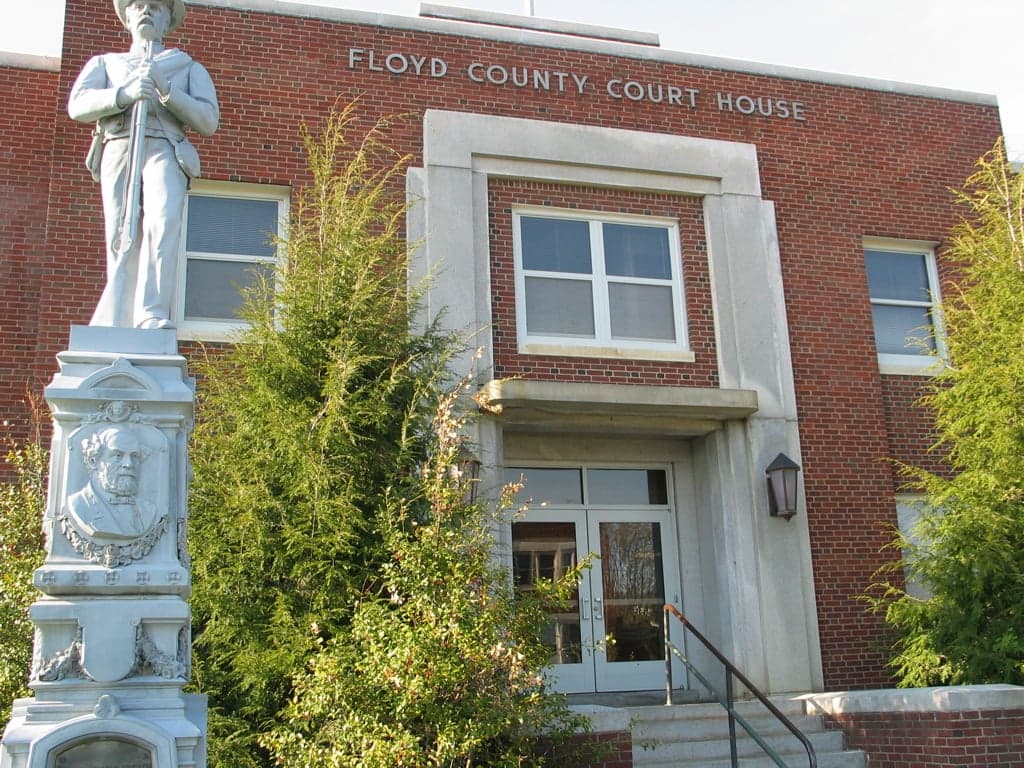
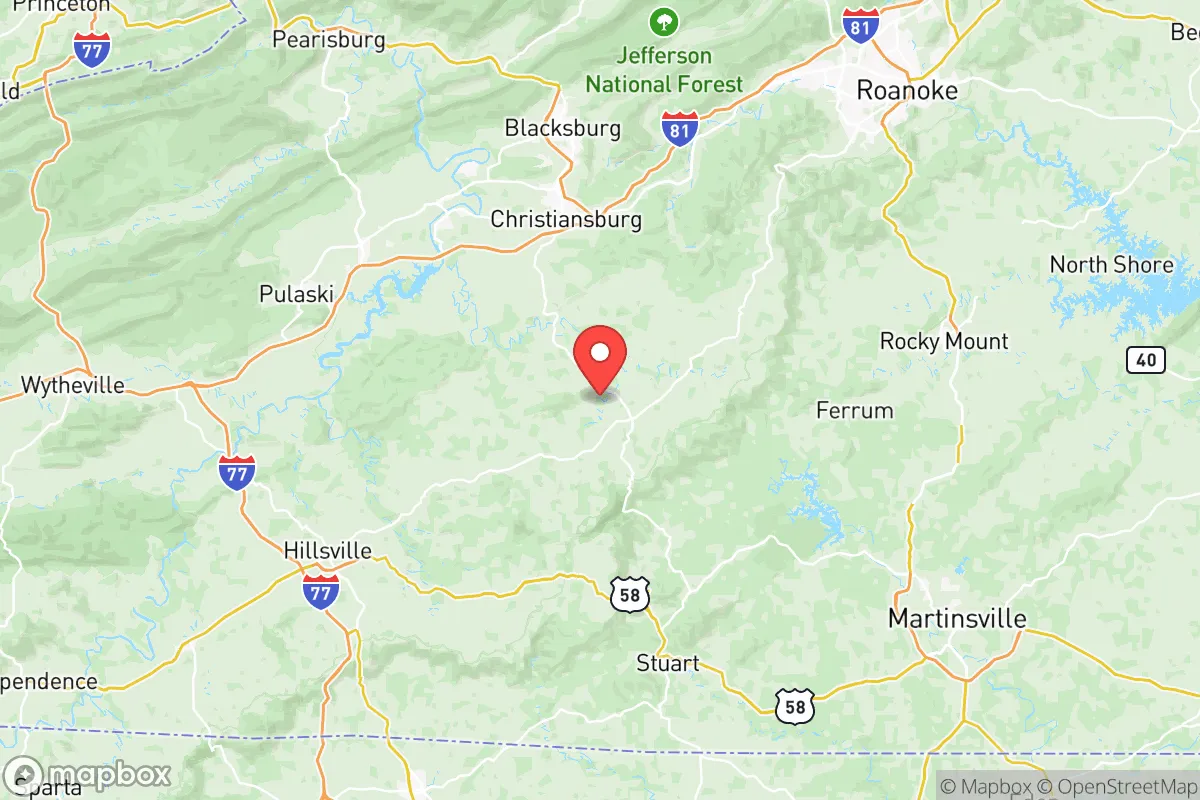
The only incorporated town in the county is Floyd, which serves as the commercial, cultural, and governmental heart of the area. With a population of roughly 450 within the town limits, Floyd is a compact, pedestrian-friendly center anchored by the historic Floyd County Courthouse and the renowned Floyd Country Store, where weekly Friday Night Jamborees draw bluegrass and old-time music fans from across the region. Daily life here revolves around locally owned shops, galleries, and restaurants like the Pine Tavern and Oddfella’s Cantina, and the town hosts a popular farmers market and art walks. The town’s walkability and event calendar make it a magnet for creative professionals and retirees, but housing is tighter and pricier here than in the county’s rural areas — expect to pay near the county median of $215,500 for a modest home within walking distance of the main street. The average commute for Floyd County residents is just over 30 minutes, reflecting the fact that many who live in the town itself commute to larger employment centers like Christiansburg (25 minutes) or Roanoke (45 minutes) for work.
Smaller towns & rural pockets
Beyond Floyd town, the county is dotted with unincorporated communities that each offer a distinct flavor of rural life. Check, located along the Blue Ridge Parkway, is a tiny crossroads known for the Check Schoolhouse and proximity to hiking on the parkway. Willis, in the county’s southern end, is a quiet farming community with a general store and a strong sense of isolation. Copper Hill, near the Montgomery County line, offers slightly more access to Blacksburg and Virginia Tech but retains a rural, agricultural character. Alum Ridge, in the eastern part of the county, is home to a handful of farms and the Alum Ridge Community Center, a hub for local gatherings. These areas lack the amenities of Floyd town — no grocery stores, limited dining, and spotty cell service — but offer larger lots, lower property taxes, and a pace of life that appeals to homesteaders, off-grid enthusiasts, and those who prioritize privacy over convenience. The median rent of $826 across the county reflects the affordability of these rural rentals, though inventory is very limited.
Cost & lifestyle range
The cost and lifestyle spread in Floyd County is stark. At the high end, properties within or near Floyd town command a premium: a renovated historic home on a half-acre lot near the town square can easily exceed $300,000, and short-term rental demand from tourists visiting the music scene keeps prices elevated. At the low end, rural properties in areas like Willis or Alum Ridge — often older farmhouses on 5–20 acres — can be found for under $200,000, and raw land is still available for under $5,000 per acre in the county’s more remote eastern sections. The cost of living index of 73 means groceries, utilities, and healthcare are all below national averages, but the trade-off is limited employment: the county’s largest employers are the school system, the county government, and a handful of manufacturing and forestry operations. For those who work remotely or are retired, the low cost and high quality of life are a major draw; for those needing local jobs, the options are sparse and wages are low. The average commute of 30.8 minutes underscores that many residents drive to the New River Valley or Roanoke for work, accepting the trade-off of lower housing costs for longer travel times.
Floyd County best suits individuals and families who value cultural vibrancy, natural beauty, and affordability over urban convenience and career density. Retirees, remote workers, artists, and musicians thrive in the town of Floyd, while homesteaders, farmers, and those seeking deep privacy find their place in the rural communities of Willis, Check, and Alum Ridge. The county’s low cost of living and strong sense of community make it a compelling option for those willing to trade some amenities for a slower, more connected way of life in the Blue Ridge foothills.

Crime in Floyd County
Generally safer than 60% of comparable U.S. locations.
Violent CrimeViolent Crime Analysis
Property CrimeProperty Crime Analysis
Crime Analysis
Floyd County, Virginia, presents a mixed safety picture that is notably better than Virginia’s urban centers but still warrants caution, particularly regarding property crime. With a violent crime rate of 210.8 per 100,000 residents and a property crime rate of 1,394.5 per 100,000, the county offers a quieter, rural alternative to the higher-crime environments found in cities like Roanoke or Christiansburg. However, residents and prospective movers should understand how these numbers compare to state and national benchmarks, and where within the county risks are concentrated.
Crime in context
Floyd County’s violent crime rate of 210.8 per 100,000 is roughly 40% lower than the national average of 380 per 100,000 and significantly below Virginia’s state average of 240 per 100,000. This places Floyd County in a safer tier than nearby Roanoke City, which consistently reports violent crime rates above 600 per 100,000. The property crime rate of 1,394.5 per 100,000, however, is slightly above the national average of 1,342 per 100,000 and notably higher than the Virginia state average of 1,150 per 100,000. This disparity is driven largely by thefts and burglaries in unincorporated areas and smaller communities like Check and Willis, where isolated homes and farm outbuildings are frequent targets. By contrast, the town of Floyd itself—the county seat—benefits from a more visible police presence and a tighter-knit community, which helps keep its property crime rates lower than the countywide figure.
What residents experience
Daily life in Floyd County is generally safe, but residents adapt to a rural reality where property crime is the primary concern. The county’s judicial system, overseen by the 27th Judicial Circuit (which also covers Montgomery County and the City of Radford), has historically taken a moderate-to-conservative approach to sentencing, which helps maintain the relatively low violent crime numbers. However, progressive-leaning policies in nearby Roanoke’s district attorney’s office have raised concerns among Floyd County residents, as some offenders from the region cycle through a more lenient system before returning to rural areas. This dynamic is especially relevant for communities like Copper Hill and Indian Valley, where drug-related property crimes—particularly theft of tools, ATVs, and farm equipment—are recurring issues. Residents in these areas often rely on neighborhood watch groups and security systems more than those in the town of Floyd itself.
For families and retirees considering a move, the key takeaway is that Floyd County’s violent crime is rare and typically domestic in nature, while property crime is the more persistent nuisance. The town of Floyd is the safest bet for newcomers, with its walkable downtown, active sheriff’s patrols, and community-oriented events like the FloydFest music festival. In contrast, more remote areas like Burks Fork and Simpsons see higher rates of burglary and vehicle theft, partly due to lower population density and longer response times from law enforcement. Overall, Floyd County offers a safe rural lifestyle for those who take standard precautions—locking vehicles, securing outbuildings, and staying informed about local crime alerts—but it is not immune to the property crime trends affecting much of rural Virginia.
* Values derived from national, state, county, city and local statistics and may differ in a specific area. Last updated: 2026-10-20T09:03:01.000Z
Narrative content on this page is AI-generated and may contain mistakes. Verify any details that matter before acting on them.
ReloMaps may earn a commission from affiliate links at no extra cost to you.

