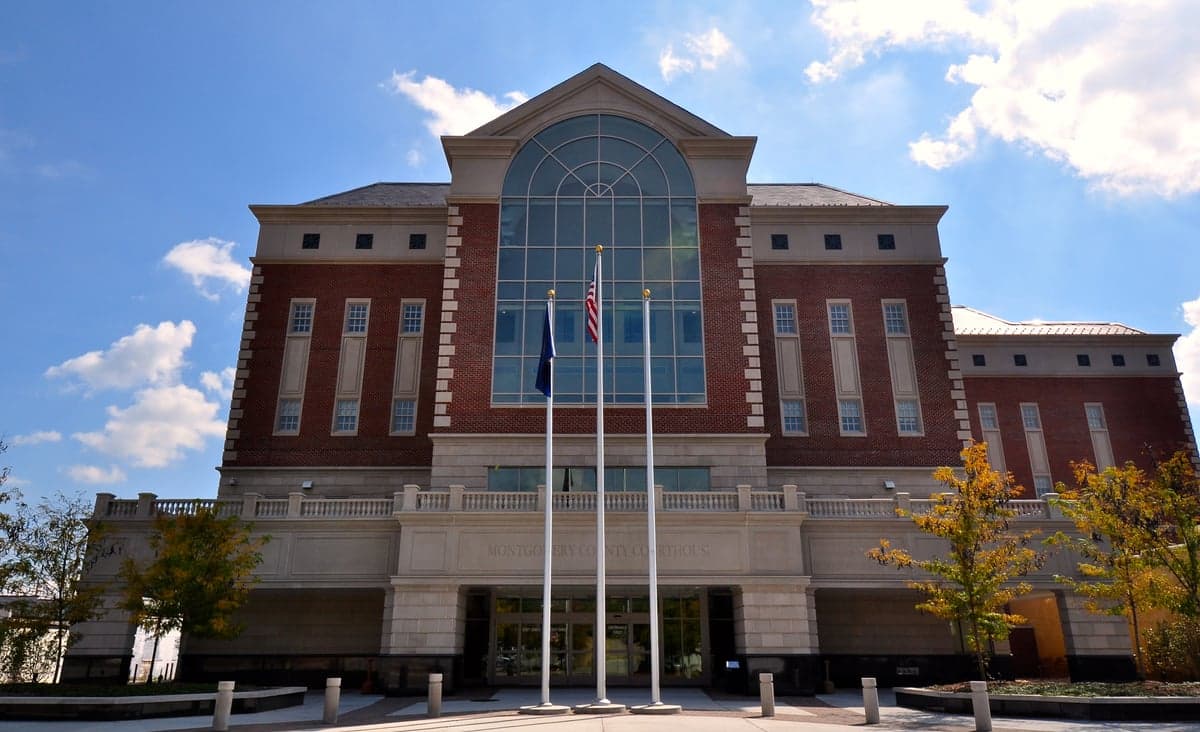
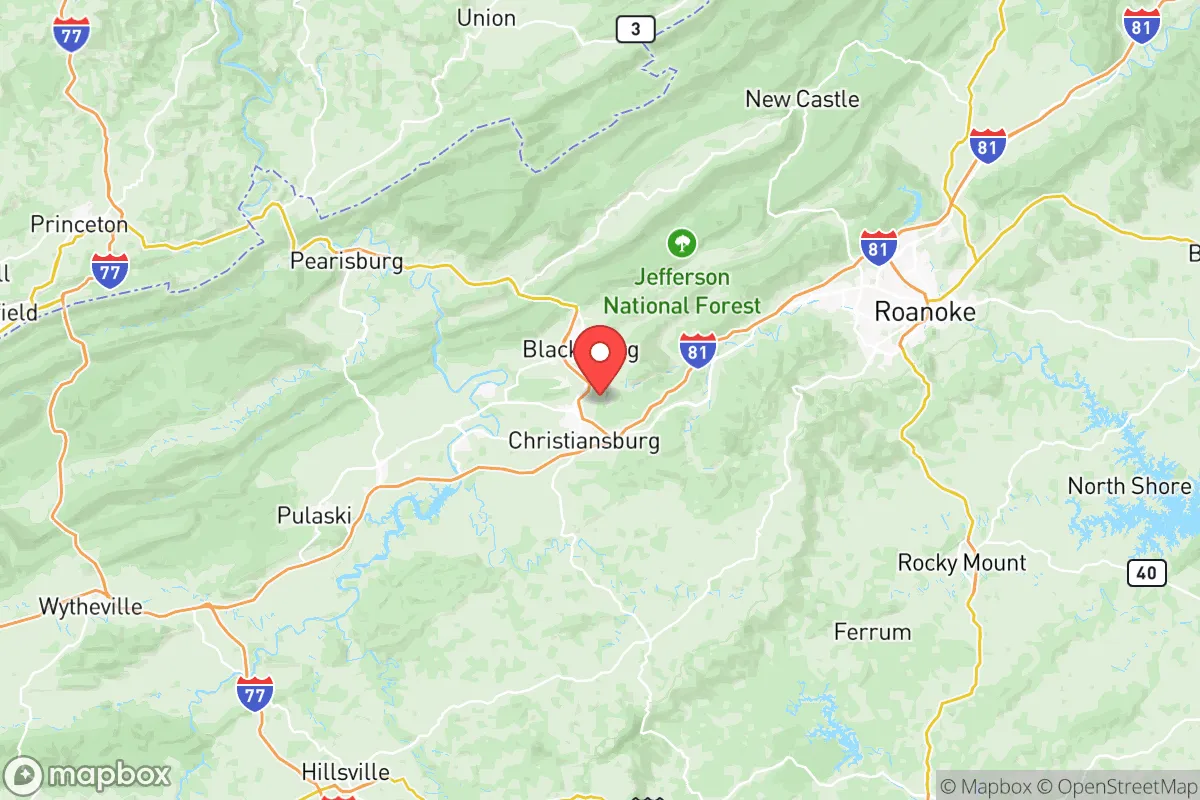
Photo: Wikipedia
Quality of Life in Montgomery County
A livable area that tracks near national norms for affordability, walkability, and neighborhood health.
What does Quality of Life tell us?
Quality of Life measures an area by evaluating factors like cost of living, nearby amenities, country club access, airport proximity, socioeconomic signals and neighborhood character. For large states, this is a general average — quality of life can vary dramatically between metro areas, suburbs, and rural communities within the same state.
What does this tell us?
Quality of Life measures an area by evaluating factors like cost of living, nearby amenities, country club access, airport proximity, socioeconomic signals and neighborhood character. For large states, this is a general average — quality of life can vary dramatically between metro areas, suburbs, and rural communities within the same state.
Cost of Living
2% above national average
87%
The Real Cost of Living in Montgomery County for 2026
| Tier | Individual | Family (4) |
|---|---|---|
| Survival | $19k | $36k |
| Comfortable | $55k | $81k |
| Luxury | $128k+ | $198k+ |
| Elite (Top 5%) | $155k+ | $241k+ |
Quality-of-Life Analysis
Montgomery County, Virginia, offers a quality-of-life spectrum that ranges from the vibrant college town of Blacksburg to the historic county seat of Christiansburg and outward into quiet rural crossroads like Prices Fork and Riner. This diversity draws a broad mix of residents: university faculty and students gravitate toward the walkable, amenity-rich core of Blacksburg, while families and commuters seek more affordable housing and larger lots in the surrounding towns and unincorporated communities. The county’s overall cost of living index sits at 102 (on par with the national average), but the experience of daily life shifts markedly depending on whether you live within walking distance of a coffee shop or on a country road with views of the Blue Ridge.
Largest town(s) & population centers
Blacksburg, home to Virginia Tech and roughly 45,000 residents, is the county’s economic and cultural anchor. Daily life here revolves around the university calendar: the downtown district along Main Street is lined with independent restaurants, bookstores, and music venues, and the Huckleberry Trail provides a paved, car-free corridor for cyclists and pedestrians. Christiansburg, about 10 miles south, is the county seat and a growing commercial hub with big-box retail, the New River Valley Mall, and a more suburban feel. Its historic downtown is smaller but retains a walkable core with local shops and the Montgomery County Courthouse. Together, these two towns concentrate the county’s jobs, shopping, and entertainment, with the average commute across the county clocking in at a remarkably short 17.8 minutes — well below the national average of 26 minutes.
Smaller towns & rural pockets
Outside the main population centers, Montgomery County contains several unincorporated communities that offer a quieter, more rural lifestyle. Prices Fork, just west of Blacksburg, is a small crossroads with a handful of homes and farmland, popular among Virginia Tech faculty who want land without a long drive to campus. Riner, to the south, is a similarly unincorporated area with a post office, a volunteer fire department, and access to the Poverty Creek Trail system in the Jefferson National Forest. To the north, the community of Ellett Valley (often referred to simply as Ellett) sits along the North Fork of the Roanoke River and offers a mix of older farmhouses and newer subdivisions. These areas lack the restaurants and retail of Blacksburg or Christiansburg but provide direct access to hiking, fishing, and mountain biking on public lands.
Cost & lifestyle range
The cost of living varies noticeably across the county. At the higher end, Blacksburg’s desirable neighborhoods near Virginia Tech’s campus — such as the historic Smithfield Plantation area or the newer developments along Harding Avenue — command median home values around $283,600, with some properties exceeding $400,000. Median rent in the county is $1,206, but studio apartments in Blacksburg’s downtown often rent for $1,400 or more. At the lower end, rural areas like Riner and Prices Fork offer significantly cheaper housing: older single-family homes on acreage can be found for under $200,000, and rental options in these areas are scarce but typically run $900–$1,100 for a two-bedroom. Christiansburg sits in the middle, with a mix of 1970s ranch homes and newer subdivisions that keep the median home price close to the county average. Amenities follow the same gradient: Blacksburg has farmers’ markets, craft breweries, and a performing arts center, while rural residents rely on Christiansburg for grocery stores and hardware chains.
The people who thrive in Montgomery County are those who appreciate the trade-offs between convenience and space. Young professionals and academics often choose Blacksburg for its walkability and cultural scene, while families and outdoor enthusiasts gravitate toward the lower costs and larger lots of Riner or Prices Fork. The short commute times mean that even residents in the most rural pockets can reach a grocery store or a doctor’s office in under 20 minutes, making the county a practical choice for anyone who wants access to both Appalachian recreation and a stable, mid-sized economy anchored by Virginia Tech.

Crime in Montgomery County
Generally safer than 60% of comparable U.S. locations.
Violent CrimeViolent Crime Analysis
Property CrimeProperty Crime Analysis
Crime Analysis
Montgomery County, Virginia, presents a mixed safety profile for prospective residents. The county’s violent crime rate of 210.4 per 100,000 residents is notably lower than the national average, but its property crime rate of 1,393.7 per 100,000 sits above the state average, indicating that theft and burglary are more pressing concerns than violent offenses. The presence of Virginia Tech in Blacksburg and the town of Christiansburg creates a dynamic where student populations and transient renters influence local crime patterns, while more rural areas like Prices Fork and Riner typically report fewer incidents.
Crime in context
Montgomery County’s violent crime rate of 210.4 per 100,000 is roughly 40% below the national average of 380 per 100,000, placing it among safer jurisdictions in Southwest Virginia. However, the property crime rate of 1,393.7 per 100,000 exceeds the Virginia state average of approximately 1,200 per 100,000. This disparity is largely driven by larcenies and vehicle break-ins concentrated in the Blacksburg and Christiansburg commercial corridors, particularly near the university campus and the New River Valley Mall area. By comparison, the city of Radford—just across the county line—reports a higher violent crime rate near 300 per 100,000, while the more rural town of Shawsville sees property crime rates below 800 per 100,000. The county’s overall safety is bolstered by the Virginia Tech Police Department, which supplements local law enforcement, but the transient student population creates seasonal spikes in theft during move-in and move-out periods.
What residents experience
For most residents, daily life in Montgomery County involves low risk of violent confrontation. The county’s violent crime is largely non-random, with most aggravated assaults and robberies occurring between acquaintances or in late-night settings near bars and off-campus housing in Blacksburg. Property crime is the more tangible concern: residents in the Foxridge and Hethwood apartment complexes near Virginia Tech report higher rates of package theft and bicycle theft, while homeowners in Christiansburg’s newer subdivisions like Falling Branch experience occasional vehicle break-ins. The Montgomery County Sheriff’s Office maintains a visible presence, and neighborhood watch programs are active in communities such as Prices Fork and Elliston. However, the progressive lean of the local judiciary—Montgomery County is part of the 27th Judicial Circuit, which includes the more liberal city of Blacksburg—has raised concerns among some residents about lenient sentencing for repeat property offenders. Critics point to a revolving-door pattern where individuals arrested for multiple larcenies receive probation or short sentences, contributing to a perception that the justice system prioritizes offender rehabilitation over victim restitution. This is particularly relevant for families and retirees considering the area, as property crime recidivism can erode quality of life in otherwise safe neighborhoods.
Neighborhood-level variation is significant. The town of Blacksburg, home to Virginia Tech’s 37,000 students, sees the highest concentration of reported crime, with the university area accounting for roughly 60% of the county’s property crime. In contrast, the rural community of Riner, with its sparse population and limited commercial activity, reports violent crime rates below 50 per 100,000. Christiansburg, the county seat, falls in the middle: its property crime rate is elevated near the interstate exits and shopping centers, but residential areas like the Northwood Hills subdivision remain quiet. For those seeking the safest pockets, the unincorporated areas of Prices Fork and the more affluent sections of Blacksburg’s South Main Street corridor offer the lowest crime density. Prospective residents should verify specific neighborhood data through the Montgomery County Sheriff’s Office online crime map, as block-level variation can be stark even within a single zip code.
* Values derived from national, state, county, city and local statistics and may differ in a specific area. Last updated: 2026-09-23T05:16:59.000Z
Narrative content on this page is AI-generated and may contain mistakes. Verify any details that matter before acting on them.
ReloMaps may earn a commission from affiliate links at no extra cost to you.

