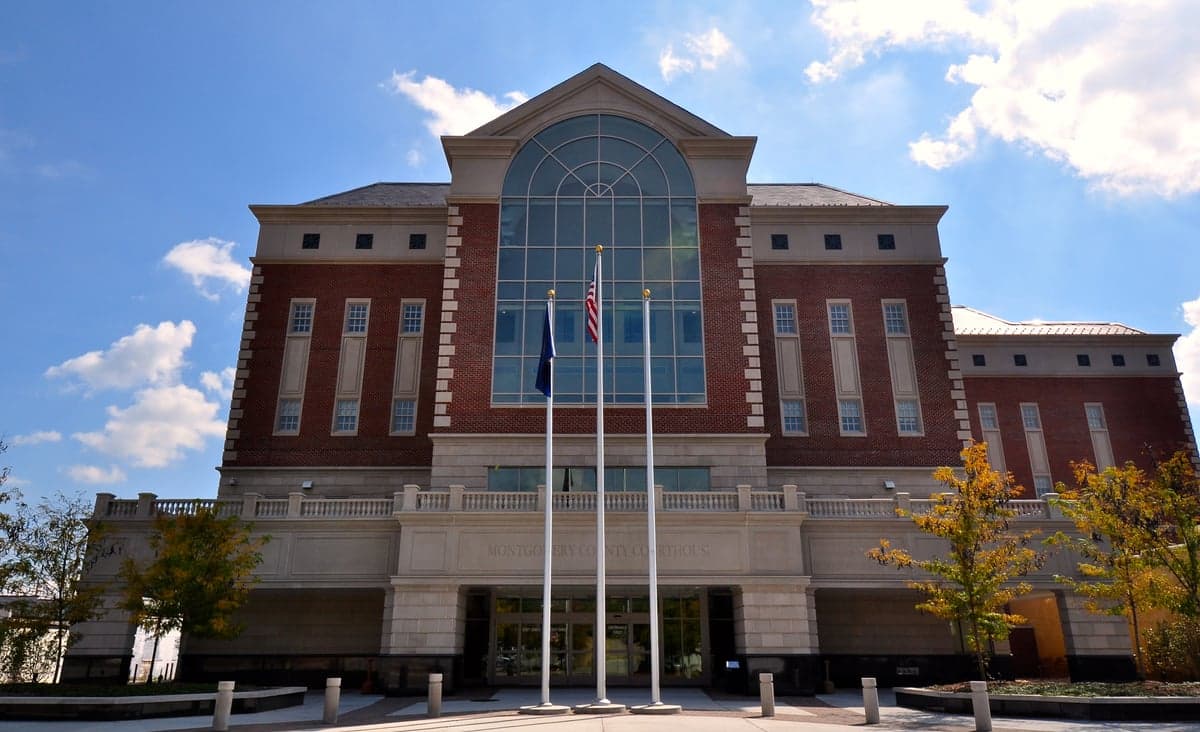
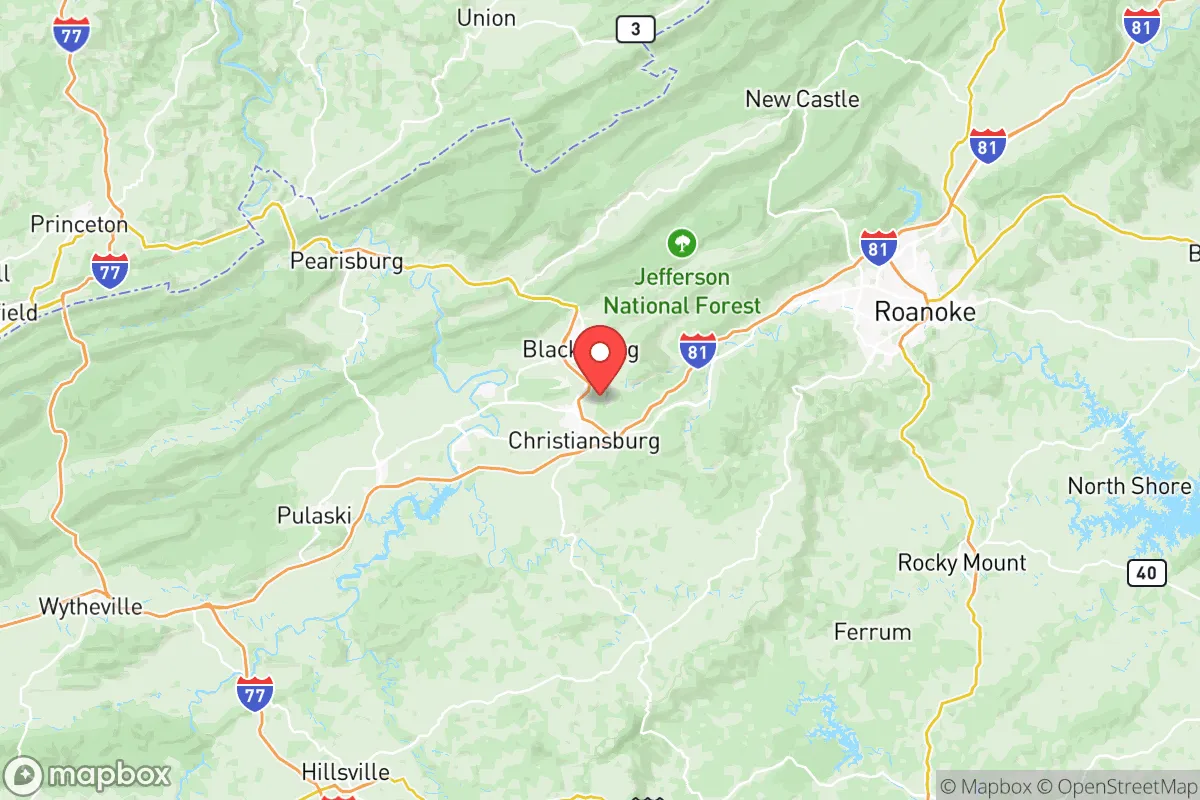
Photo: Wikipedia
Find The Best Places To Live in Montgomery County
PRO TIP! You can paste a Zillow or Redfin link to get info on that property.
Best Places to Live in Montgomery County
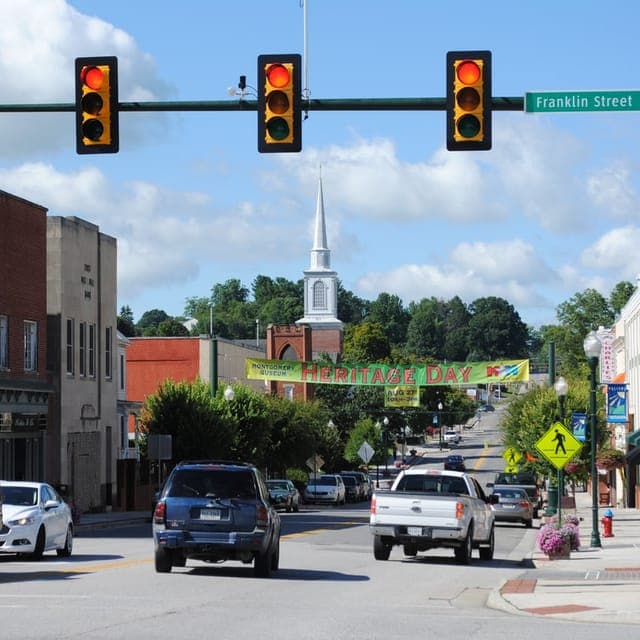

Cities & Towns in Montgomery County
Cities in Montgomery County
What It's Like Living in Montgomery County, VA
Living in Montgomery County, Virginia means trading the relentless pace of Northern Virginia for a place where Virginia Tech’s maroon and burnt orange bleed into everything—from the coffee shops in Blacksburg to the Friday night lights in Christiansburg. This is a county of sharp contrasts: a world-class research university sits just a few miles from working farms, and the median age of 30.2 reflects a population split between students and young families who stay for the jobs and the outdoor access. You’ll find a cost of living index of 102 (just above the national average) and a median home value of $283,600, which feels reasonable compared to Richmond or Charlottesville, but still a stretch for many locals.
The Daily Rhythm: Where Tech Meets Small-Town Pace
Most mornings in Montgomery County start with a commute that averages just under 18 minutes—short enough that you can grab coffee at Bollo’s in Blacksburg or Mountain Lake Coffee in Christiansburg and still make it to work on time. The county’s largest employer is Virginia Tech, which anchors Blacksburg with a steady flow of faculty, researchers, and grad students. But the real economic engine is the mix: Volvo Group Trucks in Dublin (just over the line in Pulaski County) and Moog Inc. in Blacksburg pull in engineers and technicians, while the New River Valley Mall in Christiansburg keeps retail humming. For families, the school system is a major draw—Montgomery County Public Schools consistently rank among the top in Southwest Virginia, and the community rallies around high school sports, especially football and soccer at Christiansburg High School and Blacksburg High School.
Weekends here are defined by the outdoors. The Huckleberry Trail connects Blacksburg to Christiansburg, a paved path that’s packed with runners, cyclists, and dog-walkers year-round. In the warmer months, locals float the New River or hike to Cascades Falls in nearby Pembroke. The county’s 99,159 residents are split between the college crowd (48.4% hold a bachelor’s degree or higher) and long-time Appalachian families, which creates a cultural blend that’s both progressive and traditional—you’ll see Bernie Sanders stickers next to Trump flags on the same street in Riner.
Sports, Festivals, and the Places People Actually Go
Virginia Tech football is the undisputed king of local sports. On fall Saturdays, Lane Stadium in Blacksburg draws 65,000 people, and the entire county’s rhythm shifts around game times. But high school sports run a close second: Christiansburg vs. Blacksburg football games are genuine community events, with packed bleachers and local businesses closing early. For entertainment beyond the gridiron, the Lyric Theatre in Blacksburg shows indie films and hosts live music, while Steppin’ Out in Blacksburg (a massive street festival every August) brings in 50,000 visitors for art, food, and craft beer. In Christiansburg, the Christiansburg Farmers Market runs May through October, and the Huckleberry Trail Half Marathon draws runners from across the region.
The food scene punches above its weight for a county of this size. The Homeplace in Catawba is a family-style restaurant that’s been serving fried chicken and biscuits for decades—expect a wait on weekends. Palisades Restaurant in Eggleston offers upscale Southern fare with a view of the New River. For bars, Top of the Stairs in Blacksburg is the classic college dive, while Rising Silo Farm Brewery in Christiansburg draws a slightly older crowd with its outdoor seating and live bluegrass.
Pros and Cons: What Locals Love and What Grinds Their Gears
Longtime residents love the access to nature and the low-key pace. The violent crime rate of 210.4 per 100,000 is below the national average, and most people feel safe walking the Huckleberry Trail after dark. The median household income of $70,769 supports a comfortable lifestyle, especially compared to the state’s pricier regions. But there are real frustrations. The cost of living index of 102 is deceptive—housing has climbed fast since 2020, and rents in Blacksburg now rival those in Richmond for smaller apartments. Traffic on Route 460 between Blacksburg and Christiansburg can back up during Tech game days and rush hour, turning a 15-minute drive into 45. And while the county is growing, entertainment options are limited—if you want a concert tour or a major airport, you’re driving 45 minutes to Roanoke or three hours to Charlotte.
Another quirk: the county’s identity is split between the university bubble and the rural communities. In Prices Fork or Shawsville, you’ll find a different world than in downtown Blacksburg—more conservative, more rooted in farming and manufacturing, and less tolerant of the student party scene. That tension is part of what makes Montgomery County interesting, but it can also feel like two separate places sharing a ZIP code.

* Values derived from national, state, county, city and local statistics and may differ in a specific area. Last updated: 2026-09-23T05:16:59.000Z
Narrative content on this page is AI-generated and may contain mistakes. Verify any details that matter before acting on them.
ReloMaps may earn a commission from affiliate links at no extra cost to you.

