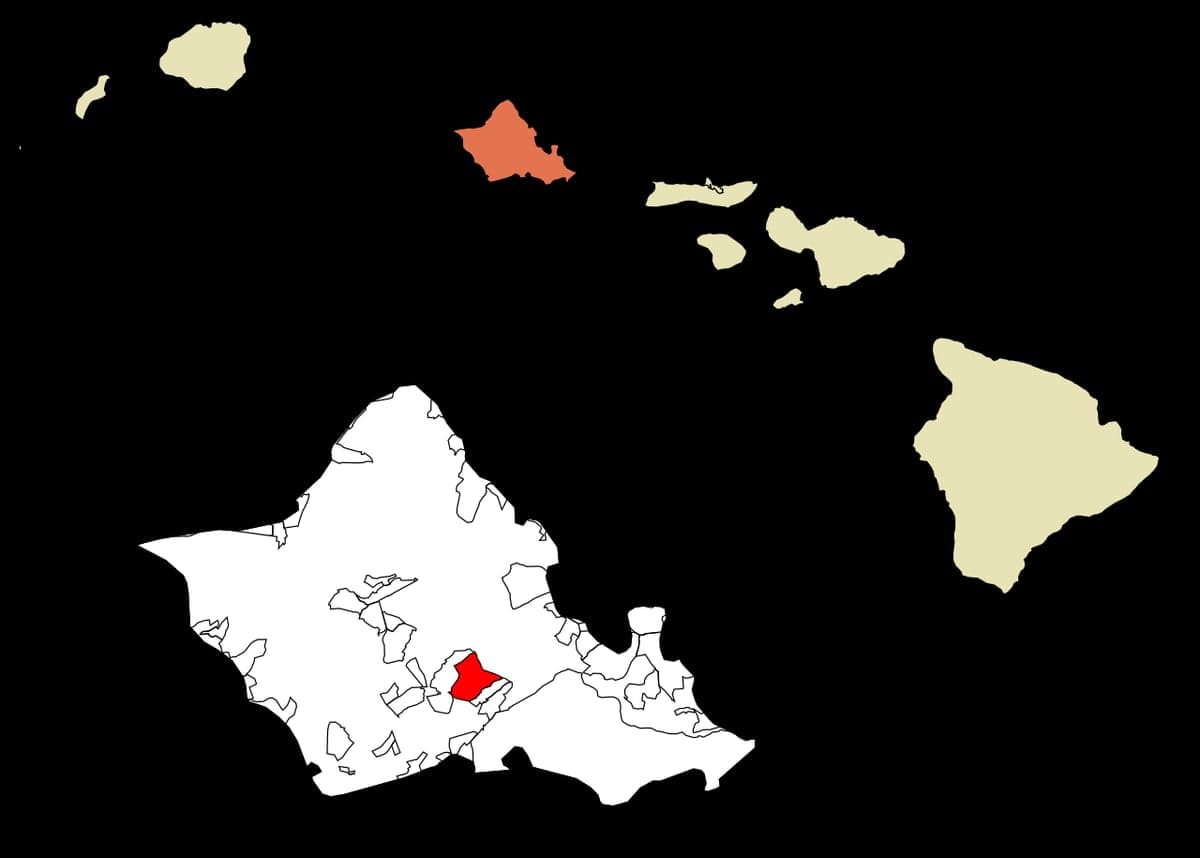
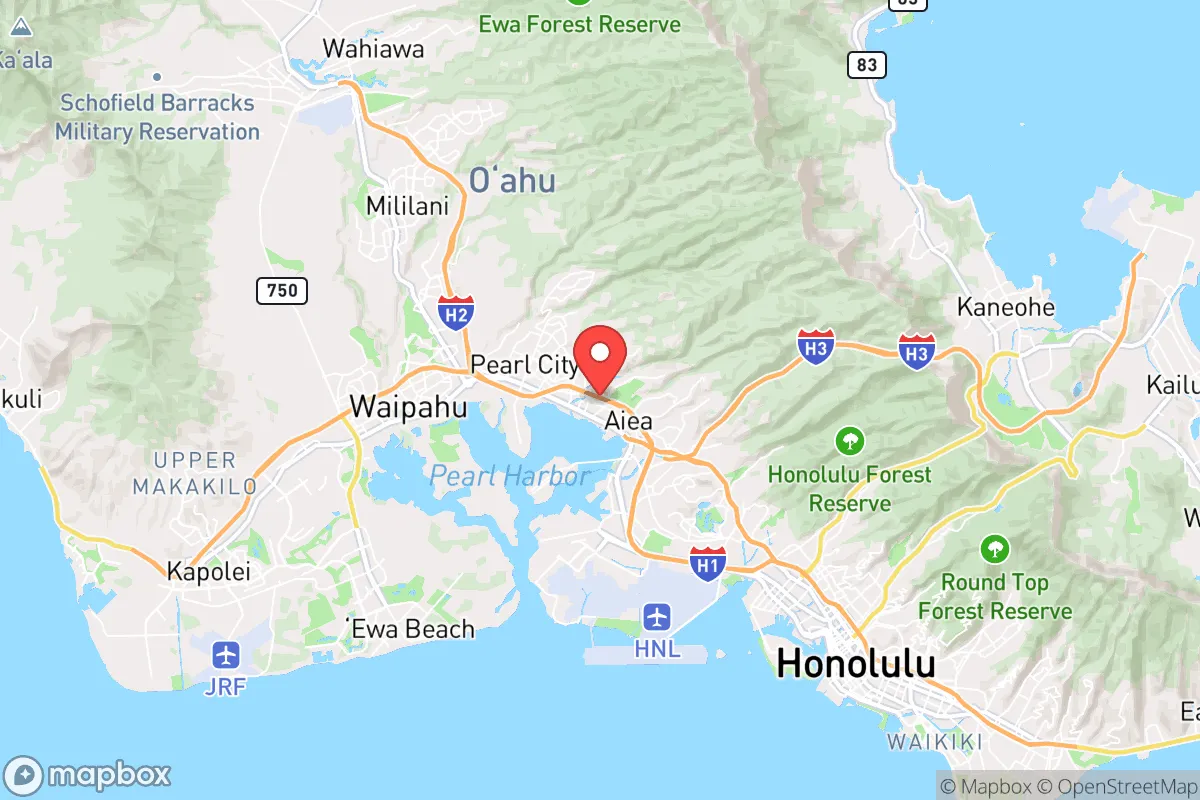
Photo: Wikipedia
Quality of Life in Waimalu, HI
A high quality of life with strong walkability, manageable living costs, healthy neighborhood signals, and solid amenity access.
What does Quality of Life tell us?
Quality of Life blends cost of living, nearby amenities, socioeconomic signals, and neighborhood character. City-level scores represent the whole municipality; individual neighborhoods can differ.
What does this tell us?
Quality of Life blends cost of living, nearby amenities, socioeconomic signals, and neighborhood character. City-level scores represent the whole municipality; individual neighborhoods can differ.
Cost of Living
82% above national average
The Real Cost of Living in Waimalu, HI for 2026
| Tier | Individual | Family (4) |
|---|---|---|
| Survival | $30k | $57k |
| Comfortable | $100k | $147k |
| Luxury | $146k+ | $227k+ |
| Elite (Top 5%) | $172k+ | $267k+ |
61%
The Area Signal
A metric tracking the socioeconomic signals of the area.
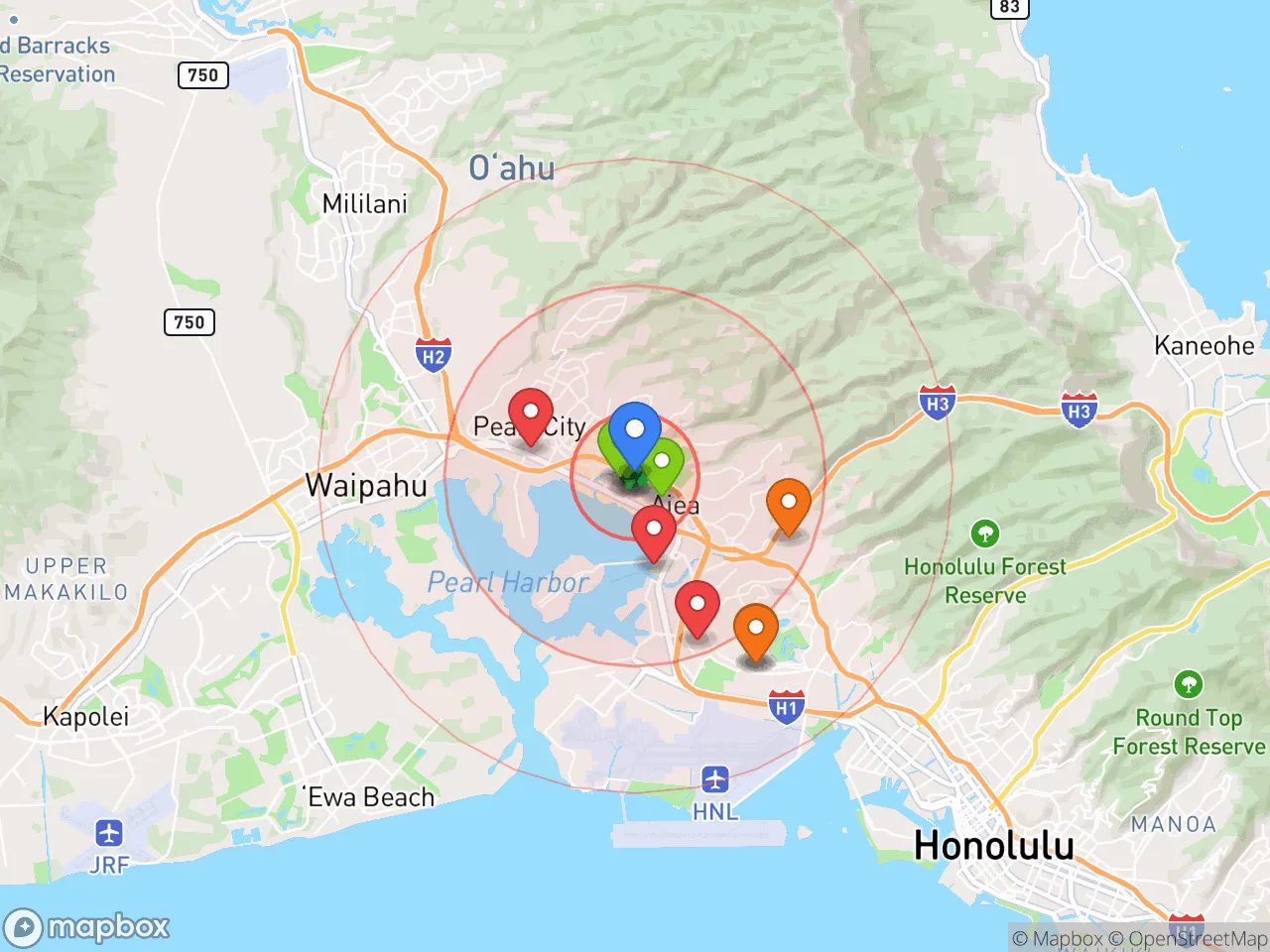
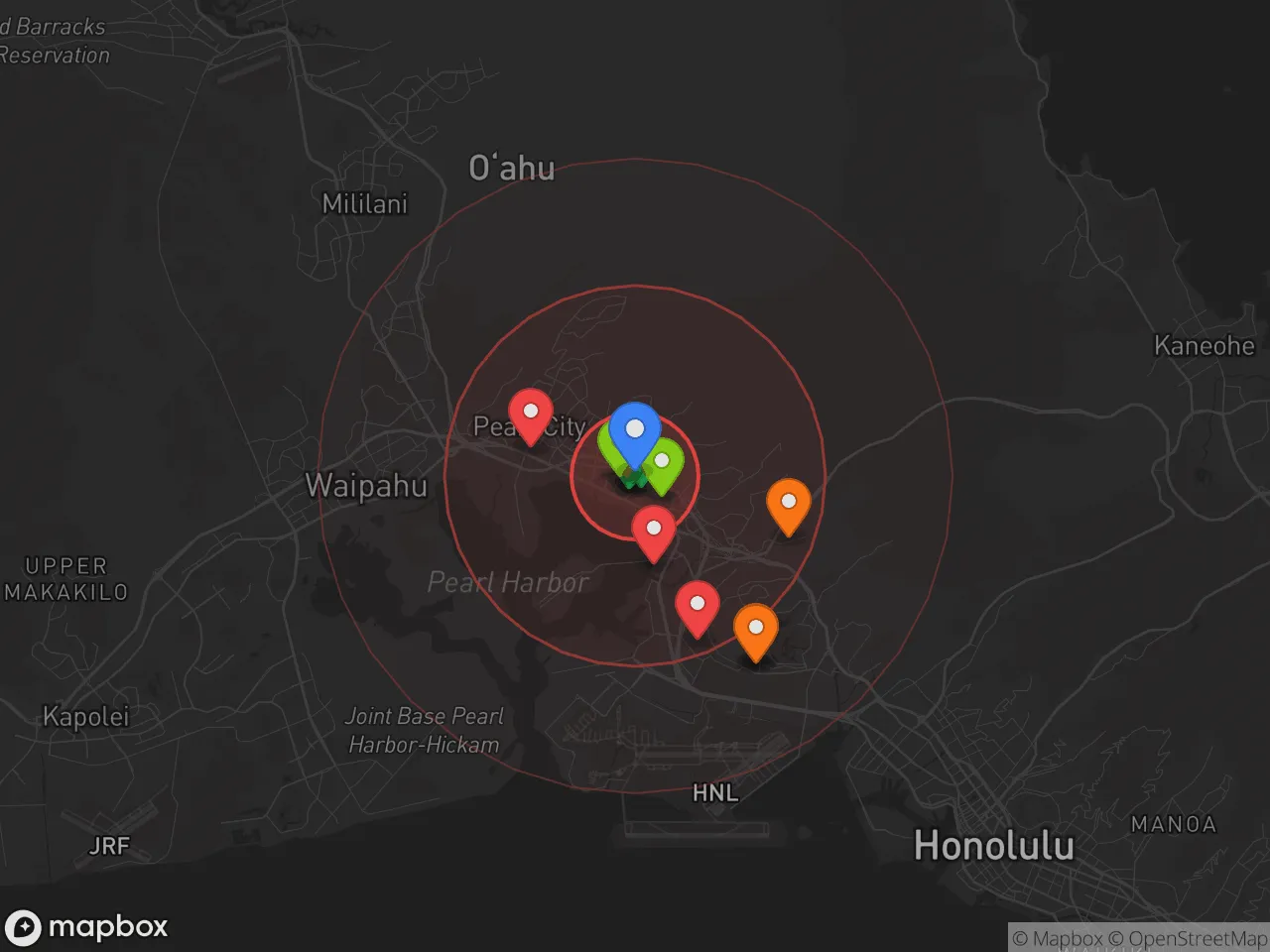
Hobbies
Explore the areaGroceries
5 within 10 miles
Gas
20 within 10 miles
Hospital
16 within 20 miles
Airport
Daniel K. Inouye International Airport
Post Office
USPS — Waimalu, HI
Critical Amenities
Quality-of-Life Analysis
Waimalu, Hawaii, is a middle-to-upper-middle-class residential community on the island of Oahu, situated between Pearl City and Aiea. With a cost of living index of 182 (82 percent above the U.S. average), the area attracts established professionals, military families connected to nearby Joint Base Pearl Harbor-Hickam, and long-time local residents who value its suburban quiet and central location. The population skews older and more settled than in Honolulu proper, with a high proportion of homeowners and a strong sense of neighborhood identity.
Cost of living, housing prices, and affordability compared to Honolulu and Pearl City
Waimalu’s cost of living is significantly higher than the national average but slightly below the most expensive Honolulu neighborhoods. The median home value sits at $597,700, which is roughly $50,000 less than the Honolulu metro median and about $30,000 more than in neighboring Pearl City. Median rent is $1,892, making it more affordable than downtown Honolulu (where two-bedroom units often exceed $2,500) but pricier than more rural areas like Waipahu. Utility costs are elevated due to Hawaii’s reliance on imported oil, and grocery prices run about 50 percent above mainland averages. For a family earning the Oahu median household income of roughly $92,000, a mortgage on a median-priced Waimalu home would consume about 35 percent of gross income—manageable by local standards but tight for newcomers. Renters face a tighter squeeze: the median rent represents about 25 percent of a typical dual-income household’s gross pay. Compared to Pearl City, Waimalu offers slightly larger lot sizes and more single-family homes, which partly explains the price premium.
Local amenities, school quality, and the daily commute rhythm
Waimalu is primarily residential, with most daily errands centered on the Waimalu Shopping Center and the nearby Pearl Kai Shopping Center, which house a Foodland, Longs Drugs, and local eateries like Waimalu Chop Suey. The area is served by Pearl City High School (rated 7/10 on GreatSchools) and Waimalu Elementary School (rated 8/10), both part of the Hawaii Department of Education. For higher education, Leeward Community College is a 10-minute drive west. The average commute time is 25.5 minutes, which is shorter than the Oahu average of 30 minutes, thanks to Waimalu’s position near the H-1 freeway and the Pearl Harbor naval complex. Many residents work at the military base, in Honolulu’s downtown offices (a 20-minute drive east), or at the Pearl City industrial parks. Traffic is heaviest during the 7:00–8:30 AM window heading east and the 4:00–6:00 PM window returning west. Weekend life revolves around the Pearlridge Center mall (a 5-minute drive), the Keaiwa Heiau State Recreation Area for hiking, and community events at Waimalu District Park, which has baseball fields, tennis courts, and a swimming pool.
Waimalu is best suited for families and military personnel who want a stable, low-key suburban base with good schools and a manageable commute to Honolulu or Pearl Harbor. Singles and young professionals may find the social scene too quiet and the housing costs prohibitive for solo living. Retirees on fixed incomes should carefully budget for the high cost of groceries and utilities, though the area’s walkability to basic services and proximity to Pali Momi Medical Center (a 10-minute drive) are strong draws. For anyone prioritizing space, safety, and central Oahu access over nightlife or urban density, Waimalu delivers a dependable quality of life—at a premium price.

Crime in Waimalu, HI
Generally safer than 64% of comparable U.S. locations.
Violent CrimeViolent Crime Analysis
Property CrimeProperty Crime Analysis
Crime Analysis
Waimalu, a census-designated place in Honolulu County on Oahu, presents a mixed safety profile that requires careful examination. While its violent crime rate of 200.2 per 100,000 residents is notably lower than the national average, its property crime rate of 1,586.9 per 100,000 significantly exceeds both state and national benchmarks, making property-related offenses the primary concern for residents and newcomers.
Crime in context
Waimalu's violent crime rate of 200.2 per 100,000 is roughly 43% lower than the U.S. national average of approximately 380 per 100,000, placing it in a relatively safer tier for personal safety. However, the property crime rate of 1,586.9 per 100,000 is about 30% higher than the national average of roughly 1,200 per 100,000. This pattern aligns with broader trends across Honolulu County, where property crimes—particularly theft and vehicle break-ins—are elevated due to high population density, tourism-related activity, and transient populations. It is important to note that Hawaii's justice system, including Honolulu County's judiciary, has been influenced by progressive policies emphasizing rehabilitation over incarceration. Critics argue that such an approach, while sympathetic to offenders, can result in reduced consequences for repeat property offenders, potentially contributing to higher recidivism and a greater number of criminals active in communities like Waimalu.
What residents experience
Daily life in Waimalu for most residents involves a heightened awareness of property security. Vehicle break-ins and package thefts are the most commonly reported incidents, particularly in shopping center parking lots and near the Waimalu Shopping Center. Residents often report that unlocked cars or visible valuables are frequent targets. Violent crimes such as assault or robbery are less common but do occur, often in connection with domestic disputes or late-night incidents near commercial areas. The community's proximity to major thoroughfares like Kamehameha Highway and the H-1 freeway means that transient individuals and those passing through can contribute to opportunistic crime. Local neighborhood watch groups and community policing efforts are active, but the overall sense of safety is tempered by the property crime reality.
Neighborhood-level variation within Waimalu is modest but notable. Areas closer to the Waimalu Stream and the more densely packed apartment complexes near the shopping center tend to report higher incidences of property crime. In contrast, the residential streets further inland, with single-family homes and tighter-knit blocks, generally see fewer incidents. Prospective residents should prioritize properties with secure parking, good lighting, and active neighborhood associations to mitigate risks. While Waimalu is not a high-violence area, the combination of elevated property crime and a justice system that may not consistently deter repeat offenders means that vigilance and proactive security measures are essential for a safe living experience.
* Values derived from national, state, county, city and local statistics and may differ in a specific area. Last updated: 2026-04-24T07:23:12.000Z
Narrative content on this page is AI-generated and may contain mistakes. Verify any details that matter before acting on them.
ReloMaps may earn a commission from affiliate links at no extra cost to you.

