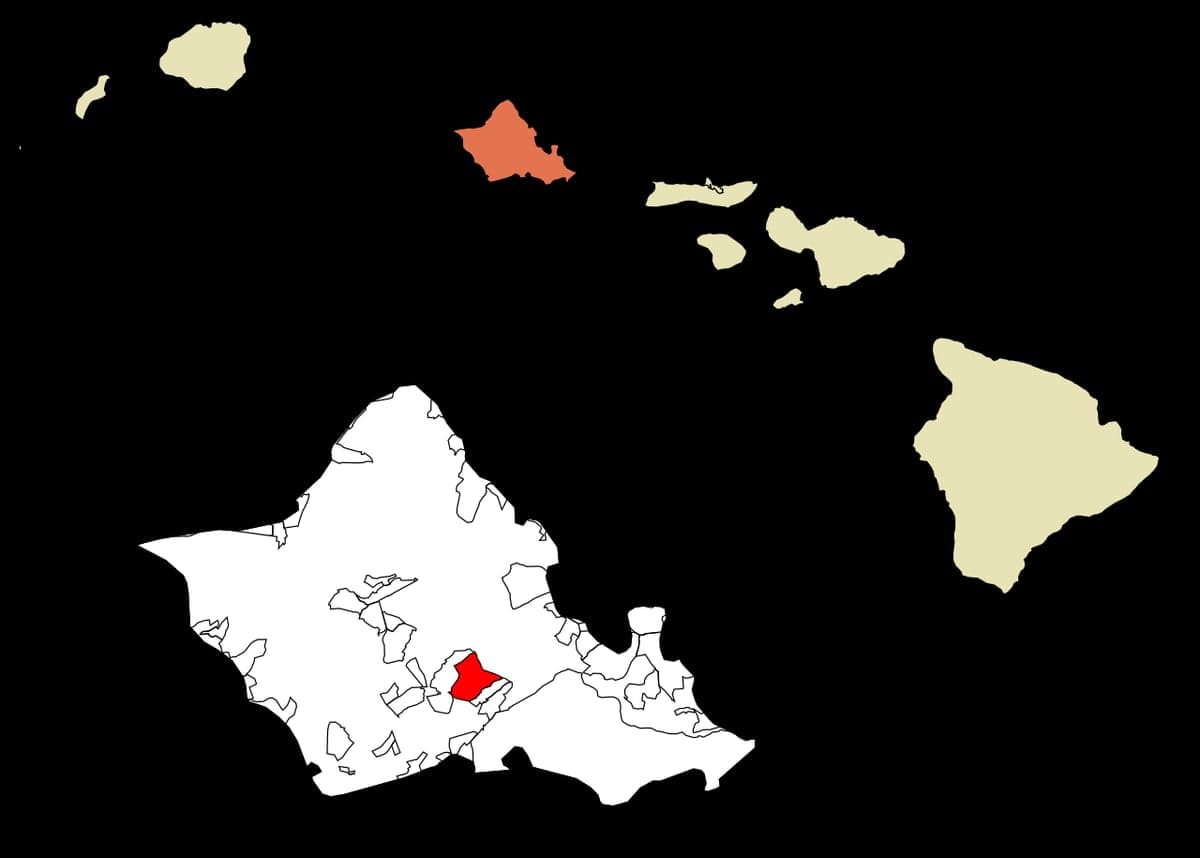
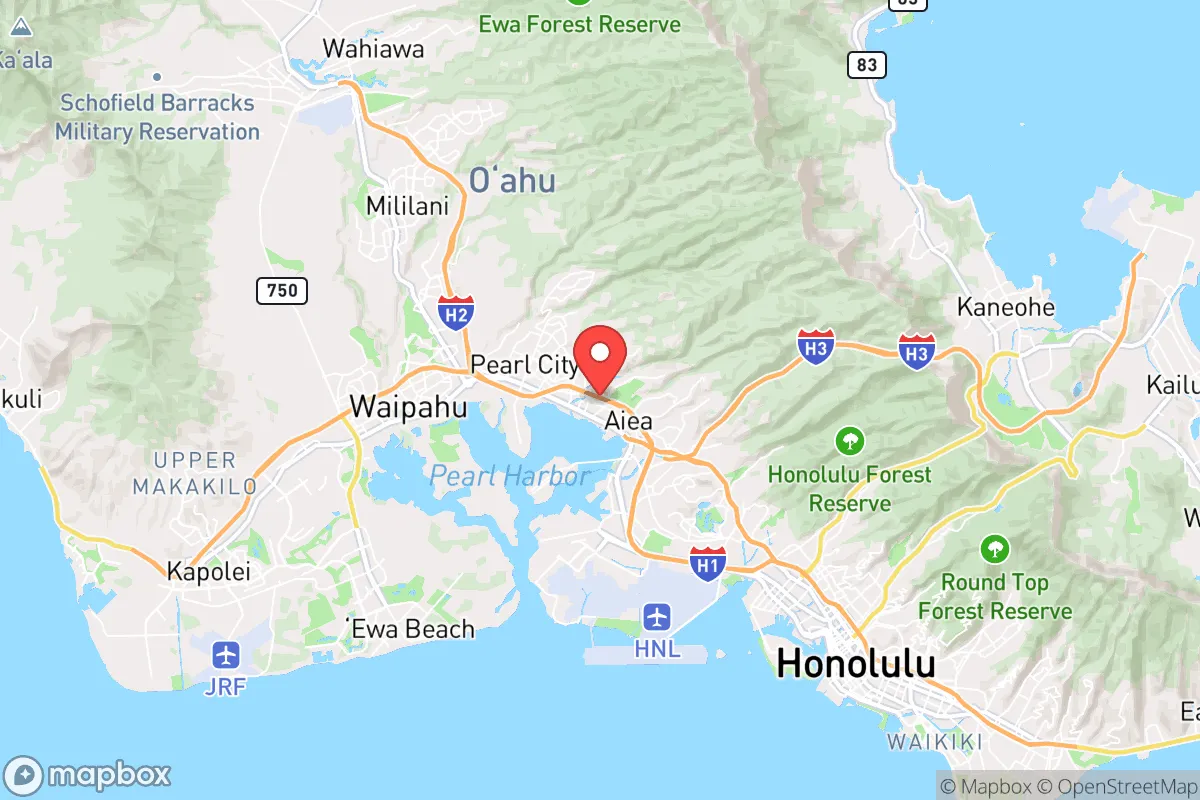
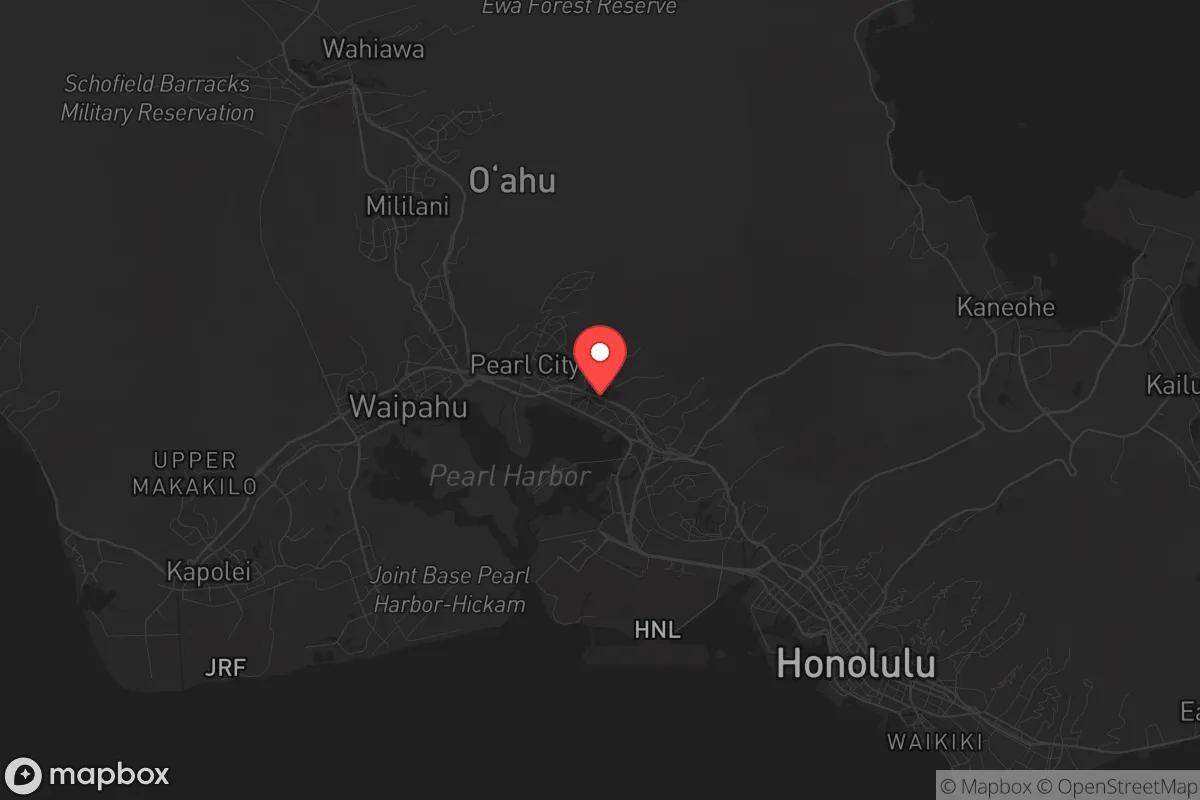
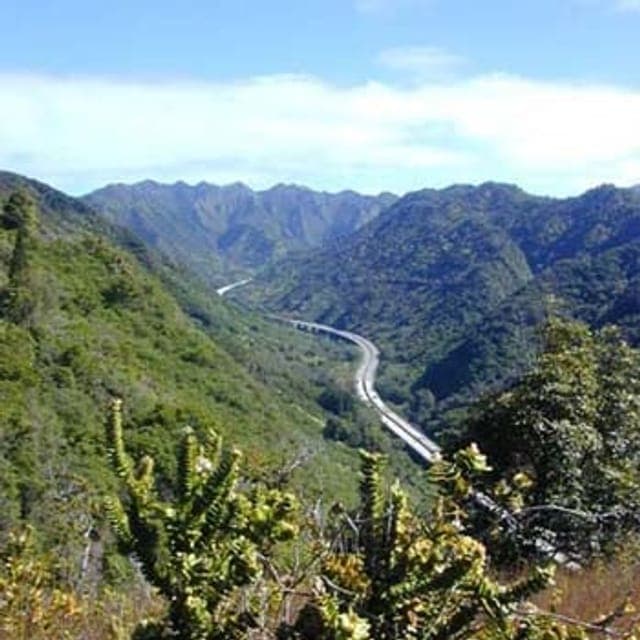
Photo: Wikipedia
Find The Best Places To Live
in Waimalu
PRO TIP! You can paste a Zillow or Redfin link to get info on that property.
What It's Like Living in Waimalu, HI
Waimalu feels less like a destination and more like the kind of place you land on because it makes sense. Tucked between Pearl City and Aiea on Oahu’s central leeward side, this community of about 14,000 people doesn’t have a flashy downtown or a tourist draw. What it does have is a steady, family-oriented rhythm, a median age of 41.3 that skews a bit older than the rest of the island, and a quiet sense of practicality that appeals to people who want Hawaii living without the constant Waikiki buzz.
The Daily Rhythm: Strip Malls, Plate Lunches, and the 25-Minute Commute
Life in Waimalu revolves around the everyday. The main artery, Kaahumanu Street, is lined with the kind of strip malls that define suburban Oahu—a Times Supermarket, a Longs Drugs, a handful of plate lunch spots where the mochiko chicken and saimin are the real local currency. Weekends often mean a trip to the Waimalu Shopping Center for poke bowls at Foodland or a quick stop at the Waimalu Donut Shop, where the glazed malasadas disappear before 9 a.m. The commute to downtown Honolulu or Pearl Harbor averages about 25 minutes, which is manageable by island standards, though the H-1 freeway can gum up during rush hour. Most people here work in the service industry, at Pearl Harbor, or in the medical offices that dot the area—the median household income of $89,016 reflects a solidly middle-class, two-income household reality.
Sports, Schools, and the Community Anchor
High school sports are a genuine social currency here. Pearl City High School, which serves Waimalu, draws big crowds for football games at the school’s field, especially when they face rival Aiea or Leilehua. The Chargers’ games are the kind of Friday night events where you see three generations of the same family in the bleachers. The community also rallies around the University of Hawaii at Manoa Rainbow Warriors—football and volleyball games in Honolulu are a 20-minute drive, but the tailgate culture is more casual than mainland college towns. For younger kids, the Waimalu District Park is the hub: soccer leagues, little league baseball, and the occasional weekend craft fair. The public schools—Waimalu Elementary and Pearl City Highlands Elementary—are well-regarded locally, and the fact that 36.3% of adults hold a college degree suggests education is a priority here, even if it’s not a hyper-competitive academic pressure cooker.
What’s There to Do: Parks, Plate Lunches, and Pearl Harbor Proximity
Entertainment in Waimalu is low-key and outdoor-oriented. Waimalu Stream Park is a narrow green strip with a walking path and a playground—nothing fancy, but it’s where you see joggers at dawn and families with strollers on Sunday afternoons. For a bigger dose of nature, Pearl Harbor National Memorial is a 10-minute drive, and the Ho‘omaluhia Botanical Garden in Kaneohe is about 20 minutes away for those who want a lush, quiet escape. The restaurant scene is heavy on local favorites: Yama’s Fish Market for ahi poke bowls, L&L Hawaiian Barbecue for a quick plate, and Koa Pancake House for a weekend breakfast that feels like a neighborhood ritual. There’s no real bar scene to speak of—most socializing happens at someone’s house or at a family gathering. The big annual event is the Pearl City Community Festival in the fall, with a parade, food booths, and live music that brings out the whole area.
Pros and Cons of Living Here
The honest upside is stability. Waimalu is safe enough—the violent crime rate of 200.2 per 100,000 is below the national average—and the weather is reliably warm with a trade-wind breeze that keeps things comfortable. The cost of living index of 182 is a shock to newcomers, but the median home value of $597,700 is actually on the lower end for Oahu, meaning you can still find a modest three-bedroom house or a townhouse without needing a seven-figure mortgage. The downsides are the ones you hear from every local: traffic on the H-1 can turn a 25-minute commute into 45 minutes during peak, and the strip-mall layout means there’s no real walkable downtown. Renters feel the squeeze more acutely, and the lack of nightlife or cultural venues means Waimalu works best for people who are content with a quiet, home-centered life. The cultural quirk here is the deep sense of ohana—neighbors know each other, and the local identity is less about Waimalu as a brand and more about being part of the larger Pearl City-Aiea corridor. It’s not a place you move to for excitement; it’s a place you move to for a solid, predictable foundation.

Similar towns to Waimalu
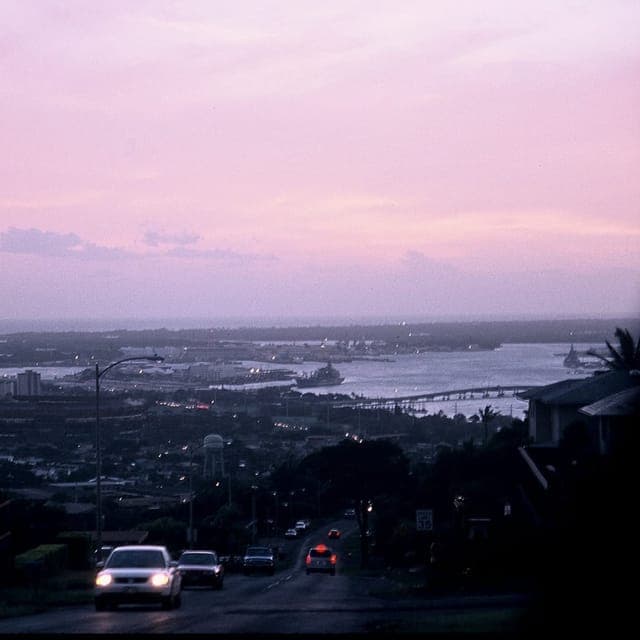
* Values derived from national, state, county, city and local statistics and may differ in a specific area. Last updated: 2026-04-24T07:23:12.000Z
Narrative content on this page is AI-generated and may contain mistakes. Verify any details that matter before acting on them.
ReloMaps may earn a commission from affiliate links at no extra cost to you.

