Photo: Wikipedia
Find The Best Places To Live
in Walla Walla
PRO TIP! You can paste a Zillow or Redfin link to get info on that property.
What It's Like Living in Walla Walla, WA
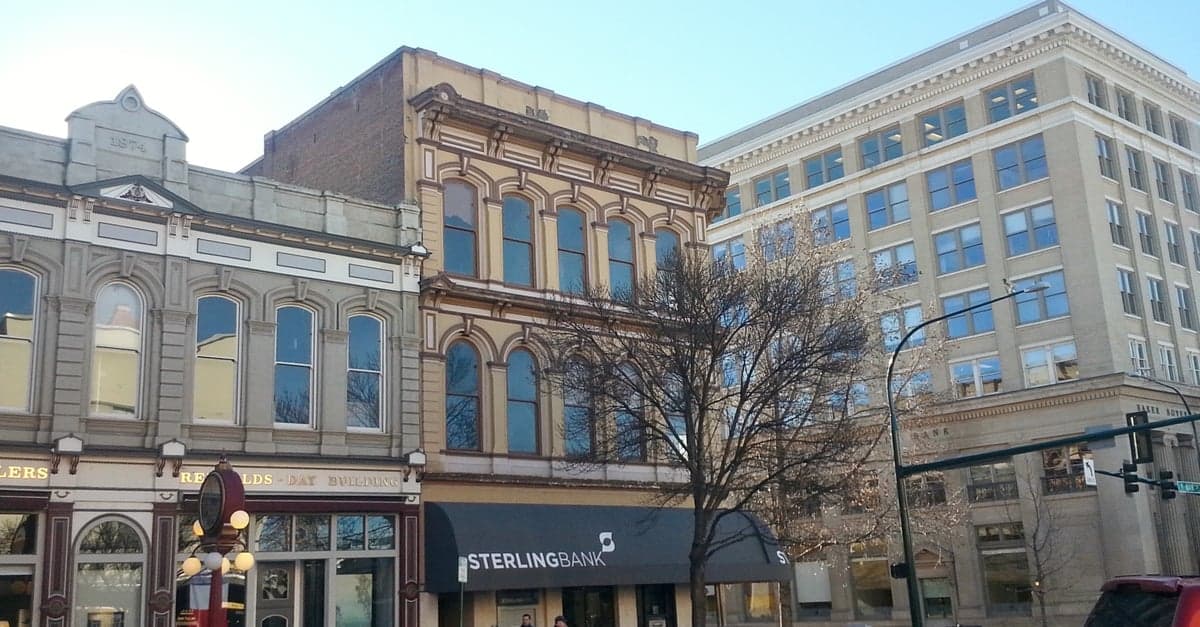
Walla Walla is a place that surprises people. Most outsiders know it for sweet onions and a handful of wineries, but the town itself is a compact, walkable community of about 33,766 people where the pace of life is deliberately slower and the social scene revolves around downtown blocks rather than strip malls. It’s the kind of town where you run into people you know at the Saturday morning farmers market, where high school football games are genuine community events, and where the biggest local debate might be whether the best burger comes from The HUB or from a food truck at a tasting room. It’s not for everyone, but for the right person, it’s hard to leave.
Daily Rhythm and Who Fits In
The median age here is 38.1, which tells you something: Walla Walla isn’t a college party town (despite having Whitman College and a community college campus) and it isn’t a retirement enclave. It’s a place where people are in their prime working-and-raising-kids years. The median household income is $65,493, which goes further here than in Seattle or Portland, though the cost of living index sits at 111 — slightly above the national average, largely driven by housing. The median home value of $356,600 is steep for Eastern Washington, but it buys a Craftsman bungalow within walking distance of downtown, not a suburban tract house. The kind of person who thrives here is someone who values community over convenience: a professional who works remotely or at one of the major employers (the hospital, the school district, the state prison, or the wineries), a parent who wants their kids to walk to school, or a single person who prefers a local coffee shop over a nightclub. The average commute is just under 13 minutes, which means people actually go home for lunch.
Sports, Festivals, and What People Actually Do
High school sports are the main athletic draw. Walla Walla High School (Wa-Hi) football games on Friday nights in the fall pack the stands in a way that feels nostalgic even if you didn’t grow up here. There’s no professional team within two hours, so the community pours its energy into the local kids. Whitman College also fields competitive Division III teams, and their basketball and tennis matches draw a smaller but loyal crowd. Beyond sports, the social calendar is built around festivals. The Walla Walla Sweet Onion Festival in July is exactly what it sounds like — onion rings, onion burgers, onion blossom contests — and it’s genuinely fun. The Balloon Stampede in May sends dozens of hot air balloons over the valley at dawn, and the Walla Walla Fair in late summer is the old-school county fair with livestock, carnival rides, and demolition derbies. For music, the Walla Walla Symphony is a point of pride, and the Gesa Power House Theatre downtown hosts concerts, plays, and film screenings year-round. Outdoor life means hiking the Bennington Lake loop, biking the Mill Creek Trail, or floating the Walla Walla River in the summer. The Blue Mountains are 30 minutes east for serious hiking and snowshoeing.
What Longtime Residents Love and What Frustrates Them
The pros are real and specific. People love that they can walk to dinner from almost any neighborhood inside the city core. They love that the downtown has avoided the boarded-up fate of many small towns — instead, it’s filled with independent bookstores, wine tasting rooms, and restaurants like Graze (farm-to-table) and Andrae’s Kitchen (soul food). They love that the schools, while not perfect, are small enough that teachers know students by name. The violent crime rate is 381.6 per 100,000, which is above the national average and a genuine concern — it’s concentrated in specific areas, but it’s not something residents ignore. Property crime, especially theft from cars, is the more common frustration. The other downside is isolation. The nearest city of any size is Spokane, two hours north, and Portland is three and a half hours west. If you need an IKEA or a major airport, you’re planning a day trip. Winters are gray and cold — not snowy like the mountains, but damp and foggy — and summers can hit triple digits, though the dry heat is manageable. The biggest cultural quirk is the town’s quiet pride in being a little bit weird: it’s a place where a wheat farmer and a Whitman College professor can share a beer at The HUB and talk about the same high school baseball game. That’s not true everywhere.
Practical Realities: Weather, Traffic, and Schools
Traffic is not a thing here. The worst congestion is on Isaacs Avenue during school pickup, and that clears in ten minutes. Parking downtown is free and usually available. The weather has four distinct seasons: spring is lovely and green, summer is hot and dry, fall is crisp with harvest activity, and winter is gray and occasionally icy. Snowfall is light but can shut things down for a day or two. The Walla Walla Public Schools system is a central part of community identity — school bond measures pass, parent turnout at board meetings is high, and the high school’s performing arts program is genuinely strong. Private options include DeSales Catholic High School and Liberty Christian School. For families, the presence of Whitman College means there’s a steady stream of young adults and cultural events that keep the town from feeling like a retirement community. For singles, the dating scene is small — you’ll know most of the eligible people within six months — but the winery and brewery scene (over 100 wineries in the valley) makes it easy to socialize. The bottom line: Walla Walla is a trade-off. You give up urban amenities and some safety peace of mind, and you gain a community where you actually know your neighbors and can walk to a good glass of wine.

Similar towns to Walla Walla

* Values derived from national, state, county, city and local statistics and may differ in a specific area. Last updated: 2026-04-19T05:54:00.000Z
Narrative content on this page is AI-generated and may contain mistakes. Verify any details that matter before acting on them.
ReloMaps may earn a commission from affiliate links at no extra cost to you.

