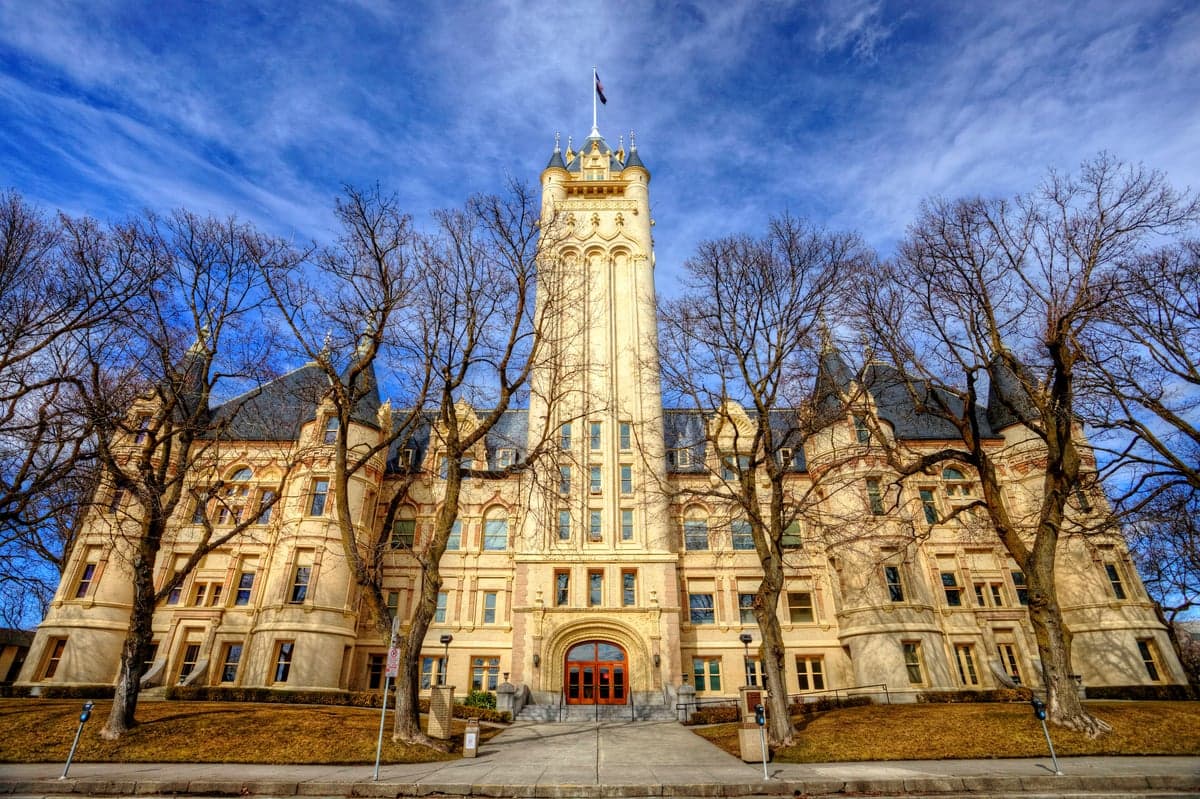
Photo: Wikipedia
Quality of Life in Spokane County
A livable area that tracks near national norms for affordability, walkability, and neighborhood health.
What does Quality of Life tell us?
Quality of Life measures an area by evaluating factors like cost of living, nearby amenities, country club access, airport proximity, socioeconomic signals and neighborhood character. For large states, this is a general average — quality of life can vary dramatically between metro areas, suburbs, and rural communities within the same state.
What does this tell us?
Quality of Life measures an area by evaluating factors like cost of living, nearby amenities, country club access, airport proximity, socioeconomic signals and neighborhood character. For large states, this is a general average — quality of life can vary dramatically between metro areas, suburbs, and rural communities within the same state.
Cost of Living
14% above national average
69%
The Real Cost of Living in Spokane County for 2026
| Tier | Individual | Family (4) |
|---|---|---|
| Survival | $19k | $36k |
| Comfortable | $72k | $106k |
| Luxury | $132k+ | $205k+ |
| Elite (Top 5%) | $156k+ | $241k+ |
Quality-of-Life Analysis
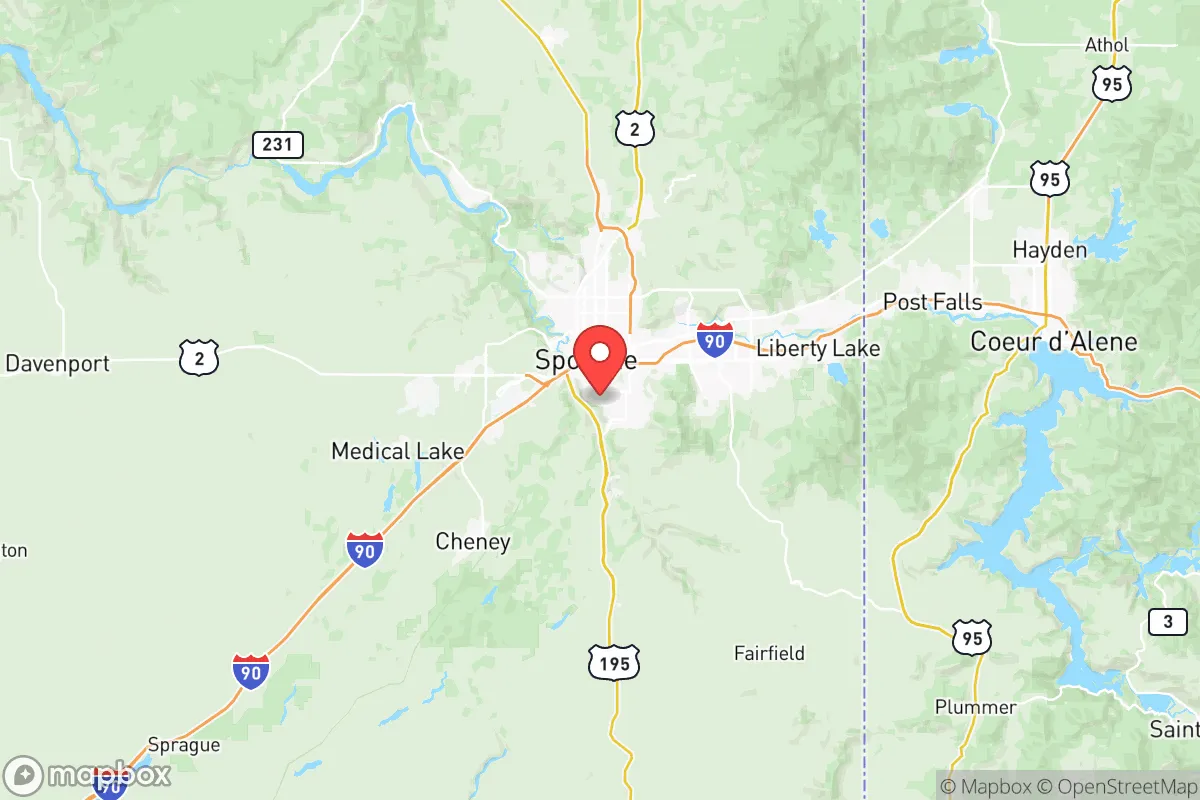
Spokane County, Washington, offers a broad quality-of-life spectrum that ranges from the urban core of Spokane to the rural quiet of communities like Fairfield and Rockford. The county’s character shifts dramatically within a 30-minute drive, drawing different types of residents: young professionals and students to the city center, families seeking suburban schools to the Spokane Valley, and homesteaders or retirees to the agricultural and timberland pockets in the south and east. With a cost-of-living index of 114 (100 = U.S. average) and a median home value of $370,500, the county provides a relatively affordable entry point to the Pacific Northwest compared to Seattle or Portland, while still offering a range of lifestyle densities.
Largest town(s) & population centers
The dominant population center is the city of Spokane itself, home to roughly 230,000 residents and the economic hub of the Inland Northwest. Daily life here centers on downtown employment at employers like Providence Health & Services, Spokane Public Schools, and the Fairchild Air Force Base, with a walkable core featuring Riverfront Park, the Spokane Arena, and a growing craft brewery scene. Adjacent Spokane Valley, with about 105,000 residents, functions as a more suburban, car-oriented extension with big-box retail along Sprague Avenue and newer housing developments. The average commute across the county is a manageable 22.6 minutes, making it feasible to live in one part of the county and work in another. Liberty Lake, a fast-growing city on the Idaho border, attracts families and tech workers with its highly rated Central Valley School District and the Liberty Lake Corporate Park, home to companies like Itron and Wagstaff.
Smaller towns & rural pockets
South of Spokane, the town of Cheney (population ~12,000) is anchored by Eastern Washington University, giving it a college-town feel with lower rents and a younger demographic. Further south, Fairfield (population ~600) is a classic Palouse farming community with a single main street, a historic grain elevator, and a quiet pace that appeals to those seeking land and solitude. To the east, Rockford (population ~500) sits near the Idaho line and offers a tight-knit community centered around the Rockford Elementary School and local taverns. In the northern part of the county, Deer Park (population ~4,500) is a former railroad town now seeing modest growth, with access to the Little Spokane River and state parks like Riverside State Park. Unincorporated areas like Mead and Colbert provide rural residential subdivisions where residents trade city amenities for larger lots and quieter roads, often with well water and septic systems.
Cost & lifestyle range
The cost of living and available amenities vary significantly across the county. At the higher end, Liberty Lake and the South Hill neighborhood of Spokane command median home values above $450,000, with newer construction, golf course communities, and proximity to the Spokane River. Median rent countywide is $1,200, but in Liberty Lake, two-bedroom apartments often exceed $1,500. At the lower end, Cheney and Deer Park offer median home values closer to $310,000 and rents around $950, reflecting their smaller economies and longer commutes. Rural areas like Fairfield and Rockford have the lowest housing costs but also the fewest services—residents typically drive 20–30 minutes for groceries, medical care, or dining. The lifestyle trade-off is clear: urban dwellers in Spokane proper enjoy walkable neighborhoods, public transit, and cultural venues like the Bing Crosby Theater, while rural residents gain space, privacy, and lower property taxes but sacrifice convenience and employment density.
Who thrives in Spokane County largely depends on tolerance for commute and desire for space. Remote workers, retirees, and families who value land over nightlife find strong value in the smaller towns and rural pockets. Professionals and students who want urban amenities without Seattle prices gravitate to Spokane’s core or Liberty Lake. The county’s diversity of settings—from the college bustle of Cheney to the wheat-field quiet of Fairfield—means most lifestyles can find a fit, provided the trade-offs in commute and services are accepted.

Crime in Spokane County
Crime rates similar to the national median for U.S. locations.
Violent CrimeViolent Crime Analysis
Property CrimeProperty Crime Analysis
Crime Analysis
Spokane County presents a mixed safety profile: its property crime rate of 1,955.3 per 100,000 residents significantly exceeds both the Washington state average and the national median, while violent crime at 281.8 per 100,000 sits moderately above the state figure but below many similar-sized Western counties. The county’s overall safety picture is heavily shaped by the city of Spokane, which accounts for the majority of reported offenses, while outlying towns like Liberty Lake and Cheney experience considerably lower crime densities. Travelers and prospective residents should weigh neighborhood-level data carefully, as the gap between the safest and most vulnerable areas is wide.
Crime in context
Washington state’s violent crime rate hovers near 260 per 100,000 and the national rate around 370, placing Spokane County’s 281.8 per 100,000 just above the state norm but below the U.S. average. Property crime, however, is more pronounced: the county’s 1,955.3 per 100,000 is roughly 40% higher than the national rate of about 1,400 per 100,000. Driving these numbers are trends in the unincorporated areas and the city of Spokane. By comparison, nearby cities such as Airway Heights and Spokane Valley post higher property-crime rates per capita, while Liberty Lake — with its gated communities and retail corridors — reports rates roughly half the county average. The disparity highlights the difference between dense urban corridors and lower-density suburban enclaves.
What residents experience
Residents in Spokane County most frequently encounter property theft, vehicle break-ins, and burglary. The prevalence of these offenses has been linked, in part, to policies adopted by the Spokane County prosecutor’s office and local judges, which emphasize diversion and reduced sentencing for lower-level property crimes. While such progressive approaches aim to reduce incarceration, critics argue they have emboldened repeat offenders and eroded deterrence. In practice, neighborhoods near downtown Spokane — including the Riverside and East Central districts — see concentrated property and drug-related crime, while suburban residents in Cheney and Deer Park report far fewer incidents. Public perception surveys in the county consistently rank safety among the top concerns, with many residents noting that visible homelessness and theft from vehicles are the most common daily nuisances.
Neighborhood-level variation is stark. The city of Spokane itself is split: South Hill and the Comstock area enjoy relatively low crime rates, while the Hillyard and North East neighborhoods report higher property crime. In Spokane Valley, areas along Sprague Avenue and the Interstate 90 corridor show elevated theft rates, whereas Liberty Lake, with its private security presence and zero-tolerance policing agreements, remains a standout for low crime. Cheney, home to Eastern Washington University, has a youth-driven property-crime pattern that spikes during the academic year but stays below county averages in summer. Deer Park and Fairfield, farther from the urban core, report negligible violent crime and property crime roughly half the county norm.
For anyone evaluating a move to Spokane County, the data underscores a simple rule: the closer a property sits to Spokane’s downtown and major arterial roads, the higher the likelihood of encountering theft and property damage. Suburban and exurban communities — especially Liberty Lake, Cheney, and Deer Park — offer a noticeably quieter safety experience, though they still face occasional property crime. The political and judicial leanings of the county are a live factor: continued progressive prosecutorial policies could keep property crime elevated, making neighborhood selection and on-site security practices essential for peace of mind.
* Values derived from national, state, county, city and local statistics and may differ in a specific area. Last updated: 2026-06-03T01:58:47.000Z
Narrative content on this page is AI-generated and may contain mistakes. Verify any details that matter before acting on them.
ReloMaps may earn a commission from affiliate links at no extra cost to you.

