Photo: Wikipedia
Find The Best Places To Live
in Spokane Valley
PRO TIP! You can paste a Zillow or Redfin link to get info on that property.
What It's Like Living in Spokane Valley, WA
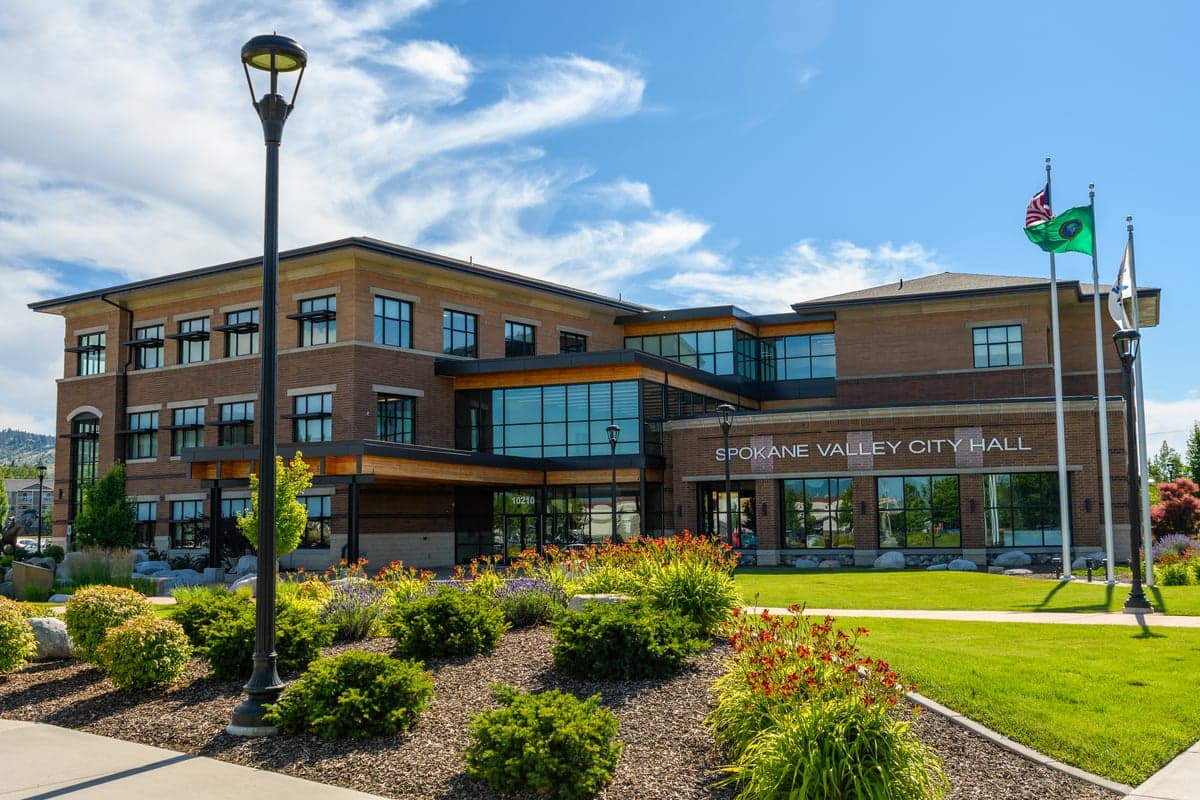
If you picture Spokane Valley, think less of a bedroom suburb and more of a self-contained city with its own pulse—a place where the morning commute is measured in minutes, not hours, and where a Friday night might mean catching a high school football game, grabbing a beer at a local taproom, or heading into the nearby mountains by Saturday morning. With roughly 105,000 residents, it’s big enough to have its own identity, but small enough that you’ll start recognizing faces at the grocery store. The vibe here is practical, outdoorsy, and family-focused, with a conservative, no-nonsense streak that shows up in everything from local politics to how people spend their weekends.
The Daily Rhythm: Work, Errands, and Weekend Plans
Life in Spokane Valley moves at a deliberate, unhurried pace. The average commute clocks in at just under 21 minutes—short enough that you can actually enjoy the drive along the Spokane River or through the pine-lined streets. Most residents work in healthcare, manufacturing, or retail, with major employers like Providence Health & Services, Kaiser Aluminum, and Spokane Valley Hospital anchoring the local economy. The median household income sits at $70,722, which goes further here than in many Western cities thanks to a cost of living index of 113—higher than the national average, but noticeably cheaper than Seattle or Portland.
Weekends often start with a trip to the Spokane Valley Farmers Market (May through October) or a run along the Centennial Trail, a paved path that winds along the river for miles. Families gravitate toward Mirabeau Point Park, a sprawling green space with a splash pad, playgrounds, and the Spokane Valley Heritage Museum tucked inside a historic schoolhouse. For dinner, locals argue over whether Molinari’s (neighborhood Italian) or The Onion (a beloved burger-and-fry joint with a loyal following) deserves the crown. The bar scene is low-key: 12 String Brewing and Bellwether Brewing are the go-to spots for a pint and conversation, while Bennidito’s Brewpub draws a younger crowd with trivia nights and live acoustic sets.
Sports, Schools, and Community Pride
High school sports are a surprisingly big deal here. On a crisp autumn Friday, the stands at University High School or Central Valley High School are packed for football games, and the rivalry between the two schools is genuine—families mark their calendars months in advance. College sports don’t dominate the way they do in Pullman or Seattle, but Spokane Valley sits just 15 minutes from Spokane Arena, where the Spokane Chiefs (WHL hockey) and Gonzaga Bulldogs basketball draw big crowds. For a smaller city, the access to Division I athletics is a real perk.
Schools play a central role in community life. The Central Valley School District and East Valley School District both serve the area, and while test scores are solid (above state averages in reading and math), what stands out is the parent involvement—PTA meetings are well-attended, and booster clubs for sports and arts are active. The median age of 37.6 reflects a population heavy on families with school-age kids, and the 24.8% college-educated rate means many parents are professionals who value education but also appreciate that their kids can still ride bikes to a friend’s house without constant supervision.
What’s There to Do (and What’s Missing)
Outdoor recreation is the main event. In summer, the Spokane River offers tubing, kayaking, and fishing spots like Plantes Ferry Park. In winter, Mount Spokane Ski & Snowboard Area is a 45-minute drive and offers 45 runs and a terrain park—crowded on weekends, but far cheaper than resorts in Colorado or Utah. The Spokane Valley Mall handles the shopping needs, but locals also swear by Garland Avenue in nearby Spokane for quirky boutiques and Huckleberry’s Natural Market for groceries.
Festivals keep the calendar full. Spokane Valleyfest in September draws thousands for a parade, car show, and live music. Pig Out in the Park (in neighboring Spokane) is a Labor Day staple with food vendors and national acts. But the cultural scene is thinner than in larger cities—there’s no major music venue in the Valley itself; for concerts, you’re driving to the Spokane Arena or Knitting Factory in downtown Spokane. That’s a common trade-off: you get space and affordability, but you trade away the 24/7 entertainment options of a big metro.
Pros and Cons of Living Here
- Pro: Short commute and affordable homes. The median home value of $344,300 is roughly half of Seattle’s, and with a 20-minute average commute, you actually have time for hobbies and family. First-time buyers can still find a 3-bedroom ranch under $350,000.
- Con: Crime is a real concern. The violent crime rate of 228.4 per 100,000 is higher than the national average (about 380 vs. 366 nationally, but still noticeable). Property crime—especially car break-ins and theft from yards—is the more common frustration for residents, particularly near the I-90 corridor.
- Pro: Four-season outdoor access. You can ski in the morning and golf in the afternoon during spring and fall. The dry climate (only 17 inches of rain annually) means more sunny days than Seattle, though winters are cold and gray from December through February.
- Con: Limited nightlife and dining variety. If you want late-night bars, ethnic cuisine beyond Mexican and Italian, or a live theater scene, you’ll need to drive 15 minutes into downtown Spokane. The Valley is quiet after 9 p.m. on weeknights.
- Pro: Strong sense of community. Neighbors know each other, local businesses sponsor Little League teams, and the “Spokane Valley” identity is distinct from Spokane proper—residents are proud of their city’s independence (it incorporated in 2003).
One cultural quirk worth noting: Spokane Valley leans heavily conservative, and that shows in local politics, gun culture (open carry is common), and a general skepticism of government overreach. It’s not a place where you’ll find many protests or activist groups—people here tend to focus on their own yards, their kids’ schools, and their weekend fishing trips. For a single professional or a parent who values safety, space, and a slower rhythm, it’s a solid fit. Just know that “exciting” isn’t the word you’d use—it’s more like steady, with a side of mountain views and a cold beer on the patio.

Similar small cities to Spokane Valley

* Values derived from national, state, county, city and local statistics and may differ in a specific area. Last updated: 2026-04-21T11:09:32.000Z
Narrative content on this page is AI-generated and may contain mistakes. Verify any details that matter before acting on them.
ReloMaps may earn a commission from affiliate links at no extra cost to you.

