Photo: Wikipedia
Find The Best Places To Live in Spokane County
PRO TIP! You can paste a Zillow or Redfin link to get info on that property.
Best Places to Live in Spokane County
Cities & Towns in Spokane County
Cities in Spokane County
What It's Like Living in Spokane County, WA
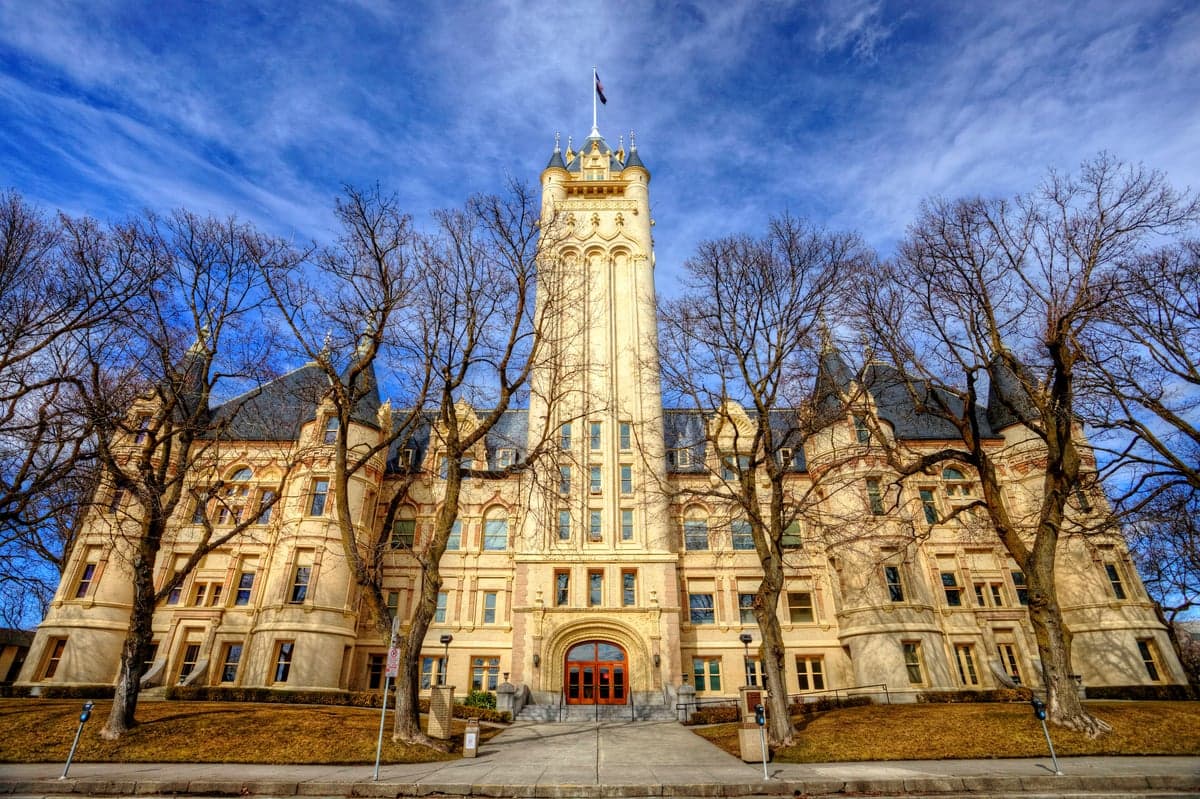
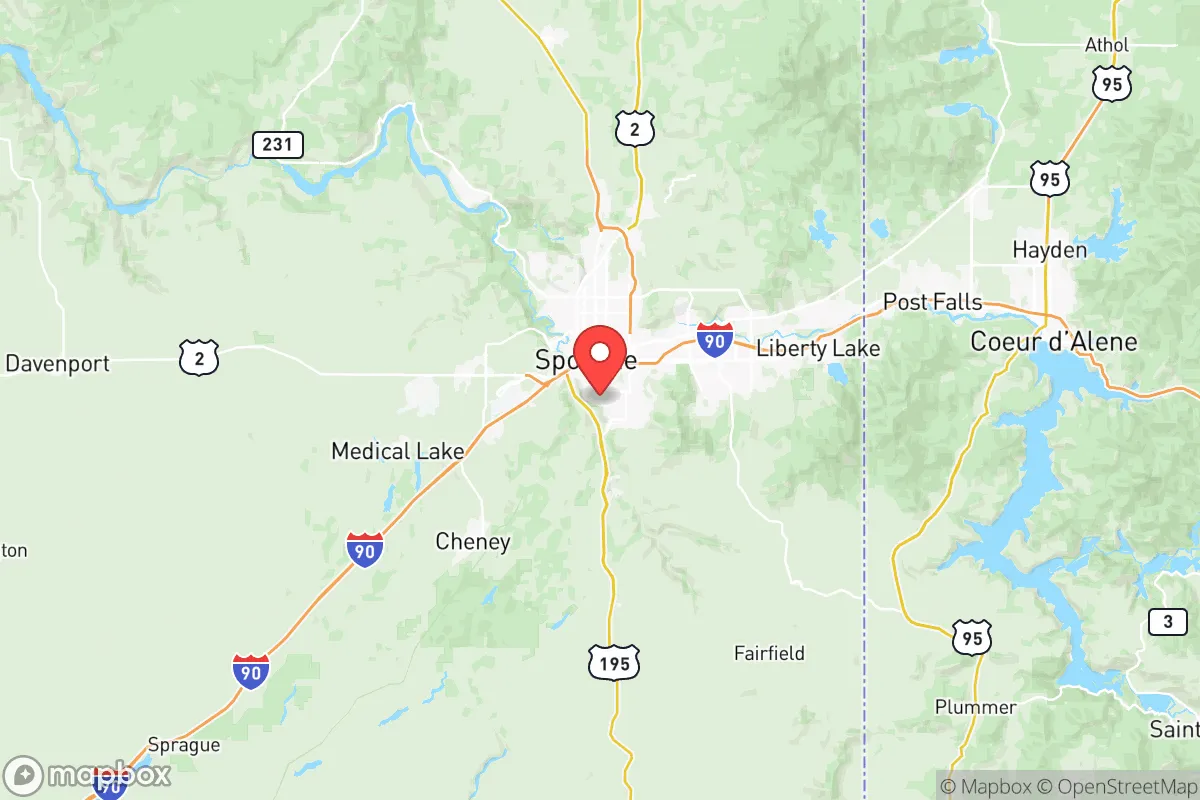
Spokane County feels like the last place in Washington where the old-school frontier independence still breathes – a mix of working‑class grit, outdoor obsession, and a quiet “we take care of our own” attitude. Home to 544,323 people spread from the city of Spokane out to small towns like Deer Park and Fairfield, the county offers an affordable alternative to Seattle or Portland without sacrificing big‑city amenities. Whether you’re a family looking for a yard and a good school zone or a single person tired of six‑figure rent elsewhere, Spokane County has a distinct rhythm that rewards self‑reliance and a love for the four seasons.
Where the Families and the Firearms Meet: Daily Life in Spokane County
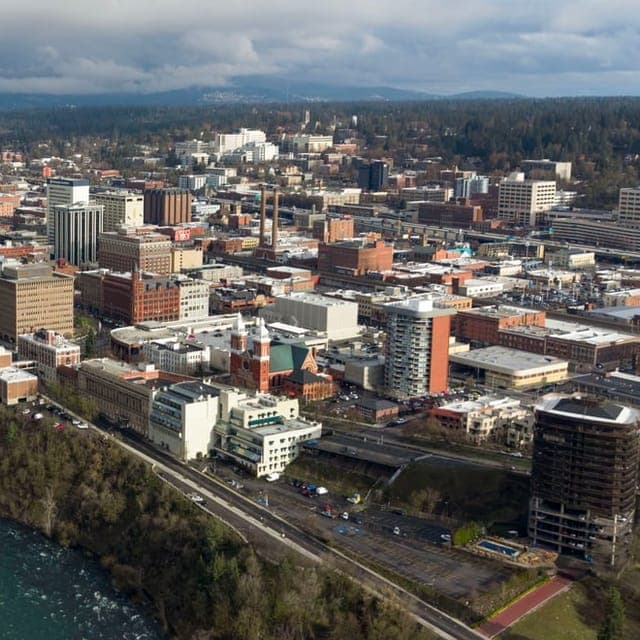
Daily life here moves on a slower, more predictable clock. The average commute clocks in at just 22.6 minutes, so you can actually leave for work and still have time for breakfast. Most people gravitate toward Spokane Valley for its newer subdivisions and big‑box shopping, Liberty Lake for lakefront living and golf‑course views, or Cheney for a quieter college‑town vibe anchored by Eastern Washington University. The median home value sits at $370,500 – roughly half of what you’d pay in King County – and the cost‑of‑living index of 114 means your dollar stretches further, especially if you’re willing to trade a gourmet coffee shop for a good hardware store.
Schools play a central role in community identity, especially in towns like Deer Park and Medical Lake, where Friday‑night football games still pack bleachers and the local elementary school doubles as a polling place and emergency shelter. About 32.1% of adults hold a college degree, so while the county isn’t a brain‑drain hub, it supports several colleges – Gonzaga University, Whitworth University, and Eastern – that pump young energy into Spokane’s downtown and Cheney’s Main Street. The median age of 38.2 means a solid mix of young families and empty‑nesters, not a transient rental crowd.
One notable cultural streak: this is gun country. You’ll see “Support the Second Amendment” signs on rural mailboxes near Fairfield and Rockford as often as you’ll see American flags. Church attendance is higher than the state average, and local politics lean Republican – the county voted overwhelmingly for Trump in 2020 and again in 2024, with Spokane Valley and Airway Heights consistently redder than the core city. That doesn’t mean everyone agrees, but the dominant tone is “live and let live, but keep your government small.”
Weekends, the Outdoors, and an Obsession with Basketball
Ask a Spokane County local what they do for fun, and the first answer is almost always something outside. Summer means floating the Spokane River, hiking the trails at Riverside State Park, or skiing Mount Spokane in winter. The county’s four distinct seasons – crisp falls, snowy winters, wet springs, and hot‑enough‑for‑the‑lake summers – shape the calendar. You’ll find families at Liberty Lake on July 4th watching fireworks over the water, and hunters heading east toward the Palouse in October.
Sports are a big deal. Gonzaga basketball dominates the local conversation from November through March – even casual fans head to downtown Spokane’s bars to watch Bulldogs games. The minor‑league Spokane Indians baseball team offers cheap family outings at Avista Stadium, and the Spokane Chiefs hockey team draws a loyal following of fans who appreciate a hard‑checking game. High school sports are especially fierce in Spokane Valley, where rivalries between Central Valley and University High School can fill a Friday night. The annual Hoopfest tournament in June turns downtown into a giant street‑basketball court – a tradition that feels like the county’s true unifying event.
When you need a night out, the local food scene punches above its weight. Frank’s Diner in a vintage railcar, The Flying Goat for wood‑fired pizza, and hidden breakfast spots in Cheney draw loyal regulars. The Spokane County Interstate Fair in September is a month‑long event that mixes livestock shows, carnival rides, and fried dough – exactly the kind of tradition that defines this area’s identity: unpretentious, family‑oriented, and community‑held.
What You’ll Love and What Might Grind Your Gears
Pros: Affordable housing. The median income of $73,513 supports a comfortable lifestyle with a yard and a garage. Four seasons. Genuine community in small towns from Deer Park to Medical Lake. Outdoor access year‑round. Low traffic compared to the west side – you can drive from Spokane Valley to downtown in 15 minutes. Strong sense of self‑reliance and neighbor‑help‑neighbor culture.
Cons: The violent crime rate of 281.8 per 100,000 is higher than the national average (roughly 270), concentrated in certain Spokane city neighborhoods. Property crime, especially vehicle break‑ins, frustrates residents even in safer suburbs like Liberty Lake. Winters can feel endless – grey skies and snow from November into March wear on some people. And while the job market is solid in healthcare, education, and manufacturing, white‑collar professional opportunities outside those fields are thinner than in larger metros. The political lean can feel stifling if you’re on the left, but for the conservative‑leaning audience this piece serves, that’s more a selling point than a downside.
Overall, Spokane County isn’t trying to be anyone’s idea of a hip destination. It’s a place where you can still buy a home on a single income, raise kids who know how to change a tire, and spend weekends on a river or in a deer stand. That straightforward, no‑frills identity is exactly what draws people here. And once you’ve watched a Gonzaga game in a packed pub or driven past wheat fields under a big Montana‑style sky, you’ll understand why newcomers stay.

* Values derived from national, state, county, city and local statistics and may differ in a specific area. Last updated: 2026-06-03T01:58:47.000Z
Narrative content on this page is AI-generated and may contain mistakes. Verify any details that matter before acting on them.
ReloMaps may earn a commission from affiliate links at no extra cost to you.

