 Popular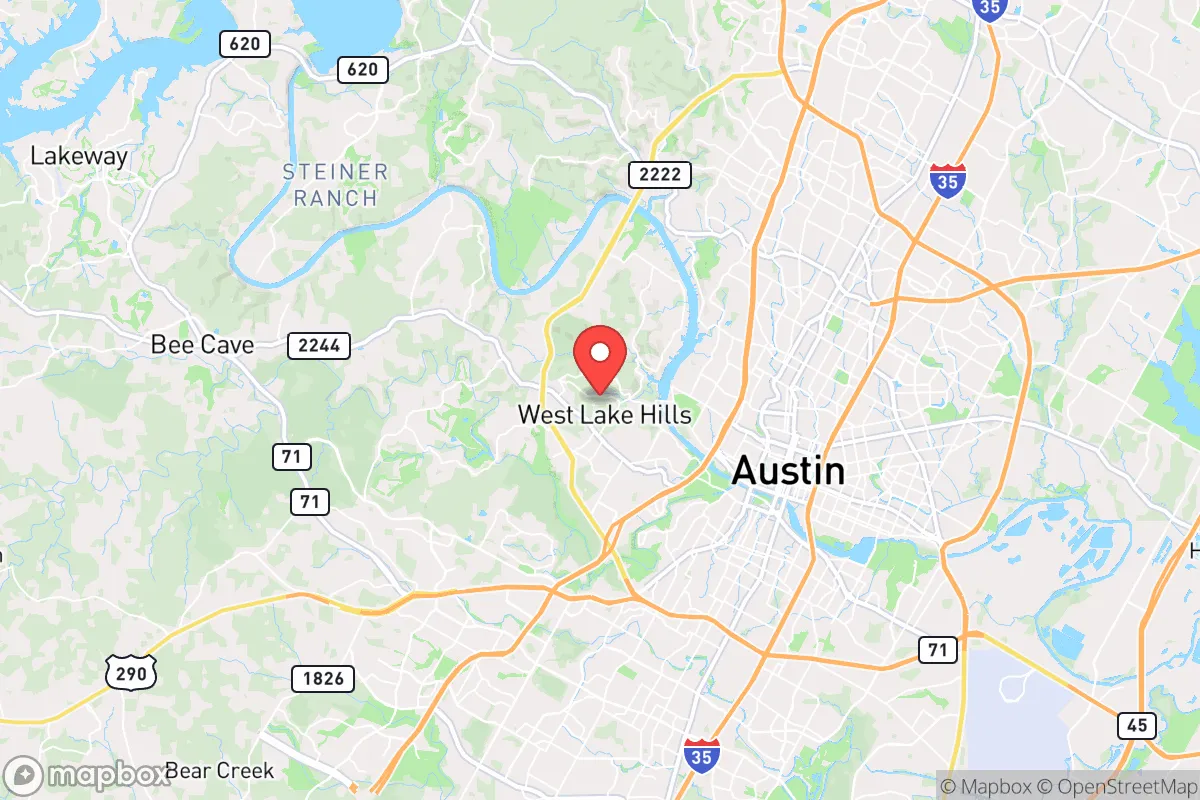
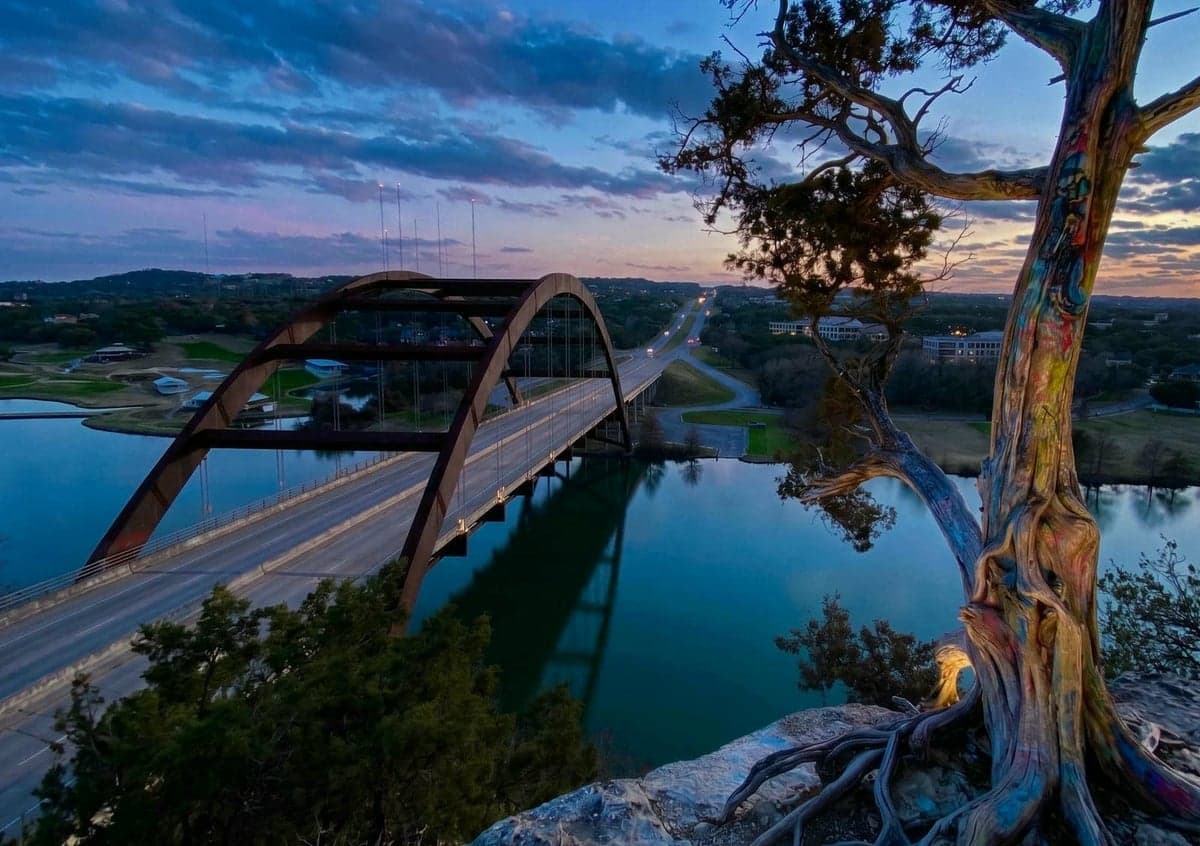
Photo: Made with AI
Political ClimatePolitical Climate in West Lake Hills, TX
District shown is the primary district for this city’s centroid. Cities may span multiple districts.
Local Political AnalysisPolitical Analysis of West Lake Hills, TX
West Lake Hills has always been a bit of an island, politically speaking, but the tide is shifting faster than most folks around here are comfortable with. The Cook PVI rating of D+26 tells you everything you need to know: this is one of the most reliably Democratic enclaves in all of Texas, and it's been trending that way for a while now. If you're coming from a place like nearby Lakeway or even parts of Bee Cave, where the politics lean more traditional, you'll notice the difference the second you start talking to neighbors or reading the local HOA newsletters.
How it compares
Drive ten minutes west to Rollingwood or even further out to Dripping Springs, and you're in a completely different world. Those areas still hold onto a more conservative, hands-off approach to government—lower taxes, fewer regulations, and a general distrust of Austin's progressive machine. West Lake Hills, by contrast, feels like an extension of Central Austin's political energy. The city council and local boards here have embraced policies that would make a lot of folks in the Hill Country wince: stricter environmental ordinances, density-friendly zoning tweaks, and a general openness to state-level overreach on things like property rights and school curriculum. It's not that everyone here is a hardcore progressive, but the voting patterns show a consistent 26-point Democratic lean, which means the loudest voices in local politics tend to push for more government involvement in daily life.
What this means for residents
For a long-time resident like me, the biggest concern is how this political climate affects your personal freedoms. We're seeing more layers of regulation on everything from how you can remodel your home to what kind of landscaping you can have. The city has gotten aggressive with tree preservation ordinances that can turn a simple backyard project into a bureaucratic nightmare. And the school board? Let's just say the conversations around curriculum and parental rights are getting tense. Property taxes are already high in Travis County, and the local appetite for new bond measures and special districts shows no sign of slowing down. If you value being left alone to live your life without a government official telling you what's best, West Lake Hills is starting to feel like a place where that's harder to do every year.
On the cultural side, you'll find a lot of neighbors who are friendly but politically cautious—people don't fly flags or put up yard signs the way they do in the more conservative suburbs. The local social scene is dominated by folks who work in tech, finance, or academia, and the conversations at the grocery store or the coffee shop tend to lean toward the latest city council meeting or the newest environmental initiative. The trajectory is clear: if you're looking for a community that pushes back against progressive overreach, you'll want to look further west. But if you're okay with a place where the government is deeply involved in your daily choices and the political winds keep blowing left, West Lake Hills might still feel like home—for now.

State Political ClimatePolitical Climate in Texas
State Political AnalysisPolitical Environment in the State
Texas remains a solidly Republican state, but the margins have tightened noticeably over the past decade. In 2024, Donald Trump won Texas by roughly 9 points, down from 11 points in 2020 and 16 points in 2016. The dominant coalition is still conservative—rural voters, suburban families, and energy-sector workers—but explosive growth in the blue-leaning metros of Austin, Dallas, Houston, and San Antonio is slowly shifting the state’s political center of gravity. The long-term trajectory is a slow squeeze on the GOP’s advantage, though the state remains far from competitive at the statewide level for now.
Urban vs. rural divide
The political map of Texas is a tale of two landscapes. The vast rural expanse—places like Lubbock, Amarillo, and the Permian Basin—votes overwhelmingly Republican, often by 70-80% margins. These areas are the backbone of the state’s conservative identity, driven by oil, agriculture, and a deep distrust of federal overreach. Meanwhile, the major metros are the engine of Democratic growth. Austin is the most liberal city in the state, with Travis County delivering a 50-point margin for Biden in 2020. Dallas and Houston are more moderate but trending left, especially in their inner suburbs. The real battleground is the suburban ring around these cities—places like Collin County (north of Dallas) and Fort Bend County (southwest of Houston) that were once GOP strongholds but are now competitive. Collin County voted for Trump by only 6 points in 2024, down from 15 points in 2016. This suburban shift is the single biggest factor in Texas’s political evolution.
Policy environment
Texas’s policy environment is a mixed bag for conservatives. On the plus side, there is no state income tax—a huge draw for families and businesses. Property taxes are high (among the top 10 in the nation), but the 2023 property tax reform package (SB 2) cut rates by roughly 15% and raised the homestead exemption to $100,000. The regulatory posture remains business-friendly, with minimal red tape on energy, construction, and manufacturing. On education, the state has expanded school choice through the 2023 creation of education savings accounts (ESAs) for special-needs students, though a broader voucher program remains stalled. Healthcare policy is a mixed bag: Texas did not expand Medicaid, keeping costs lower for taxpayers, but rural hospitals are struggling. Election laws tightened after 2020 with SB 1, which banned drive-through voting and added ID requirements for mail ballots—a move that drew fire from the left but was praised by conservatives as election integrity. The state also passed a near-total abortion ban (trigger law) in 2021, which remains in effect. For a conservative family, the policy environment is largely favorable, but the property tax burden and the slow creep of blue-leaning suburban policies (like local zoning fights) are worth watching.
Trajectory & freedom
On personal liberty, Texas has been a mixed bag over the last five years. The good news: the state expanded gun rights significantly with permitless carry (HB 1927) in 2021, allowing law-abiding adults to carry a handgun without a license. Parental rights were strengthened with the 2023 “Parental Bill of Rights” (HB 900), which requires school libraries to get parental consent for certain materials and restricts instruction on sexual orientation in elementary grades. Medical autonomy took a hit with the abortion ban, but the state also passed a law (SB 25) in 2023 protecting doctors who refuse to perform gender-transition procedures on minors. On the concerning side, the state’s response to COVID-19 was heavy-handed in some areas—local mandates in Austin and Dallas lasted longer than many conservatives liked, though Governor Abbott eventually banned vaccine mandates for private employers (2021). Property rights remain strong, with no statewide rent control and minimal eminent domain abuse. The trajectory is toward more freedom on guns and family issues, but the growing urban population is pushing for more regulation on housing and environmental issues. The 2023 “Texas Privacy Act” (HB 1816) also restricted government surveillance of personal data, which was a win for privacy advocates.
Civil unrest & political movements
Texas has seen its share of political flashpoints. The 2020 protests in Austin and Houston over George Floyd’s death were large and sometimes violent, leading to property damage and a lasting distrust of local law enforcement in those cities. The “Defund the Police” movement gained traction in Austin briefly, but was reversed after a spike in violent crime. On the right, the “Texas Nationalist Movement” (Texit) has gained some traction, with a 2022 poll showing 18% support for secession—mostly rhetorical, but a sign of frustration with federal overreach. Immigration politics are a constant flashpoint: Governor Abbott’s “Operation Lone Star” has bused migrants to northern cities and installed razor wire along the border, drawing lawsuits from the Biden administration. The 2023 SB 4 law, which allows state police to arrest illegal border crossers, is currently tied up in court. Election integrity remains a hot-button issue, with the 2020 audit of Harris County (Houston) finding irregularities but no widespread fraud. A new resident will notice the border debate everywhere—on billboards, in local news, and in everyday conversation. The political movements are loud but mostly non-violent, though the tension between urban and rural Texas is palpable.
Projection
Over the next 5-10 years, Texas will continue to trend purple, but not flip. The in-migration of 1,000+ people per day—many from California and New York—is slowly diluting the conservative base. The suburbs of Dallas and Houston will become the key battlegrounds, with places like Collin County and Fort Bend County likely becoming swing counties by 2030. The rural vote will remain rock-solid Republican, but its share of the electorate will shrink as the state urbanizes. On policy, expect more fights over school choice, property tax relief, and water rights (the state is running dry in some areas). The 2025 legislative session will likely see a push for a broader ESA program and a crackdown on local zoning that restricts housing supply. The border issue will remain a top concern, with the state likely to continue its aggressive posture regardless of who is in the White House. For a conservative moving in now, the state will still feel very red in 2030, but the cultural and political battles will intensify. The freedom to live without a state income tax and with strong gun rights will remain, but the urban centers will become more progressive, and the state government will face increasing pressure to spend on infrastructure and education.
For a new resident, the bottom line is this: Texas is still a great bet for conservatives who value low taxes, gun rights, and a business-friendly environment. But the state is not static. If you’re moving to Austin or the inner suburbs of Dallas, expect to live in a blue bubble where your values are increasingly in the minority. If you choose a smaller city like Lubbock or the Permian Basin, you’ll find a community that feels like the Texas of 20 years ago. The key is to pick your location carefully—the political climate varies wildly within the state. The trajectory is toward more competition, more friction, and more local fights over schools, zoning, and policing. But for now, Texas remains one of the last bastions of conservative governance at the state level, and that’s unlikely to change in the next decade.
* Values derived from national, state, county, city and local statistics and may differ in a specific area. Last updated: 2026-04-24T05:58:57.000Z
Narrative content on this page is AI-generated and may contain mistakes. Verify any details that matter before acting on them.
ReloMaps may earn a commission from affiliate links at no extra cost to you.

