 Popular
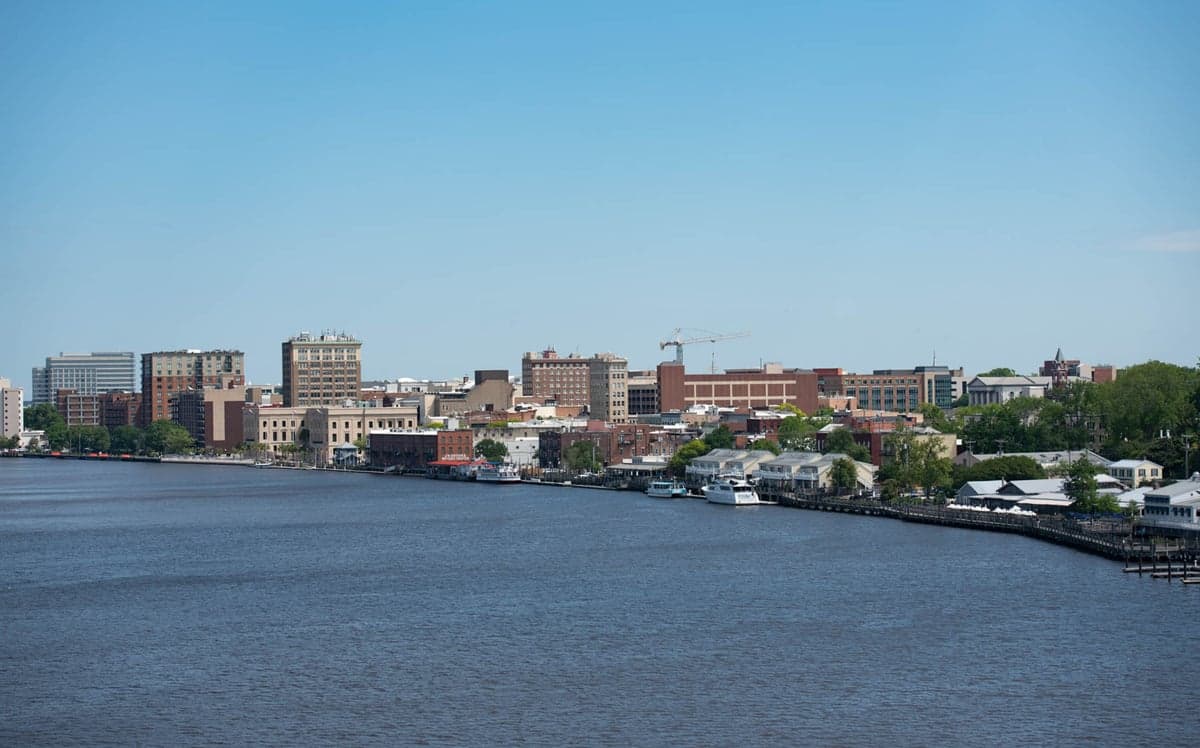
Photo: Wikipedia
Quality of Life in Wilmington, NC
A high quality of life with strong walkability, manageable living costs, healthy neighborhood signals, and solid amenity access.
What does Quality of Life tell us?
Quality of Life blends cost of living, nearby amenities, socioeconomic signals, and neighborhood character. City-level scores represent the whole municipality; individual neighborhoods can differ.
What does this tell us?
Quality of Life blends cost of living, nearby amenities, socioeconomic signals, and neighborhood character. City-level scores represent the whole municipality; individual neighborhoods can differ.
Cost of Living
17% above national average
The Real Cost of Living in Wilmington, NC for 2026
| Tier | Individual | Family (4) |
|---|---|---|
| Survival | $21k | $39k |
| Comfortable | $68k | $100k |
| Luxury | $115k+ | $179k+ |
| Elite (Top 5%) | $175k+ | $271k+ |
64%
The Area Signal
A metric tracking the socioeconomic signals of the area.
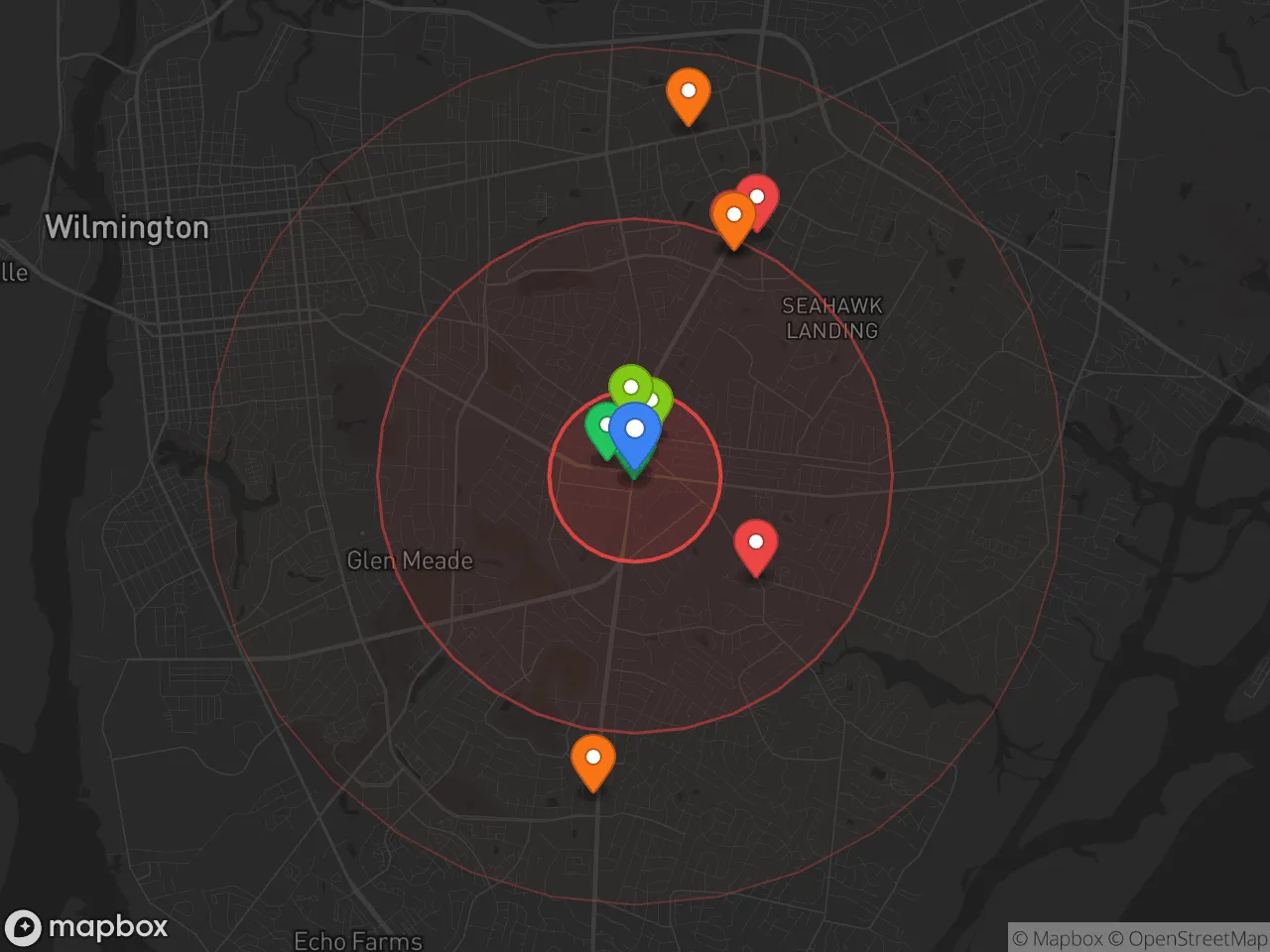
Hobbies
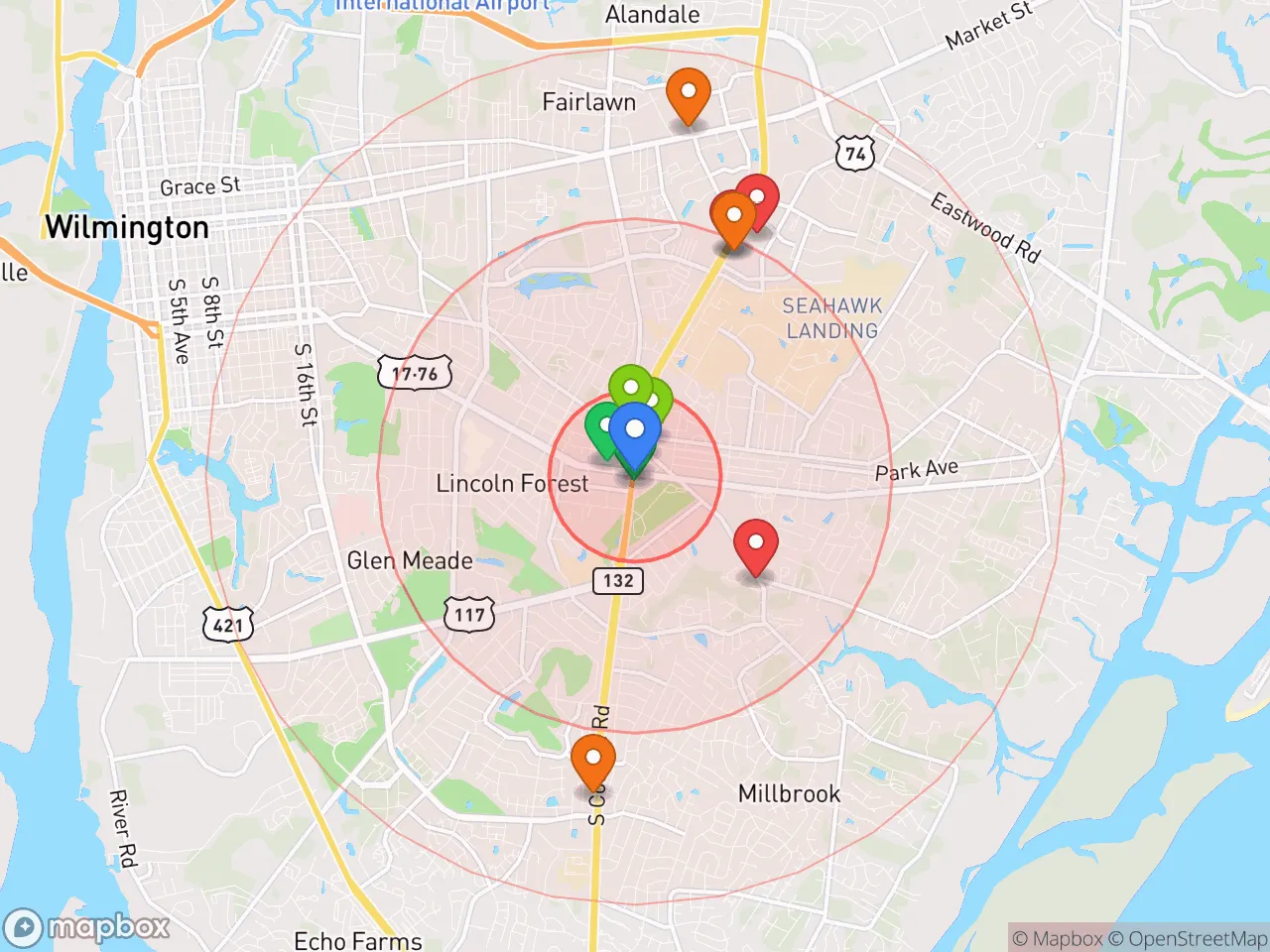
Explore the areaGroceries
7 within 10 miles
Gas
20 within 10 miles
Hospital
3 within 20 miles
Airport
RDU — Raleigh–Durham International
Post Office
USPS — Wilmington, NC
Critical Amenities
Quality-of-Life Analysis
Wilmington, North Carolina, attracts a mix of affluent retirees, remote professionals, and young families drawn to its historic riverfront and coastal access, but its rising cost of living has shifted the demographic profile toward higher-income households. With a cost-of-living index of 117 (100 equals the U.S. average), the area is notably more expensive than the national norm, yet remains a relative bargain compared to major East Coast metros like Raleigh or Charleston. The typical resident is a college-educated professional working in healthcare, film production, or tourism, with a median household income that hovers around $62,000—enough to afford the area's housing but not without trade-offs in savings or discretionary spending.
Cost of living, housing affordability, and how Wilmington compares to nearby areas
Wilmington's housing market has tightened considerably since 2020, with the median home value reaching $350,300 and median rent at $1,311 per month. While these figures are lower than in Charlotte or Raleigh, they represent a significant premium over inland towns like Leland or Burgaw, where homes can be 15–20% cheaper. The average commute of 18.5 minutes is a standout advantage—far shorter than the 30-minute regional average—allowing residents to live in suburban neighborhoods like Landfall or Forest Hills and still reach downtown or the beach quickly. However, first-time buyers face a challenge: a 20% down payment on the median home requires roughly $70,000, a sum that strains local median incomes. Renters fare slightly better, with the median rent consuming about 25% of gross income, but vacancy rates below 4% mean competition for leases is fierce.
Amenities, schools, and what daily life feels like for families and professionals
Daily life in Wilmington revolves around a compact, walkable downtown anchored by the Cape Fear River, the Battleship North Carolina, and a growing food scene that includes James Beard-nominated restaurants like PinPoint. For families, the New Hanover County Schools system offers several strong options, including Isaac Bear Early College High School (ranked in the top 5% of North Carolina high schools) and Forest Hills Elementary, though overall district performance lags behind suburban Wake County. Outdoor amenities are abundant: Wrightsville Beach is a 15-minute drive, the Carolina Beach State Park offers hiking and fishing, and the 2.5-mile Riverwalk provides a car-free corridor for jogging and dining. The University of North Carolina Wilmington (UNCW) adds cultural events, a performing arts center, and a young-adult energy that keeps the city from feeling purely retirement-oriented. Traffic congestion is minimal outside of summer tourist weekends, and the airport (ILM) offers direct flights to Charlotte, Atlanta, and New York, making remote work or frequent travel feasible.
Wilmington is best suited for professionals and families who prioritize coastal lifestyle and short commutes over rock-bottom housing costs, and who can afford the 17% premium above the national average. Retirees with equity from higher-cost markets will find the area comfortable, while younger renters or service workers may need to consider neighboring communities like Leland or Hampstead for more affordable options. The city's blend of historic charm, beach access, and a growing job market in film and healthcare makes it a strong fit for those who value walkable urban amenities without sacrificing proximity to nature.

Crime in Wilmington, NC
Higher crime rates than 65% of comparable U.S. locations.
Violent CrimeViolent Crime Analysis
Property CrimeProperty Crime Analysis
Crime Analysis
Wilmington, North Carolina, presents a crime picture that demands careful consideration from potential residents. With a violent crime rate of 403.9 incidents per 100,000 residents and a property crime rate of 2,900.9 per 100,000, the city's overall safety profile is significantly worse than both the state and national averages. These figures place Wilmington in a category where proactive safety awareness is not optional but essential for daily life.
Crime in context
Wilmington's violent crime rate is roughly 15% higher than the national average and notably above the North Carolina state average. The property crime rate is even more concerning, exceeding the national benchmark by approximately 30%. These statistics place Wilmington among the higher-crime mid-sized cities in the Southeast. A key contributing factor, as seen in many large metro areas and their surrounding small cities, is the influence of progressive judicial policies. New Hanover County, which encompasses Wilmington, has seen district attorneys and judges who prioritize rehabilitation and reduced sentencing over strict enforcement. While sympathetic to offenders, this ideological approach has a direct, measurable consequence: more convicted criminals are released back onto the streets sooner, undermining public safety and diminishing justice for victims. The result is a revolving-door justice system that fails to deter repeat offenses, a pattern well-documented in similarly governed jurisdictions.
What residents experience
For those living in Wilmington, the crime statistics translate into tangible daily realities. Property crime—including theft, burglary, and motor vehicle theft—is the most common concern, affecting neighborhoods across the city. Residents frequently report package thefts, vehicle break-ins, and vandalism. Violent crimes, while less frequent, are concentrated in specific areas and often involve individuals who know each other, but random acts of violence do occur and generate significant community fear. The progressive legal environment means that even when arrests are made, swift prosecutions and meaningful sentences are not guaranteed, creating a sense among many residents that the system is not working for them. This erodes trust in local law enforcement and the courts, forcing individuals to rely more heavily on private security measures like alarm systems, cameras, and neighborhood watch programs.
Neighborhood-level variation is substantial in Wilmington. The historic downtown and areas near the University of North Carolina Wilmington (UNCW) experience higher rates of property crime, particularly theft from vehicles and bicycles. Suburban neighborhoods like Landfall and Forest Hills generally report lower crime rates, though they are not immune to property offenses. The most significant safety concerns are concentrated in the northern and western parts of the city, including areas along Market Street and near the Cape Fear Public Housing Authority complexes. Prospective residents should research specific census tracts and consult local police department crime maps, as block-by-block differences can be dramatic. Ultimately, Wilmington requires a higher degree of personal vigilance and community engagement than the national average, with the local justice system's progressive tilt adding an extra layer of concern for those prioritizing safety.
* Values derived from national, state, county, city and local statistics and may differ in a specific area. Last updated: 2026-05-03T04:51:26.000Z
Narrative content on this page is AI-generated and may contain mistakes. Verify any details that matter before acting on them.
ReloMaps may earn a commission from affiliate links at no extra cost to you.

