 Popular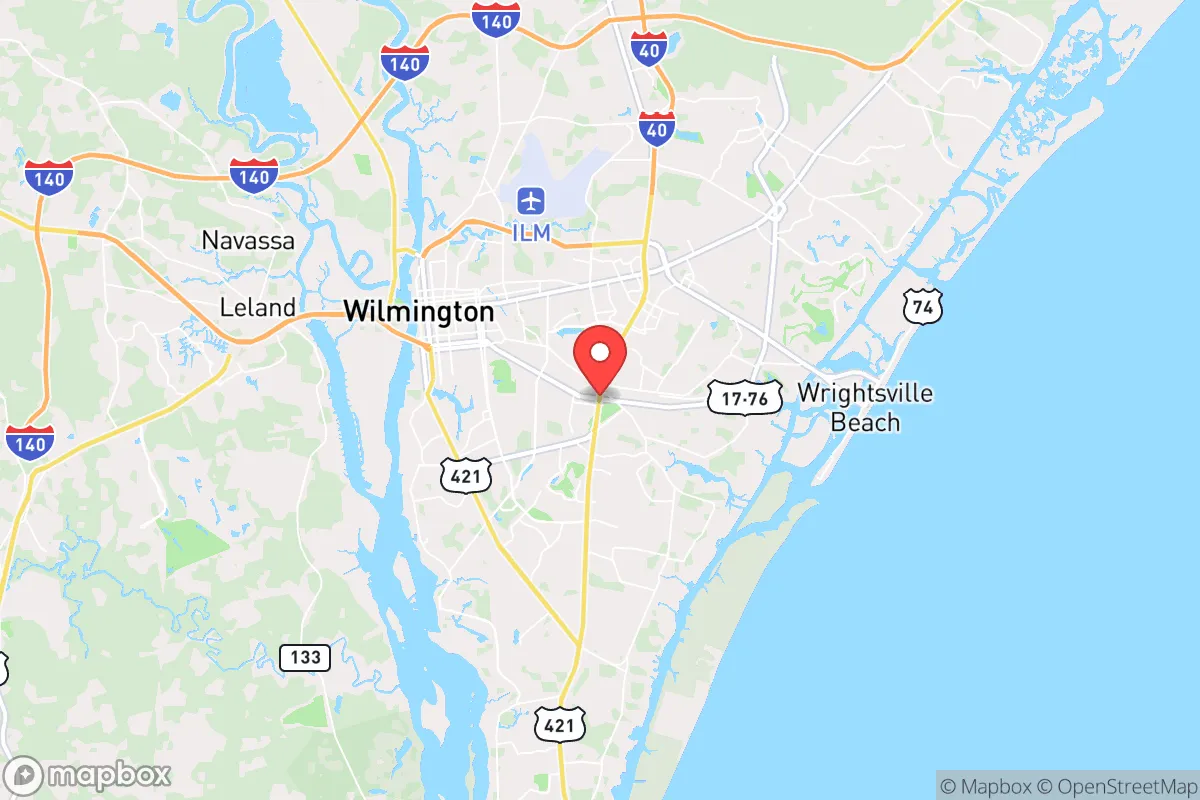
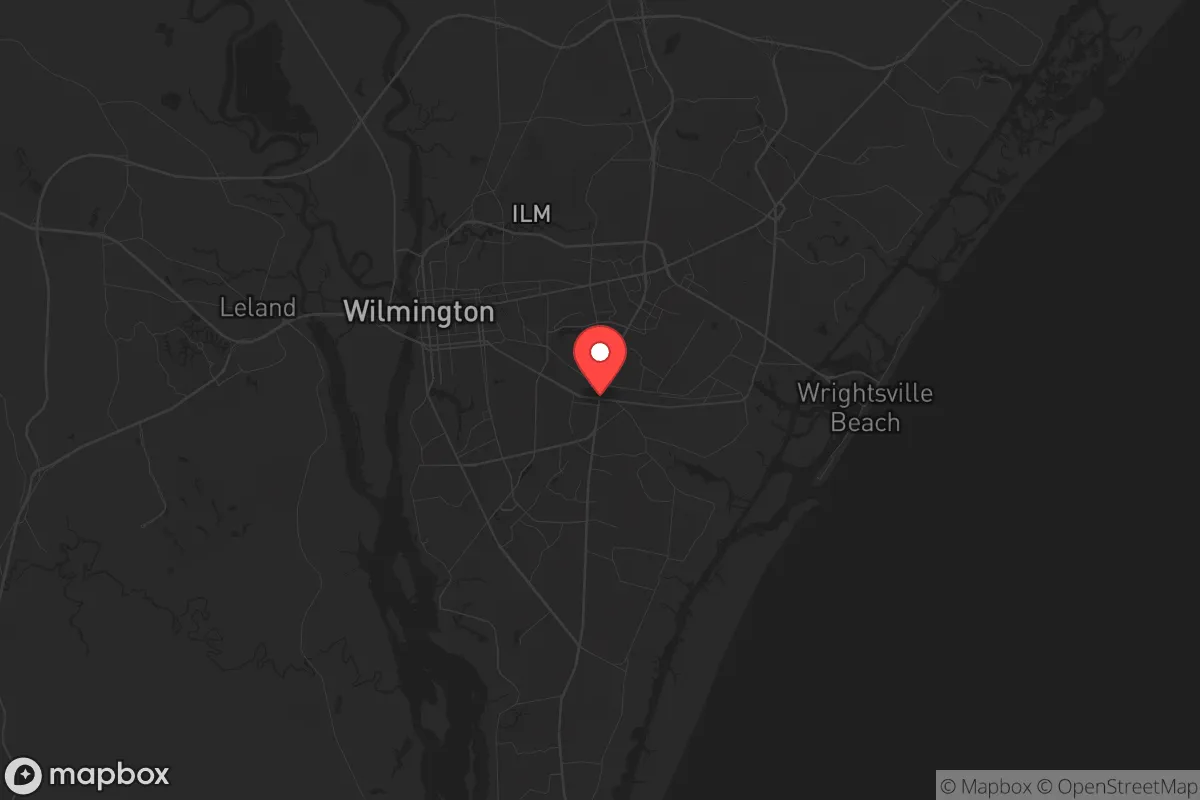
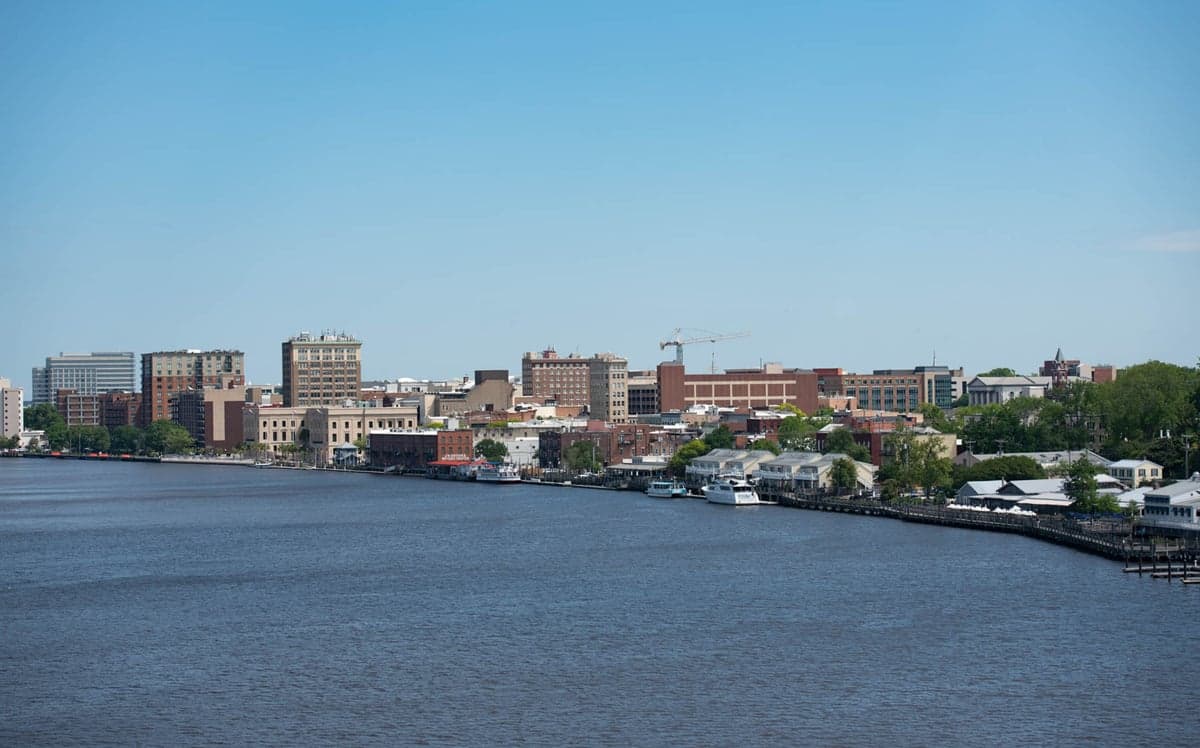
Photo: Wikipedia
Political ClimatePolitical Climate in Wilmington, NC
District shown is the primary district for this city’s centroid. Cities may span multiple districts.
Local Political AnalysisPolitical Analysis of Wilmington, NC
Wilmington, North Carolina, has long been a conservative stronghold in a state that's increasingly a political battleground, but the winds of change are blowing through the Port City in ways that have long-time residents like me keeping a close eye on things. The Cook PVI rating of R+7 tells you the district still leans Republican, but that number feels a little less solid every election cycle. You can see the shift in the city proper, where a wave of new arrivals from the Northeast and Midwest is slowly nudging the local culture and politics in a more progressive direction, while the surrounding suburbs and rural areas of New Hanover County remain firmly red.
How it compares
To really understand Wilmington's political climate, you have to look at the contrast with its neighbors. Drive 20 minutes north to Leland or Hampstead, and you're in deep-red territory where conservative values on taxes, gun rights, and limited government are still the unquestioned norm. Those areas are growing fast, too, but they're attracting a different crowd—families and retirees looking for more space and less government overreach. Meanwhile, Wilmington itself is becoming a bit of an island. It's not as liberal as Asheville or Chapel Hill, but it's definitely trending that way compared to the rest of southeastern North Carolina. The city council races are getting tighter, and you're starting to see more debates about things like zoning density, historic district restrictions, and even local ordinances that feel like they're creeping into personal choices.
What this means for residents
For those of us who've been here a while, the biggest concern is the slow erosion of the live-and-let-live attitude that made Wilmington such a great place. We're seeing more push for government involvement in areas that used to be left to personal responsibility—whether it's stricter noise ordinances downtown, debates over short-term rental regulations that feel like an overreach into property rights, or the constant chatter about "equity" initiatives that sound good on paper but often mean more bureaucracy and less freedom. The tax burden is still manageable compared to the Northeast, but you can feel the pressure building as the city tries to fund infrastructure for all the new people. The real worry is that if the progressive trend continues, we'll end up with the same kind of over-regulation and high cost of living that drove people away from places like New York and California in the first place.
One thing that still sets Wilmington apart is its strong military and veteran presence, which keeps a conservative backbone in the community. The local economy is heavily tied to the port, film industry, and tourism, and most folks here understand that government overreach hurts business. But the cultural shift is real—you see it in the local paper's editorial page, in the kinds of candidates running for school board, and in the increasing number of "slow down" and "rethink growth" signs in yards. If you're considering a move here, just know that the Wilmington of 2026 is not the Wilmington of 2010. The political climate is becoming more contested, and the days of it being a reliably conservative haven are fading. For now, the surrounding county still keeps things balanced, but I'd keep a close watch on those city council elections if you value your personal freedoms.

State Political ClimatePolitical Climate in North Carolina
State Political AnalysisPolitical Environment in the State
North Carolina has long been considered a quintessential swing state, but over the past decade, its political center of gravity has shifted noticeably to the right, driven by a powerful coalition of rural conservatives and suburban families fleeing progressive policies in other states. The state voted for Donald Trump in both 2016 and 2024, and while the margins are tight—often within 1-3 points—the underlying trend is one of cautious, steady conservatism, especially in the Piedmont and coastal regions. The dominant political dynamic is a tug-of-war between a rapidly growing, left-leaning Research Triangle (Raleigh-Durham-Chapel Hill) and the rest of the state, which has become more reliably Republican as transplants from the Northeast and California bring their political baggage with them.
Urban vs. rural divide
The political map of North Carolina is a study in contrasts. The urban cores of Charlotte (Mecklenburg County) and the Research Triangle (Wake, Durham, and Orange counties) are deep blue, powered by banking, tech, and university populations. These metros vote 65-70% Democratic and are the engine of the state's leftward push. However, the rest of the state is a sea of red. The rural eastern counties, like Robeson and Cumberland, are more competitive due to significant African American and Lumbee Native American populations, but the vast majority of the 100 counties—especially in the west and central Piedmont—vote Republican by double digits. A key battleground is the suburban ring around Charlotte, places like Union County and Cabarrus County, which have flipped from purple to solid red as families moved in for lower taxes and better schools. The I-40 corridor from Greensboro to Winston-Salem is a mixed bag, with Forsyth County (Winston-Salem) trending blue but surrounding counties like Davidson and Randolph staying deeply conservative. The real story is the exurban growth in Johnston County (south of Raleigh) and Brunswick County (south of Wilmington), where new arrivals are overwhelmingly conservative-leaning, tilting the state's overall balance.
Policy environment
North Carolina's policy environment is a mixed bag for conservatives, but the trend is positive. The state has a flat income tax rate of 4.5%, which is scheduled to drop to 3.99% by 2027 under legislation passed by the Republican supermajority. There is no state tax on Social Security income, a major draw for retirees. The regulatory climate is business-friendly, with a right-to-work law and a relatively low corporate tax rate of 2.5%. On education, the state has a robust school choice program, including Opportunity Scholarships (vouchers) that can be used at private and religious schools, and a growing charter school sector. However, the state's public school system remains heavily union-influenced in urban areas, and the State Board of Education has been a flashpoint over curriculum and parental rights. Healthcare is a sore spot: the state expanded Medicaid in 2023 under a bipartisan deal, which many conservatives saw as a step toward government overreach, though it did include work requirements and a sunset clause. Election laws are relatively strong—voter ID is required, and the state has fought off multiple legal challenges to its photo ID law. The Republican-controlled General Assembly has also passed laws limiting the governor's emergency powers (after COVID overreach) and restricting abortion to 12 weeks, with exceptions for rape, incest, and fetal anomalies.
Trajectory & freedom
North Carolina is becoming more free in several key areas, but the fight is ongoing. The most significant recent win for personal liberty was the 2023 repeal of the state's pistol purchase permit system, which had required a sheriff's approval for handgun purchases—a relic of Jim Crow-era gun control. The state now has permitless concealed carry for adults 18 and older, and a strong "stand your ground" law. On parental rights, the 2023 "Parents' Bill of Rights" (HB 755) requires schools to notify parents of any changes in a child's health or well-being, and prohibits instruction on gender identity and sexuality in K-4 classrooms. This was a direct response to overreach by left-leaning school boards in Wake County and Chapel Hill-Carrboro. However, there are warning signs. The state's medical autonomy took a hit with the 2023 Medicaid expansion, which many see as a foot in the door for single-payer healthcare. Property rights are generally strong, but local zoning battles in fast-growing areas like Asheville and Wilmington have seen cities impose rent control and inclusionary zoning mandates, which conservatives view as government overreach. The biggest threat to freedom is the influx of out-of-state voters who bring big-government habits—the state's trajectory depends on whether new arrivals assimilate to North Carolina's culture of limited government or try to change it.
Civil unrest & political movements
North Carolina has seen its share of political flashpoints, but the level of civil unrest is lower than in states like Oregon or New York. The most visible left-wing activism is centered in Durham and Chapel Hill, where groups like the Durham Beyond Policing coalition have pushed for defunding the police and removing historical monuments. The 2020 protests in Raleigh and Charlotte were large but largely peaceful, though there were instances of property damage and looting in downtown Raleigh. On the right, the NC GOP and grassroots groups like Carolina Journal have been effective at organizing around election integrity and school board races. The state has been a battleground over immigration: while there are no sanctuary cities, Orange County (Chapel Hill) and Durham County have declared themselves "welcoming" jurisdictions, refusing to cooperate fully with ICE. This has led to legislative pushback, including a 2015 law requiring sheriffs to honor ICE detainers, which is currently tied up in court. Election integrity remains a hot topic—the 2020 and 2024 elections saw razor-thin margins, and the state's absentee ballot process was a source of controversy, leading to stricter rules on ballot harvesting and drop box locations. A new resident would notice the strong presence of "Don't Tread on Me" flags and "Thin Blue Line" decals in rural areas, contrasted with "Black Lives Matter" and "Pride" flags in college towns—the cultural divide is real and visible.
Projection
Over the next 5-10 years, North Carolina is likely to become more conservative at the state level, but the margin for error is shrinking. The key demographic driver is the influx of conservative-leaning families from California, New York, and Illinois, who are moving to places like Wake Forest, Holly Springs, and Leland (near Wilmington). These are not the same as the tech workers moving to downtown Raleigh—they are often remote workers or retirees who chose North Carolina specifically for its lower taxes, gun rights, and school choice. The Republican supermajority in the General Assembly is likely to hold through the 2030 redistricting cycle, meaning the state will continue to pass conservative legislation on taxes, education, and election integrity. However, the urban cores will keep getting bluer, and the state's electoral votes will remain competitive. The biggest wildcard is the Charlotte and Raleigh suburbs: if they continue to trend right, the state will become solidly red; if they flip left, North Carolina could become a second Virginia. For now, the momentum is with conservatives, especially if the state can keep its housing affordable and its schools free from progressive indoctrination.
For a new resident, the bottom line is this: North Carolina is a state where your personal freedoms are generally respected, but you have to be vigilant. The state government is a reliable check on local overreach, especially in blue cities like Asheville and Durham. You'll find lower taxes, strong gun rights, and a growing school choice ecosystem. But you'll also see the same cultural battles playing out in school board meetings and county commissions that you see nationally. If you're moving here, choose your county carefully—stick to the exurbs and rural areas if you want to avoid the progressive drift, and get involved in local politics to keep the state on the right track. North Carolina is still a place where your vote matters, and where conservative values can win the day if good people show up.
* Values derived from national, state, county, city and local statistics and may differ in a specific area. Last updated: 2026-05-03T04:51:26.000Z
Narrative content on this page is AI-generated and may contain mistakes. Verify any details that matter before acting on them.
ReloMaps may earn a commission from affiliate links at no extra cost to you.

