Political ClimatePolitical Climate in Windsor, FL
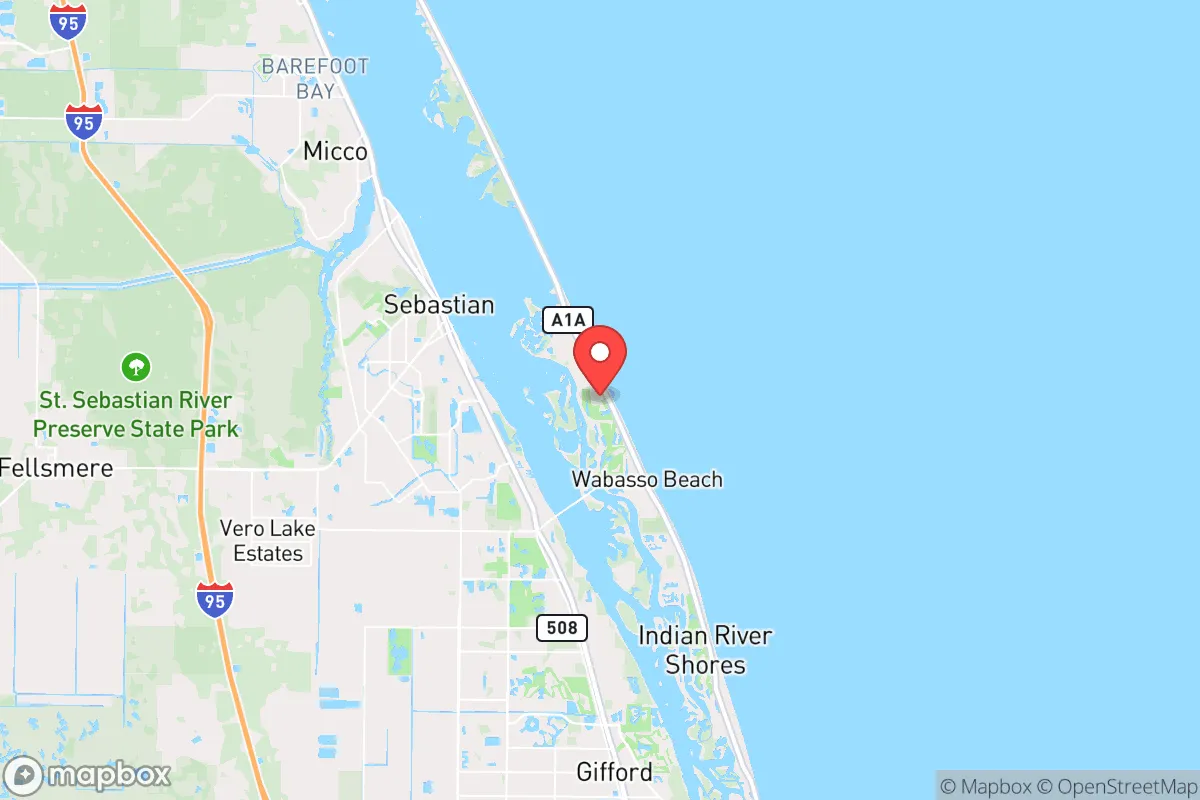
District shown is the primary district for this city’s centroid. Cities may span multiple districts.
Local Political AnalysisPolitical Analysis of Windsor, FL
Windsor, Florida, is a place where the political climate leans heavily conservative, and it’s been that way for as long as I can remember. The Cook Partisan Voting Index (PVI) for this area is R+11, which is a solid six points more Republican than the state of Florida as a whole, which sits at R+5. That’s not just a number—it reflects a community that values limited government, personal responsibility, and a no-nonsense approach to local governance. Over the past decade, Windsor has held steady, resisting the kind of progressive drift you see in places like Gainesville or even parts of Orlando. The local elections and county-level decisions consistently favor candidates who prioritize keeping government out of your business, whether that’s on property rights, school choices, or Second Amendment protections. If you’re looking for a place where the political winds haven’t shifted toward the kind of overreach you see in more urbanized areas, Windsor is a solid bet.
How it compares
Compared to the rest of Florida, Windsor is a conservative stronghold. The state’s R+5 PVI already leans Republican, but Windsor’s R+11 puts it in a different league—think of it like the difference between a quiet, rural county and a bustling, mixed-voting suburb. Nearby towns like Micanopy or parts of Alachua County, for instance, have seen a noticeable uptick in progressive activism in recent years, with local governments pushing for stricter regulations on housing, energy, and even how you can use your own land. Windsor, by contrast, has kept that at bay. The surrounding area, including the broader Alachua County, has a more mixed political landscape—Gainesville itself is a blue dot in a red region—but Windsor’s voters have consistently rejected the kind of top-down mandates that come with progressive policies. It’s a place where the local sheriff’s office isn’t afraid to push back on state-level overreach, and where town hall meetings are more about practical solutions than ideological grandstanding.
What this means for residents
For folks living here, the political climate translates into a daily life with fewer headaches from government interference. You’re less likely to see zoning laws that dictate what you can build on your property, or school board policies that prioritize social experiments over academic basics. The tax burden is kept in check, and there’s a general understanding that your personal freedoms—whether it’s how you raise your kids, what you drive, or how you protect your home—aren’t up for debate at the county commission level. That said, there’s a growing concern among long-time residents about the slow creep of progressive ideas from the state capital and larger cities. We’ve seen how places like Tallahassee or Miami-Dade have started to embrace policies that feel more like control than common sense—mandates on energy use, for example, or attempts to limit firearm rights. In Windsor, the community stays vigilant, but the worry is that if the state shifts further left, even a conservative enclave like this could feel the squeeze.
Culturally, Windsor stands apart from the rest of Florida in a few key ways. There’s a stronger emphasis on local decision-making—neighbors know each other, and there’s a sense that the people running the town are accountable to you, not to some distant party line. You won’t find the kind of performative activism you see in college towns or coastal cities; instead, the focus is on practical stuff like keeping roads paved, schools safe, and taxes low. The policy distinctions are clear: Windsor has resisted the push for “equity” initiatives that often come with higher spending and less transparency, and there’s a healthy skepticism of federal or state programs that promise help but deliver red tape. If you’re someone who values the freedom to live your life without a bureaucrat looking over your shoulder, Windsor is a place where that’s still the norm—and where the fight to keep it that way is taken seriously.

State Political ClimatePolitical Climate in Florida
State Political AnalysisPolitical Environment in the State
Florida is a solidly Republican state with a Cook PVI of R+5, but it’s not a monolith—it’s a battleground of transplants, retirees, and young families that has shifted rightward over the past two decades. The dominant coalition is a mix of conservative-leaning seniors, suburban families, and exiles from blue states, especially New York and California, who have driven a 10-20 year trajectory from a classic swing state to a reliably red one. If you’re looking for a place where personal freedom and limited government are still the default, Florida is one of the few states that has actually moved in that direction since 2020.
Urban vs. rural divide
The political map of Florida is a tale of three regions: the deep-red rural north and Panhandle, the purple-to-blue urban corridors, and the increasingly red suburbs and exurbs. Miami-Dade County, once a Democratic stronghold, has been trending right—in 2024, Trump won it by a narrow margin, a seismic shift driven by Cuban and Venezuelan voters who despise socialism. Tampa and Orlando remain blue-leaning, but their suburbs—like Wesley Chapel, Lakeland, and St. Cloud—are now reliably Republican. Jacksonville is a mixed bag, with the city proper trending blue but Duval County’s suburbs keeping it competitive. The Panhandle, from Pensacola to Panama City, is as red as it gets, while the rural interior—places like Ocala and Lake City—votes like the Deep South. The key takeaway: the urban cores (Miami proper, downtown Orlando, parts of Tampa) are blue, but the sprawling suburbs and exurbs that house most new arrivals are red, and that’s where the growth is.
Policy environment
Florida’s policy environment is a conservative’s dream, with no state income tax, a right-to-work law, and a regulatory posture that favors business over bureaucracy. The state has a flat 5.5% corporate income tax and a 6% sales tax, but local options can push it to 8.5% in some counties. Education policy is a flashpoint: Governor Ron DeSantis pushed through the Parental Rights in Education Act (HB 1557), which bans classroom instruction on sexual orientation and gender identity in K-3, and the Stop WOKE Act (HB 7), which restricts critical race theory in schools and workplaces. Healthcare is mixed—Florida expanded Medicaid under the Affordable Care Act, but it’s one of the few states that hasn’t fully embraced Obamacare’s exchanges, and the state has a robust private insurance market. Election laws are tight: SB 90 (2021) added voter ID requirements, limited drop boxes, and restricted mail-in voting, which critics call suppression but supporters call integrity. The bottom line: Florida is a low-tax, low-regulation state that prioritizes parental control and election security, but it’s not a libertarian paradise—the state has a heavy hand in education and health mandates.
Trajectory & freedom
Florida is becoming more free in many respects, especially compared to the Northeast and West Coast. The Constitutional Carry law (HB 543), signed in 2023, allows permitless carry of firearms, making Florida a true Second Amendment state. The Live Local Act (SB 102) preempts local zoning to boost affordable housing, a rare pro-property-rights move that limits city-level NIMBYism. On medical autonomy, Florida banned COVID-19 vaccine mandates for private employers and schools, and the Protection of Medical Conscience Act (HB 7) allows doctors to refuse treatments based on religious or moral beliefs. However, there are limits: the state has a strict ban on abortion after six weeks (HB 5, 2023), which some see as a freedom issue, and the DeSantis-backed “Don’t Say Gay” law restricts speech in schools, which libertarians might view as government overreach. The trajectory is clear: Florida is doubling down on gun rights, parental rights, and tax cuts, but it’s also expanding state power in education and healthcare—a trade-off that most conservatives here accept as necessary to preserve cultural values.
Civil unrest & political movements
Florida has seen its share of civil unrest, but it’s been more about organized political movements than riots. The 2020 George Floyd protests in Miami, Tampa, and Orlando were large but mostly peaceful, with some looting in downtown Miami. Since then, the left has organized around abortion rights—the Floridians Protecting Freedom campaign gathered over a million signatures to put a pro-choice amendment on the 2024 ballot, though it failed to reach the 60% threshold. On the right, the Moms for Liberty movement, born in Brevard County, has become a national force, pushing for school board control and book bans. Immigration politics are hot: Florida passed SB 1718 (2023), which requires businesses with 25+ employees to use E-Verify and bans local governments from issuing IDs to undocumented immigrants, leading to a mass exodus of migrant workers from the state. Election integrity remains a flashpoint—the Office of Election Crimes and Security, created in 2022, has prosecuted dozens of cases of alleged voter fraud, though critics say it’s overreach. A new resident would notice the constant political ads, the strong presence of conservative media, and the palpable tension in Miami over Cuba and Venezuela politics.
Projection
Over the next 5-10 years, Florida will likely become more Republican and more culturally conservative, driven by in-migration from blue states and the naturalization of conservative-leaning Hispanic voters. The demographic shift is real: the state is adding about 1,000 new residents per day, mostly from New York, California, and Illinois, and they’re not bringing their politics with them—exit polls show that transplants from blue states are more likely to vote Republican in Florida than they were back home. The suburbs of Tampa, Orlando, and Jacksonville will continue to redden, while Miami-Dade could become a permanent swing county. The wild card is climate change—rising sea levels and hurricane risks could slow growth in coastal areas like Miami Beach and Fort Lauderdale, pushing development inland to places like Ocala and Lakeland. Expect more preemption laws that strip power from blue cities, more tax cuts, and a continued focus on parental rights and school choice. A decade from now, Florida will look like a smaller, sunnier version of Texas—a red state with a few blue islands, but one where conservative values are the norm.
For a new resident, the bottom line is this: Florida offers a high degree of personal freedom—low taxes, gun rights, and limited government—but it’s not a hands-off state. You’ll have to deal with strict election laws, a conservative education system, and a political culture that rewards activism on both sides. If you’re moving here for freedom, you’ll find it, but you’ll also find a state that’s not afraid to use its power to enforce its values. Pick a suburb like Wesley Chapel or St. Cloud if you want a red community, or Gainesville if you want a blue college town. Just know that the political climate is shifting fast, and the direction is clear: Florida is becoming a conservative stronghold, and that’s exactly what most new arrivals are looking for.
* Values derived from national, state, county, city and local statistics and may differ in a specific area. Last updated: 2026-05-14T01:53:35.000Z
Narrative content on this page is AI-generated and may contain mistakes. Verify any details that matter before acting on them.
ReloMaps may earn a commission from affiliate links at no extra cost to you.

