Photo: Wikipedia
Find The Best Places To Live
in Seatac
PRO TIP! You can paste a Zillow or Redfin link to get info on that property.
What It's Like Living in Seatac, WA
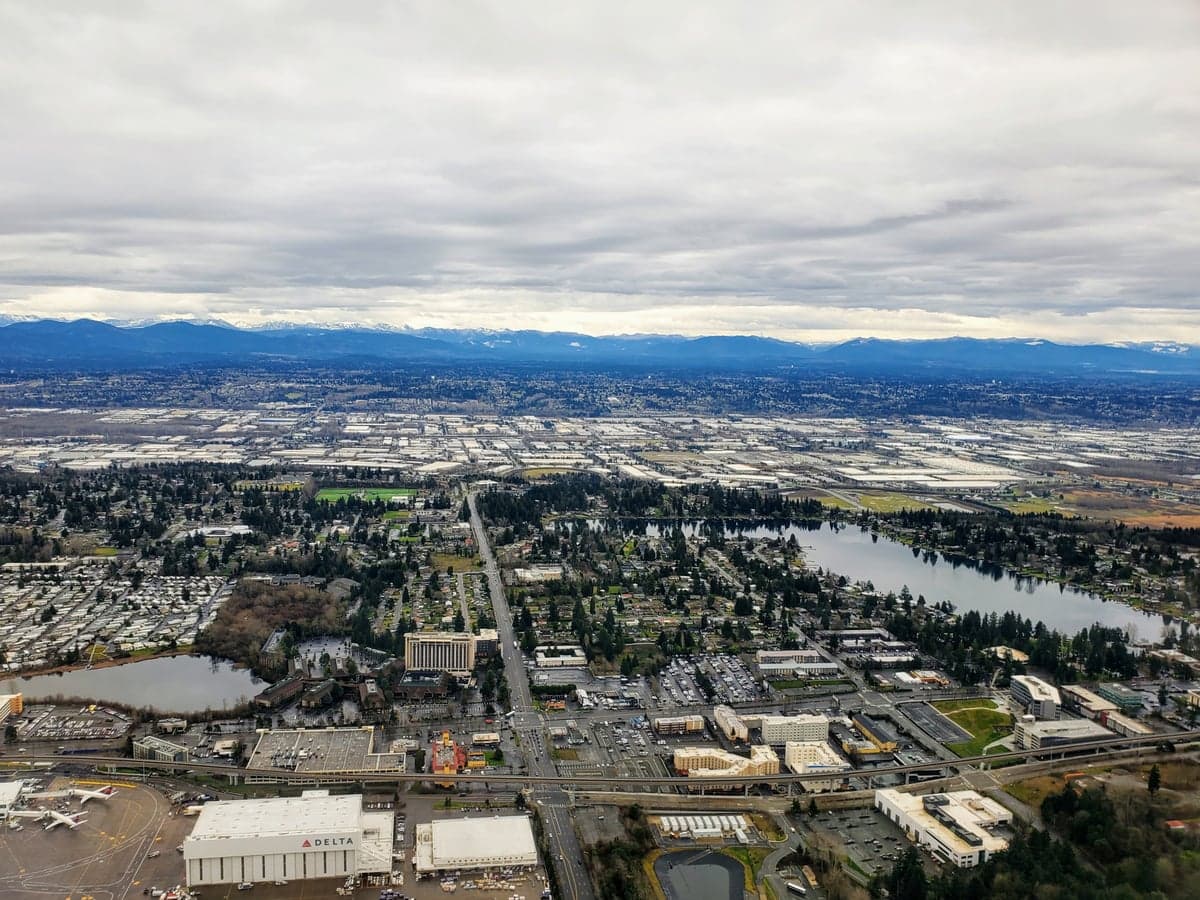
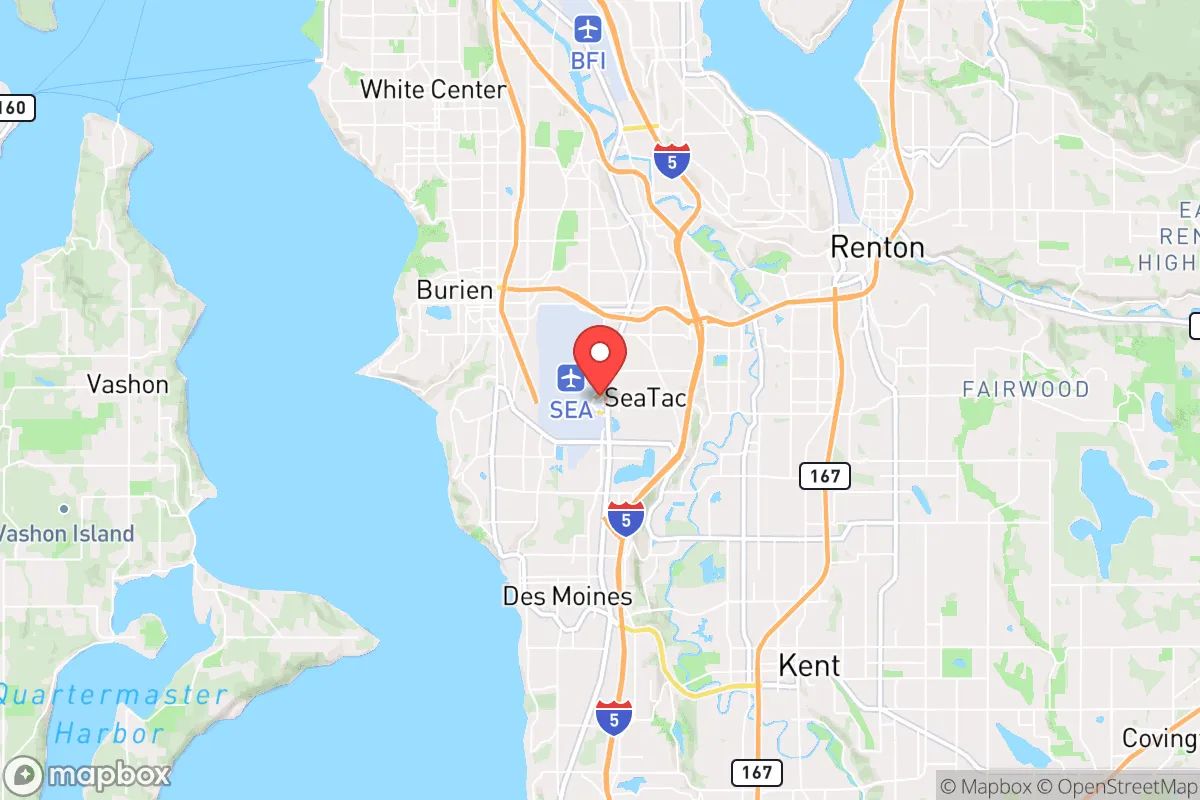
SeaTac, Washington, is a place that wears its airport name with a shrug—it’s the city that grew up around Seattle-Tacoma International, and the constant hum of planes overhead is just part of the soundtrack. For the roughly 31,000 residents, life here is less about tourist attractions and more about finding a practical, affordable (by Seattle standards) base where you can actually own a home or rent a decent apartment without a six-figure salary. It’s a working-class, diverse community where the vibe is “we get things done,” not “look at our trendy coffee shop.”
The Daily Rhythm: Airport Noise and Real-World Tradeoffs
Living in SeaTac means accepting that your day will be punctuated by the roar of jets. Most locals don’t even notice it after a few months—it’s like living near a train track. The average commute here is about 26 minutes, which is shorter than many Seattle suburbs, largely because a huge chunk of the workforce is employed right at the airport or in the surrounding industrial parks. You’ll find Amazon Air hubs, FedEx, and Delta’s maintenance base employing thousands. The typical resident is in their late 30s (median age 36.8), often working in logistics, hospitality, or a trade. This isn’t a place for tech bros in Patagonia vests; it’s for people who fix planes, drive shuttles, or manage airport retail.
Weekends are spent at the Angle Lake Park (a rare gem with a swimming beach and a fishing pier) or running errands at the Southcenter Mall just north in Tukwila. Grocery shopping means hitting the local WinCo or the massive H Mart in Federal Way for Korean and pan-Asian ingredients. The food scene is surprisingly good for a city this size—try Sharps RoastHouse for a proper burger and a beer, or Mama’s Mexican Kitchen for a no-frills burrito that’s been a local staple for decades. There’s no “nightlife” to speak of—the bars are mostly airport hotels and a few dive bars like The 13 Coins (open 24 hours, a favorite of night-shift workers).
Sports, Parks, and the Outdoors (Yes, They Exist)
SeaTac isn’t a sports town in the way Seattle is, but the Seattle Mariners and Seattle Seahawks are still the default allegiances—you’ll see flags on trucks and jerseys at the grocery store. High school football is a bigger deal here than pro sports. Tyee High School and Highline High School have fierce rivalries that pack bleachers on Friday nights in the fall. The community rallies around these games because they’re one of the few free, family-friendly events that don’t involve a plane ticket.
For outdoor types, the city has Des Moines Creek Trail, a paved path that runs from the airport down to the Puget Sound shoreline—great for biking or a jog, though you’ll be sharing it with airport employees on scooters. The real draw is Angle Lake, a 10-acre lake with a swimming platform, volleyball courts, and a playground. In summer, the SeaTac Community Festival (usually in July) brings a carnival, live music, and a parade that shuts down International Boulevard. It’s small-town charm with a jet-fuel edge.
Pros and Cons: The Honest Tradeoffs
What locals love:
- Affordability (relatively speaking). The median home value is $483,200—about $200,000 less than Seattle proper. For a family or single person who doesn’t need a downtown address, that’s a huge difference. The median income of $76,517 actually stretches further here than in most King County suburbs.
- Commute flexibility. You can walk to the airport terminal from some neighborhoods. Light rail at the SeaTac/Airport station gets you to downtown Seattle in 35 minutes or to Angle Lake in 5. No ferry, no I-5 gridlock if you’re heading north.
- Diversity. SeaTac is one of the most ethnically diverse cities in Washington. You’ll hear Spanish, Somali, Vietnamese, and Tagalog on the bus. The schools reflect that—Highline Public Schools are used to serving a multilingual student body.
What frustrates residents:
- The noise. It’s not just the planes—it’s the 24/7 airport operations. Truck traffic on International Boulevard, shuttle buses, and the occasional late-night cargo jet. If you’re a light sleeper, you’ll need good windows.
- Crime concerns. The violent crime rate is 296.7 per 100,000, which is higher than the national average (about 380 nationally, but still noticeable). Property crime—car break-ins, package theft—is the bigger headache. Most locals keep their cars locked and don’t leave valuables visible.
- Limited “third places.” There’s no downtown core. The city is a strip of hotels, car rental lots, and fast-food joints along International Boulevard. For a nice dinner out, you’re driving to Burien or Des Moines.
Who Fits In Here?
SeaTac works best for people who value practicality over prestige. It’s a great fit for airport employees, tradespeople, and anyone who wants to own a home near Seattle without the six-figure mortgage. Families appreciate the lower cost of living and the fact that kids can walk to school without crossing major highways. Singles who work odd hours (night shifts, early mornings) will find the 24-hour amenities—diners, gyms, the light rail—a lifesaver. But if you’re looking for a walkable neighborhood with craft breweries and farmers markets, this isn’t it. The weather is typical Puget Sound: gray from October to May, with a glorious three-month summer where everyone flocks to the lake. The seasonal rhythm here is less about changing leaves and more about “is the sun out? Let’s grill.”

Similar towns to Seatac
* Values derived from national, state, county, city and local statistics and may differ in a specific area. Last updated: 2026-09-03T05:18:21.000Z
Narrative content on this page is AI-generated and may contain mistakes. Verify any details that matter before acting on them.
ReloMaps may earn a commission from affiliate links at no extra cost to you.

