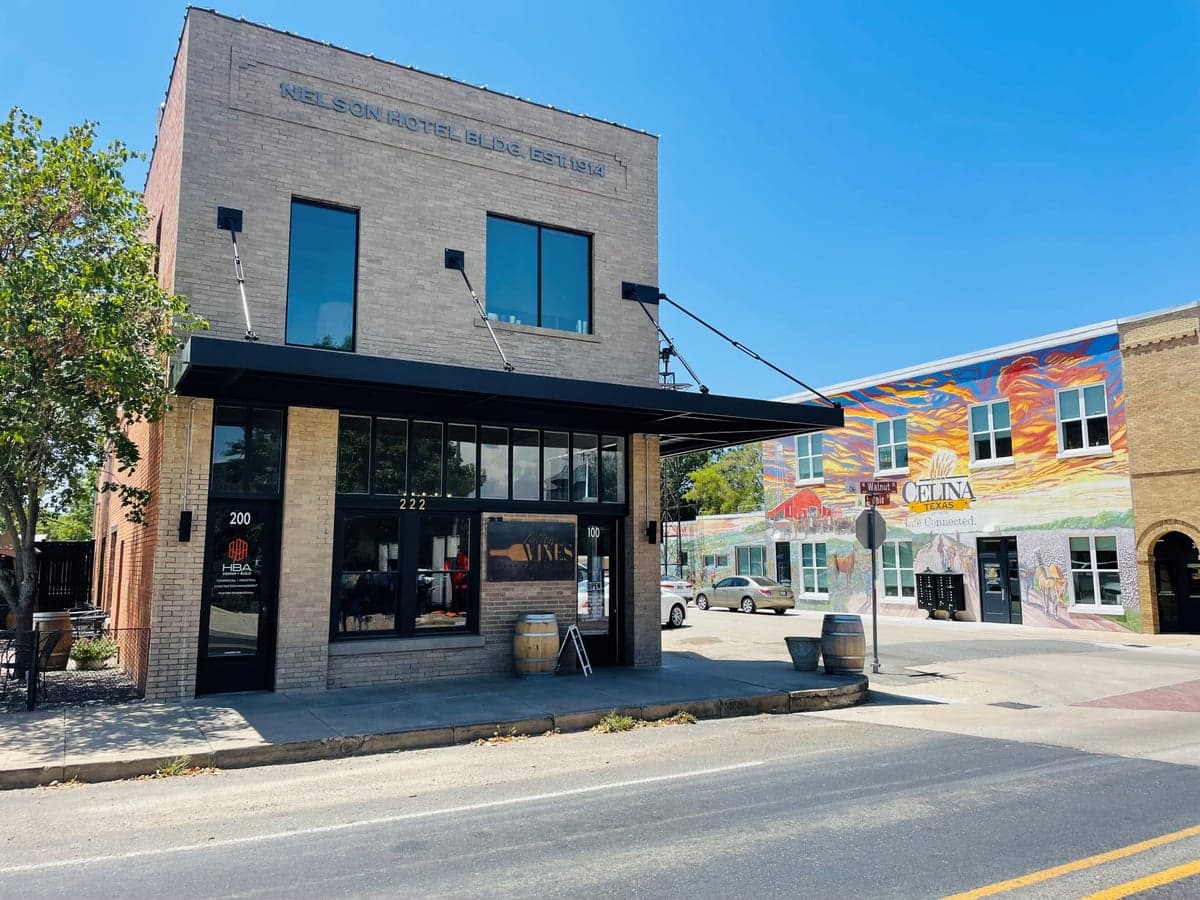
Photo: Wikipedia
Political ClimatePolitical Climate in Celina, TX
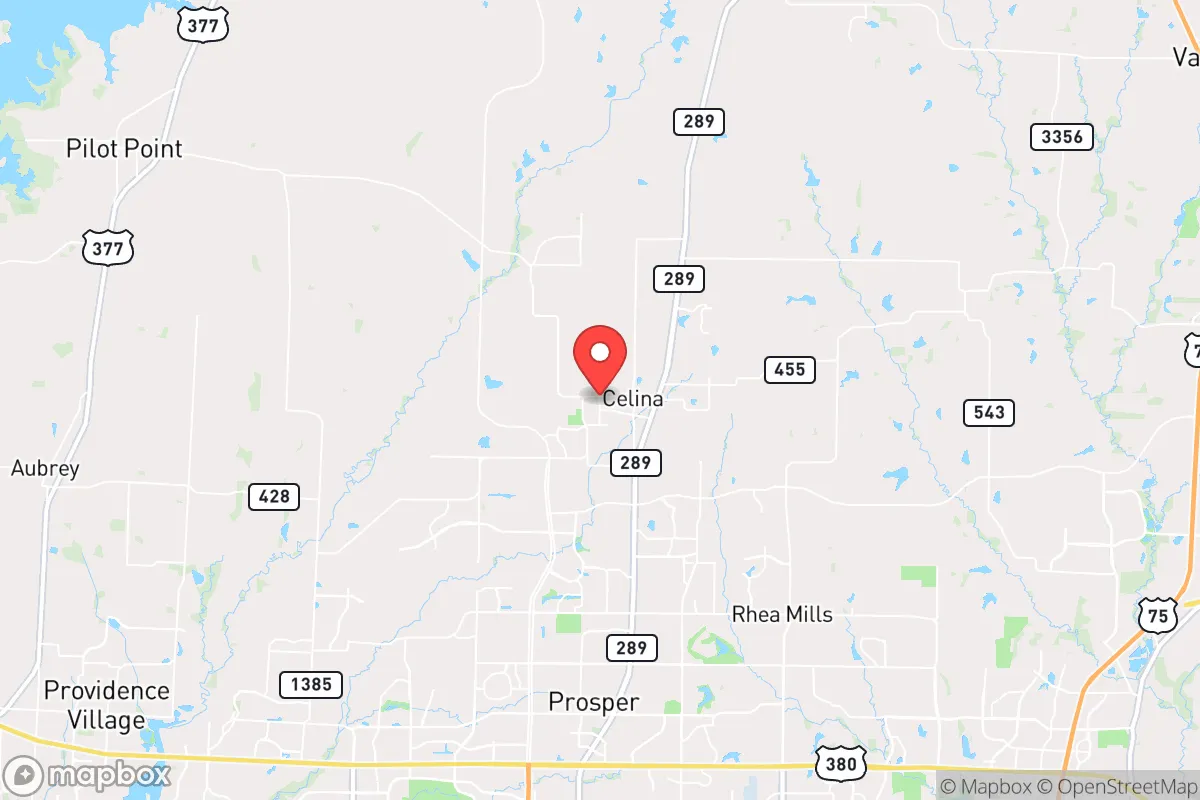
District shown is the primary district for this city’s centroid. Cities may span multiple districts.
Local Political AnalysisPolitical Analysis of Celina, TX
Celina, Texas, is about as solidly conservative as it gets, and that’s not just talk—it’s baked into the numbers. The area’s Cook Partisan Voting Index (PVI) sits at a heavy R+16, meaning it votes Republican by a margin 16 points above the national average. That’s a far cry from the state of Texas as a whole, which clocks in at R+4. If you’ve been around here for a while, you’ve watched Celina go from a quiet farming community to one of the fastest-growing suburbs in North Texas, but the political DNA hasn’t budged. People moved here specifically to get away from the progressive drift you see in places like Dallas or even Frisco, and they’ve made sure the local government reflects that. The city council and school board elections are dominated by candidates who talk about low taxes, property rights, and keeping government out of your business. That’s the Celina way.
How it compares
When you stack Celina against the rest of Texas, the difference is stark. The state’s R+4 PVI means it’s still reliably red, but it’s trending in a direction that worries a lot of folks here. You see it in the big cities—Houston, Austin, Dallas—where progressive policies on everything from zoning to public safety are creeping in. Celina, by contrast, feels like a bulwark. Drive 15 minutes south to Frisco, and you’ll find a more mixed political scene, with younger transplants and tech workers pushing for higher density and more government services. Head west to Prosper, and it’s similar—still conservative, but with a softer edge. Celina is the outlier: it’s the place where people who felt priced out or politically outnumbered in those towns are landing. The surrounding Collin County is R+14 overall, but Celina’s R+16 shows it’s even more resistant to the leftward shift. If you’re worried about government overreach—say, mandates on businesses or overreaching school curriculum—Celina is where you’d rather be.
What this means for residents
For someone living here, the political climate translates directly into daily life. You don’t see the kind of heavy-handed local ordinances that pop up in blue-leaning suburbs. Property taxes are a constant fight, but the city council is generally on the side of keeping them in check. The school board is focused on parental rights and local control, not state or federal mandates. There’s a real sense that if you want to live your life without a bunch of red tape, this is the place. The downside? Rapid growth is bringing pressure. New developments are coming in fast, and with them, new residents who might not share the same values. I’ve seen it happen in McKinney and Allen over the last decade—once the transplants hit a critical mass, the politics start to shift. Celina is still holding the line, but you can feel the tension at city council meetings. The long-term worry is that if the growth isn’t managed carefully, the very things that make Celina attractive—the freedom, the low regulation, the conservative culture—could get diluted.
One thing that sets Celina apart culturally is its unapologetic embrace of traditional values. You won’t find a lot of progressive activism here. The big policy debates are about water rights, road bonds, and how to keep the small-town feel alive while handling 20% annual population growth. There’s no push for sanctuary city policies or defunding the police—the local sheriff’s office is well-supported. If you’re looking for a place where the government still sees its role as limited, and where your personal freedoms aren’t treated as negotiable, Celina is a rare holdout. Just keep an eye on the newcomers. The next five years will tell us whether this place stays true to its roots or starts to mirror the more progressive suburbs to the south.

State Political ClimatePolitical Climate in Texas
State Political AnalysisPolitical Environment in the State
Texas has been a reliably Republican state for decades, with a Cook Partisan Voting Index of R+4, but the political landscape is far more complex than a single number suggests. The dominant coalition remains conservative, driven by suburban and rural voters, but explosive population growth in the major metros—especially Austin, Dallas-Fort Worth, and Houston—has introduced a steady, slow-moving shift toward the center. Over the last 10-20 years, the state has gone from solid red to a competitive battleground, with Democrats making gains in the suburbs while Republicans have consolidated their hold on the exurbs and rural areas.
Urban vs. rural divide
The political map of Texas is a study in contrasts. The major urban centers—Austin, Houston, Dallas, San Antonio, and El Paso—are solidly Democratic, with Austin being the most liberal city in the state. These cities drive the blue vote, fueled by young professionals, tech transplants, and minority communities. However, the suburbs around these cities are where the real action is. Places like Collin County (north of Dallas) and Fort Bend County (southwest of Houston) have flipped from reliably red to purple, with Democrats winning local races and narrowing margins in statewide contests. Meanwhile, the vast rural areas—the Panhandle, West Texas, and East Texas—remain deeply conservative. Lubbock, Amarillo, and Tyler are Republican strongholds, often voting 70-80% for GOP candidates. The divide is stark: you can drive 30 minutes from downtown Austin and go from a city council that bans plastic bags to a county that flies the "Come and Take It" flag.
Policy environment
Texas’s policy environment is a mixed bag for conservatives. On the plus side, there’s no state income tax, a business-friendly regulatory climate, and relatively low property taxes compared to high-tax states like California or New York. The state has also passed significant election integrity laws, like SB 1 in 2021, which tightened voter ID requirements and banned drive-through voting. On education, Texas has a robust school choice movement, with the 2023 passage of a school voucher-like program (HB 3) that created education savings accounts for special needs students. However, property taxes are still a burden—the average effective rate is around 1.6%, and they’re rising fast as home values skyrocket. Healthcare is a sore spot: Texas has the highest uninsured rate in the nation, and the state has refused to expand Medicaid under the Affordable Care Act, which keeps costs down for taxpayers but leaves many without coverage. The regulatory posture is generally light, but local governments in blue cities often impose their own rules—like Austin’s strict land-use codes or Houston’s non-discrimination ordinances—that can feel like overreach to conservative newcomers.
Trajectory & freedom
On the freedom front, Texas has been a mixed bag. The state has expanded gun rights significantly, with permitless carry (HB 1927) becoming law in 2021, allowing most adults to carry a handgun without a license. Parental rights were strengthened with the 2023 passage of the "Parental Bill of Rights" (SB 1515), which requires schools to notify parents about medical services and prohibits instruction on sexual orientation or gender identity in elementary grades. Medical autonomy took a hit with the near-total abortion ban (SB 8, 2021), which conservatives see as a win for life but which also created legal uncertainty for doctors. On the downside, property rights have been eroded by the state’s aggressive use of eminent domain for private infrastructure projects, like the controversial Texas Central high-speed rail. Taxation is a growing concern: while there’s no income tax, the state relies heavily on property and sales taxes, and the 2023 property tax relief package (SB 2) was a one-time fix, not a structural reform. The overall trajectory is toward more freedom on social issues (guns, education) but less on economic ones (taxes, property).
Civil unrest & political movements
Texas has seen its share of political flashpoints. The 2020 Black Lives Matter protests in Austin, Dallas, and Houston were large and sometimes violent, leading to property damage and a lasting rift between police and progressive activists. On the right, the “Take Back Texas” movement has mobilized around election integrity, with grassroots groups pushing for audits and stricter voting laws. Immigration politics are a constant source of tension: the state has bused thousands of migrants to Democratic-led cities like New York and Chicago, and Governor Greg Abbott’s Operation Lone Star has militarized the border. Sanctuary city policies are a hot-button issue—Texas passed SB 4 in 2017, banning them and allowing police to ask about immigration status, but it’s been tied up in court. Secession rhetoric flares up occasionally, with the Texas Nationalist Movement gaining some traction, but it’s mostly symbolic. Election integrity remains a sore spot: the 2020 and 2022 cycles saw widespread claims of fraud, though no major cases were proven. For a new resident, the most visible sign of this divide is the constant presence of political signs and flags—from "Don’t Tread on Me" to "Defund the Police"—depending on which part of town you’re in.
Projection
Over the next 5-10 years, Texas is likely to become more competitive, not less. The in-migration from California and other blue states is bringing a steady stream of moderate and liberal voters to the suburbs of Dallas, Houston, and Austin. These newcomers often bring their politics with them, even if they moved for lower taxes. At the same time, rural areas are losing population, which will gradually erode the Republican base. The state’s growing Hispanic population—now over 40%—is not monolithic, but younger Hispanic voters lean more Democratic than their parents. The most likely scenario is that Texas becomes a true swing state by 2032, with close presidential races and divided state government. For a conservative moving in now, expect to see more blue pockets in the suburbs, more local battles over school boards and zoning, and a state government that may flip to Democratic control within a decade if current trends hold.
Bottom line for a new resident: Texas is still a great place for conservatives who value low taxes, gun rights, and parental control over education, but it’s not the solid red fortress it was 20 years ago. If you’re moving here, pick your county carefully—Collin County or Montgomery County will feel much more like home than Travis County or Harris County. Get involved in local politics early, because the fight for the soul of Texas is happening at the school board and city council level. And keep an eye on property taxes—they’re the one issue that could turn even the most conservative Texan into a single-issue voter.
* Values derived from national, state, county, city and local statistics and may differ in a specific area. Last updated: 2026-10-10T16:27:08.000Z
Narrative content on this page is AI-generated and may contain mistakes. Verify any details that matter before acting on them.
ReloMaps may earn a commission from affiliate links at no extra cost to you.

