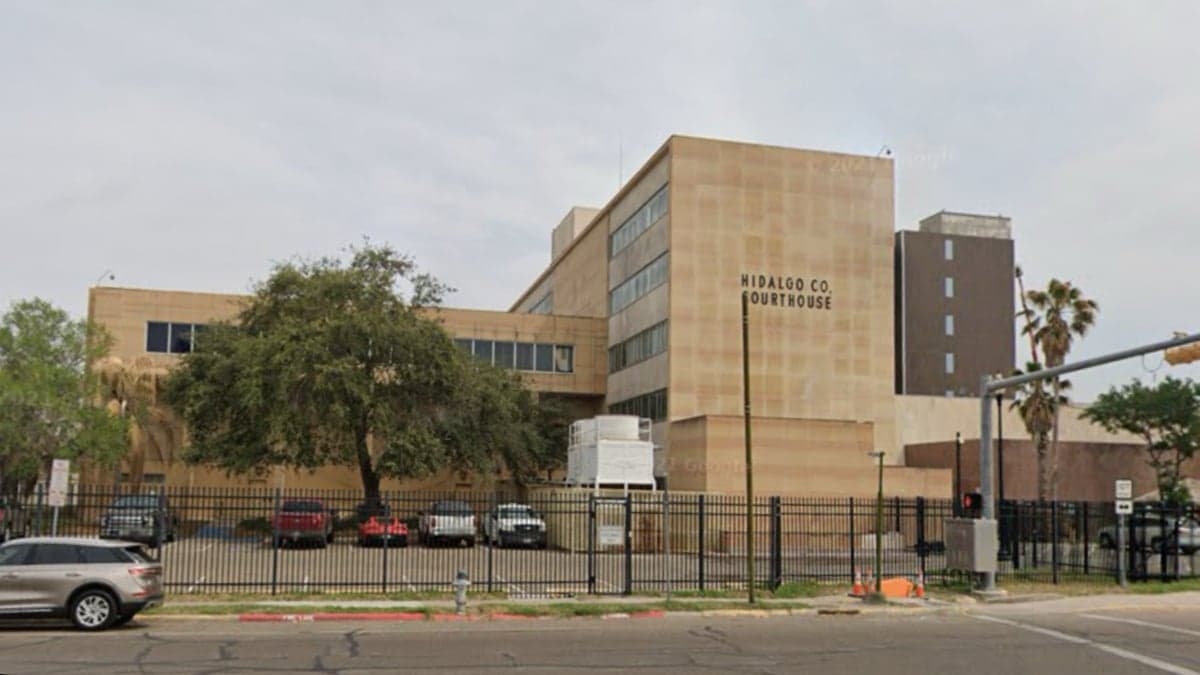
Photo: Wikipedia
Political ClimatePolitical Climate in Edinburg, TX
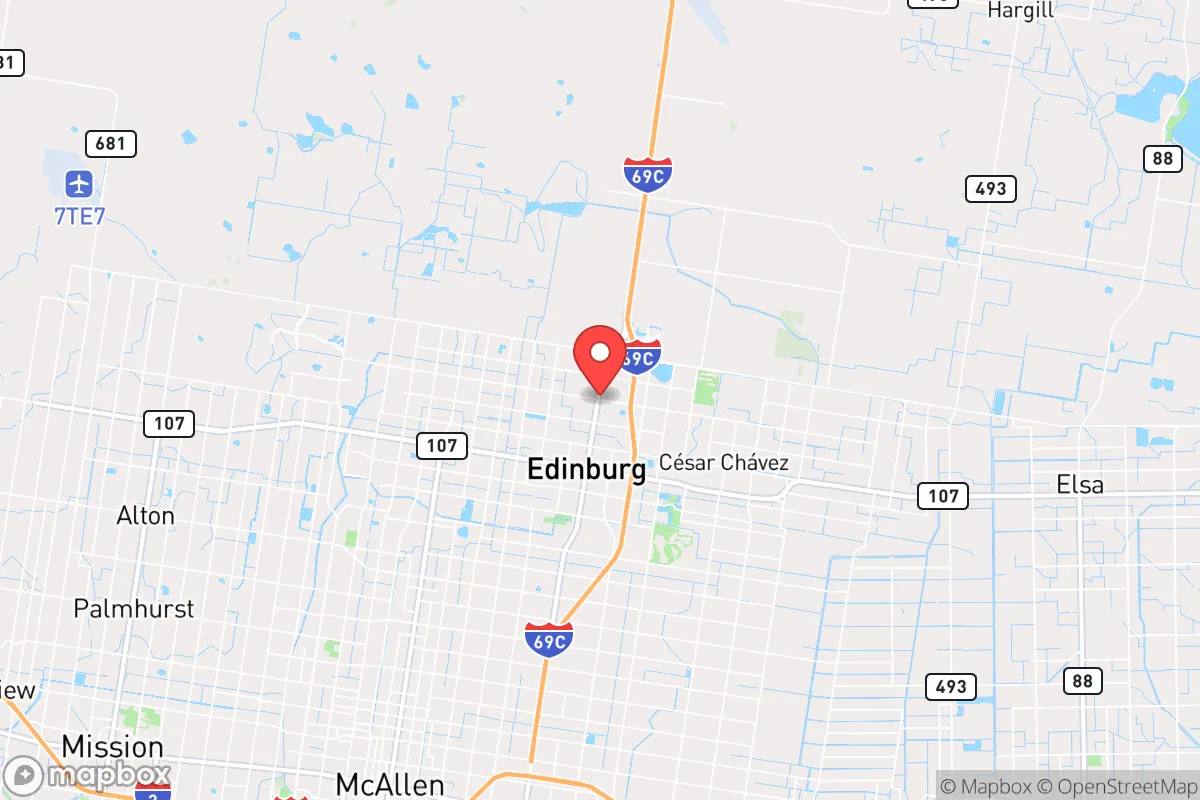
District shown is the primary district for this city’s centroid. Cities may span multiple districts.
Local Political AnalysisPolitical Analysis of Edinburg, TX
Edinburg, Texas, has long been a solidly conservative stronghold, and the numbers back that up with a Cook PVI of R+7. But if you’ve lived here as long as I have, you’ve seen the political winds start to shift in ways that raise an eyebrow. The area still leans Republican, no doubt, but there’s a growing undercurrent of progressive influence creeping in from the larger cities to the north, and it’s changing the conversation around personal freedoms and local governance.
How it compares
When you look at the political map, Edinburg stands out as a conservative anchor in the Rio Grande Valley, especially compared to places like McAllen or Brownsville, which have seen more of a tilt toward Democratic candidates in recent cycles. McAllen, just a 15-minute drive east, has a more mixed political vibe, with younger transplants and a growing tech scene pushing for progressive policies on housing and environmental regulations. Up north, San Antonio and Austin are practically a different world—places where government overreach into personal freedoms, like mask mandates and business closures, became the norm. Edinburg, by contrast, has held the line better, but you can feel the pressure. The surrounding Hidalgo County is still red-leaning, but the margins are tightening, and that’s something to watch if you value limited government and local control.
What this means for residents
For folks living here, the political climate directly affects daily life in ways that matter. Property taxes are a hot topic—Edinburg’s rates are higher than some neighboring towns, and there’s always a debate about whether the county is spending wisely or just expanding its reach. The shift toward progressive ideology, even in small doses, means more talk of zoning changes that could limit what you can do with your own land, or new regulations on small businesses that feel like a burden. The local school board has also become a battleground, with some pushing for curriculum changes that stray from traditional values. It’s not a crisis yet, but the trajectory is concerning if you believe in keeping government out of your wallet and your family’s decisions.
On the flip side, Edinburg’s conservative roots still show in practical ways. The city has resisted some of the more aggressive housing mandates seen in other Texas metros, and there’s a strong sense of community self-reliance. You don’t see the same level of overreach in everyday life—no heavy-handed enforcement of minor ordinances or intrusive health orders. But the long-term trend is what keeps me up at night. As more people move in from blue states, they bring their voting habits and expectations with them, and that could tip the balance in the next decade.
Culturally, Edinburg remains a place where family, faith, and personal responsibility are still the backbone of the community. The policy distinctions are subtle but real: the city has kept its zoning flexible, avoided rent control debates, and maintained a pro-business attitude that lets entrepreneurs thrive without red tape. But if you’re paying attention, you’ll notice the small battles—over library books, over tax-funded programs, over how much say the county has in your backyard. It’s still a good place to live, but the political climate is shifting, and it’s worth keeping an eye on who’s running for local office. The old guard is retiring, and the new faces might not share your views on freedom and limited government.

State Political ClimatePolitical Climate in Texas
State Political AnalysisPolitical Environment in the State
Texas has been a reliably Republican state for decades, but the political climate is far from monolithic. The dominant coalition remains conservative, anchored by a strong rural and suburban base, but the state has seen a notable rightward shift in some areas while major metros have trended left. Over the last 10-20 years, the GOP has solidified its hold on state government, with Republicans controlling every statewide office and both legislative chambers, though the margin of victory has narrowed in presidential races—from a 16-point win in 2012 to a 5.5-point win in 2024. The state’s political trajectory is a tug-of-war between booming blue cities and a deeply red hinterland, with the outcome shaping everything from tax policy to school curriculum.
Urban vs. rural divide
The political map of Texas is a study in contrasts. The major metros—Austin, Dallas, Houston, San Antonio, and El Paso—are the Democratic strongholds. Travis County (Austin) voted +52 points for Biden in 2020, while El Paso County went +37. These cities are home to the state’s progressive activist base, tech transplants, and a growing Hispanic electorate that leans left in urban settings. In contrast, the rural and exurban counties are deeply red. Lubbock (Lubbock County) voted +38 for Trump in 2024, and Amarillo (Potter County) went +27. The real battleground is the suburbs. Places like Collin County (north of Dallas) and Fort Bend County (southwest of Houston) have been trending purple. Collin County, once a GOP stronghold, voted for Trump by only 9 points in 2024, down from 27 points in 2012. Meanwhile, Bexar County (San Antonio) flipped to Democrats in 2016 and has stayed there. The divide isn’t just about geography—it’s about lifestyle. Rural Texans prioritize property rights, gun access, and local control, while urbanites push for transit, density, and progressive social policies. This tension plays out in every legislative session.
Policy environment
Texas’s policy environment is a conservative’s dream on paper, but the devil is in the details. The state has no income tax, a low property tax rate (though rising fast due to appraisal growth), and a regulatory climate that’s business-friendly. The Texas Constitution limits government spending growth to population plus inflation. On education, the state passed school choice legislation in 2023 (HB 3), creating education savings accounts for special needs students, with a broader expansion expected. Healthcare is a mixed bag: Texas refused Medicaid expansion, keeping the system lean, but the uninsured rate remains the highest in the nation. Election laws tightened after 2020—SB 1 (2021) banned drive-through voting, added ID requirements for mail ballots, and restricted early voting hours. This was a direct response to Harris County’s 2020 election administration, which Republicans saw as overreach. On the freedom front, Texas has a strong castle doctrine and permitless carry (HB 1927, 2021). But there are red flags: property taxes are effectively a state-level burden, and local governments in blue cities have imposed mask mandates, vaccine requirements, and zoning restrictions that infringe on personal choice. The state has preempted many of these local ordinances, but the fight continues.
Trajectory & freedom
Is Texas becoming more or less free? It depends on the issue. On gun rights, the state has expanded freedom dramatically—permitless carry and the elimination of most gun-free zones. On parental rights, Texas passed the “Parental Bill of Rights” (HB 5, 2023), giving parents more control over school curriculum and medical decisions. On medical autonomy, the state banned gender transition procedures for minors (SB 14, 2023) and restricted abortion to the point of near-total prohibition (trigger law after Dobbs). These moves expand personal liberty for conservatives. However, there are concerning trends. The state has increased its involvement in local land use—the 2023 “Texas Regulatory Consistency Act” (HB 2127) preempted local ordinances on everything from tree preservation to paid leave, which some see as government overreach. Property taxes continue to rise, and the state’s reliance on sales and property taxes means the government takes a larger share of income than many realize. The biggest threat to freedom is the growing influence of progressive cities: Austin’s homeless camping ban repeal (2019) led to visible encampments, and Houston’s “HERO” ordinance (non-discrimination protections) was overturned by voters but remains a flashpoint. The trajectory is a two-steps-forward, one-step-back pattern—more freedom on cultural issues, less on economic and local control.
Civil unrest & political movements
Texas has seen its share of political flashpoints. The 2020 Black Lives Matter protests in Austin and Dallas were large and occasionally violent, leading to property damage and a police funding debate. In response, the state passed the “Back the Blue” Act (HB 9, 2021), increasing penalties for rioting and blocking defunding efforts. Immigration politics are a constant source of tension. Governor Abbott’s Operation Lone Star (2021) deployed state troopers and National Guard to the border, busing migrants to blue cities like New York and Chicago. This has been popular with conservatives but criticized as a political stunt. Sanctuary city bans (SB 4, 2017) remain in effect, though challenged in court. Secession rhetoric is more talk than action—the Texas Nationalist Movement has no real political power, but the idea of “Texit” resurfaces in GOP primaries. Election integrity remains a hot-button issue: the 2020 election saw lawsuits over Harris County’s 24-hour voting and drive-through ballots, leading to the aforementioned SB 1. A new resident would notice the visible presence of political signage, especially in rural areas, and the occasional protest at the state capitol. The most visible movement is the conservative grassroots—groups like the Texas GOP’s “County Party” network are highly organized and influence local school board and county commissioner races.
Projection
Over the next 5-10 years, Texas will likely remain Republican at the state level, but the margin will continue to narrow. In-migration from California and other blue states is bringing more moderate and left-leaning voters to the suburbs of Dallas, Houston, and Austin. The Hispanic vote is not monolithic—rural Hispanics in the Rio Grande Valley (like McAllen) are trending right, while urban Hispanics lean left. The state’s population growth (about 1.3% annually) is concentrated in blue metros, which will eventually flip the state if trends hold. However, the GOP is responding by gerrymandering congressional districts and tightening voting laws. The biggest wildcard is the education and parental rights movement: if school choice expands and curriculum battles continue, it could energize conservative voters and slow the blue shift. A new resident moving in now should expect a state that is politically competitive but still conservative on most issues—with the caveat that local control matters enormously. Living in Lubbock vs. Austin is a completely different political experience. The bottom line: Texas is a place where you can find a community that matches your values, but you need to choose your county carefully. The state government will protect your gun rights and keep taxes low, but you’ll have to fight for local control in blue cities.
For a new resident, the practical takeaway is this: Texas offers a strong conservative foundation at the state level—low taxes, gun rights, school choice, and parental rights—but the political climate varies wildly by location. If you want a reliably red environment, look at the suburbs of Fort Worth or the Panhandle. If you’re willing to engage in the fight, the suburbs of Dallas and Houston are battlegrounds where your vote matters. Avoid the deep blue cores of Austin and El Paso if you value a conservative lifestyle. The state is trending left demographically, but the policy environment is still firmly right—for now. Choose your county, get involved in local politics, and you’ll find Texas is still a place where freedom is the default, as long as you’re willing to defend it.
* Values derived from national, state, county, city and local statistics and may differ in a specific area. Last updated: 2026-04-22T01:59:09.000Z
Narrative content on this page is AI-generated and may contain mistakes. Verify any details that matter before acting on them.
ReloMaps may earn a commission from affiliate links at no extra cost to you.

